

How Sports Technology Is Changing Amateur Competition in 2026
The New Competitive Frontier for Everyday Athletes
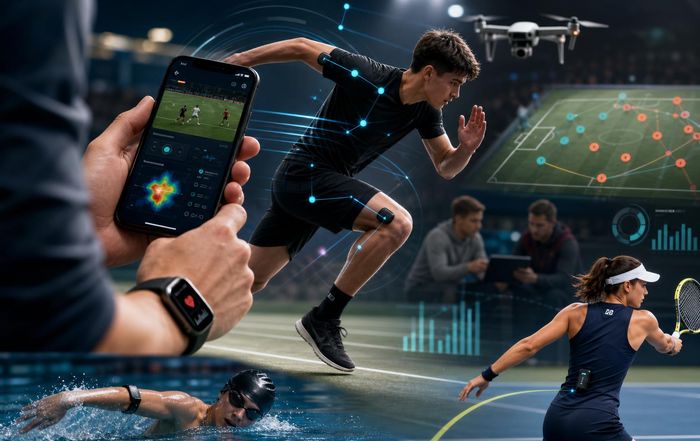
By 2026, amateur sport no longer looks like a casual weekend pursuit loosely organized around local clubs and community fields; it has evolved into a data-rich, hyper-connected ecosystem in which runners, cyclists, gamers, footballers, and fitness enthusiasts expect the same analytical depth, performance insights, and technological sophistication once reserved for elite professionals. For the global audience of SportyFusion, which spans traditional sports, fitness, health, culture, and technology, this shift is not an abstract trend but a lived reality, influencing how people train, how they compete, how they consume sports media, and how they define personal performance and wellbeing.
The convergence of affordable wearables, powerful smartphones, cloud-based analytics, and AI-driven coaching has created a new tier of "serious amateurs" who may never sign a professional contract yet approach preparation, recovery, and competition with the discipline and structure of high-performance programs. Platforms such as Strava, Zwift, and Garmin's ecosystem, combined with the growth of virtual events and hybrid competitions, have blurred the boundaries between local and global participation, enabling an amateur in Berlin or São Paulo to test their limits against peers in Tokyo, London, or Cape Town in real time. As organizations like the World Health Organization highlight the importance of regular physical activity for population health, this technological wave is also reshaping public health strategies and community engagement, not only in the United States and Europe but across Asia, Africa, and South America.
For SportyFusion, which has consistently explored the intersection of sports, fitness, health, and technology, the transformation of amateur competition is a defining narrative of this decade, touching everything from business models and brand strategies to ethics, employment, and social impact.
From Stopwatch to Sensor: The Datafication of Amateur Performance
The most visible shift in amateur competition over the past decade has been the move from subjective assessment and simple timing devices to comprehensive, sensor-driven performance tracking. Affordable devices from companies such as Apple, Samsung, Garmin, and Polar now capture heart rate variability, running dynamics, cycling power, sleep quality, and even recovery metrics, enabling amateurs to build training plans around evidence rather than intuition. Resources like the American College of Sports Medicine's guidelines on exercise testing and prescription have become increasingly accessible through digital platforms, allowing recreational athletes to align their routines with clinically grounded best practices rather than anecdotal advice.
This datafication has had a profound psychological impact on how amateurs perceive competition, as the finish time or match result is no longer the sole measure of success; instead, athletes evaluate marginal gains in lactate threshold, improvements in VO₂ max, or enhancements in neuromuscular efficiency, often benchmarked against global leaderboards and age-group standards. Digital training platforms and apps, including those informed by research from institutions such as Harvard Medical School, have translated complex exercise science into intuitive dashboards, making high-level expertise understandable and actionable for a broad, non-specialist audience. For SportyFusion readers, accustomed to integrating performance analytics into their daily training, this has normalized a culture in which every session, from a casual 5K to a weekend football match, is an opportunity for structured experimentation and optimization.
The AI Coach in Every Pocket
Artificial intelligence has moved from the realm of experimental prototypes to mainstream training tools, placing algorithm-driven coaching into the hands of millions of amateurs across continents. AI-enabled platforms now analyze historical performance data, biomechanical patterns, and even weather conditions to generate adaptive training plans that adjust in real time based on fatigue, injury risk, and upcoming competitions. Companies like WHOOP and Oura have popularized recovery-focused metrics, while AI-driven training engines, often drawing on research from organizations such as MIT and Stanford University, refine the balance between workload and rest, enabling amateurs to train "smarter" rather than simply harder.
This democratization of expertise has narrowed the gap between professional and amateur preparation, yet it has also raised new questions about dependency on algorithms and the potential erosion of coach-athlete relationships at the grassroots level. Coaches at community clubs in Canada, the United Kingdom, and Australia report that athletes increasingly arrive with their own data and AI-generated plans, seeking validation or integration rather than traditional top-down instruction, prompting a shift toward hybrid models in which human coaches interpret and contextualize AI outputs rather than dictate every training detail. For readers who follow SportyFusion's coverage of training and performance, this hybrid paradigm underscores the importance of human judgment, empathy, and contextual understanding in making sense of ever-expanding data streams.
Virtual Arenas and the Rise of Hybrid Competition
The boundaries of amateur competition have expanded dramatically through virtual and hybrid formats that combine physical effort with digital environments. The explosive growth of platforms like Zwift and Rouvy, alongside connected fitness systems from Peloton and Wahoo, has enabled cyclists, runners, and triathletes to compete in immersive virtual worlds, complete with dynamic drafting, course simulations, and real-time audio and visual interaction. Organizations such as World Triathlon and Ironman have experimented with virtual race series, allowing participants from Singapore, South Africa, Norway, and Brazil to share the same digital course while riding or running in their local environments.
The pandemic-era shift toward remote competition has evolved into a permanent layer of the amateur sports landscape, with hybrid events that combine in-person races with synchronized virtual participation, integrated leaderboards, and standardized verification protocols to preserve fairness. This development has significant implications for accessibility and inclusion, as athletes who face geographic, financial, or physical barriers to travel can still engage in high-level competition; it also raises complex questions around anti-cheating measures, calibration of equipment, and the psychological authenticity of competing through screens. For SportyFusion, which covers the global world of sport, these hybrid formats represent a critical bridge between traditional community events and the digital-first preferences of younger participants who are equally comfortable in physical and virtual arenas.
Wearables, Health, and the New Safety Net for Amateurs
The integration of health-monitoring capabilities into sports wearables has transformed not only performance tracking but also risk management and safety for amateur competitors. Devices from Apple, Fitbit, and Garmin now offer irregular heart rhythm notifications, fall detection, and advanced sleep analysis, while some smartwatches can generate single-lead ECGs that can be shared with healthcare professionals. Organizations like the Mayo Clinic and Cleveland Clinic have documented both the benefits and limitations of consumer wearables in detecting early signs of cardiovascular issues, prompting a growing awareness among amateur athletes of the importance of medical screening and risk assessment before engaging in intensive competition.
For masters athletes in their 40s, 50s, and beyond, particularly in regions with strong endurance cultures such as the United States, Germany, and Japan, this technology serves as a safeguard that allows them to push their limits with greater confidence, knowing that deviations from their normal physiological patterns may be flagged early. At the same time, sports physicians and physiologists caution that data without proper interpretation can create anxiety or false reassurance, underscoring the need for trusted educational resources and clearer guidelines, an area that SportyFusion addresses in its coverage of health and performance. The emerging partnership between sports technology companies and healthcare systems hints at a future in which routine participation in amateur sport contributes directly to preventive medicine and population health analytics.
Esports, Gaming, and the Blurring of Physical and Digital Skill
The transformation of amateur competition is not limited to traditional physical sports; the rapid rise of esports and competitive gaming has created parallel performance cultures that increasingly intersect with physical training, cognitive science, and mental health. Platforms such as Twitch and YouTube Gaming have normalized the idea of broadcasting one's competitive sessions to global audiences, while amateur leagues in titles like League of Legends, Valorant, and FIFA now incorporate structured seasons, rankings, and talent pathways that mirror traditional sports organizations. Bodies such as the International Esports Federation and national federations across Europe and Asia have worked to formalize rules, anti-doping standards, and player welfare guidelines, bringing a degree of institutional structure to what was once an informal pastime.
For the SportyFusion community, which increasingly engages with gaming alongside conventional sports, the most intriguing development lies in the integration of physical conditioning, nutrition, and mental skills training into competitive gaming environments. High-level amateur players now use eye-tracking systems, reaction-time software, and cognitive training apps, while also incorporating strength and conditioning programs to mitigate overuse injuries and improve stamina during long tournaments. Research from organizations like the American Psychological Association on attention, stress, and performance is being translated into practical routines for gamers, creating a holistic performance model that spans both digital and physical domains and redefining what it means to be an "athlete" in the 2026 landscape.
Business Models, Brands, and the New Amateur Economy
The technological transformation of amateur competition has generated a rapidly expanding commercial ecosystem in which equipment manufacturers, apparel brands, software developers, event organizers, and media platforms compete for attention, loyalty, and data. Companies such as Nike, Adidas, Under Armour, and Puma have moved beyond traditional product sponsorships to build integrated digital platforms, personalized training apps, and community challenges that embed their brands directly into the daily routines of amateur athletes. Learn more about sustainable business practices and the broader shift toward responsible growth through resources from organizations like the World Economic Forum, which highlight how consumer expectations around environmental and social responsibility are reshaping the sports industry.
Subscription-based training services, data analytics add-ons, and premium virtual race experiences have created recurring revenue streams, while marketplaces for second-hand equipment and rental services reflect a growing emphasis on affordability and sustainability in markets from the Netherlands and Sweden to South Korea and New Zealand. For readers of SportyFusion who follow business and brands, the key trend is the rise of the "prosumer" amateur-individuals who demand professional-grade products and services, are highly informed about technology and ethics, and are willing to invest in solutions that enhance performance, align with their values, and integrate seamlessly into their digital lives. This shift is forcing companies to demonstrate genuine expertise, transparency, and long-term commitment rather than relying on superficial endorsements or short-lived trends.
Jobs, Skills, and New Career Pathways Around Amateur Sport
The professionalization of amateur competition has also opened new employment and entrepreneurial pathways that would have been difficult to imagine a decade ago. Data-savvy coaches, sports scientists, physiotherapists, and strength and conditioning specialists are increasingly offering remote services to amateur athletes worldwide, leveraging video analysis, cloud-based performance dashboards, and messaging platforms to deliver personalized support. Certifications from organizations like the National Academy of Sports Medicine and UK Coaching have become more visible and relevant to amateurs who seek qualified guidance, while universities in the United States, United Kingdom, and Australia are expanding programs in sports analytics, performance science, and esports management.
Alongside traditional roles, a new generation of content creators, community managers, and digital event organizers is emerging, building careers around organizing virtual leagues, curating training content, and moderating online communities for brands and platforms. For SportyFusion readers interested in jobs and career development, this evolution underscores the growing value of hybrid skill sets that combine technical literacy, communication, and domain-specific sports knowledge. The amateur sports technology ecosystem is increasingly reliant on professionals who can interpret data responsibly, translate complex concepts into accessible guidance, and foster inclusive communities that prioritize safety, fairness, and long-term engagement.
Ethics, Equity, and the Risk of a Two-Tier Amateur System
As technology enriches the amateur sporting experience, it simultaneously introduces ethical challenges and risks of inequality that demand careful consideration. The cost of advanced wearables, smart equipment, and subscription services can create a divide between those who can afford comprehensive digital ecosystems and those who rely on basic gear and community facilities, potentially reinforcing existing socioeconomic disparities across regions and within countries. Organizations such as UNESCO and UN Women have emphasized the importance of inclusive access to sport and physical activity, particularly for women and girls, marginalized communities, and people with disabilities, raising the question of how sports technology can be harnessed to reduce rather than exacerbate gaps in participation and opportunity.
Data privacy and surveillance concerns also loom large, as amateur athletes share vast amounts of sensitive health and location data with commercial platforms, often without fully understanding how that information may be used, monetized, or shared. Regulatory frameworks such as the European Union's GDPR and evolving privacy laws in regions like California and Brazil seek to protect individuals, but the rapid pace of technological innovation often outstrips legal and public awareness. For SportyFusion, which addresses ethics and social responsibility, these issues highlight the need for clear standards, transparent communication from companies, and education that empowers amateurs to make informed choices about the tools they adopt and the data they share.
Sustainability and the Environmental Footprint of Tech-Driven Sport
The environmental implications of tech-enabled amateur sport are increasingly central to strategic discussions among brands, event organizers, and policymakers. While digital platforms can reduce travel-related emissions by enabling remote participation, the production, distribution, and disposal of electronic devices, sensors, and smart equipment contribute to e-waste and resource consumption. Reports from organizations such as the United Nations Environment Programme and the Ellen MacArthur Foundation have drawn attention to the lifecycle impacts of consumer electronics and the need for circular design, repairability, and responsible recycling.
In response, some sports technology companies and event organizers are experimenting with take-back programs, refurbished equipment offerings, and carbon-conscious event design, while athletes themselves are becoming more selective about upgrades and more vocal in demanding sustainable options. For the SportyFusion audience, which follows environment and lifestyle trends, the challenge and opportunity lie in aligning performance ambitions with environmental stewardship, recognizing that the long-term health of sport depends on the health of the planet. This alignment is increasingly seen not as a niche concern but as a core dimension of brand trustworthiness and long-term competitiveness.
Culture, Community, and the Social Fabric of Amateur Competition
Beyond performance metrics and commercial models, sports technology is reshaping the cultural and social dimensions of amateur competition, influencing how communities form, how identities are expressed, and how stories are told. Social fitness platforms and club features on services like Strava and Nike Run Club enable athletes in cities as diverse as New York, London, Nairobi, and Bangkok to join digital communities organized around pace, discipline, language, or cause-related campaigns, blurring the line between local clubs and global networks. Research from institutions such as the London School of Economics on digital communities and social capital provides insight into how these virtual spaces can foster motivation, accountability, and a sense of belonging, particularly for individuals who may feel isolated in their offline environments.
For SportyFusion, which dedicates coverage to culture, lifestyle, and social dynamics, this cultural evolution is as significant as any technological breakthrough. Amateur athletes now share detailed narratives of their training journeys, setbacks, and achievements across platforms, creating a rich tapestry of lived experience that challenges stereotypes about who belongs in sport and what success looks like. At the same time, the performative pressure of constant sharing can lead to comparison-driven stress and burnout, underscoring the importance of digital literacy, mental health awareness, and community norms that prioritize wellbeing over metrics alone.
The Road Ahead: Trust, Expertise, and Human-Centered Innovation
As 2026 progresses, the trajectory of sports technology in amateur competition points toward even deeper integration of AI, biometrics, and immersive media, from personalized augmented reality coaching overlays to non-invasive glucose monitoring and more sophisticated injury prediction algorithms. The central question for athletes, coaches, brands, and policymakers is not whether technology will continue to advance, but how it will be governed, interpreted, and integrated into human-centered models of sport that respect autonomy, dignity, and diversity.
For the global community that turns to SportyFusion as a trusted source on news, performance, and innovation, three pillars will define successful navigation of this landscape. The first is experience, grounded in the real-world practices of amateurs across regions and disciplines, ensuring that technological solutions reflect actual needs and constraints rather than abstract possibilities. The second is expertise, drawing on sports science, medicine, psychology, and data ethics to provide rigorous guidance that helps athletes distinguish between evidence-based tools and marketing hype. The third is trustworthiness, built through transparency, accountability, and a consistent focus on long-term wellbeing rather than short-term engagement or profit.
In this evolving ecosystem, amateur competition is no longer a secondary or lesser version of the professional game; it is a vibrant, innovative, and increasingly influential arena in its own right, where everyday athletes from the United States to South Africa, from Sweden to Malaysia, from Japan to Brazil are redefining what it means to compete, to improve, and to belong. Sports technology, when guided by responsible design and informed choice, has the potential to elevate not only performance but also health, community, and global connection, making the playing fields-physical and virtual-more inclusive, engaging, and inspiring than ever before.