

Mindfulness and Meditation Practices in Team Settings: A Playbook for High-Performance Cultures
The New Competitive Edge: Collective Calm in a Volatile World
Organizations operating in sport, business, and technology have largely accepted that technical excellence and physical conditioning are no longer sufficient to secure sustainable performance. In a world characterized by geopolitical uncertainty, rapid digital disruption, and escalating expectations on both mental health and ethical leadership, the ability of teams to stay grounded, focused, and emotionally resilient has become a decisive competitive advantage. Mindfulness and meditation, once treated as fringe wellness trends, are now embedded into the performance frameworks of leading sports franchises, global corporations, and high-growth startups, and SportyFusion has positioned itself at the intersection of these domains, translating evidence-based practices into actionable strategies for teams around the world.
The shift is visible across continents. Elite clubs in the English Premier League, tech innovators in Silicon Valley, professional services firms in London and Frankfurt, and national squads from Japan to Brazil are all experimenting with structured mindfulness programs. Organizations increasingly look beyond short-term stress relief and toward long-term culture design, integrating contemplative practices into leadership development, training schedules, and daily rituals. This evolution aligns with the growing body of research from institutions such as Harvard Medical School and the American Psychological Association, which highlights the impact of mindfulness on attention regulation, emotional stability, and interpersonal collaboration. For readers of SportyFusion's business coverage, the question is no longer whether mindfulness belongs in team environments, but how to implement it credibly, safely, and at scale.
From Individual Wellness to Collective Performance
The mainstreaming of mindfulness began as an individual health trend, often framed as a personal antidote to burnout and anxiety. As evidence accumulated, however, leaders in sport and business recognized that the real power of these practices emerges when they are shared across teams. Collective mindfulness is not simply the sum of individual calm; it is a shared capacity to notice what is happening in real time, respond rather than react, and align behavior with purpose under pressure. Readers of SportyFusion's health insights will recognize this as a shift from self-help to systemic design.
Research synthesized by Mindful.org and the National Institutes of Health suggests that mindfulness training can improve working memory, reduce perceived stress, and support more balanced decision-making. When such capabilities are cultivated across entire groups, the impact is visible in reduced conflict, clearer communication, and more consistent execution under stress. High-performance environments in the United States, United Kingdom, Germany, and Australia have been early adopters, yet similar patterns are emerging in Singapore, South Korea, and Nordic countries where psychological safety and human-centric leadership are already cultural priorities. As more organizations integrate these practices into their training and performance frameworks, they are redefining what a high-performing team looks and feels like.
Core Mindfulness and Meditation Practices for Teams
In team settings, mindfulness must be both practical and time-efficient, seamlessly integrated into existing routines rather than added as another burden. The most effective programs combine short, structured practices with informal habits that reshape how teams meet, train, and make decisions. For readers following SportyFusion's performance coverage, several practice categories have proven particularly impactful.
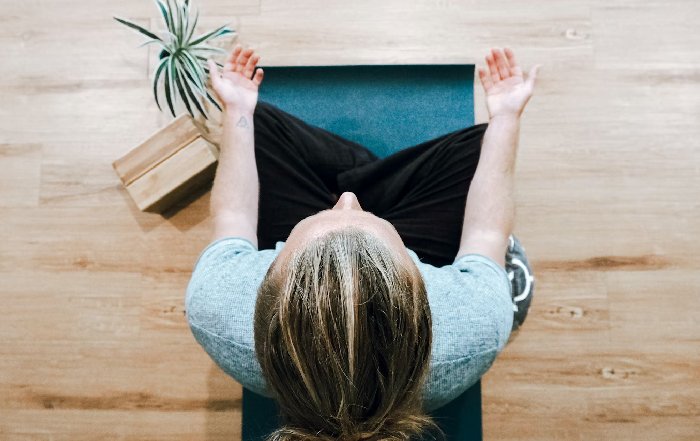
One foundational approach is the brief, guided breathing practice used at the start or end of meetings, training sessions, or pre-game huddles. This may involve two to five minutes of focused attention on the breath, often led by a coach, team captain, or trained facilitator. Organizations inspired by resources from Headspace or Calm adapt these scripts, emphasizing nonjudgmental awareness of thoughts and sensations while returning gently to breathing. Over time, such micro-practices condition teams to associate gatherings with clarity and presence rather than urgency and distraction.
A second category involves body-based mindfulness, such as short body scans or mindful stretching, which is particularly relevant for athletic squads and physically demanding roles. These practices, informed by guidelines from the Mayo Clinic and Cleveland Clinic, help individuals tune into early signals of fatigue, tension, or overtraining, enabling more intelligent load management and injury prevention. For global teams that follow SportyFusion's fitness and lifestyle sections, integrating mindful movement into warm-ups, cooldowns, or mid-day breaks is an accessible entry point that does not require specialized equipment or extensive training.
A third, more advanced layer includes compassion-based and interpersonal practices. These might involve short reflections on shared goals, gratitude for teammates, or brief "listening rounds" in which each person speaks while others practice attentive, non-interrupting presence. Such approaches, supported by frameworks from Greater Good Science Center at UC Berkeley, have been shown to strengthen trust, reduce social friction, and foster inclusive cultures, particularly in diverse, cross-border teams spanning Europe, Asia, Africa, and North America.
Scientific Foundations and the Credibility Imperative
For mindfulness to be taken seriously in boardrooms, locker rooms, and remote teams, it must be grounded in credible evidence rather than vague promises. Over the last decade, a robust research base has emerged, and by 2026, leaders have access to meta-analyses and systematic reviews rather than isolated case studies. The National Health Service (NHS) in the United Kingdom acknowledges mindfulness-based interventions as supportive tools for stress and mild depression, while academic centers such as the Oxford Mindfulness Foundation and Brown University's Mindfulness Center have contributed to standardized training and ethical guidelines.
From a neurological perspective, studies reported by Harvard Health Publishing and Stanford Medicine indicate that regular mindfulness practice can alter brain regions associated with attention, emotion regulation, and self-referential processing, including the prefrontal cortex and amygdala. In practical terms, this means that teams trained in mindfulness are better positioned to maintain focus under pressure, recover more quickly from setbacks, and resist unproductive rumination after mistakes. For high-stakes environments such as professional sports, financial trading, emergency response, or cybersecurity operations, these capabilities translate directly into performance and risk mitigation.
At the same time, responsible organizations recognize the limitations of the research and the importance of ethical implementation. Not every individual responds positively to contemplative practices, and for some, especially those with unresolved trauma or severe mental health conditions, meditation may require clinical oversight. Leading employers and sports organizations therefore align their programs with guidance from bodies such as the World Health Organization and American Psychiatric Association, ensuring that mindfulness complements, rather than replaces, professional mental health support. This commitment to safety and integrity is central to the trust that readers of SportyFusion's ethics section expect from modern performance cultures.
Integrating Mindfulness into Team Rituals and Daily Operations
The most successful implementations do not treat mindfulness as a standalone workshop or a one-off app subscription; instead, they weave it into the fabric of everyday operations. For sports organizations, this might begin with pre-practice centering, mindful visualization before competition, and debrief sessions that encourage players to observe their thoughts and emotions without blame. Professional teams influenced by the practices popularized by Phil Jackson and contemporary performance coaches have refined these rituals, ensuring they respect cultural differences and personal boundaries while still creating a shared mental framework.
In corporate and hybrid work environments, mindfulness is increasingly integrated into meeting culture and communication norms. Teams might adopt a standard practice of one minute of silent breathing before critical decisions, or they may schedule "focus blocks" during which notifications are paused and individuals work in a state of undistracted attention. Resources from MIT Sloan Management Review and McKinsey & Company have highlighted how such practices support deep work, innovation, and reduced cognitive overload, especially in knowledge-intensive sectors such as software engineering, consulting, and research. For readers who track SportyFusion's technology coverage, this alignment between mindfulness and digital discipline is increasingly central to sustainable productivity.
Global teams also face time zone fragmentation and cultural diversity, which can make synchronous practices challenging. In such cases, asynchronous mindfulness prompts, recorded guided sessions, and regionally tailored programs become essential. Organizations with distributed workforces in Canada, India, China, France, and South Africa often provide a curated library of short practices accessible on demand, alongside optional live sessions timed for different regions. This flexibility respects local work patterns and cultural norms, while still reinforcing a shared language around presence, attention, and emotional regulation.
Cultural, Regional, and Sector-Specific Adaptations
Mindfulness is not culturally neutral, and organizations that implement it effectively in 2026 demonstrate sensitivity to regional histories, spiritual traditions, and workplace expectations. In Japan, Thailand, and South Korea, contemplative practices may draw on long-standing Buddhist or Zen-influenced traditions, yet they still need to be framed in ways that align with contemporary corporate cultures and avoid conflating religious identity with professional development. In Scandinavian countries such as Sweden, Norway, Denmark, and Finland, mindfulness often complements existing values of work-life balance, nature connection, and psychological safety, making it easier to integrate into organizational life.
In North America and Western Europe, mindfulness programs are frequently positioned as evidence-based, secular, and performance-oriented, which resonates with competitive sports leagues, financial institutions, and technology firms. However, there is growing recognition of the need to acknowledge and respect the contemplative traditions from which many practices originate, including those in India, China, and Southeast Asia. Responsible organizations and thought leaders, including those featured across SportyFusion's culture and world sections, emphasize transparency about sources and avoid superficial appropriation, thereby strengthening both ethical integrity and employee trust.
Sector-specific adaptation is equally important. In elite sports, mindfulness is tightly coupled with visualization, tactical awareness, and recovery, often guided by performance psychologists and specialists referenced by institutions like The U.S. Olympic & Paralympic Committee. In healthcare and frontline services, mindfulness is framed as a resilience tool that helps professionals maintain compassion without burnout, with resources from Johns Hopkins Medicine and Cleveland Clinic supporting training design. In fast-growing startups and gaming companies, where SportyFusion's gaming audience sees long hours and intense focus, mindfulness can counteract digital fatigue and decision paralysis, provided it is championed by credible internal role models rather than imposed as a superficial perk.
Leadership, Trust, and the Role of Champions
The success of mindfulness and meditation initiatives in team settings depends heavily on leadership behavior. When senior executives, head coaches, and team captains actively participate in practices, share their own learning journeys, and model vulnerability around stress and focus, adoption rates and impact rise significantly. Leaders who treat mindfulness as a strategic capability rather than a wellness add-on send a clear signal that presence, emotional regulation, and thoughtful decision-making are core expectations, not optional extras.
Case studies shared by Harvard Business Review and INSEAD show that organizations where leaders consistently engage in contemplative practices report higher levels of psychological safety, lower turnover, and more constructive conflict resolution. These outcomes are especially relevant in multicultural teams across Europe, Asia-Pacific, and South America, where power distance and communication norms can otherwise inhibit honest dialogue. For readers of SportyFusion's social impact coverage, the link between mindful leadership and inclusive, respectful workplaces has become a defining feature of modern employer brands.
Internal champions also play a crucial role. These may be athletes who credit mindfulness with performance breakthroughs, managers who have completed reputable teacher training programs, or health and safety officers who integrate mindfulness into broader wellbeing strategies. When such champions collaborate with external experts from organizations like Mindfulness-Based Stress Reduction (MBSR) programs or accredited training bodies, they help ensure that practices remain evidence-informed, trauma-sensitive, and responsive to feedback from diverse team members.
Technology, Data, and the Future of Mindful Teams
By 2026, mindfulness in team settings is increasingly supported by technology, but not defined by it. Wearables, biofeedback devices, and performance analytics platforms now offer teams more granular insight into stress, recovery, and cognitive load. Sports teams and high-performance organizations use tools from companies such as Garmin, Whoop, and Oura to correlate subjective mindfulness practices with objective markers like heart rate variability and sleep quality. For readers engaged with SportyFusion's technology and performance content, this convergence of data and contemplative practice offers a more rigorous way to validate impact.
At the same time, leading organizations remain cautious about over-quantifying inner experience. Mindfulness is fundamentally about cultivating awareness and agency, not about optimizing every moment of consciousness for output. Ethical implementation, as discussed by organizations like The Center for Humane Technology, requires clear data governance, consent, and boundaries around monitoring. Teams must know that biometric data will not be used to penalize individuals or intrude into private life, and that participation in mindfulness initiatives remains voluntary, even when strongly encouraged.
Digital platforms also make it easier to scale access. Global enterprises with employees in Canada, Brazil, India, Singapore, New Zealand, and South Africa can provide multilingual, culturally adapted content accessible on mobile devices, integrating it with existing learning management systems. Partnering with reputable providers and academic institutions helps ensure that content is updated, inclusive, and aligned with best practices. As organizations featured on SportyFusion's news pages demonstrate, the most forward-thinking leaders use technology to enable human connection and self-awareness, not to replace it.
Ethical Considerations and the Risk of "Mindfulness Washing"
As mindfulness has entered the mainstream, a parallel risk has emerged: the use of contemplative language to mask unhealthy workloads, toxic cultures, or unsustainable business models. Critics have warned of "mindfulness washing," in which organizations promote meditation apps and workshops while ignoring structural issues such as unfair pay, discrimination, or excessive hours. Readers of SportyFusion's ethics and business sections will recognize this pattern from broader debates around corporate social responsibility and environmental commitments.
Responsible organizations address this risk by explicitly linking mindfulness initiatives to broader well-being, diversity, equity, and sustainability strategies. They measure not only individual stress reduction but also changes in workload management, decision processes, and leadership behavior. They consult employees and athletes in program design, ensuring that practices are not used to pressure individuals into tolerating unreasonable conditions. External frameworks from bodies such as the International Labour Organization and World Economic Forum provide additional guidance on building humane, future-ready workplaces in which mindfulness is a tool for empowerment rather than pacification.
Ethical mindfulness in teams also acknowledges environmental context. For sectors with significant ecological footprints, such as global sports events, travel-intensive businesses, and resource-heavy manufacturing, contemplative practices can deepen awareness of interconnectedness and responsibility. This connection aligns naturally with the themes explored in SportyFusion's environment coverage, where performance is increasingly assessed not only in terms of wins and profits but also in terms of planetary and social impact.
The Role of SportyFusion in Shaping Mindful High-Performance Cultures
As a platform dedicated to the convergence of sport, business, technology, and culture, SportyFusion occupies a unique position in the global conversation about mindfulness and team performance. Its readers span professional athletes, coaches, corporate leaders, HR and learning specialists, entrepreneurs, and performance enthusiasts from North America, Europe, Asia, Africa, and South America, all seeking practical insights grounded in evidence and real-world experience. Through its coverage of sports, business, lifestyle, and training, the platform has consistently highlighted organizations and individuals who treat mental skills and emotional intelligence as non-negotiable components of excellence.
In the years ahead, SportyFusion is well positioned to deepen this role by curating case studies, interviewing leading researchers and practitioners, and showcasing teams that have successfully integrated mindfulness into their cultures without compromising authenticity or ethics. Whether profiling a football club in Spain that uses breathwork to stabilize performance in penalty shootouts, a technology firm in Germany that redesigns its meeting culture around focused attention, or a nonprofit in South Africa that uses mindfulness to support youth development, the platform can translate abstract concepts into actionable models for its global audience. By continuously linking mental skills to tangible outcomes-reduced injury rates, improved decision quality, enhanced creativity, and stronger cohesion-SportyFusion reinforces the message that mindfulness is not a luxury, but a core competency for the 2026 performance landscape.
What's Forward: Mindful Teams in a Complex Future
As the second half of the 2020s unfolds, the environments in which teams operate will likely become even more complex. Climate-related disruptions, rapid advances in artificial intelligence, demographic shifts, and evolving expectations around work and sport will place new cognitive and emotional demands on individuals and groups. In this context, mindfulness and meditation practices in team settings are best understood not as quick fixes, but as foundational disciplines that help people navigate uncertainty with clarity, compassion, and resilience.
Teams that invest in these capacities today are building cultures that can hold tension without fragmentation, innovate without burning out, and compete fiercely without losing their ethical compass. They recognize that human attention is their most precious asset, that trust is their most powerful lubricant, and that presence is their most reliable stabilizer in times of volatility. For the global community connected through SportyFusion's homepage, the invitation is clear: to treat mindfulness not as a trend, but as a long-term practice of aligning inner state with outer ambition, so that performance, health, and integrity can advance together in the years to come.