

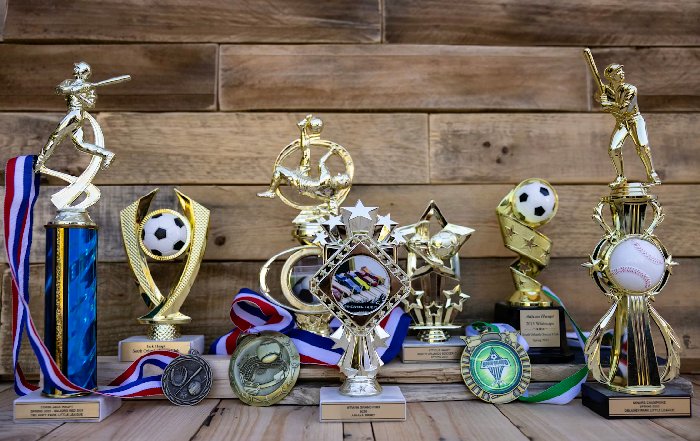
The Preservation of Historic Sports Memorabilia in a Data-Driven, Global Era
Why Preserving Sports Heritage Matters
As live sports, digital media, gaming, and global fan communities converge, the preservation of historic sports memorabilia has become far more than a nostalgic hobby; it is a strategic cultural and business priority. Around the world, from the United States and the United Kingdom to Germany, Japan, Brazil, and South Africa, fans, investors, clubs, and institutions increasingly recognize that jerseys, tickets, equipment, and digital artifacts embody not only athletic excellence but also social change, national identity, and economic value. For SportyFusion and its community, which spans interests from fitness and performance to culture and lifestyle, the question is no longer whether historic sports memorabilia should be preserved, but how to do so in a way that protects authenticity, respects ethics, leverages technology, and unlocks long-term value for both fans and businesses.
The global sports memorabilia market has grown substantially over the past decade, supported by specialized auction houses, grading services, and digital platforms. Organizations such as Sotheby's and Christie's have brought historic jerseys, Olympic medals, and game-worn shoes to mainstream investors, while entities like the International Olympic Committee and the FIFA Museum have elevated sports artifacts to the status of cultural heritage. As the market matures, professional standards of conservation, documentation, and authentication-once the domain of museums and archives-are now essential knowledge for collectors, clubs, brands, and technology providers. Learn more about how cultural heritage institutions approach conservation at UNESCO's heritage resources.
Understanding the Cultural and Economic Value of Memorabilia
Historic sports memorabilia occupies a unique intersection between culture, economics, and identity. A signed cricket bat from India, a rugby jersey from South Africa, or a pair of basketball shoes worn in an NBA Finals game in the United States each carries stories that resonate far beyond the field of play. In Europe and Asia, where football and Olympic sports often reflect political and social histories, preserved artifacts can illuminate shifts in national narratives, gender inclusion, and racial equality. In North America, baseball and American football collectibles frequently trace the evolution of media, sponsorship, and commercialization.
From a business standpoint, sports memorabilia has become an alternative asset class, increasingly discussed alongside fine art and classic cars. Analysts at Deloitte and PwC have highlighted the role of collectibles within the broader sports economy, noting that authenticated, well-documented items can appreciate significantly over time. Interested readers can explore broader sports industry trends through Deloitte's sports business insights. For clubs and leagues, preserving and monetizing their archives-through museums, exhibitions, branded content, and licensing-has become a strategic pillar of fan engagement and revenue diversification.
At the same time, the emotional and social value of memorabilia remains central. For many fans in Canada, Australia, Italy, or Japan, a match-worn shirt or a ticket from a historic final is an anchor for personal memories and community identity. This emotional resonance fuels sustained engagement with teams, athletes, and brands, reinforcing the kind of long-term loyalty that platforms like SportyFusion's lifestyle coverage seek to understand and reflect. The preservation of memorabilia therefore serves both intangible cultural goals and tangible business outcomes, making it a subject that demands expertise, ethical clarity, and technological sophistication.
Materials, Deterioration, and Conservation Science
Effective preservation begins with understanding the materials that constitute sports memorabilia and the ways they deteriorate over time. Jerseys and uniforms are typically made from natural fibers such as cotton and wool in earlier eras, and synthetic fibers like polyester and nylon in modern times. Paper items-programs, tickets, and trading cards-are often printed on acidic stock prone to yellowing and brittleness, while leather equipment such as footballs, gloves, and boots can crack or deform if exposed to fluctuating humidity. In colder climates such as Sweden, Norway, and Finland, the risk may be low humidity and excessive dryness, whereas in tropical regions like Thailand, Malaysia, and Brazil, high humidity and mold present different conservation challenges.
Conservation science, long established in the museum sector, offers proven methodologies that collectors and organizations can adapt. The Smithsonian Institution and the British Museum have published guidance on environmental control, light exposure, and handling that is directly applicable to sports artifacts; guidance on preventive conservation can be explored through resources such as the Smithsonian's Museum Conservation Institute. Stable temperature and humidity, controlled lighting, and archival-quality storage materials are foundational requirements. For instance, a signed football shirt from FC Barcelona or Manchester United should ideally be framed using UV-filtering glass, acid-free mounts, and reversible mounting techniques to avoid long-term damage.
In the world of trading cards and tickets, the condition of paper and ink is paramount, especially for items graded by professional services. Exposure to sunlight, fingerprints, and fluctuating moisture can significantly reduce both aesthetic and market value. The Library of Congress provides widely respected guidelines for preserving paper and photographs, which can be adapted for sports ephemera; learn more about best practices for paper preservation through the Library of Congress preservation resources. As the audience of SportyFusion spans both casual fans and serious collectors, this intersection of material science and sports history is increasingly important for anyone who aspires to maintain or grow the value of their collections.
Authentication, Grading, and the Fight Against Forgeries
The rapid growth of the memorabilia market has inevitably attracted forgeries and misrepresented items, making authentication and grading critical pillars of trust. Professional grading companies and authentication experts use a combination of forensics, provenance research, and market knowledge to determine whether a jersey was truly game-worn by a star player, whether a signature is genuine, or whether a trading card has been altered. In the United States and globally, organizations such as PSA, Beckett, and SGC have become central actors in this ecosystem, and their population reports and grading standards heavily influence prices and liquidity.
The fight against forgery is not only a matter of protecting investors; it also safeguards the historical record. When an item is misattributed to a legendary athlete or event, the narrative surrounding that moment becomes distorted. Legal and regulatory bodies in North America and Europe have prosecuted large-scale forgery rings, underscoring the need for due diligence and professional oversight. Interested readers can explore consumer protection perspectives through entities such as the U.S. Federal Trade Commission or the UK's National Trading Standards, which have documented fraud risks in collectibles and online marketplaces.
For collectors and institutions in Germany, France, Singapore, or South Korea, the complexity of cross-border transactions, shipping, and customs further elevates the need for reliable documentation and third-party verification. Certificates of authenticity, high-resolution photographs, and detailed provenance records-ideally verified by recognized authorities-have become standard expectations for high-value items. On SportyFusion, where readers follow business and brand developments across the global sports economy, the rise of professionalized authentication is a key indicator of market maturity and a driver of institutional confidence.
Digital Transformation: From Archives to NFTs and Beyond
The digital transformation of sports has reshaped the way memorabilia is created, distributed, and preserved. Traditional physical artifacts now coexist with digital collectibles, ranging from officially licensed highlight clips to blockchain-based non-fungible tokens (NFTs). Organizations such as the NBA, LaLiga, and Formula 1 have experimented with digital assets that capture iconic moments, offering fans in Canada, the Netherlands, China, and New Zealand the ability to own verifiable, tradable representations of sporting history. While the speculative frenzy around NFTs has cooled since its peak, the underlying technologies of cryptographic verification and decentralized ownership continue to influence how the industry thinks about provenance and scarcity.
Major technology companies and blockchain platforms have sought to provide infrastructure for these new forms of memorabilia. Dapper Labs, for instance, helped launch NBA Top Shot, while exchanges and marketplaces across North America, Europe, and Asia have integrated sports collectibles into broader digital asset ecosystems. Regulatory scrutiny from bodies such as the U.S. Securities and Exchange Commission and the European Securities and Markets Authority has prompted more cautious, compliance-oriented approaches; readers can explore evolving digital asset regulation through resources like the European Commission's digital finance pages. For the community of SportyFusion, which engages deeply with technology and gaming trends, the convergence of esports, virtual worlds, and digital memorabilia is a particularly important frontier.
At the same time, sports organizations and museums are digitizing their archives at scale, creating high-resolution 3D scans, interactive exhibits, and immersive experiences that bring historic artifacts to life without exposing them to physical risk. Institutions such as the National Baseball Hall of Fame, the FIFA World Football Museum, and the Olympic Museum in Switzerland are investing in digital storytelling that can reach fans in Africa, Asia, and South America without geographic barriers. Learn more about digital cultural heritage approaches through initiatives like Europeana, which aggregates digitized collections from across Europe and illustrates how technology can amplify access while preserving originals. For SportyFusion, which covers world sports developments, these initiatives show how heritage can be globalized responsibly.
Sustainability, Environment, and Ethical Considerations
Preserving historic sports memorabilia also intersects with environmental and ethical considerations, especially as organizations in Europe, North America, and Asia commit to sustainability targets. Modern conservation practices must balance the need for climate-controlled storage and display-often energy-intensive-with broader net-zero commitments. Stadium museums, club archives, and private galleries are increasingly exploring efficient HVAC systems, LED lighting, and low-impact materials, aligning with frameworks promoted by organizations such as the World Green Building Council. Those interested in the environmental dimension of cultural spaces can learn more about sustainable building standards via the World Green Building Council's resources.
Ethically, questions arise around ownership, acquisition, and representation. Some memorabilia may have been removed from their original communities under questionable circumstances, or may represent eras of exclusion or discrimination. International discussions around restitution and responsible collecting, visible in debates managed by UNESCO and the International Council of Museums, are influencing how sports institutions approach their collections. Issues such as the representation of women's sports, para-athletes, and marginalized communities in official archives are increasingly central to curatorial strategies in countries such as the United Kingdom, Australia, and South Africa. Readers interested in ethical frameworks for collections can explore guidance from the International Council of Museums.
For the SportyFusion audience, which follows environmental and ethical issues in sport, this means that preserving memorabilia is no longer simply about locking items in climate-controlled rooms; it is about ensuring that the stories told through those objects are inclusive, honest, and aligned with contemporary values. Clubs and federations must consider whether their collections adequately document the rise of women's football in Europe, the impact of Black athletes in North America, or the growth of esports in Asia, and whether fans from diverse backgrounds feel represented in institutional narratives.
The Role of Clubs, Leagues, and Brands
Professional clubs, leagues, and sports brands have become powerful custodians of historic memorabilia, with responsibilities that extend far beyond commercial exploitation. Major organizations such as Real Madrid, New York Yankees, Bayern Munich, All Blacks Rugby, Tokyo Yakult Swallows, and Cricket Australia maintain extensive archives of jerseys, trophies, documents, and media. These archives support museum exhibitions, brand campaigns, and educational programs, while also serving as internal knowledge resources that inform strategic decisions and corporate storytelling. Readers interested in how global clubs leverage heritage in brand building can explore sports marketing perspectives via Harvard Business Review's coverage of sports brands.
Sportswear and equipment brands such as Nike, Adidas, Puma, and New Balance similarly rely on their historical archives to design retro collections, special collaborations, and limited-edition releases that appeal to fans in markets as varied as Italy, Japan, Brazil, and the United States. These releases often draw on historic logos, colorways, and athlete partnerships, turning archival research into contemporary commercial success. For a brand, the ability to produce accurate, compelling heritage products depends on the quality of its preserved memorabilia and documentation, underscoring the direct link between conservation and revenue.
At the same time, leagues and federations such as the NFL, NBA, Premier League, UEFA, and World Rugby are increasingly formalizing their archival strategies, integrating them into broader digital content plans and fan engagement initiatives. High-quality archives enable the creation of documentary series, data-rich storytelling, and immersive experiences that resonate with global audiences. For SportyFusion, whose readers track sports industry news and brand dynamics, this institutionalization of preservation highlights an important shift: heritage is being treated as a strategic asset, not an afterthought.
Jobs, Skills, and Career Paths in Sports Heritage
As the preservation of historic sports memorabilia becomes more professionalized, it is creating new career paths and skill requirements across regions. In the United States and Canada, sports franchises now hire archivists, collections managers, and digital asset specialists, often with backgrounds in museum studies, information science, or conservation. In Europe, clubs in the United Kingdom, Germany, France, and Spain collaborate with universities and cultural institutions to train specialists who can manage both physical artifacts and digital records. In Asia-Pacific markets such as Japan, South Korea, Singapore, and Australia, growing interest in sports business education has led to specialized modules on heritage management and archival strategy.
These roles require a blend of domain expertise and technical skills. A modern sports archivist must understand conservation science, metadata standards, intellectual property law, and digital asset management systems, while also possessing a deep appreciation of the sport's history and fan culture. Data analytics and AI are increasingly used to catalog, search, and monetize archives, creating opportunities for technologists who can bridge the gap between IT infrastructure and historical interpretation. Those exploring career opportunities in this space can look to resources from organizations like the International Council on Archives or investigate sports-focused roles on platforms such as LinkedIn, where many clubs and leagues now advertise specialized heritage positions.
For the SportyFusion community, which frequently engages with jobs and career content across the sports, technology, and business sectors, sports heritage represents a growing niche that combines passion for athletics with rigorous professional practice. Students in Europe, Asia, and North America who once saw sports solely as a pathway to coaching or marketing can now consider roles in curation, conservation, and archival technology, contributing to the long-term safeguarding of the games they love.
Integrating Memorabilia into Fitness, Lifestyle, and Social Narratives
Historic sports memorabilia does not exist in isolation; it is deeply connected to contemporary fitness trends, lifestyle choices, and social narratives. Vintage training manuals, early running shoes, or pioneering women's sports apparel provide valuable context for today's innovations in performance wear and training methodologies. For example, the evolution from heavy leather football boots to ultra-light synthetic designs reflects broader advances in materials science and biomechanics, while also influencing how athletes in Scandinavia, the United States, or South Africa train and compete. Those interested in the interplay between history and modern performance can explore SportyFusion's training and fitness coverage and fitness insights, where contemporary practices are often rooted in decades of experimentation.
Memorabilia also plays a role in personal identity and lifestyle branding. Collectors in cities like London, Berlin, Toronto, Tokyo, and São Paulo increasingly integrate framed jerseys, vintage posters, and signed equipment into home and office design, signaling their affiliations and values. In this sense, preserved artifacts function as social signals and conversation starters, linking individuals across generations and geographies. Social media platforms such as Instagram, X (formerly Twitter), and TikTok amplify these connections, allowing fans to showcase their collections, discover stories behind obscure items, and participate in global conversations about authenticity and meaning. Learn more about how social platforms shape cultural trends via analyses from organizations like the Pew Research Center.
For SportyFusion, whose readers are deeply engaged with social and cultural dimensions of sport and health and lifestyle, the preservation of memorabilia provides a tangible link between the physical, mental, and social benefits of sport and the stories that inspire participation. A signed marathon bib from an iconic race, a photograph from an early women's football tournament, or a commemorative jersey from a charity match can motivate new generations to pursue active, community-oriented lifestyles.
Building Trust: Transparency, Standards, and Community
Preservation ultimately depends on trust: trust that artifacts are genuine, that stories are accurate, and that custodians act responsibly. In 2026, that trust is built through transparency, shared standards, and active engagement with communities of fans, historians, and experts. Clubs, leagues, and auction houses increasingly publish detailed provenance information, restoration histories, and high-resolution imagery, enabling independent scrutiny and collaborative research. Transparency not only deters fraud but also invites deeper engagement from scholars and enthusiasts in regions as diverse as the Netherlands, Switzerland, China, and New Zealand.
Standard-setting bodies and professional associations in the archival, museum, and conservation fields provide frameworks that the sports industry can adopt or adapt. Institutions such as the International Council on Archives, the International Federation of Library Associations, and national bodies in Europe, Asia, and the Americas have developed best practices for cataloging, storage, and access. Readers can explore archival standards and principles through the International Council on Archives. When sports organizations align with these standards, they signal seriousness and long-term commitment, which in turn attracts partnerships, sponsorships, and philanthropic support.
Community engagement is equally important. Fan-driven initiatives, online forums, and grassroots museums in local communities-from lower-league football clubs in England to cricket associations in India and rugby unions in New Zealand-often preserve artifacts that might otherwise be lost. By collaborating with these communities, major organizations and platforms like SportyFusion can help surface hidden histories and ensure that preservation efforts reflect the full diversity of global sport. For readers who follow SportyFusion's core sports coverage, these collaborations demonstrate how top-tier professional sport and grassroots passion can reinforce one another through shared stewardship of history.
The Road Ahead: A Strategic Imperative for SportyFusion and the Global Sports Ecosystem
Looking ahead, the preservation of historic sports memorabilia will only grow in importance as the sports ecosystem becomes more digital, more global, and more data-driven. In a world where streaming platforms, esports, wearable technology, and AI-powered analytics redefine how fans in Europe, Asia, Africa, and the Americas experience sport, physical and digital artifacts serve as anchors of continuity. They remind stakeholders that every innovation stands on the shoulders of previous generations, whose stories are told through worn jerseys, scuffed balls, faded tickets, and archived video clips.
For SportyFusion, which sits at the intersection of sports, business, technology, and culture, engaging deeply with the preservation of memorabilia is both a responsibility and an opportunity. By highlighting best practices in conservation, exploring advances in digital archiving, analyzing emerging business models, and amplifying ethical and environmental considerations, the platform can help shape a more informed, trustworthy, and inclusive approach to sports heritage. This aligns with the interests of readers who care about performance, health, lifestyle, ethics, and the broader social role of sport.
In 2026, the preservation of historic sports memorabilia is no longer a niche concern for collectors alone; it is a strategic imperative for clubs, leagues, brands, investors, and fans who understand that the future of sport is inseparable from its past. Those who invest in robust, ethical, and technologically sophisticated preservation today will be best positioned to tell compelling stories, build resilient brands, and inspire future generations of athletes and supporters across every continent.