

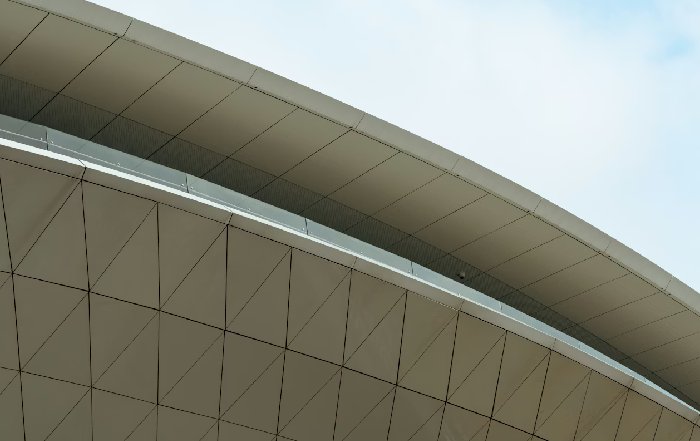
Architectural Marvels of New Stadium Design in 2026
The Stadium as a Global Business, Cultural, and Technological Platform
By 2026, the modern stadium has evolved far beyond its original function as a venue for sport; it has become a multi-layered business asset, an urban catalyst, a laboratory for sustainable innovation, and a powerful symbol of civic identity. Around the world, from the United States and the United Kingdom to Germany, Japan, Brazil, and South Africa, next-generation arenas are redefining how cities think about infrastructure, how brands engage with fans, and how athletes maximize performance. For the global audience that turns to SportyFusion for insight at the intersection of sport, business, technology, and culture, the architectural revolution in stadium design is not a distant trend but a daily reality that shapes how people train, work, socialize, and consume entertainment.
The architectural marvels of new stadium design are driven by converging forces: the demand for immersive fan experiences; the urgency of climate resilience and carbon reduction; the rise of digital platforms and data-driven performance analytics; and the need for mixed-use, year-round economic models that connect directly with evolving patterns in fitness and wellness lifestyles. Architects, engineers, club owners, municipal governments, and technology partners are collaborating in ways that blur traditional boundaries between sports, business, culture, and urban planning, and in doing so they are creating some of the most complex and influential buildings on the planet.
From Monuments to Mixed-Use Ecosystems
The old paradigm of the stadium as a monumental but largely isolated structure is giving way to an ecosystem mentality, where the arena is conceived as a mixed-use urban neighborhood that operates seven days a week and supports jobs, hospitality, retail, and community services. This shift can be seen in projects such as SoFi Stadium in Los Angeles and Tottenham Hotspur Stadium in London, both of which integrate extensive commercial, entertainment, and hospitality components into their master plans. Contemporary design practice, as chronicled by organizations such as the Royal Institute of British Architects, increasingly emphasizes stadiums as anchors for long-term urban regeneration rather than as single-purpose venues that sit dormant outside match days.
For cities in North America, Europe, and Asia, this mixed-use approach has significant implications for business strategy and employment. Around a modern stadium, developers are building hotels, co-working spaces, training centers, esports arenas, and wellness clinics, creating new career paths that extend far beyond traditional event operations. Readers following business and job trends in sport will recognize that new stadium districts in places like the United States, Germany, and Singapore have become test beds for hospitality innovation, food technology, event logistics, and digital media production, providing a more resilient revenue base than ticket sales alone.
The Sustainability Imperative and Climate-Responsive Design
Perhaps the most transformative pressure on new stadium design in 2026 comes from sustainability and climate resilience. As governing bodies such as FIFA, World Rugby, and the International Olympic Committee align with global climate goals, stadium projects are now expected to meet rigorous environmental standards, reduce lifecycle emissions, and adapt to more extreme weather patterns. The International Energy Agency's guidance on energy-efficient buildings has become a reference point for engineers and developers who must balance the energy demands of lighting, cooling, and digital infrastructure with ambitious carbon reduction targets.
Architectural responses range from photovoltaic roofs and on-site battery storage to advanced natural ventilation strategies and water-harvesting systems. The Allianz Arena in Munich and Johan Cruijff ArenA in Amsterdam, for example, have been widely discussed by organizations such as the World Green Building Council for their integration of renewable energy and circular resource management. In hot climates such as Qatar, the United States' southern states, and parts of Asia, climate-responsive design now includes operable roofs, dynamic shading, and high-performance façades that reduce cooling loads while maintaining spectator comfort.
For environmentally conscious readers who track developments in sports and sustainability, the latest stadiums in Europe and Asia are becoming showcases for green innovation that extends well beyond sport. Technologies piloted in major arenas-such as smart grids, low-carbon concrete, and high-efficiency HVAC systems-often find their way into wider commercial real estate markets, reinforcing the stadium's role as a strategic lever in sustainable urban transformation.
Human-Centered Fan Experience and Immersive Design
While sustainability and economics drive many decisions, the emotional core of stadium architecture remains the fan experience. In 2026, new stadiums are conceived from the inside out, with designers using behavioral research, digital simulation, and data from platforms like ESPN and FiveThirtyEight to understand how spectators move, interact, and consume content. Bowl geometry, sightlines, and acoustics are meticulously tuned to amplify atmosphere, while concourses, social spaces, and hospitality areas are curated to support a spectrum of experiences, from premium corporate suites to safe standing terraces for ultras.
The influence of global fan cultures-from the Premier League in the United Kingdom to the Bundesliga in Germany, the NFL in the United States, and football leagues in Brazil and South Africa-has led to stadiums that prioritize authenticity, proximity to the pitch, and a sense of shared ritual. Organizations such as Populous, HOK, and Herzog & de Meuron have become synonymous with this kind of human-centered sports architecture, and their work is frequently profiled by design platforms like Dezeen and ArchDaily, which highlight how subtle changes in rake, roof form, and circulation can transform the emotional intensity of a matchday.
For SportyFusion readers who explore the links between culture and sport, this focus on experience design underscores a broader trend: the stadium is no longer just a place to watch; it is a place to belong. New arenas in the United States, France, and Japan are embedding local art, food, and music into their architecture, ensuring that visiting the stadium feels like entering a curated microcosm of the city's identity, rather than a generic, globalized venue.
Digital Infrastructure, Smart Stadiums, and Data-Driven Operations
The digital transformation of stadiums has accelerated dramatically by 2026, mirroring broader shifts in global technology adoption and fan behavior. Ultra-high-density Wi-Fi, 5G connectivity, and edge computing now underpin a new class of "smart stadiums" where ticketing, security, concessions, and content delivery are orchestrated through integrated digital platforms. Technology leaders such as Cisco, IBM, and Microsoft have partnered with clubs and venue operators to deliver real-time analytics that optimize everything from staffing levels to energy consumption, while fans expect seamless mobile access to tickets, seat upgrades, and personalized content.
Industry bodies such as Sports Innovation Lab and MIT Sloan Sports Analytics Conference regularly showcase case studies on how advanced analytics and AI are reshaping stadium operations, and business executives follow these developments through sources such as the Harvard Business Review and the World Economic Forum to understand their strategic implications. For example, predictive models can forecast food and beverage demand in specific concourse zones based on opponent, weather, and historical patterns, enabling more efficient inventory and staffing. Security systems increasingly rely on computer vision and biometric verification to manage entry flows and enhance safety, a development that raises important questions about privacy and digital ethics.
For an audience that tracks technology trends in sport, the stadium has become one of the most sophisticated Internet-of-Things environments in any city, rivaling airports and major transport hubs. The convergence of sensors, cameras, and AI allows operators to create more responsive, resilient environments, but it also demands robust governance frameworks to protect fan data, ensure fair access, and avoid bias in automated decision-making systems.
Athlete Performance, Training Ecosystems, and Sports Science Integration
Contemporary stadiums are no longer designed solely around the spectator; they are integrated performance ecosystems that support athletes' physical and psychological needs from arrival to recovery. Behind the public bowl, architects and performance consultants collaborate to create training centers, altitude rooms, cryotherapy suites, and biomechanics labs that rival standalone high-performance institutes. Clubs in the United States, the United Kingdom, Germany, and Japan increasingly co-locate their academies, first-team training grounds, and medical facilities within or adjacent to the main stadium precinct, enabling seamless data flows and consistent performance environments.
Organizations such as the Australian Institute of Sport, Aspetar Orthopaedic and Sports Medicine Hospital, and the U.S. Olympic & Paralympic Committee regularly publish research on high-performance environments, and their findings influence how new venues are structured to reduce travel fatigue, streamline warm-up routines, and support rapid post-match recovery. Sports science journals and platforms like ScienceDirect and BMJ Sports & Exercise Medicine provide evidence-based insights into how architecture can affect injury rates, sleep quality, and psychological readiness.
For readers who follow training and performance content on SportyFusion, the integration of sports science into stadium design illustrates a critical point: architecture is now an active variable in performance optimization, not just a backdrop. From carefully calibrated locker room lighting that supports circadian rhythms to acoustically treated recovery spaces that shield athletes from crowd noise after intense fixtures, every design decision is evaluated for its impact on marginal gains, particularly in elite competitions across Europe, Asia, and North America.
The Rise of Esports Arenas and Hybrid Gaming Venues
The global growth of esports has created a new frontier for stadium architecture, and by 2026 dedicated gaming arenas and hybrid sports-gaming venues have become mainstream in markets such as South Korea, China, the United States, and Europe. Unlike traditional stadiums, esports venues must prioritize sightlines to digital screens rather than physical playing fields, manage complex broadcast and streaming requirements, and create flexible seating configurations that can adapt to different game formats and event scales. Companies like Riot Games, Tencent, and BLAST have invested heavily in purpose-built venues, often in partnership with experienced sports architects and technology integrators.
Media platforms such as The Esports Observer and GamesIndustry.biz document how these new arenas are reshaping youth culture, sponsorship models, and media rights structures. For SportyFusion readers who explore gaming's intersection with sport, the architectural evolution of esports venues demonstrates how digital-native experiences are influencing physical design. Many new multi-use stadiums now incorporate dedicated gaming lounges, VR zones, and broadcast studios, acknowledging that younger fans in markets from Sweden and Norway to Singapore and Brazil expect a seamless blend of physical and digital entertainment.
The convergence of traditional and digital sports under one roof also presents new opportunities for brands and employers, as organizations seek talent that can operate across live events, content production, data analytics, and community management. This reinforces the stadium's emerging role as a hub for creative and technology-driven jobs that appeal to a global, mobile workforce.
Social Impact, Community Access, and Ethical Considerations
As stadiums become more complex and commercially powerful, questions of ethics, equity, and social impact have moved to the center of design and governance debates. Community groups, NGOs, and academic institutions increasingly scrutinize how stadium developments affect housing, public space, and local businesses, particularly in dense urban areas of Europe, North America, and Asia. The Centre for Sport and Human Rights and organizations like Amnesty International have highlighted the risks of displacement, labor exploitation, and opaque governance in major sports infrastructure projects, prompting more rigorous due diligence and stakeholder engagement.
In response, forward-thinking clubs and municipalities are experimenting with inclusive design strategies that prioritize accessibility, community programming, and transparent procurement. Many new venues now incorporate public parks, education facilities, and health clinics that remain open regardless of event schedules, supported by partnerships with local authorities and healthcare providers. For readers who engage with social and ethical dimensions of sport, these developments underscore the importance of embedding human rights principles and community benefit agreements into the earliest stages of stadium planning.
Academic research from institutions such as the London School of Economics, University of Michigan, and ETH Zurich, often shared via platforms like The Conversation, examines both the promises and pitfalls of stadium-led urban regeneration. Their analyses provide valuable frameworks for stakeholders in cities from Italy and Spain to South Africa and Malaysia who wish to harness stadium investment for broad-based social gain rather than narrow commercial advantage.
Brand Architecture, Sponsorship, and Experiential Marketing
Modern stadiums are also powerful brand platforms, where architecture becomes a strategic expression of identity for clubs, sponsors, and host cities. Naming rights deals with corporations such as Allianz, Emirates, Amazon, and Volkswagen are no longer limited to signage; they influence material choices, hospitality concepts, and digital storytelling embedded in the building. Marketing professionals and executives follow these trends through outlets like Forbes SportsMoney and Sports Business Journal, which detail how experiential design can deepen fan loyalty and unlock new revenue streams.
For SportyFusion readers interested in brands and lifestyle, the stadium represents a unique convergence of physical and emotional branding. From curated food halls that showcase local chefs and sustainable supply chains to wellness lounges sponsored by health and fitness companies, every touchpoint is an opportunity to align with evolving consumer values around health, authenticity, and environmental responsibility. As global audiences in Canada, Australia, France, and beyond become more discerning, brands that invest in meaningful, place-specific experiences within stadiums are more likely to build durable connections.
This brand-driven approach also intersects with labor markets and skills development, as operators require professionals who can blend expertise in architecture, hospitality, technology, and storytelling. The result is a dynamic ecosystem of jobs that span event management, content creation, data science, and fan engagement, reinforcing the stadium's position at the heart of the sports business value chain.
Global Case Studies and Regional Innovation Patterns
Although the drivers of innovation are broadly similar worldwide, regional contexts shape how new stadiums are conceived and delivered. In the United States and Canada, where large suburban footprints are common, stadiums often anchor expansive entertainment districts that include retail, residential, and office components, as seen in projects around Mercedes-Benz Stadium in Atlanta and Rogers Place in Edmonton. Urban planners and investors track these developments through resources such as the Urban Land Institute to understand their long-term economic and social impacts.
In Europe, tighter urban fabrics and stronger heritage protections lead to more compact, integrated designs, with clubs in the United Kingdom, Germany, Italy, and Spain often redeveloping historic grounds rather than relocating to new sites. This requires sophisticated engineering solutions to maintain operations during phased construction while preserving the emotional continuity that supporters value. Meanwhile, in Asia-particularly in China, Japan, South Korea, and Singapore-governments and corporations are using stadium projects to showcase national technological capabilities and design leadership, often in conjunction with global events such as the Olympics, World Cups, and regional games.
Emerging markets in Africa and South America, including South Africa, Brazil, and parts of West and East Africa, face distinct challenges and opportunities. Here, the priority is often to create versatile, cost-effective venues that can support multiple sports and community uses, with a strong emphasis on local materials, climate-appropriate design, and training programs that build domestic construction and operations expertise. For readers who follow global sports developments, these regional variations highlight the importance of context-sensitive design and governance, even as global best practices in sustainability, digital infrastructure, and fan experience continue to spread.
How SportyFusion's Audience Lives Inside This New Stadium Era
For the community that gathers around SportyFusion, the architectural transformation of stadiums is not an abstract topic; it touches daily life across fitness routines, cultural experiences, and professional ambitions. Fans and athletes draw inspiration from high-performance environments when designing their own training spaces, a theme that connects directly with insights shared on health and performance and elite training methodologies. Professionals in technology, business, and media see in these venues a preview of how data, AI, and experiential design will shape workplaces and public spaces more broadly, echoing topics explored in the platform's coverage of sports business and careers.
Lifestyle trends-from active commuting to wellness tourism-are also influenced by stadium districts that blend gyms, parks, restaurants, and cultural programming into cohesive, walkable environments. As readers explore lifestyle and social content on SportyFusion, they encounter stories of how stadiums in cities as diverse as Amsterdam, Tokyo, Melbourne, and Cape Town double as community hubs where people run, cycle, attend concerts, and participate in grassroots tournaments. These spaces become laboratories for new forms of social connection and civic pride, reinforcing the idea that sport remains one of the most powerful unifying forces in an increasingly fragmented world.
Looking Ahead: The Next Frontier of Stadium Innovation
By 2026, it is clear that the architectural marvels of new stadium design are only the beginning of a longer transformation. Looking ahead, several trajectories seem particularly significant. First, advances in materials science, including low-carbon concrete, bio-based composites, and adaptive façades, will enable lighter, more flexible structures that can be reconfigured as sports formats and audience expectations evolve. Research disseminated through platforms like Nature and MIT Technology Review suggests that responsive building skins and integrated energy systems will soon allow stadiums to behave more like living organisms than static shells.
Second, the integration of extended reality, holographic displays, and volumetric capture will further blur the line between physical and digital attendance, raising strategic questions about capacity, ticketing, and global fan communities. For a worldwide audience that follows sports news and innovation, this shift will redefine what it means to "be there" at a match in London, Munich, Seoul, or São Paulo, as fans in New Zealand, Norway, or Thailand participate in synchronized, immersive experiences from thousands of kilometers away.
Third, there will be growing emphasis on resilience and adaptability in the face of social, economic, and environmental volatility. Stadiums may increasingly be designed to serve as emergency shelters, logistics hubs, or civic assembly points during crises, leveraging their robust infrastructure and strategic locations. This will reinforce their status as essential urban assets rather than discretionary entertainment facilities, demanding even higher standards of governance, transparency, and community engagement.
For SportyFusion and its global readership, the evolving story of stadium architecture offers a powerful lens through which to understand broader transformations in sport, business, technology, and culture. As cities from the United States and the United Kingdom to Singapore, South Korea, Brazil, and South Africa continue to invest in next-generation venues, the challenge will be to ensure that these architectural marvels are not only visually spectacular and commercially successful but also sustainable, inclusive, and deeply connected to the communities they serve. In that balance lies the true measure of excellence in the stadiums of the future.