

Biodiversity Loss and Adventure Sports: A New Playbook for Performance and Planet
The Changing Landscape of Adventure
By 2026, the global conversation around biodiversity loss has shifted from a distant environmental concern to a central strategic issue for governments, businesses, and the adventure sports community. As scientific assessments from organizations such as the Intergovernmental Science-Policy Platform on Biodiversity and Ecosystem Services (IPBES) highlight accelerating species decline and ecosystem degradation, the mountains, oceans, forests, rivers, and deserts that form the playgrounds of adventure athletes are changing in real time. For a platform like SportyFusion, which connects performance, culture, and responsible innovation, this transformation is not simply a backdrop; it is a defining context that shapes how athletes train, brands operate, and fans engage with sport.
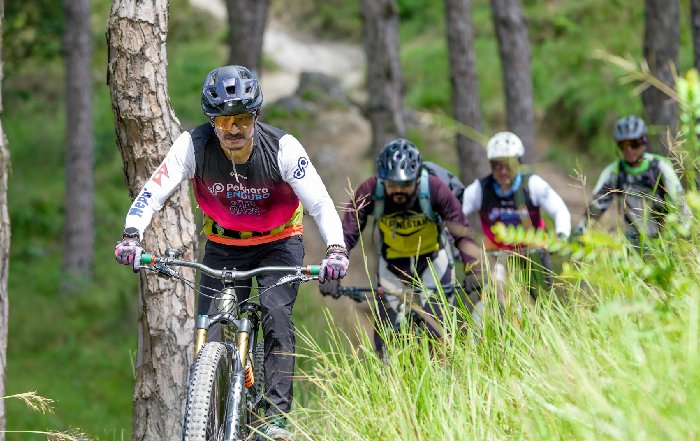
Adventure sports-ranging from trail running, climbing, backcountry skiing, and mountain biking to surfing, diving, and ultra-endurance expeditions-depend directly on healthy ecosystems. The quality of snow, the stability of rock faces, the flow of rivers, the resilience of coral reefs, and the safety of wilderness environments are all linked to the integrity of local biodiversity. As habitats fragment and climate patterns destabilize, the risk profile, accessibility, and ethics of adventure sports are being rewritten. Understanding this intersection is no longer optional for industry leaders, policymakers, and athletes; it is a prerequisite for long-term viability and credibility in the global sports economy. Readers exploring performance and outdoor trends on SportyFusion will increasingly find that the story of adventure is inseparable from the story of ecosystems, from training approaches to broader health and wellbeing perspectives.
What Biodiversity Loss Really Means for Adventure Environments
Biodiversity loss is often described in abstract terms, yet its consequences are concrete for adventure communities across continents. According to analyses from the World Wildlife Fund (WWF) and the United Nations Environment Programme (UNEP), habitat destruction, pollution, climate change, invasive species, and overexploitation are driving unprecedented declines in species populations and ecosystem complexity. For adventure sports, this translates into altered landscapes, less predictable conditions, and degraded natural experiences.
In the Alps, Rockies, and Himalayas, glacial retreat and changing snowpack dynamics are reshaping ski mountaineering routes, ice climbing conditions, and high-altitude trekking seasons. The International Union for Conservation of Nature (IUCN) has warned that alpine ecosystems are particularly vulnerable, with specialized species losing their niches as temperature bands shift upward. The same climatic drivers that erode biodiversity also increase rockfall, avalanches, and unstable permafrost, directly affecting the safety of climbers and high-mountain athletes who once relied on relatively stable terrain. Those who follow global mountain sport coverage on platforms like SportyFusion's world section increasingly encounter stories where route planning and risk assessment now hinge on ecological as much as meteorological data.
Coastal and marine environments tell a similar story. Surfers, divers, and open-water swimmers in regions such as Australia, South Africa, Brazil, and the United States are witnessing coral bleaching, kelp forest decline, and changing marine wildlife patterns that alter wave dynamics, underwater visibility, and safety. Research from NOAA and The Ocean Agency has documented large-scale reef degradation, which not only diminishes marine biodiversity but also weakens natural wave buffers and increases erosion, with cascading effects on iconic surf breaks. For adventure tourism operators in Southeast Asia, the Caribbean, and the Pacific, the loss of charismatic marine species and vibrant reef systems undermines the very experiences that attract visitors and drive local economies.
The New Risk Calculus: Safety, Access, and Performance
Adventure sports have always involved risk, but biodiversity loss and ecosystem instability are reshaping the risk calculus in ways that demand new forms of expertise. Traditional guidebooks and route descriptions, often based on decades of relatively stable conditions, are becoming outdated faster than they can be revised. Rock faces once held together by permafrost are collapsing; river systems long considered reliable for kayaking and rafting are experiencing erratic flows due to altered snowmelt patterns and deforestation upstream.
Safety organizations and mountain rescue teams across Europe and North America, including national alpine clubs and professional guiding associations, report increasing incidents linked to unstable terrain and extreme weather. Data from agencies such as the European Environment Agency (EEA) and the U.S. Geological Survey (USGS) show rising landslide and flood risks in many adventure hotspots, driven by both climate and land-use change. For elite athletes and weekend enthusiasts alike, this requires integrating environmental literacy into training, preparation, and decision-making in ways that go far beyond traditional weather checks.
From a performance standpoint, degraded environments can also affect physiological demands and psychological resilience. Trail runners competing in ultra-distance events in hotter, drier, or more fire-prone landscapes must adapt hydration strategies, pacing, and gear selection. Climbers and skiers facing more volatile conditions must train for greater adaptability and risk perception, aligning their physical conditioning with a deeper understanding of environmental signals. On SportyFusion's performance hub, readers increasingly look for guidance that connects high-level training methodologies with environmental awareness, recognizing that true performance now involves both athletic and ecological intelligence.
Adventure Tourism, Local Economies, and Social Equity
Adventure sports are not only about individual athletes; they sit within complex value chains that include local communities, tourism operators, gear manufacturers, event organizers, and digital media platforms. In regions such as the Himalayas, the Andes, the Alps, and coastal hubs across Southeast Asia and Southern Africa, adventure tourism is a crucial economic pillar. When biodiversity declines and ecosystems degrade, these communities often feel the impact first and most severely.
Reports from the World Bank and the Organisation for Economic Co-operation and Development (OECD) underline how nature-based tourism contributes significantly to GDP and employment, particularly in developing regions. As wildlife populations dwindle and iconic landscapes lose their ecological integrity, visitor numbers can fall, or the quality and safety of experiences can decline, leading to reduced income for guides, porters, hospitality workers, and small businesses. For communities in Nepal, Peru, or Tanzania that rely on trekking, climbing, and safari-based adventure, the erosion of biodiversity is not an abstract environmental issue but a direct threat to livelihoods and social stability.
At the same time, there is a growing awareness of equity and ethics in how adventure sports intersect with conservation. Local and Indigenous communities are often stewards of biodiverse landscapes, yet they may have limited voice in how adventure tourism is developed or regulated. Leading conservation organizations and think tanks such as Conservation International and the World Resources Institute (WRI) emphasize that sustainable adventure models must recognize local rights, share benefits fairly, and integrate traditional ecological knowledge. For a global audience interested in social impact and ethical sport culture, this raises important questions about how athletes, brands, and event organizers can support community-led conservation rather than merely extracting value from fragile ecosystems.
Brands, Gear, and the Sustainability Imperative
By 2026, the outdoor and adventure gear sector has become a test case for whether performance-driven industries can genuinely align with biodiversity protection. Major brands from the United States, Europe, and Asia have made high-profile commitments on climate and sustainability, often referencing frameworks promoted by initiatives such as the Science Based Targets Network and the Ellen MacArthur Foundation. However, biodiversity-focused strategies require more than carbon accounting; they demand a holistic look at materials, supply chains, land use, and end-of-life product management.
Technical fabrics, synthetic insulation, and performance footwear often rely on resource-intensive or petrochemical-based inputs that can contribute to habitat loss and pollution. Forward-thinking companies are investing in recycled and bio-based materials, regenerative agriculture for natural fibers, and circular design models that extend product lifecycles and reduce waste. Business leaders seeking to understand these shifts can explore how global corporations are integrating nature-positive goals into their broader ESG strategies by reviewing guidance from the World Business Council for Sustainable Development (WBCSD) and similar bodies, and then examining how these frameworks are being translated into concrete product lines and marketing narratives.
For SportyFusion, which covers brands and business innovation in sport, the central question is credibility. Athletes and consumers are increasingly discerning, cross-checking brand claims against independent assessments from organizations such as CDP and B Lab. Adventure-focused companies that support protected areas, fund restoration projects, and embed biodiversity considerations into sourcing and design are better positioned to earn long-term trust. Conversely, those that rely on superficial "eco" branding without addressing core impacts risk reputational damage in a market where transparency expectations are rising rapidly.
Technology, Data, and the Future of Responsible Exploration
Technology is transforming how adventure sports intersect with biodiversity, offering both risks and opportunities. On one hand, the proliferation of GPS devices, drones, action cameras, and social media has accelerated the discovery and popularization of previously remote locations, sometimes leading to overcrowding, trail erosion, wildlife disturbance, and cultural tensions. On the other hand, the same digital tools can support responsible route planning, impact monitoring, and real-time decision-making that reduces pressure on sensitive ecosystems.
Global mapping platforms and satellite-based services from organizations such as NASA and the European Space Agency (ESA) provide open data on land cover change, glacier retreat, deforestation, and marine conditions, which can inform safer and more sustainable adventure planning. Mobile applications now integrate topographic information with conservation layers, allowing athletes and guides to avoid critical habitats or breeding areas for endangered species. For readers exploring sport technology and data trends on SportyFusion, the emerging frontier lies in combining performance analytics with environmental intelligence, enabling athletes to optimize routes and training loads while minimizing ecological disturbance.
Artificial intelligence and machine learning are also beginning to play a role in biodiversity monitoring, from automated species recognition in camera trap images to predictive models of ecosystem risk. Adventure organizations and event organizers can tap into these tools, collaborating with universities and research institutions to map the ecological footprint of races, expeditions, and tourism flows. Institutions such as The Nature Conservancy and leading academic centers in the United States, Europe, and Asia are pioneering methodologies that could allow adventure events to become living laboratories for conservation data, turning athletes into partners in science rather than unintentional stressors on fragile landscapes.
Culture, Ethics, and the Narrative of Adventure
Beyond economics and technology, biodiversity loss is reshaping the cultural meaning of adventure. Historically, adventure narratives often celebrated conquest, first ascents, and the "taming" of wild landscapes. In an era of ecological crisis, that narrative is increasingly at odds with public expectations and scientific reality. Today's emerging ethos emphasizes humility, partnership with nature, and respect for ecological limits, aligning with the values of younger athletes and fans who engage with sport as part of a broader lifestyle and identity.
Media platforms, filmmakers, and writers are reframing adventure stories to highlight restoration, stewardship, and community collaboration. Documentaries backed by organizations such as National Geographic and BBC Studios showcase not only the athletic feat but also the ecological context, making biodiversity a central character rather than a silent backdrop. On SportyFusion's culture and lifestyle channels, the most compelling stories are often those where athletes grapple openly with the ethics of travel, the carbon and biodiversity footprint of expeditions, and the tension between personal ambition and planetary boundaries, inviting audiences from the United States to South Africa, from Germany to Japan, to reconsider what responsible adventure looks like.
Ethical frameworks are evolving as well. Codes of conduct developed by climbing and mountaineering federations, surfing associations, and trail running organizations increasingly reference respect for wildlife, avoidance of sensitive habitats, and support for local conservation. Thought leaders in sport ethics and sustainability, including researchers at institutions such as ETH Zurich and University of British Columbia, argue that adventure sports can serve as powerful platforms for environmental citizenship if they embrace clear principles and transparent accountability. For readers interested in the intersection of values, performance, and global responsibility, SportyFusion's ethics coverage offers a space where these debates are unpacked in a practical and business-relevant manner.
Training for a Nature-Constrained Future
As biodiversity loss and climate disruption reshape the physical world, training philosophies for adventure athletes are expanding to include environmental literacy, resilience, and adaptability as core competencies. Traditional periodization models focused solely on physiology are giving way to more holistic frameworks that integrate environmental conditions, mental health, and long-term sustainability of both athlete and ecosystem.
Coaches and sports scientists are incorporating scenario-based training that prepares athletes to respond to sudden weather shifts, route changes due to landslides or closures, and the psychological stress of operating in degraded or unfamiliar environments. Research from organizations such as the American College of Sports Medicine (ACSM) and the British Association of Sport and Exercise Sciences (BASES) highlights the importance of heat adaptation, altitude preparedness, and environmental stress management in a warming and more volatile world. For readers exploring fitness and performance strategies on SportyFusion, there is growing interest in how to maintain high-level performance while aligning training routines with low-impact practices, such as localizing certain sessions, using public transport to trailheads, or supporting facilities powered by renewable energy.
Mental preparation is equally critical. Athletes must learn to reconcile their passion for exploration with the reality of ecological limits, dealing with route closures, restricted access to sensitive areas, or the emotional impact of witnessing environmental degradation in places they love. Sports psychologists and performance coaches are beginning to address "eco-anxiety" and "solastalgia" among outdoor athletes, recognizing that emotional resilience in the face of environmental change is now part of elite preparation. This mental dimension, explored through SportyFusion's lifestyle and health content, is becoming a key differentiator for athletes who wish to compete and explore over long careers without burning out-physically, mentally, or ethically.
Policy, Governance, and the Role of Institutions
The future of adventure sports in a biodiversity-constrained world will also be shaped by policy and governance at local, national, and international levels. Protected area regulations, access rules, permit systems, and conservation funding mechanisms all influence where and how adventure activities can take place. International frameworks such as the Kunming-Montreal Global Biodiversity Framework, negotiated under the Convention on Biological Diversity, set ambitious targets for protecting land and sea areas, restoring degraded ecosystems, and integrating biodiversity into economic decision-making. As governments translate these commitments into national policies, adventure sports stakeholders must engage proactively to ensure that access is managed in ways that support both conservation and responsible recreation.
National park authorities and land management agencies in countries from the United States and Canada to Norway, New Zealand, and South Africa are experimenting with visitor caps, dynamic permitting, and zoning systems that balance ecological sensitivity with recreational demand. These policies can be contentious, particularly in popular climbing, hiking, and surfing destinations where local businesses depend on visitor flows. Constructive dialogue, informed by robust data and transparent impact assessments, is essential to avoid zero-sum conflicts between conservation and adventure communities. Organizations such as the International Union for Conservation of Nature (IUCN) and the International Olympic Committee (IOC), which has expanded its focus on sustainability in sport, provide guidance and platforms for this kind of multi-stakeholder engagement.
For a global readership of athletes, entrepreneurs, and professionals following sport business and policy developments on SportyFusion, understanding these governance dynamics is increasingly important. Decisions made in Geneva, New York, or Beijing can shape the future of trail access in Spain, surf breaks in Australia, or climbing routes in South Africa. Those who anticipate regulatory shifts and align their strategies with emerging biodiversity norms will be better positioned to innovate and lead.
A New Compact Between Adventure and Nature
As biodiversity loss accelerates and ecosystems reach critical thresholds, adventure sports stand at a crossroads. They can either continue to operate as if wild places are infinite and resilient, or they can embrace a new compact with nature that recognizes interdependence and shared vulnerability. The latter path requires experience, expertise, authoritativeness, and trustworthiness across the entire ecosystem of stakeholders-from athletes and coaches to brands, event organizers, policymakers, and media platforms.
For SportyFusion, this moment represents an opportunity to help shape a more responsible and inspiring vision of adventure. By connecting insights from environmental reporting, sports performance, and global news and analysis, the platform can support a community that values both peak experiences and planetary health. The adventure stories that will resonate most deeply in the late 2020s and beyond are likely to be those where athletes demonstrate not only physical excellence but also ecological intelligence, cultural sensitivity, and a commitment to leaving landscapes richer, not poorer, for their presence.
In this evolving landscape, biodiversity is no longer a peripheral concern; it is a central performance variable, a strategic business factor, and a defining ethical horizon. The future of adventure sports will belong to those who can navigate this complexity with clarity and conviction, turning the challenge of biodiversity loss into a catalyst for innovation, collaboration, and a more sustainable relationship between human aspiration and the natural world that makes it possible.