

Cities Redefining Sustainable Performance in 2026
Urban Sustainability as a Strategic Performance Edge
By 2026, the conversation about sustainable cities has shifted decisively from aspiration to execution, and the leading urban centers are now treating sustainability as a core dimension of competitive performance rather than a compliance exercise. For the global community around SportyFusion, which follows developments in fitness, health, technology, business, and lifestyle, this shift is deeply personal, because it is transforming how people train, commute, compete, and build careers around the world.
Urban areas continue to account for more than 70 percent of global CO₂ emissions and host the majority of the world's population, a share that the United Nations still projects will approach 70 percent by 2050. This demographic and environmental reality has made cities the decisive arena for climate action, social wellbeing, and economic resilience. The most forward-looking city governments and their partners in infrastructure, finance, and technology now view climate resilience, clean mobility, circular economies, and inclusive health as strategic assets that shape their ability to attract talent, host world-class events, nurture innovative businesses, and sustain high-performance lifestyles. For a performance-oriented audience, these developments are not abstract policy trends; they are visible in the air quality on a morning run, the safety of cycling routes to work, the design of training facilities, and the availability of green, tech-enabled jobs. As SportyFusion deepens its cross-domain coverage, it is increasingly clear that cities leading the sustainability transition are setting the benchmarks by which global urban performance will be measured.
What a Sustainable City Means in 2026
The definition of a sustainable city has matured substantially since the mid-2010s. Where earlier debates often focused narrowly on emissions per capita or renewable energy targets, the current leading frameworks integrate climate mitigation, climate adaptation, public health, social equity, digital infrastructure, and economic opportunity into a single performance narrative. Organizations such as C40 Cities and the World Resources Institute have helped articulate this integrated vision by demonstrating how investments in low-carbon transport, green buildings, and nature-based solutions can simultaneously reduce emissions, improve air quality, cut healthcare costs, and open new markets for green jobs. Readers can explore how major metropolitan areas are aligning climate and development objectives through the evolving work of C40 Cities.
For the SportyFusion audience, this broader definition is particularly relevant because it connects sustainability directly to lived experience. A sustainable city in 2026 is one where clean air is a daily reality rather than an occasional privilege, where safe cycling networks and walkable streets make active commuting a default choice, where public spaces support everything from casual exercise to elite training, and where digital tools enhance-not replace-human performance and community. It is also a city that commits to net-zero or net-negative carbon pathways, invests in resilient infrastructure capable of withstanding heatwaves, storms, and flooding, ensures reliable access to clean water and healthy food, and creates inclusive opportunities in sectors ranging from green construction and sports technology to health innovation and creative industries. This integrated perspective aligns with how SportyFusion approaches topics across environment, performance, and social impact, emphasizing that sustainability is inseparable from human potential and urban quality of life.
Global Leaders: Evolving Models from Europe to Asia-Pacific
Across Europe, North America, Asia-Pacific, and emerging regions, a growing group of cities now serve as reference points for integrated urban sustainability, each with distinct histories and governance structures but all anchored in clear climate targets and a willingness to experiment. In Europe, Copenhagen, Amsterdam, Oslo, and Stockholm continue to stand out for their aggressive decarbonization roadmaps, extensive cycling and public transport networks, and large-scale investments in renewable energy and district heating. Their approaches are widely analyzed in international work on resilient and green cities by the OECD, which underscores how coherent policy frameworks and long-term political commitment can shift entire urban systems.
In the Asia-Pacific region, Singapore, Seoul, Tokyo, and Sydney illustrate how dense megacities and rapidly growing metropolitan areas can harness digital technology, data analytics, and integrated land-use planning to manage congestion, reduce emissions, and enhance liveability. Meanwhile, Vancouver, Montreal, New York City, and San Francisco in North America have begun to overcome legacies of car-centric design through congestion pricing, transit-oriented development, and large-scale retrofit programs, while cities such as Curitiba, Bogotá, and Cape Town in South America and Africa are adapting earlier innovations in bus rapid transit, water management, and informal settlement upgrading to new climate realities. The World Bank continues to provide valuable insight into how these trajectories are unfolding in emerging economies through its work on sustainable cities and climate change, which is particularly relevant for SportyFusion readers following developments across Global South markets where urbanization and sports participation are both growing rapidly.
Copenhagen: Performance Built into Everyday Mobility
Copenhagen remains a global benchmark for cities that have embedded sustainability and performance into everyday life through deliberate, long-term choices about infrastructure and governance. The Danish capital's ambition to maintain carbon neutrality in the coming decade has been supported by investments in segregated cycle lanes, safe junctions, and regional bicycle superhighways that connect suburbs, business districts, and educational campuses. These networks enable commuters, students, and athletes to integrate moderate to high-intensity physical activity into their daily routines without having to carve out separate training time, effectively turning the city itself into a distributed fitness platform. The European Commission offers further perspective on this transformation through its work on sustainable urban transport.
For the SportyFusion community, Copenhagen illustrates how urban design can create a baseline of physical activity that supports population-level health while also nurturing high-performance cultures in cycling, running, triathlon, and urban outdoor sports. The city's climate-resilient parks, waterfront promenades, and multi-use public spaces double as flood retention basins and social arenas, hosting everything from informal workouts to international competitions. This synergy between resilience infrastructure and active public life has become a point of study for planners and business leaders in the United States, United Kingdom, Germany, and beyond, who see in Copenhagen a model for aligning environmental performance, healthcare cost reduction, and talent attraction in knowledge-intensive industries.
Amsterdam: Circular Economy Meets Active Urban Culture
Amsterdam has consolidated its status as a pioneer of the circular city concept, seeking to decouple economic growth from resource extraction and waste through systemic redesign of materials flows, buildings, logistics, and consumer behavior. Guided by the Doughnut Economics framework, the city has established targets for reducing material use, promoting reuse and repair, and stimulating circular business models in construction, fashion, electronics, and food. The Ellen MacArthur Foundation has documented many of these initiatives in its resources on circular cities, highlighting how Amsterdam leverages collaboration between public authorities, startups, corporates, and universities.
For readers focused on brands, performance, and ethics, Amsterdam's circular strategy is particularly relevant to the sports and active lifestyle sectors. Local and international companies are piloting rental and subscription models for bikes, outdoor gear, and fitness equipment, experimenting with recycled and bio-based materials in apparel, and rethinking event logistics to minimize waste and emissions. The city's compact urban fabric, extensive cycling routes, and emphasis on mixed-use neighborhoods support short-distance mobility and spontaneous physical activity, while its cultural openness attracts creative talent working at the intersection of design, sustainability, and performance. As SportyFusion continues to track innovation in brands and responsible business, Amsterdam's evolution offers a concrete example of how circular principles can reshape entire value chains in sport, fashion, and urban leisure.
Singapore: Smart, Compact, and Resilient by Design
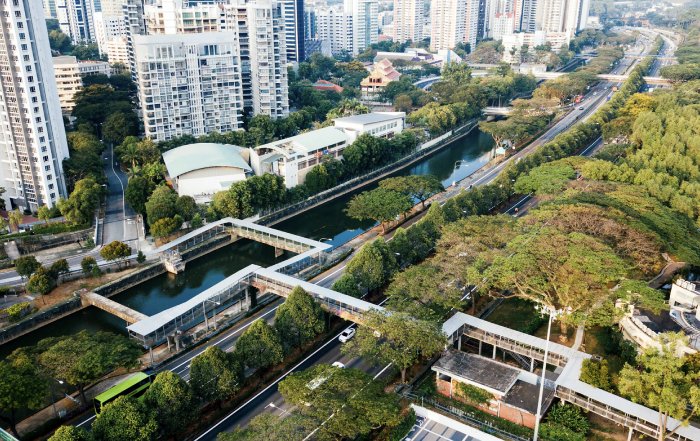
Singapore presents a distinctive model of sustainability grounded in long-term planning, technological sophistication, and a deep concern for resource security. With limited land and no natural freshwater lakes, the city-state has had to treat water, energy, and land use as strategic constraints, leading to integrated policies that link housing, transport, green space, and critical infrastructure. Its "City in Nature" and "City in a Garden" visions have translated into an expanding network of parks, green corridors, and waterfront promenades that make outdoor exercise and recreation accessible in a dense tropical metropolis. The government's Singapore Green Plan 2030 sets out detailed targets for emissions reduction, green finance, nature-based solutions, and low-carbon mobility.
For SportyFusion readers across Asia, Europe, and North America, Singapore is also notable for its use of digital tools to optimize urban systems. Smart grids, real-time traffic management, building performance analytics, and integrated transport payment platforms reduce congestion, improve reliability, and lower emissions, while enabling residents to combine walking, cycling, and public transport in a seamless daily routine. These capabilities have supported the growth of sports-tech and health-tech ecosystems, with startups and global companies testing wearables, performance analytics, and digital coaching solutions in a population that is both tech-savvy and deeply engaged with health and education. Singapore's approach demonstrates how a city can turn resource constraints into a platform for innovation, aligning sustainability, economic competitiveness, and lifestyle quality in a way that speaks directly to the ambitions of a performance-driven global workforce.
North America's Gradual but Strategic Transitions
In North America, many cities are still grappling with legacies of sprawl, car dependence, and aging infrastructure, yet several have made significant progress in reframing these challenges as opportunities for systemic renewal. New York City has advanced building decarbonization through strict energy performance standards, retrofitting requirements, and incentives for electrification, while simultaneously expanding its protected cycling network and preparing to implement congestion pricing to reduce traffic and fund public transit upgrades. The New York City Mayor's Office of Climate & Environmental Justice provides ongoing insight into these efforts through its public climate programs, illustrating how a global megacity can embed sustainability into regulation, finance, and public communication.
Further north, Vancouver continues to pursue 100 percent renewable energy targets and compact, transit-oriented urban growth, protecting access to beaches, forests, and mountain trails that underpin a strong outdoor and endurance sports culture. National frameworks in Canada that prioritize clean technology and building efficiency, as reflected in resources from Natural Resources Canada on energy efficiency in buildings, support this local ambition. For SportyFusion readers in the United States, Canada, and other regions with historically car-centric development, these examples demonstrate that it is possible to retrofit cities to support active mobility, cleaner air, and more resilient communities while maintaining economic dynamism and cultural vibrancy.
Mobility Transitions and the Culture of Everyday Performance
Perhaps the most visible dimension of urban sustainability is the transformation of mobility systems, as cities shift from private car dominance toward integrated networks of public transport, cycling, walking, and micro-mobility. This transition is reshaping the daily rhythms of urban life and redefining what it means to be active, healthy, and high-performing in a city context. Leading urban centers are reallocating road space from cars to people, introducing low- and zero-emission zones, regulating shared scooters and bikes, and investing in integrated ticketing and real-time information systems that make multimodal travel intuitive. The International Transport Forum at the OECD continues to analyze these shifts in its work on sustainable urban mobility, highlighting both successes and persistent barriers.
For SportyFusion, which regularly covers sports, training, and culture, the implications are profound. When cycling and walking become safe, fast, and socially normalized, daily physical activity ceases to be a niche pursuit and becomes a structural feature of urban life. Cities such as Berlin, Paris, and London have expanded bike lanes, widened sidewalks, and introduced lower speed limits, enabling residents to combine commuting with cardiovascular training, while also creating new opportunities for grassroots running clubs, urban outdoor gyms, and pop-up sports events in reclaimed public spaces. At the same time, these changes raise questions about who benefits, how safe and accessible new infrastructure is for women, children, older adults, and people with disabilities, and how to ensure that low-income neighborhoods are not left behind. These equity and ethics questions resonate strongly with SportyFusion readers who are attentive not only to performance metrics but also to fairness, inclusion, and long-term social impact.
Green Buildings, Healthy Interiors, and the Future of Workspaces
Another critical pillar of urban sustainability in 2026 is the transformation of buildings, which are responsible for a large share of energy use and emissions but also serve as the primary environments where people work, study, and often train. International standards such as LEED, BREEAM, and WELL have helped institutionalize best practices in energy efficiency, ventilation, daylighting, and material health, while many cities in the United States, United Kingdom, Germany, Singapore, and elsewhere now require deep retrofits and low-carbon heating and cooling systems for existing building stock. The World Green Building Council has synthesized global evidence on how high-performance buildings contribute to climate goals and occupant wellbeing in its work on health and wellbeing in green buildings.
For professionals in sports, technology, and business, these developments are changing the expectations placed on offices, training centers, arenas, and mixed-use complexes. Organizations competing for talent in markets such as the United States, United Kingdom, Germany, Canada, Australia, and Singapore increasingly view sustainable, health-oriented workplaces as strategic assets, integrating flexible layouts, biophilic design, on-site fitness spaces, active staircases, and access to terraces and rooftop tracks into their real estate strategies. As hybrid and remote work models stabilize after the disruptions of the early 2020s, high-performing teams often choose to come together in spaces that support both cognitive focus and physical wellbeing. SportyFusion's coverage of jobs and careers reflects this shift, highlighting how candidates in sectors from sports analytics and gaming to green finance and urban innovation are using workplace sustainability and wellness credentials as key decision factors when evaluating employers and cities.
Digital Innovation, Data, and the Ethics of Smart Urbanism
Digital technology has become an indispensable enabler of sustainable urban performance, providing the data, analytics, and communication tools needed to manage complex systems in real time. Cities such as Barcelona, Seoul, Stockholm, and Dubai have developed extensive sensor networks, open data portals, and urban digital twins that allow planners and operators to simulate infrastructure scenarios, optimize traffic flows, monitor air quality, and coordinate emergency responses. The World Economic Forum has profiled many of these initiatives through its program on smart cities and urban transformation, emphasizing that digitalization can accelerate progress toward climate and resilience goals when combined with robust governance.
For a SportyFusion audience that is highly engaged with technology, gaming, wearables, and performance analytics, this convergence between smart cities and high-performance sport is particularly striking. The same machine learning techniques used to optimize training loads and injury prevention are now being applied to energy management, public transport scheduling, and crowd safety at major events. Yet the rise of data-driven urbanism also raises significant ethical questions about privacy, surveillance, algorithmic bias, and digital exclusion. These issues are central to the platform's explorations of ethics and social impact, because they shape the trust that residents place in city authorities, technology providers, and event organizers. Leading cities in 2026 are therefore not only early adopters of digital tools but also experimental spaces for new governance models that seek to balance innovation and rights, transparency and security, personalization and collective benefit.
Social Equity, Health, and Inclusive Urban Futures
One of the most important evolutions in urban sustainability over the past few years has been the explicit integration of social equity and health outcomes into climate and infrastructure strategies. Cities have learned that initiatives framed purely around carbon metrics or technological sophistication can deepen existing inequalities if they do not account for historical patterns of disinvestment, displacement, and discrimination. In response, metropolitan areas such as Los Angeles, London, Cape Town, and Toronto are using health and equity impact assessments to guide decisions on transport investments, housing policy, green space allocation, and the siting of sports and recreation facilities. The World Health Organization provides a global lens on these efforts through its work on healthy cities, which emphasizes the importance of safe streets, clean air, social cohesion, and access to physical activity for all residents.
For the worldwide SportyFusion community, spanning the United States, United Kingdom, Germany, Canada, Australia, France, Italy, Spain, the Netherlands, Switzerland, China, Sweden, Norway, Singapore, Denmark, South Korea, Japan, Thailand, Finland, South Africa, Brazil, Malaysia, New Zealand, and regions across Europe, Asia, Africa, North America, and South America, this focus on equity is essential to the legitimacy and long-term resilience of sustainability agendas. Inclusive cities ensure that the benefits of green infrastructure, active mobility, and healthy environments are not confined to affluent neighborhoods or central business districts but extend to suburbs, informal settlements, and historically marginalized communities. This inclusiveness strengthens local sports ecosystems, broadens talent pipelines, and creates more diverse, resilient fan bases and consumer markets. It also aligns closely with SportyFusion's coverage of world affairs, news, and culture, which highlights how questions of justice, representation, and participation intersect with climate action, urban design, and performance culture.
The Road Ahead: Partnership, Accountability, and Urban Performance
As cities worldwide accelerate their sustainability transitions in 2026, the next phase will be defined not only by technological innovation and ambitious targets but by the quality of partnerships and the rigor of accountability mechanisms. Municipal governments, national authorities, businesses, sports organizations, technology providers, and civil society groups are increasingly expected to align their strategies with shared climate, resilience, and wellbeing goals, contributing investment and expertise while being transparent about their own environmental and social footprints. The United Nations Environment Programme continues to stress the importance of such multi-stakeholder collaboration in its work on sustainable cities and communities, underscoring that no single actor can deliver systemic change alone.
For SportyFusion, whose readers navigate interconnected interests in business, environment, performance, training, and lifestyle, this emerging landscape presents both a challenge and an opportunity. The challenge lies in making sense of complex, rapidly evolving policies, technologies, and market signals across diverse regions, from North American and European financial hubs to fast-growing Asian innovation centers and dynamic African and South American cities where urbanization and sports participation are accelerating in parallel. The opportunity lies in leveraging the platform's commitment to Experience, Expertise, Authoritativeness, and Trustworthiness to curate and interpret these developments, highlight credible best practices, question superficial claims, and offer nuanced insight into how sustainability is reshaping decisions about where to live, invest, train, compete, and build careers.
In 2026, cities at the forefront of sustainability are not simply reducing emissions; they are redefining what high performance means at an urban scale, weaving together climate resilience, inclusive health, digital innovation, cultural vibrancy, and economic opportunity into a new model of competitive advantage. They are becoming places where the boundaries between training and commuting, leisure and work, local and global, physical and digital are increasingly fluid, and where the pursuit of excellence in sport, business, and creativity depends on the quality of the urban environment itself. As these cities continue to experiment, measure, and adapt, SportyFusion will remain dedicated to examining how these transformations affect the intertwined worlds of sport, fitness, technology, business, and everyday life. Readers looking to follow these developments across domains can explore the evolving coverage on SportyFusion's homepage, where the intersection of sustainability, performance, and urban futures will remain a defining theme in the years ahead.