

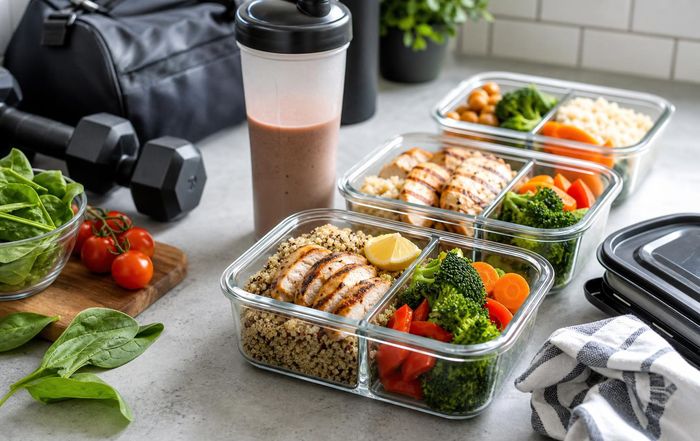
Healthy Meal Prep for Athletes with Busy Schedules
For athletes who juggle training, work, studies, family, and social life, nutrition is often the first thing to slip. Missed meals, random snacks, and late-night takeaways can quietly undo hours of hard work in the gym or on the field. Meal prep is one of the most practical ways to protect performance when life is hectic, but it needs to be realistic, not a full-time job in the kitchen. This tasty feature focuses on how time-pressed athletes can design, cook, and sustain a meal-prep routine that supports performance without adding more stress.
What Performance Nutrition Actually Needs to Cover
Before planning containers and cooking days, it helps to understand what a weekly eating pattern should achieve for an active person. Sports nutrition guidelines from organizations like the International Olympic Committee and American College of Sports Medicine emphasize a few consistent themes: enough total energy, adequate carbohydrates for training, sufficient protein to support muscle repair, healthy fats, and micronutrients for long-term health and recovery.
For most field, court, and endurance athletes training several times per week, daily carbohydrate intake often falls somewhere between moderate and high, depending on training load. Carbohydrates from whole grains, fruit, starchy vegetables, and legumes help maintain glycogen stores, which underpin repeated high-intensity efforts and longer sessions. Protein recommendations usually land in the range of roughly 1.4-2.0 g per kilogram of body mass per day, divided across meals and snacks, to support muscle maintenance and adaptation. Healthy fats from foods like olive oil, nuts, seeds, and oily fish contribute to hormone function, joint health, and energy, especially on lower-intensity days.
Micronutrients such as iron, calcium, vitamin D, and several B vitamins are particularly important for athletes, especially those in heavy training or with restricted diets. Official bodies like the World Health Organization and National Institutes of Health publish reference intakes, but athletes may have higher needs for some nutrients, and individual circumstances (for example, female endurance runners at risk of low iron) matter. Meal prep cannot guarantee perfect intake, but it makes it far more likely that an athlete will consistently eat vegetables, fruits, and whole foods that cover most bases, rather than defaulting to whatever is nearest after practice. For readers wanting to connect these principles to their daily routines, SportyFusion's sections on health and performance offer broader context on how diet interacts with training and recovery.
Why Meal Prep Matters More When You're Busy
A common misconception is that meal prep is for bodybuilders or people with rigid diets. In reality, the busier an athlete is, the more meal prep functions as a safety net. Time pressure tends to push people toward ultra-processed foods, irregular meal timing, and under-fueling, all of which can erode performance, recovery, and mood. Research summarized by organizations such as Sports Dietitians Australia and UK Sport indicates that chronic low energy intake can impair hormonal function, bone health, and training adaptations, even when it is unintentional.
Prepared meals and snacks reduce decision fatigue. Instead of asking "What should I eat?" when hungry and rushed, the choice is simply which pre-made option to grab. This matters during packed workdays, tournaments with tight turnarounds, or travel days where food options are limited. For student-athletes or working professionals, having a lunch and two snacks prepped can be the difference between steady energy and a mid-afternoon crash. Meal prep also tends to improve portion awareness: seeing a week's worth of food laid out helps athletes recognize whether they are chronically under- or over-eating relative to their training load.
Time efficiency is another advantage. Batch-cooking grains, proteins, and vegetables once or twice a week typically takes less total time than cooking from scratch every day. It can also save money, as buying ingredients in bulk and using them across several meals is usually cheaper than repeated convenience purchases. From a lifestyle perspective, effective meal prep frees evenings for recovery, sleep, or social time instead of last-minute cooking, aligning with broader active-living themes that many readers explore in SportyFusion's lifestyle and training coverage.
Building a Simple Performance Plate Template
Busy athletes benefit from a basic "plate model" that can be repeated and adapted quickly rather than trying to follow dozens of recipes. Many sports dietitians use a performance plate approach, similar to guidance from USA Cycling, World Athletics, and other federations, where the relative portions of carbohydrates, protein, and vegetables change with training load.
On heavy training or competition days, a typical plate might be half carbohydrate-rich foods, a quarter protein, and a quarter vegetables or fruit. For moderate days, the balance may shift closer to one third each, while low-intensity or rest days may emphasize more vegetables and slightly less carbohydrate. Instead of tracking grams at every meal, athletes can think in terms of palm-sized portions of protein, cupped-hand portions of carbohydrates, and fist-sized servings of vegetables, an approach similar to methods advocated by organizations like Precision Nutrition.
This template makes meal prep more straightforward. Athletes can choose one or two carbohydrate sources (for example, rice and sweet potatoes), one or two proteins (such as chicken and lentils), and a couple of vegetable mixes, then assemble plates that roughly match their training day. Snacks can follow the same logic: pairing a carbohydrate with a bit of protein, such as yogurt and fruit or hummus with whole-grain crackers, supports energy and satiety between sessions. For those interested in how nutrition intersects with broader health topics, SportyFusion's fitness and world sections often explore how different cultures adapt these ideas to local foods and traditions.
Time-Saving Strategies: Prep Once, Eat Often
The biggest barrier for many athletes is the belief that meal prep requires an entire day in the kitchen. In practice, efficient prep relies on planning, multitasking, and smart shortcuts rather than elaborate recipes. Sports nutrition resources from institutions such as the Gatorade Sports Science Institute and Australian Institute of Sport often highlight batch cooking and modular components as key strategies for busy athletes.
One effective approach is to designate one main prep block, often on a rest or lighter training day, and a shorter "top-up" session midweek. During the main block, athletes can cook large batches of versatile staples: a tray or two of roasted vegetables, a pot of whole grains like rice or quinoa, and several portions of a lean protein. While these are in the oven or on the stove, they can also prepare cold items like chopped salad bases, overnight oats, or boiled eggs. The goal is not to finish every meal for the week, but to create building blocks that can be combined in different ways in under 10 minutes.
Multitasking is crucial. For example, while grains simmer, vegetables can be roasting and a protein can be marinating or cooking on the stovetop. Using kitchen tools such as slow cookers, pressure cookers, or air fryers can further compress active cooking time. Many elite athletes and teams, as profiled by outlets like ESPN and BBC Sport, rely on simple, repeatable dishes rather than complex cuisine during heavy competition periods, underscoring that consistency matters more than culinary creativity when time is tight. For everyday athletes, adopting a similar mindset-"good, repeatable, and quick" rather than "perfect and new"-helps meal prep fit sustainably into a busy life.
Designing a One-Week Meal Prep Blueprint
Translating principles into a concrete weekly plan makes them easier to apply. While needs vary by sport, body size, and training schedule, a general blueprint can help athletes customize their own approach. Consider a typical week with four to six training sessions, mix of strength and conditioning, and one competition or intense workout.
The starting point is mapping training intensity across the week: which days are heavy, moderate, or light. Heavy days might include long runs, intense interval sessions, or double practices; these are the days when pre- and post-workout meals need higher carbohydrate content. Moderate days may involve skill work or shorter strength sessions, while light days focus on recovery or mobility. Once this is sketched, athletes can assign meal types. For instance, on heavy days, breakfast and post-training meals should be carbohydrate-rich with moderate protein, while evening meals may be more balanced. On lighter days, plates can shift toward more vegetables and slightly less starch, keeping protein consistent.
During the main prep session, athletes can prepare breakfast bases such as overnight oats in jars, pre-portioned Greek yogurt with frozen berries, or egg muffins with vegetables. For lunches and dinners, they might assemble three or four variations using the same ingredients: rice bowls with chicken and vegetables, pasta with beans and tomato sauce, or grain salads with tuna and mixed vegetables. Snacks like trail mix, cut fruit, and simple wraps can be portioned into containers or bags. This modular system supports variety without requiring unique recipes for every meal, and it aligns well with the performance-plate concept. Readers interested in how such planning interacts with job demands or shift work may also find relevant perspectives in our jobs and business sections, where scheduling and productivity intersect with health behaviors.
Pre- and Post-Workout Meals When Time Is Tight
For performance and recovery, the meals immediately before and after training carry outsized importance. Guidelines from bodies like World Athletics and FIFA emphasize that a pre-training meal should prioritize easily digestible carbohydrates, moderate protein, low to moderate fat, and low fiber in the final hours before intense exercise to minimize gastrointestinal discomfort. When athletes are busy, they often end up training on an empty stomach or grabbing something random on the way, which can compromise session quality.
Meal prep can solve this by standardizing a few reliable options that are always ready. For early-morning sessions, this might mean preparing portable carbohydrate-rich snacks like banana bread made with oats, pre-portioned cereal and milk alternatives, or rice cakes with nut butter and honey. For midday or evening sessions, athletes can pack a pre-training meal such as a rice bowl with lean protein and a small portion of vegetables, or a simple pasta dish, eaten 2-3 hours before exercise. Having these meals prepped reduces the temptation to skip or drastically under-fuel.
Post-workout, the priorities shift to replenishing glycogen and providing protein for muscle repair. Many sports nutrition experts recommend consuming carbohydrates and around 20-40 grams of high-quality protein within a couple of hours after intense exercise, although the exact "window" is more flexible than once thought. Pre-made recovery options such as smoothies (frozen fruit, yogurt or milk, and oats), chicken and rice bowls, or bean-based burritos can be stored in the fridge or freezer and reheated quickly. Organizations like the National Collegiate Athletic Association (NCAA) and Canadian Sport Institute often highlight simple combinations-chocolate milk and a banana, yogurt with granola, or a turkey sandwich-as examples of practical, evidence-informed recovery snacks that busy athletes can replicate with minimal preparation.
Smart Shortcuts: Frozen Foods, Canned Options, and Convenience Items
Many athletes assume that "healthy meal prep" requires everything to be fresh and cooked from scratch. In reality, using strategic convenience foods can dramatically cut prep time while still supporting performance. Public health agencies such as the U.S. Department of Agriculture (USDA) and NHS note that frozen fruits and vegetables often retain nutrients as well as, or in some cases better than, fresh produce that has been transported and stored for long periods. For busy athletes, keeping a mix of frozen vegetables, berries, and pre-cooked grains on hand can transform last-minute meals.
Canned beans, lentils, chickpeas, and fish are also valuable. They provide protein, carbohydrates, fiber, and minerals with almost no preparation beyond rinsing and mixing. When choosing canned items, it is useful to look for options lower in added salt or packed in water or olive oil rather than heavy syrups. Pre-washed salad mixes, microwaveable whole-grain pouches, and rotisserie chicken (where available) are other examples of time-saving ingredients that can form the base of balanced plates. Athletes can then add simple flavor boosts like olive oil, herbs, spices, lemon juice, or yogurt-based sauces.
The key is using convenience to enhance, not replace, whole-food patterns. A freezer stocked with vegetables and fish fillets, a pantry with grains and beans, and a fridge with yogurt and eggs can support quick assembly meals that still align with sports nutrition principles. For those interested in the broader sustainability angle of using frozen and canned foods, SportyFusion's environment and culture sections often explore how food choices intersect with environmental and cultural considerations.
Adapting Meal Prep for Different Sports and Goals
Not all athletes have the same nutritional priorities. A powerlifter, a marathon runner, and a professional gamer each approach energy needs differently, even though all benefit from structured eating. Endurance athletes typically require higher carbohydrate availability around long sessions and races, so their meal prep might emphasize larger portions of grains, potatoes, and fruit, with quick-digesting options for during and after training. Strength and power athletes may focus more on consistent protein intake across the day and slightly higher total energy to support muscle growth, while still including sufficient carbohydrates to fuel intense sessions.
Weight-class and aesthetic-focused sports introduce additional complexity. Combat sports, gymnastics, and some rowing or lightweight categories often involve strict body-mass considerations. Here, meal prep can support more controlled, gradual weight management rather than last-minute drastic cuts, which organizations like World Rowing and the International Judo Federation warn against due to health and performance risks. Pre-portioned meals help athletes monitor energy intake while avoiding the extremes of severe restriction or chaotic eating.
Even in less traditional physical domains like esports, where physical output is lower but cognitive demand and long sitting periods are high, structured nutrition can support focus, mood, and long-term health. High-sugar, high-caffeine snacks and drinks are common in these environments, but meal prep of balanced, lower-glycemic meals and snacks can help stabilize energy and concentration. Readers curious about how nutrition intersects with emerging performance domains can explore SportyFusion's gaming and sports areas for related coverage.
Managing Travel, Tournaments, and Unpredictable Schedules
Travel and multi-day competitions can quickly disrupt even the best meal-prep routine. Flights, long bus rides, hotel food, and irregular start times make it difficult to maintain normal eating patterns. High-performance centers like the United States Olympic & Paralympic Committee and English Institute of Sport often advise athletes to plan "portable nutrition" strategies for such periods, combining pre-packed items with smart choices on the road.
Portable options include shelf-stable foods like nut butter packets, whole-grain crackers, trail mix, protein bars with clear ingredient lists, instant oats, and powdered milk or protein that can be mixed with water or milk on arrival. Athletes can also pack collapsible containers and cutlery to assemble simple meals from supermarket items at their destination, such as pre-washed salad, rotisserie chicken, fruit, and whole-grain bread. When staying in accommodation with at least a microwave and mini-fridge, pre-frozen meals transported in an insulated bag may cover the first day or two until local shopping is possible.
Tournaments with multiple games per day require particular attention to timing and gastrointestinal comfort. Pre-planning between-game snacks like bananas, low-fat sandwiches, or rice cakes, and having them ready in a kit bag, reduces reliance on venue concessions that may offer mostly fried or sugary options. Hydration planning is also essential; organizations such as World Rugby and NBA emphasize individualized hydration strategies, but a simple rule for many athletes is to carry a bottle, sip regularly, and use pre-planned electrolyte drinks in hot or high-intensity conditions. Meal prep in this context is less about full meals and more about ensuring that appropriate, familiar foods are always within reach.
Staying Consistent Without Becoming Rigid
The final challenge is psychological. Many athletes start meal prep with enthusiasm, then abandon it when life gets busy or when they feel constrained by repetitive meals. Long-term success relies on flexibility, self-awareness, and a willingness to adjust rather than quit. Sports psychologists and performance consultants, often profiled by outlets like The New York Times and The Guardian, highlight that rigid perfectionism around food can backfire, increasing stress and sometimes contributing to disordered eating patterns.
A more sustainable mindset treats meal prep as a support tool, not a strict rule. If a week goes off-plan due to travel, exams, or family events, the aim is to re-establish a basic structure-perhaps just breakfasts and post-workout snacks-rather than to "start over" perfectly. Building in small variations, such as rotating sauces, spices, or one different ingredient each week, helps reduce boredom without requiring completely new recipes. Periodically reviewing whether prep volumes match current training load also prevents under- or over-cooking as schedules change.
For athletes who struggle with consistency, starting with one or two key meals-often workday lunches and post-training snacks-is more realistic than attempting to prep every bite of food. Over time, they can expand or contract their system depending on life demands. Where access is available, consulting a registered sports dietitian through organizations like the Academy of Nutrition and Dietetics or British Dietetic Association can help tailor meal-prep strategies to individual needs, medical conditions, or cultural preferences. As with training plans, the best nutrition routine is one that fits the athlete's real life, evolves with their goals, and supports, rather than competes with, their broader ambitions on and off the field.