

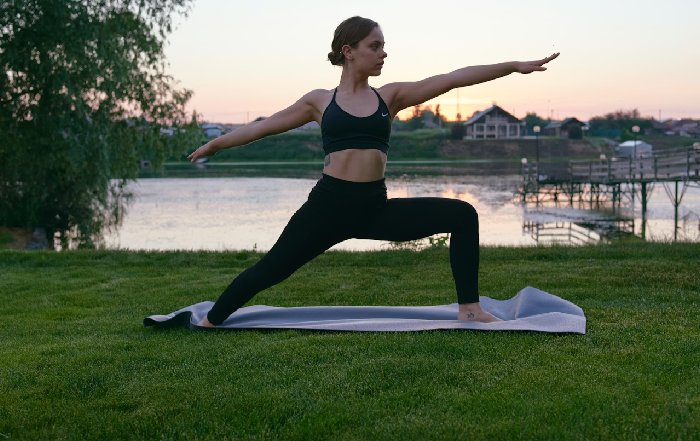
The Integration of Yoga into Professional Training Regimens
A New Performance Standard for the SportyFusion Generation
Yoga has moved decisively from the fringes of wellness culture into the core of elite performance, reshaping how professional athletes, corporate leaders and high-stakes performers across the globe design their daily training. What was once perceived as a supplemental flexibility routine has become a strategic pillar of integrated performance systems, and nowhere is this shift more visible than in the data-driven, results-oriented environments that the audience of SportyFusion.com inhabits. From the National Basketball Association (NBA) in the United States to leading football clubs in Europe, from esports organizations in South Korea to endurance teams in Australia and South Africa, yoga is now treated as a performance technology as much as a spiritual or cultural practice, with measurable impacts on injury rates, recovery quality, mental resilience and long-term career longevity.
For a platform like SportyFusion, which sits at the intersection of fitness innovation, sporting culture and business intelligence, the integration of yoga into professional training regimens is not a lifestyle trend; it is a case study in how evidence-based practices can transform human performance in high-pressure environments. As organizations search for competitive edges that are sustainable, ethical and globally scalable, yoga offers a rare combination of ancient wisdom and modern scientific validation, aligning closely with the site's focus on fitness performance, health, technology and business strategy.
From Niche Practice to High-Performance Infrastructure
The transformation of yoga from a niche wellness pursuit to a mainstream performance tool has been driven by converging forces in sports science, workplace health and digital technology. Over the past decade, research catalogued by organizations such as Harvard Medical School has highlighted yoga's impact on stress modulation, autonomic nervous system balance and musculoskeletal function, encouraging performance directors and medical teams to rethink traditional strength-and-conditioning models. Learn more about how mind-body practices influence the nervous system through resources from Harvard Health Publishing.
At the same time, leading sports bodies including the International Olympic Committee (IOC) have expanded their frameworks for athlete well-being to include mental health, sleep quality and recovery, areas where yoga-based interventions have demonstrated particular value. Readers can explore broader athlete health guidelines via the IOC's official resources. This institutional recognition has shifted yoga from an optional add-on to a structured, periodized component of training calendars, with dedicated blocks allocated to mobility, breathwork and guided relaxation alongside traditional strength, speed and tactical sessions.
For the global audience spanning the United States, Europe, Asia, Africa and South America, this evolution is visible in the way top organizations communicate their performance philosophies. Clubs in the English Premier League, franchises in the National Football League (NFL) and high-performance centers in Germany, Norway and Japan now routinely reference yoga and related modalities in public performance reports, sponsor activations and athlete development narratives. This mainstreaming has also influenced the expectations of ambitious amateurs and corporate professionals, who increasingly view integrated yoga practice as part of a modern, science-aligned training identity, a theme that resonates strongly with SportyFusion's lifestyle and culture coverage.
The Science Behind Performance-Focused Yoga
For a business-oriented and analytically minded audience, the enduring value of yoga in professional training rests on mechanisms that can be explained, measured and optimized. Contemporary sports science has moved beyond generic claims of flexibility to examine how specific yoga protocols affect neuromuscular coordination, fascial health, hormonal balance and cognitive performance. Organizations such as The American College of Sports Medicine (ACSM) have highlighted the importance of mobility, balance and neuromuscular training in injury prevention and performance maintenance, areas where yoga aligns particularly well with evidence-based best practice. Further context on integrated training recommendations can be found through the ACSM's public resources.
One of the most significant developments has been the growing body of research on heart rate variability, stress biomarkers and sleep architecture in athletes who regularly practice yoga and breathwork. Studies published through platforms like PubMed and summarized by institutions such as the Cleveland Clinic have pointed to improvements in parasympathetic activation, reductions in perceived stress and more efficient recovery cycles when yoga-based interventions are integrated consistently into training plans. Professionals interested in the clinical angle can review accessible summaries via the Cleveland Clinic's health library. In practical terms, this means that athletes in high-load environments-such as footballers in congested European fixture schedules or basketball players facing intense travel demands in North America-can use yoga to stabilize their nervous systems, maintain technical precision under fatigue and reduce the cumulative wear that often leads to overuse injuries.
Equally important is the emerging understanding of how yoga influences proprioception and joint stability. Long, controlled isometric holds, combined with mindful movement patterns and targeted breathing, appear to enhance the brain's mapping of joint position and muscular engagement, which is critical for cutting movements in football, landing mechanics in basketball or rotational control in sports like tennis and golf. Organizations such as FIFA and World Rugby have historically promoted structured warm-up and movement-quality programs to reduce injury risk; yoga now often appears as a complementary component in these frameworks. Those interested in broader injury prevention principles can explore the FIFA Medical Network for context on movement-based protective strategies.
Mental Resilience, Focus and Cognitive Load Management
In 2026, the competitive edge is as much psychological as it is physical, and yoga's ascent in professional training is inseparable from its impact on mental resilience and cognitive load management. High-stakes performers-from Premier League goalkeepers and Tour de France cyclists to esports competitors in Seoul and software leaders in Silicon Valley-operate under relentless scrutiny, data tracking and media pressure. The ability to maintain composure, sustain attention and recover quickly from errors has become a critical differentiator, and yoga-based tools such as breath regulation, focused attention and body scanning are being integrated into performance psychology programs worldwide.
Institutions like Stanford University and MIT have contributed significantly to the broader understanding of mindfulness, attention and neuroplasticity, laying the groundwork for evidence-informed mental skills training that blends yoga with cognitive strategies. Readers can deepen their understanding of these links through accessible content from Stanford Medicine's wellness initiatives. In practice, professional teams in Germany, the United Kingdom and Scandinavia now routinely pair yoga sessions with video review and tactical preparation, using the calmer, more focused post-practice state to enhance learning retention and decision-making quality.
This mental dimension is not limited to traditional sports. In the rapidly expanding world of esports and competitive gaming, where reaction times, fine motor control and sustained concentration are mission-critical, yoga has emerged as a counterweight to the sedentary, screen-intensive nature of the work. Organizations in South Korea, Japan and the United States have begun to incorporate short yoga and breathwork blocks into daily scrim schedules, aiming to reduce musculoskeletal strain, eye fatigue and burnout risk. For readers following SportyFusion's gaming and social coverage, this crossover between physical practice and digital competition underscores yoga's relevance beyond traditional athletic categories.
Global Adoption Across Sports, Regions and Performance Cultures
The integration of yoga into professional training regimens has followed different trajectories across regions, reflecting cultural attitudes, infrastructure and competitive structures. In North America, the early adoption by high-profile figures in the NBA, NFL and Major League Baseball (MLB) helped normalize yoga as a legitimate performance tool rather than a purely spiritual or aesthetic pursuit. As performance departments became more data-driven, directors increasingly referenced research from organizations like the National Institutes of Health (NIH) to justify investments in yoga specialists and dedicated recovery spaces. Those interested in the underlying clinical literature can explore the NIH's National Center for Complementary and Integrative Health.
In Europe, particularly in Germany, the Netherlands, the United Kingdom and the Nordic countries, yoga's integration has tended to align with broader holistic health and workplace wellness movements. Clubs and federations often frame yoga as part of a comprehensive human-development model that includes nutrition, sleep, psychology and social support, mirroring the region's emphasis on long-term athlete development and ethical responsibility. This approach resonates with SportyFusion's own focus on ethics and environmental responsibility, as organizations look to reduce the hidden costs of burnout, chronic pain and post-career health decline.
In Asia, particularly in India, Singapore, Japan, South Korea and Thailand, yoga's rise in professional contexts has been shaped by a blend of cultural heritage, technological innovation and government policy. India's promotion of International Day of Yoga through the Ministry of AYUSH has elevated the practice's global visibility, while performance hubs in Singapore and Japan have embraced yoga as part of high-tech, sensor-driven training ecosystems. For a broader view of global health promotion trends, readers may refer to the World Health Organization (WHO) and its resources on physical activity and mental health, accessible via WHO's health topics. In sports such as badminton, table tennis and swimming, where Asian nations are leading forces, yoga is increasingly integrated as a tool for joint longevity, breath control and competition-day composure.
Technology, Data and the Quantification of Yoga
The audience of SportyFusion.com is acutely aware that in 2026, no training intervention is truly mainstream until it is measured, optimized and, to some extent, digitized. The integration of yoga into professional regimens has accelerated dramatically as wearable technology, motion-capture systems and AI-driven analytics have made it possible to quantify what was once considered subjective. Leading technology companies and performance labs now track variables such as heart rate variability, respiration patterns, joint angles and muscle activation during yoga sessions, correlating these data with injury incidence, training readiness and in-competition outputs.
Organizations like WHOOP, Garmin and Polar have expanded their platforms to recognize yoga as a distinct training modality, offering practitioners detailed insights into strain, recovery and sleep quality. Those interested in how wearable tech interprets recovery can explore educational content from WHOOP's performance science hub. Meanwhile, elite training centers in the United States, Germany and Australia are using high-speed cameras and force plates to evaluate how regular yoga practice alters landing mechanics, change-of-direction stability and asymmetry profiles, strengthening the case for yoga as a proactive risk-management investment.
For SportyFusion's technology and performance readers, the most compelling development is the rise of personalized yoga prescriptions generated from integrated performance dashboards. By combining data from GPS tracking, strength tests, subjective wellness surveys and sleep metrics, performance staff can assign specific yoga sequences aimed at restoring particular tissues, down-regulating the nervous system or priming athletes for high-skill sessions. This represents a shift from generic "team yoga" classes to individualized, goal-oriented protocols that align yoga with the same rigor applied to strength training and tactical preparation.
Business, Brand and Talent Implications
Beyond physiological and psychological benefits, the integration of yoga into professional training has become a strategic business and brand consideration. In a global marketplace where organizations compete not only for trophies but also for talent, sponsors and fan loyalty, visible commitment to athlete well-being and sustainable performance is a differentiator. Companies such as Nike, Adidas and Lululemon have invested heavily in yoga-inspired product lines, digital content and partnerships, recognizing that modern consumers associate yoga with balance, resilience and progressive values. Readers can observe this shift in consumer behavior through analyses by firms such as McKinsey & Company, which regularly report on sportswear and wellness market trends via McKinsey's insights.
For clubs, leagues and corporations in the United States, Europe, Asia and beyond, integrating yoga into training and workplace wellness programs signals a commitment to holistic care, which can enhance employer brand perception and talent retention. In sectors as diverse as finance, technology and creative industries, yoga has become a core offering within corporate performance and mental-health programs, particularly in hubs like London, New York, Singapore and Berlin. SportyFusion's business and jobs sections increasingly highlight roles for yoga-literate performance coaches, wellness coordinators and human-capital leaders who understand how to align these programs with organizational metrics such as productivity, absenteeism and healthcare costs.
Sponsorship and media strategies have also adapted. Broadcast partners and streaming platforms now feature behind-the-scenes content of athletes engaging in yoga and recovery routines, reinforcing narratives of professionalism, discipline and self-care. Brands that position themselves at the intersection of technology, sustainability and human performance often integrate yoga imagery and language into campaigns, aligning with the values of younger, globally connected audiences. This convergence of performance practice and brand storytelling makes yoga not only a training asset but also a narrative asset, one that fits naturally into the editorial DNA of SportyFusion's news coverage.
Cultural Sensitivity, Ethics and Authentic Integration
As yoga's presence in professional sport and business expands, questions of cultural sensitivity, authenticity and ethical practice have moved to the forefront. Originating from the Indian subcontinent with deep philosophical and spiritual roots, yoga is more than a set of physical postures, and global organizations are increasingly aware of the risk of reducing it to a commodified performance tool. Thoughtful integration requires respect for origin cultures, acknowledgement of traditional knowledge holders and transparency about how practices are adapted for modern contexts.
For an outlet like SportyFusion, which devotes editorial space to ethics, culture and world perspectives, this dimension is essential. Leading clubs and corporations now consult with experienced teachers and cultural advisors, ensure that their programming language avoids appropriation and create opportunities for education around yoga's philosophical foundations. Institutions such as UNESCO have emphasized respect for intangible cultural heritage, and while yoga itself is not currently listed in all frameworks, the underlying principles of cultural stewardship are increasingly applied. Readers can explore related concepts via UNESCO's work on intangible cultural heritage.
Ethical integration also includes safeguarding participant well-being. As yoga becomes embedded in performance systems, there is a risk that the same pressures that drive overtraining in traditional modalities could distort yoga's intent. Responsible organizations establish clear boundaries around intensity, respect individual limitations and train staff to recognize when restorative practices are more appropriate than demanding physical sequences. This nuance is especially important in youth academies, women's programs and environments where power imbalances may be pronounced, reinforcing the need for governance structures that prioritize long-term health over short-term output.
Practical Models for Integrating Yoga into Professional Systems
In 2026, the most successful implementations of yoga in professional environments share several structural characteristics, even as they adapt to sport-specific and cultural contexts. High-performance organizations tend to embed yoga within a coherent, multidisciplinary framework rather than treating it as an isolated activity. Strength and conditioning coaches, physiotherapists, psychologists and yoga specialists collaborate to design session content that aligns with periodization plans, match calendars and individual health profiles, ensuring that yoga serves clearly defined objectives such as mobility restoration, nervous-system down-regulation or pre-competition focus.
For example, a football club in the Bundesliga might schedule short, targeted mobility and breathwork sessions on the morning after matches, emphasizing gentle spinal rotations, hip openers and guided relaxation to accelerate recovery. A basketball franchise in the United States could integrate balance-focused standing postures and core-stability sequences into pre-practice routines twice a week, using them as both warm-ups and assessment tools for asymmetry. Endurance teams in France, Italy or Australia may favor longer restorative sessions during altitude camps, combining yoga with sleep optimization and nutrition protocols. Readers interested in how such routines align with general training principles will recognize that the most effective programs respect load management, adaptation cycles and individual variability.
Beyond sport, corporate environments in Canada, the United Kingdom, Singapore and the Netherlands are implementing structured yoga offerings within broader health and performance strategies. These may include short, guided desk-friendly sessions delivered via internal platforms, longer in-person classes paired with workshops on sleep, nutrition and digital hygiene, and on-demand content integrated into wellness apps. Organizations that measure outcomes-such as reductions in stress-related leave, improvements in self-reported focus or enhancements in employee engagement-are better positioned to refine their programs and communicate value to stakeholders, aligning with the analytical mindset of SportyFusion's business readership.
The Road Ahead: Yoga as a Strategic Performance Asset
Looking toward the late 2020s, yoga's role in professional training regimens is likely to deepen, becoming more personalized, more data-integrated and more culturally attuned. Advances in motion analysis, biometric monitoring and AI-driven coaching will allow practitioners to receive real-time feedback on alignment, breathing patterns and muscular engagement, further blurring the lines between traditional coaching and digital guidance. At the same time, organizations will face ongoing responsibility to ensure that technological enhancement does not strip yoga of its human and relational dimensions, which are central to its impact on stress, connection and self-awareness.
For SportyFusion's global community-spanning elite athletes, ambitious amateurs, performance leaders, technologists and business decision-makers-the integration of yoga offers a blueprint for how ancient practices and modern science can coexist productively. It demonstrates that performance enhancement need not rely solely on harder training, more data or more aggressive competition; it can also emerge from smarter recovery, deeper self-understanding and more ethical, human-centric systems. As readers navigate the evolving landscapes of sports, health, fitness and global culture, yoga stands out as a unifying thread, connecting physical excellence, mental resilience and long-term sustainability.
In that sense, the story of yoga in 2026 is also the story of SportyFusion's editorial mission: to illuminate how the world's most demanding arenas-stadiums, boardrooms, studios and digital platforms-are being reshaped by practices that honor both performance and humanity. As organizations across North America, Europe, Asia, Africa and South America refine their training paradigms, those that integrate yoga thoughtfully, respectfully and strategically are likely to set the standard for what high performance means in the decades ahead.