

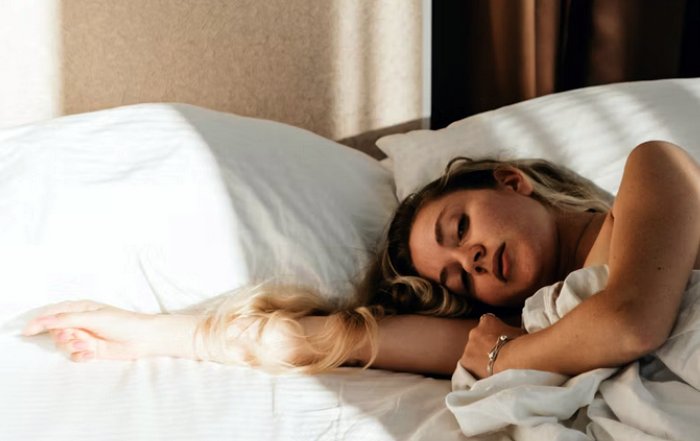
Sleep Quality and Daily Performance in 2026: From Wellness Trend to Strategic Advantage
Sleep as a Core Performance Lever in 2026
By 2026, sleep has firmly transitioned from a neglected biological necessity to a central pillar of performance strategy across sport, business, education, and everyday life. On SportyFusion.com, where readers from North America, Europe, Asia, Africa, and South America converge around fitness, high performance, and modern lifestyle, sleep is no longer treated as a background variable; it is increasingly viewed as the invisible infrastructure that supports physical capacity, cognitive sharpness, emotional stability, and long-term health. The global culture that once glorified late nights, relentless hustle, and minimal rest is gradually being replaced by a more evidence-based understanding that sustainable excellence depends as much on the quality of recovery as on the volume of effort.
Institutions such as Harvard Medical School have repeatedly demonstrated that inadequate or poor-quality sleep undermines attention, reaction time, decision-making, metabolic regulation, and immune function, with consequences that ripple from individual wellbeing to organizational performance and national productivity. Readers can explore how sleep supports brain function and long-term health through resources provided by Harvard Health Publishing. For the diverse audience of SportyFusion, which spans competitive athletes, executives, creators, students, and health-conscious professionals, the implication is clear: in 2026, optimizing sleep is not a "nice-to-have" wellness goal but a non-negotiable foundation for thriving in an increasingly digital, always-on global environment.
The Evolving Science of Sleep and Its Performance Foundations
The scientific understanding of sleep has deepened significantly over the past decade, revealing it as a highly active, orchestrated process rather than passive downtime. Sleep is governed by circadian rhythms, which are synchronized to light and social cues, and by homeostatic pressure, which builds with time awake. Throughout the night, the brain cycles through stages of non-rapid eye movement (NREM) and rapid eye movement (REM) sleep, each contributing distinct benefits to body and mind. The National Sleep Foundation continues to recommend seven to nine hours of sleep for most adults, yet it emphasizes that continuity and architecture of sleep are as critical as total duration; more detailed guidance is available from the National Sleep Foundation.
Deep stages of NREM sleep are now recognized as central to tissue repair, immune resilience, and hormonal balance, processes that underpin strength gains, cardiovascular adaptation, and overall health. REM sleep, by contrast, plays a key role in memory consolidation, emotional processing, and creative problem-solving, enabling individuals to integrate new information and regulate mood. The U.S. Centers for Disease Control and Prevention (CDC) has warned that chronic sleep deprivation increases the risk of obesity, type 2 diabetes, cardiovascular disease, depression, and accidents, underscoring the long-term costs of persistent sleep restriction; further information can be found via the CDC Sleep and Sleep Disorders resources.
For readers across the United States, United Kingdom, Germany, Canada, Australia, France, Italy, Spain, the Netherlands, Switzerland, China, and beyond, these biological mechanisms are shaped by cultural norms, urban design, work schedules, and digital habits. Shift work in logistics and healthcare, late-night gaming sessions, social media use, and cross-time-zone collaboration can fragment sleep or push it into biologically suboptimal windows. As SportyFusion continues to explore the intersection of culture, technology, and performance, it becomes increasingly important to translate this complex science into practical strategies that respect both biological limits and real-world constraints.
Sleep as the "Invisible Training Block" in Sport and Fitness
Within the global sports and fitness ecosystem, sleep has become widely recognized as the "invisible training block" that determines whether the stress of training leads to adaptation or breakdown. Research involving professional, collegiate, and youth athletes has shown that extending sleep duration and improving sleep quality can enhance reaction time, sprint performance, shooting accuracy, and perceived energy, while reducing injury risk and illness. The American Academy of Sleep Medicine has highlighted that even modest sleep restriction can impair motor skills and slow recovery, reinforcing the need to treat sleep as an integral component of periodized training; additional context is available from the AASM.
Elite organizations such as FC Barcelona, Manchester City, and INEOS Grenadiers have invested in sleep coaches, travel fatigue protocols, and individualized sleep plans to manage the demands of congested competition calendars and intercontinental travel across Europe, Asia, and North America. The International Olympic Committee has also emphasized sleep as a core pillar of athlete health and performance in its consensus statements, which can be explored through Olympics.com. These initiatives reflect a broader shift: in 2026, top teams and federations increasingly view sleep data alongside GPS metrics, heart rate variability, and wellness scores when making decisions about training loads and recovery.
For the everyday athletes and fitness enthusiasts who follow SportyFusion's sports and performance coverage, the same principles apply, even if the stakes are different. Poor or irregular sleep can blunt strength gains, slow reaction time, increase perceived exertion, and reduce motivation to train, undermining the returns on carefully designed workout plans. Many readers who track steps, heart rate, and calories still underestimate the extent to which muscle repair, connective tissue adaptation, and immune defense occur during sleep. By reframing bedtime as part of the training schedule rather than a negotiable afterthought, individuals across the United States, Europe, and Asia can unlock more progress from the same volume of exercise.
Cognitive Performance, Strategic Thinking, and Learning Capacity
In an economy increasingly shaped by artificial intelligence, automation, and knowledge-intensive work, cognitive performance has become a decisive competitive factor. Sleep quality is one of the most powerful, yet often underleveraged, determinants of that performance. The World Economic Forum has identified complex problem-solving, critical thinking, creativity, and emotional intelligence as core skills for the future of work, and all are measurably impaired by chronic sleep restriction; readers can explore broader workforce trends via the World Economic Forum platform.
Neuroscience research from institutions such as Stanford University and MIT has shown that sleep supports synaptic plasticity, the brain's ability to strengthen or weaken connections based on experience. During sleep, particularly slow-wave and REM phases, the brain replays and reorganizes recent experiences, consolidating memories and integrating new knowledge into existing frameworks. The National Institutes of Health (NIH) provides accessible overviews of how sleep affects learning and memory on the NIH website. For a software engineer in Germany, a financial analyst in London, a startup founder in Singapore, or a medical student in Canada, this means that trading sleep for extra hours of study or work often leads to lower accuracy, weaker retention, and poorer judgment the next day.
Decision-making under uncertainty, which is central to leadership, entrepreneurship, and high-stakes professions, is particularly sensitive to sleep loss. Sleep-deprived individuals exhibit greater risk-taking, reduced sensitivity to negative feedback, and a tendency to default to habitual responses rather than thoughtful analysis. For readers who follow SportyFusion's business insights, this has direct implications for corporate governance, innovation, and strategic planning. Organizations in finance, aviation, energy, healthcare, and technology increasingly recognize that protecting sleep for key decision-makers is a form of risk management, not a perk.
Mental Health, Emotional Regulation, and Social Dynamics
The relationship between sleep and mental health has become one of the defining public health concerns of the mid-2020s. The World Health Organization (WHO) continues to report rising global rates of anxiety, depression, and stress-related disorders, particularly among younger populations and those facing economic uncertainty or social instability; more context is available through the WHO mental health resources. Sleep disturbances are both a symptom and a driver of many of these conditions, creating feedback loops in which poor sleep exacerbates emotional distress, which in turn makes restorative sleep harder to achieve.
From a performance perspective, sleep deprivation amplifies emotional reactivity, reduces frustration tolerance, and impairs the ability to interpret social cues accurately. These changes influence not only individual wellbeing but also team dynamics and organizational culture. Research published in leading journals such as Nature has shown that sleep-restricted individuals exhibit reduced empathy and diminished capacity for perspective-taking, which can increase conflict and erode trust in workplaces, sports teams, and social groups. For communities engaged with SportyFusion's social and cultural content, understanding sleep as a determinant of interpersonal behavior reframes it from a private health matter into a social performance variable.
Organizations such as the National Alliance on Mental Illness (NAMI) emphasize that improving sleep hygiene-through regular schedules, reduced pre-bed screen exposure, and calming routines-can be a powerful, low-cost intervention for mood and resilience; additional guidance can be found on the NAMI website. As conversations about mental health become more open in the United States, United Kingdom, Germany, Australia, South Africa, Brazil, and elsewhere, integrating sleep education into wellbeing initiatives is emerging as a practical, evidence-based step that employers, schools, and communities can take.
The Quantified Sleep Era: Wearables, Apps, and Smart Environments
The rapid expansion of consumer health technology has ushered in a new era in which sleep is continuously tracked, scored, and optimized. Devices from Apple, Garmin, WHOOP, Oura, and Fitbit monitor sleep duration, stages, heart rate variability, movement, and sometimes even respiration, offering users nightly feedback and behavior nudges. The Sleep Foundation and other independent organizations have evaluated these tools, helping consumers interpret their data and understand limitations; readers can explore such analyses on the Sleep Foundation website.
For the tech-savvy audience that follows SportyFusion's technology coverage, this quantified sleep ecosystem offers both opportunity and challenge. On one hand, longitudinal data can reveal patterns related to training load, travel, caffeine intake, or late-night screen use, empowering users in the United States, Europe, and Asia to make evidence-informed adjustments. On the other hand, an excessive focus on perfect metrics can lead to "orthosomnia," in which anxiety about achieving ideal scores paradoxically disrupts sleep. In 2026, the most sophisticated users and coaches are learning to treat wearable data as a guide rather than a verdict, integrating it with subjective measures of energy, mood, and performance.
Smart home technologies further extend this ecosystem. Connected lighting systems adjust color temperature and brightness across the day to support circadian alignment, while intelligent thermostats and air purifiers help maintain cool, quiet, and clean sleep environments. Companies such as Philips, Dyson, and Google are investing in solutions that blend environmental control with health insights. For readers interested in how lighting and environment influence sleep and alertness, the Lighting Research Center provides in-depth information on human-centric lighting and circadian-friendly design. On SportyFusion, these developments intersect with broader conversations about lifestyle design, digital wellbeing, and ethical use of biometric data.
Global Work Culture, Hybrid Models, and Sleep Inequality
The hybrid and remote work models that expanded rapidly in the early 2020s continue to reshape how people in the United States, United Kingdom, Germany, Canada, Australia, Singapore, and many other countries organize their days and nights. For some, reduced commuting and increased autonomy have enabled better alignment between work hours and natural chronotype, leading to improved sleep. For others, blurred boundaries, extended availability expectations, and late-night video calls across time zones have eroded the distinction between work and rest, pushing sleep into fragmented or irregular patterns.
Sleep has also emerged as an equity issue. Workers in logistics, manufacturing, transportation, and frontline healthcare-who often appear in SportyFusion's jobs and world coverage-frequently have less control over their schedules and environments, making chronic sleep deficits more likely. The International Labour Organization (ILO) has highlighted the health and safety risks associated with night work, long shifts, and unpredictable scheduling, and it provides further analysis on the ILO website. These structural factors contribute to what researchers increasingly describe as "sleep inequality," where socioeconomic status, job type, and housing conditions shape access to restorative rest.
Urbanization adds another layer. In dense cities, noise pollution, light pollution, and overcrowded housing can disrupt sleep, particularly for those in lower-income neighborhoods. As policymakers and urban planners consider how to design healthier cities, sleep-friendly building codes, transport planning, and noise regulations are beginning to enter the conversation. For readers of SportyFusion who follow world and news developments, understanding these macro-level influences helps contextualize individual efforts to improve sleep within broader social and environmental systems.
Sleep, Environment, and Climate: A Planetary Perspective
Sleep quality does not exist in isolation from the planet's changing climate and ecological systems. Rising nighttime temperatures, more frequent heatwaves, and increased air pollution are making restorative sleep harder to achieve in many regions, particularly in parts of Africa, South Asia, and South America where access to air conditioning and high-quality housing is limited. Studies have linked hotter nights to more frequent awakenings, shorter sleep duration, and reduced next-day productivity. The Intergovernmental Panel on Climate Change (IPCC) has documented the broader health impacts of climate change, including those related to heat and urban environments, which can be explored on the IPCC website.
Light pollution is another environmental factor with direct implications for circadian health. Bright, poorly shielded outdoor lighting in cities across Europe, North America, and Asia disrupts the natural light-dark cycle that synchronizes human and animal biology. The International Dark-Sky Association advocates for responsible lighting practices that protect night skies and biological rhythms; more information is available from Dark-Sky. For environmentally conscious readers who follow SportyFusion's environment section, these issues reveal how sustainability, biodiversity, and human performance are interlinked.
Designing energy-efficient buildings and neighborhoods that remain cool, quiet, and dark at night is therefore not only a climate and conservation priority but also a performance strategy. Athletes, students, and professionals who understand how macro-environmental trends affect their recovery can adapt by adjusting schedules, using cooling and shading solutions, and advocating for healthier urban policies. SportyFusion is increasingly highlighting stories and innovations at this intersection of environment, health, and performance, reflecting the platform's commitment to holistic, future-oriented perspectives.
Cultural Attitudes to Sleep Across Regions
Cultural norms strongly shape how sleep is valued, discussed, and prioritized. In East Asian countries such as Japan and South Korea, long working hours and intense academic pressure have historically contributed to widespread sleep deprivation, with public health campaigns now emphasizing that chronic fatigue undermines productivity, creativity, and safety. In Mediterranean cultures including Spain and Italy, traditions of midday rest once provided a counterbalance to late dinners and social life, although contemporary corporate schedules and urban lifestyles have eroded these practices in many urban centers.
In the United States, United Kingdom, and parts of Europe, the "hustle" narrative that dominated the 2010s-often embodied by high-profile entrepreneurs boasting about four-hour sleep routines-is being challenged by leaders who publicly affirm the importance of adequate rest. Executives at organizations such as Microsoft and Salesforce have spoken about how sufficient sleep supports clarity, resilience, and ethical decision-making. Consulting and research groups, including the McKinsey Global Institute, have reported that well-rested employees demonstrate higher productivity, lower error rates, and better engagement; readers can explore related productivity research at McKinsey & Company.
For a global audience on SportyFusion.com, which blends lifestyle, ethics, sport, and business, these cultural contrasts highlight that improving sleep quality often requires both personal behavior change and collective rethinking of what constitutes dedication and success. Normalizing healthy sleep patterns, questioning the glorification of exhaustion, and promoting flexible yet protective work policies can help individuals in Germany, Canada, Singapore, Brazil, South Africa, and beyond align their daily rhythms with what science shows is necessary for optimal performance.
Practical Strategies for Better Sleep and Better Days
Despite the complexity of sleep science and technology, the core strategies for improving sleep quality remain relatively stable and accessible. Consistent sleep and wake times, including on weekends, help stabilize circadian rhythms and make it easier to fall asleep and wake up without excessive grogginess. Limiting bright and blue-rich light in the hours before bed, especially from smartphones, laptops, and televisions, supports melatonin production and smoother transitions into sleep. Creating a cool, dark, and quiet sleep environment-through blackout curtains, fans, earplugs, or white noise-promotes deeper, more consolidated sleep.
Nutrition, exercise, and stress management significantly influence sleep as well. Heavy late-night meals, caffeine in the afternoon or evening, and alcohol close to bedtime can fragment sleep architecture, even if they initially seem to facilitate relaxation. Regular physical activity, timed appropriately during the day, has been shown to improve both sleep onset and sleep depth, making it an essential part of an integrated approach to performance. Readers interested in aligning training, recovery, and sleep can find additional insights in SportyFusion's fitness and training sections.
Cognitive and behavioral strategies, including elements of cognitive behavioral therapy for insomnia (CBT-I), are increasingly recommended by medical institutions such as Mayo Clinic and NHS England as first-line treatments for chronic sleep difficulties. These approaches focus on restructuring thoughts about sleep, limiting time spent awake in bed, and building consistent pre-sleep routines; more information is available from Mayo Clinic. For readers whose work schedules, caregiving responsibilities, or travel demands make ideal sleep patterns unrealistic, the emphasis should be on realistic, incremental improvements-such as protecting a minimum sleep window, scheduling demanding tasks during peak alertness, or negotiating more predictable shifts-rather than perfection.
Employers and brands that feature in SportyFusion's business and brands coverage are beginning to incorporate sleep education into wellbeing programs, provide access to digital sleep tools, and experiment with meeting-free focus blocks or protected recovery periods. These initiatives reflect a growing recognition that investments in sleep-friendly culture often pay off through improved performance, reduced burnout, and stronger retention.
The Role of Media, Education, and SportyFusion in Shaping Sleep Culture
In a world saturated with information, platforms that can distill rigorous science into credible, actionable guidance play an increasingly important role. As a digital hub that integrates sports, technology, gaming, business, and culture, SportyFusion.com is uniquely positioned to show how sleep influences performance in domains as diverse as esports tournaments in South Korea, endurance events in Europe, corporate strategy sessions in New York, and creative work in Berlin or Tokyo. By weaving sleep into stories about training breakthroughs, leadership decisions, and lifestyle design, the platform helps readers see rest not as an obstacle to ambition but as a multiplier of it.
Educational institutions and policy organizations are also amplifying the message. Bodies such as UNESCO and OECD have highlighted the connection between student wellbeing, including sleep, and learning outcomes, as part of broader efforts to modernize education systems; readers can explore related discussions at the OECD website. As schools and universities in the United States, United Kingdom, Germany, Japan, and other regions experiment with later start times, sleep education modules, and digital wellbeing initiatives, media outlets like SportyFusion help connect these developments to the lived realities of students, parents, and educators.
For a global readership that spans athletes, professionals, creators, and enthusiasts, SportyFusion aims to be more than a source of news; it serves as a trusted guide at the intersection of performance, ethics, and lifestyle. By integrating sleep into coverage of training, competition, workplace trends, gaming habits, and global health, the platform reinforces the message that sleep is a shared foundation for the diverse pursuits that define modern life.
Looking Beyond 2026: Sleep as a Durable Competitive Edge
As 2026 unfolds, the pace of technological change, geopolitical complexity, and cultural transformation shows no sign of slowing. Artificial intelligence continues to reshape industries, remote and hybrid work remain in flux, and global competition in sport, business, and creative fields intensifies. In this environment, sleep quality stands out as a durable, human-centered competitive edge-one that cannot be automated, outsourced, or easily replicated.
Individuals who understand their own sleep needs, protect consistent routines, and align training, work, and social life with their biological rhythms are better positioned to learn new skills, adapt to uncertainty, manage stress, and perform under pressure. Organizations that design cultures and systems to support restorative sleep-through scheduling practices, workload management, and thoughtful use of technology-are likely to see advantages in innovation, safety, and talent retention. Societies that address sleep inequality, regulate harmful work practices, and design cities that protect the night will foster more resilient, creative, and healthy populations.
For readers of SportyFusion.com, whether they are sprinters in the United States, cyclists in the Netherlands, gamers in South Korea, founders in Singapore, or students in Brazil, the message is consistent: in a 24/7 world, the discipline to prioritize sleep may be one of the most powerful and underappreciated performance strategies available. By continuing to explore sleep across news, sport, business, and culture, SportyFusion will remain a partner in helping its global community transform the way they rest, recover, and ultimately compete-on the field, in the office, online, and in everyday life.