

Sports Marketing Trends in a Connected World
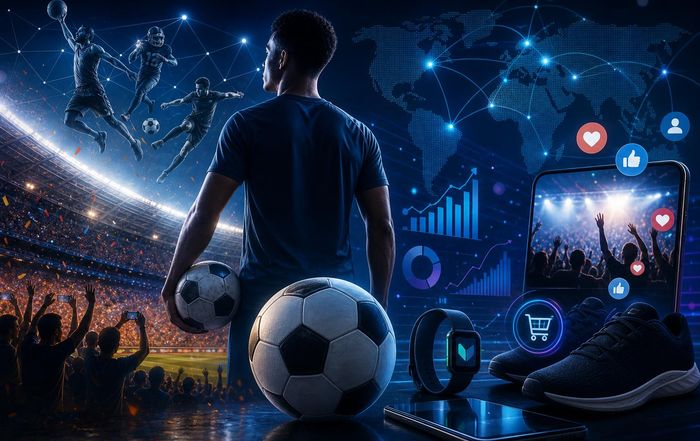
Surely you must've noticed that sports marketing sits at the intersection of technology, culture, and global commerce, and for SportyFusion.com this intersection is no longer a distant horizon but the daily environment in which its readers train, compete, consume media, and make purchasing decisions. As fans, athletes, and brands become more connected than at any point in history, sports marketing has evolved from a predominantly broadcast-driven discipline into a dynamic, data-rich ecosystem that spans fitness communities, health-conscious lifestyles, digital fan engagement, and cross-border cultural narratives. This transformation is reshaping how organizations build trust, demonstrate expertise, and sustain long-term relationships with audiences in the United States, Europe, Asia, Africa, and beyond.
From Broadcast Era to Always-On Engagement
For decades, the sports marketing playbook was defined by linear television, stadium signage, and mass sponsorship deals driven by reach rather than relevance. In the current connected era, where fans consume live games, highlights, and analysis through platforms as diverse as YouTube, TikTok, and Amazon Prime Video, the focus has shifted toward always-on engagement that follows the fan across devices, platforms, and time zones. Brands that once concentrated their budgets around a single major event now build multi-phase campaigns that span pre-season training narratives, in-season performance stories, and off-season lifestyle content, aligning with the continuous engagement expectations of digital-native audiences.
This shift is underscored by the growing importance of first-party data and personalized content strategies, driven by evolving privacy regulations such as the EU's General Data Protection Regulation and state-level privacy laws in the United States. Sports organizations that demonstrate transparency in data usage and clear value exchange in the form of tailored content, exclusive experiences, and training insights are building deeper trust with fans. For readers of SportyFusion.com, who often balance daily interests in sports performance, health, and lifestyle, this means that marketing no longer feels like an interruption but an integrated part of their broader athletic journey.
The Rise of Data-Driven Fan Intelligence
Data has become the backbone of modern sports marketing, informing everything from sponsorship valuations to content formats and ticket pricing strategies. Clubs, leagues, and brands are increasingly investing in advanced analytics platforms, often powered by Microsoft, Oracle, and Salesforce, to unify fan data across ticketing systems, e-commerce platforms, mobile applications, and social media. By applying predictive models and machine learning techniques similar to those discussed by MIT Sloan Sports Analytics Conference, marketers can identify high-value fan segments, forecast churn, and optimize campaign timing across key markets such as the United States, the United Kingdom, Germany, and Japan.
In parallel, performance data is being repurposed as marketing content. Wearable technologies from companies such as Garmin and Whoop generate real-time metrics on heart rate, workload, and recovery, which can be transformed into compelling storytelling that resonates with fitness-focused communities. For a platform like SportyFusion.com, which curates insights on fitness and training, this convergence of performance analytics and fan intelligence provides fertile ground for content that is both educational and commercially relevant, enabling brands to demonstrate expertise in areas such as recovery science, injury prevention, and high-performance coaching.
Streaming, Fragmentation, and the Battle for Attention
The fragmentation of media consumption has fundamentally altered the economics of sports broadcasting and the strategies of rights holders. Major leagues and federations, including NFL, NBA, Premier League, and Bundesliga, now negotiate complex, multi-platform rights packages that combine traditional broadcasters with digital platforms such as DAZN, ESPN+, and Apple TV. This diversification enables more flexible and localized offerings, allowing fans in Canada, Australia, South Korea, and Brazil to access tailored subscription models and localized commentary.
However, fragmentation also intensifies competition for attention, particularly among younger audiences who divide their time between live sports, gaming, streaming series, and social media. Sports marketers are responding by embracing shorter, snackable formats, including vertical video highlights, live behind-the-scenes segments, and interactive Q&A sessions with athletes. Platforms such as Twitch and Discord have become critical touchpoints, especially for crossovers between sports and gaming. For readers of SportyFusion.com, who frequently navigate between sports coverage, gaming content, and lifestyle features, this convergence illustrates how sports narratives are no longer confined to the match itself but extend into digital communities where fandom is co-created.
Social Media, Creator Economies, and Athlete-Led Brands
The continued expansion of the creator economy has positioned athletes as powerful media channels in their own right. Stars from LeBron James to Naomi Osaka and Erling Haaland operate as global micro-networks, with direct access to millions of followers across Instagram, X (formerly Twitter), and Weibo. This has significant implications for sports marketing, as brands increasingly shift budgets from traditional sponsorship inventory to athlete-driven content partnerships that emphasize authenticity and long-term storytelling.
Athletes are also building their own brands, venture portfolios, and media properties, often in partnership with organizations such as Uninterrupted, The Players' Tribune, and boutique creative agencies. These ventures allow athletes to control their narratives, address social issues, and engage with fans on topics beyond sport, including mental health, entrepreneurship, and culture. For a platform like SportyFusion.com, which covers culture and social impact, the emergence of athlete-entrepreneurs represents a critical trend that blends performance, identity, and purpose, offering marketers new avenues for values-based storytelling that resonates across global markets from the United States to South Africa and Singapore.
Health, Wellness, and Performance as Core Marketing Pillars
The global focus on health and wellness, accelerated by the pandemic years and reinforced by demographic shifts, has transformed sports marketing into a broader conversation about holistic performance. Brands in categories such as sportswear, nutrition, connected fitness, and mental health are positioning themselves not merely as product providers but as partners in long-term wellbeing. Resources from organizations like the World Health Organization and the Centers for Disease Control and Prevention inform campaigns that promote safe training practices, mental resilience, and inclusive participation across age groups and skill levels.
For SportyFusion.com readers who regularly engage with health, fitness, and lifestyle content, this evolution is evident in the rise of evidence-based marketing narratives. Brands increasingly collaborate with sports scientists, physiotherapists, and psychologists to validate product claims and design content that educates rather than merely persuades. This alignment with expertise and trustworthiness is particularly important in markets such as Germany, Sweden, and Japan, where consumers demonstrate high sensitivity to scientific credibility and regulatory compliance in health-related messaging.
Sustainability, Ethics, and Purpose-Driven Partnerships
Environmental and social responsibility have moved from peripheral concerns to central pillars of sports marketing strategy. Leagues, federations, and sponsors are under increasing pressure from fans, regulators, and investors to demonstrate meaningful progress on sustainability, diversity, and human rights. Initiatives such as the UN Sports for Climate Action Framework, championed by the United Nations Framework Convention on Climate Change, provide guidance for organizations seeking to reduce emissions, promote sustainable travel, and minimize waste in stadiums and events.
Brands that align their sports partnerships with credible sustainability commitments are gaining competitive advantage, particularly among younger fans in Europe, North America, and Asia-Pacific. For SportyFusion.com, which covers environmental issues in sport and ethical debates, this trend underscores the importance of transparency and third-party verification. Certifications from organizations such as B Lab and adherence to guidelines from the Global Reporting Initiative are increasingly referenced in sponsorship announcements, as stakeholders demand verifiable proof rather than generic claims. This emphasis on ethics extends to labor practices in supply chains, gender equity in sponsorship allocations, and safeguarding policies for athletes and fans.
Globalization, Localization, and Cross-Cultural Storytelling
Sports have long been a global language, but in 2026 the interplay between globalization and localization has become a defining feature of sports marketing strategy. Major events such as the FIFA World Cup, the Olympic Games, and continental championships provide global stages, yet successful campaigns now require nuanced understanding of regional cultures, languages, and fan expectations. Brands activating in markets as diverse as Brazil, India, Norway, and Thailand must adapt creative, influencer partnerships, and product offerings to local preferences while maintaining a coherent global brand narrative.
Digital platforms and sophisticated translation tools have made it easier to deliver localized content at scale, but cultural intelligence remains indispensable. Research from organizations like Nielsen Sports and Deloitte's Sports Business Group highlights that fandom in Europe, Asia, and Africa is shaped by distinct historical, social, and economic factors. For example, football's deep-rooted community structures in Spain and Italy require different engagement approaches compared with the rapidly growing basketball and esports scenes in China and South Korea. SportyFusion.com, with its global readership and coverage of world sports developments, is uniquely positioned to contextualize these nuances, helping brands and professionals understand how to balance global reach with local resonance.
The Convergence of Sports, Gaming, and Virtual Experiences
The boundary between sports and gaming has become increasingly porous, giving rise to hybrid experiences that blend physical performance with digital interactivity. Esports organizations, including Fnatic, T1, and Team Liquid, now share sponsorship portfolios with traditional clubs, while major sports leagues host official esports competitions that attract millions of viewers on platforms like YouTube Gaming and Steam. This convergence is particularly pronounced among younger demographics in markets such as South Korea, Japan, and the United States, where gaming is a core component of entertainment and social life.
Virtual and augmented reality technologies are further expanding the canvas for sports marketing. Companies like Meta, Sony, and HTC are investing in immersive experiences that allow fans to watch matches from virtual courtside seats, participate in interactive training simulations, and collect digital memorabilia. Organizations such as the International Olympic Committee have experimented with virtual events and digital fan zones that extend the reach of traditional competitions. For SportyFusion.com, which covers both technology and gaming, these developments signal a future in which the definition of a "sports fan" encompasses not only stadium attendees and TV viewers but also gamers, creators, and participants in virtual ecosystems.
Commerce, Direct-to-Consumer Models, and Brand Ecosystems
Direct-to-consumer (DTC) models have become central to sports marketing strategies as brands seek to own the relationship with fans and athletes rather than relying solely on intermediaries. Sportswear giants such as Nike, Adidas, and Puma have invested heavily in proprietary e-commerce platforms, membership programs, and mobile applications that integrate training plans, community features, and personalized product recommendations. These ecosystems are supported by sophisticated logistics networks and payment solutions from providers like Stripe and Adyen, enabling seamless global commerce across North America, Europe, and Asia-Pacific.
At the same time, smaller challenger brands in categories such as performance nutrition, recovery tools, and connected equipment leverage social media and influencer partnerships to build niche but highly engaged communities. Learn more about sustainable business practices and responsible supply chains through resources from the Harvard Business Review and World Economic Forum, which increasingly highlight sports and fitness brands as case studies in consumer-centric innovation. For SportyFusion.com, whose audience is attentive to business and brand strategy as well as athletic performance, these trends offer insight into how marketing, product development, and customer experience are converging into unified brand ecosystems.
Careers, Skills, and the Future Sports Marketing Workforce
The evolution of sports marketing is reshaping the talent landscape and creating new career opportunities across data analytics, content production, sponsorship strategy, and community management. Employers ranging from professional clubs and leagues to agencies and technology providers now seek professionals who combine domain knowledge in sport with expertise in disciplines such as data science, UX design, and digital storytelling. Educational institutions and industry bodies, including FIFA, UEFA, and universities highlighted by QS World University Rankings, are expanding specialized programs in sports management, digital marketing, and analytics to meet this demand.
For readers of SportyFusion.com who are considering careers in this sector, understanding how to navigate the evolving job market is crucial. Platforms like LinkedIn and Indeed showcase the breadth of roles now available, while professional associations provide networking opportunities and continuous learning resources. By following coverage on jobs and career development in sport, aspiring professionals can stay informed about emerging roles, from fan engagement strategist to esports partnership manager, and align their skill development with the competencies most valued by employers across regions such as the United States, the United Kingdom, Singapore, and New Zealand.
Trust, Governance, and the Importance of Integrity
As the financial stakes in global sport continue to rise, so too does scrutiny on governance, integrity, and ethical conduct. Scandals related to match-fixing, doping, financial mismanagement, and human rights concerns around major events can quickly erode fan trust and undermine the value of sponsorship assets. Bodies such as the World Anti-Doping Agency and independent ethics committees within federations play a critical role in safeguarding the credibility of competitions, while investigative journalism and watchdog organizations ensure accountability.
For marketers, alignment with integrity is no longer optional. Brands must conduct rigorous due diligence on partners, establish clear ethical guidelines for activations, and be prepared to respond transparently when controversies arise. SportyFusion.com, with its commitment to covering ethics in sport and socially responsible initiatives, reflects the growing expectation that media platforms and brands alike contribute to a culture of transparency and accountability. This focus on trust is particularly important in markets such as Switzerland, the Netherlands, and Scandinavia, where institutional integrity is a critical factor in consumer decision-making.
The Role of SportyFusion.com in a Connected Sports Marketing Landscape
In this rapidly evolving environment, SportyFusion.com occupies a distinctive position at the crossroads of sport, fitness, culture, technology, and business. Its readers are not passive spectators but active participants who train, compete, work in related industries, and influence purchasing decisions within their communities. By curating insights across sports, fitness, health, technology, and social impact, the platform provides a holistic view of how sports marketing trends manifest in real lives, from grassroots clubs in Canada and Italy to elite competitions in the United States, the United Kingdom, and Asia.
This holistic approach is grounded in principles of experience, expertise, authoritativeness, and trustworthiness. By drawing on expert commentary, data-driven analysis, and global perspectives, SportyFusion.com helps its audience interpret complex trends such as the rise of AI-driven fan engagement, the intersection of sports and gaming, and the ethical implications of sponsorship decisions. It also serves as a bridge between brands and consumers, highlighting best practices, innovative partnerships, and stories of athletes and organizations that embody the values of performance, resilience, and responsibility.
Going Ahead: Strategic Needs
As sports marketing moves deeper into the connected era, several strategic imperatives are emerging for organizations that wish to remain relevant and trusted. First, a commitment to data ethics and privacy will be essential, as fans increasingly expect transparency about how their information is collected and used. Second, the integration of health, wellness, and performance into marketing narratives will continue to grow in importance, particularly as aging populations in Europe and Asia seek sustainable ways to remain active. Third, sustainability and social responsibility will remain non-negotiable, requiring measurable actions and credible reporting rather than symbolic gestures.
Moreover, the convergence of physical and digital experiences will accelerate, demanding new forms of creativity and collaboration between sports entities, technology companies, and content creators. Organizations that embrace experimentation in areas such as virtual fan engagement, interactive training platforms, and AI-enhanced storytelling will be better positioned to capture the attention of global audiences from North America to Africa and South America. Finally, investment in talent development and cross-disciplinary skills will be critical, as the next generation of sports marketers must navigate an environment where analytics, culture, and ethics are as central to success as creative brilliance.
In this context, the role of informed, expertly researched platforms updated each and every day such as SportyFusion.com becomes even more significant. By continuously tracking these shifts, providing nuanced analysis, and amplifying voices that combine practical experience with ethical awareness, the platform not only reflects the state of sports marketing in a connected world but also helps shape its future. As time unfolds, the organizations and professionals who thrive will be those who understand that in sport, as in business, connection is not merely about technology, but about the enduring human desire for meaning, belonging, and shared achievement.