

The Role of Hydration in Peak Daily Performance
Hydration as a Strategic Performance Advantage
Hydration has moved well beyond the narrow confines of sports science and into the core of how high-performing individuals, teams, and organizations operate every day. What was once treated as a simple matter of drinking when thirsty is now recognized as a strategic lever that influences cognitive sharpness, physical output, emotional stability, long-term health, and even organizational resilience. For the global community that turns here for insight at the intersection of sports, fitness, health, technology, and business, hydration has become a unifying theme that connects elite athletes, knowledge workers, entrepreneurs, and active families across continents. As research from institutions such as the World Health Organization and Harvard T.H. Chan School of Public Health continues to show, even mild dehydration can reduce concentration, impair decision-making, and lower reaction time, outcomes that directly undermine peak daily performance in both physical and cognitive arenas. Those who treat hydration as an integral component of their performance strategy, rather than a background habit, are increasingly the ones who gain a competitive edge in sport, business, and life.
The Science of Hydration and Human Performance
Understanding hydration as a performance driver begins with a clear appreciation of how water functions in the human body. Water is central to thermoregulation, nutrient transport, joint lubrication, cellular metabolism, and waste removal, and it underpins the delicate balance of electrolytes that allow muscles and nerves to function efficiently throughout the day. According to evidence summarized by the U.S. National Institutes of Health, a loss of as little as 1-2% of body mass from fluid depletion can measurably impair physical performance, while higher levels of dehydration can affect mood, short-term memory, and executive function. Readers who want to explore the physiological foundations of hydration can review detailed overviews provided by the National Library of Medicine, which highlight how fluid balance interacts with cardiovascular strain, body temperature, and neuromuscular coordination under conditions of daily stress and exercise.
For a community as active and globally dispersed as the SportyFusion audience, these physiological mechanisms translate into tangible daily outcomes. Athletes in hot climates, remote workers in air-conditioned offices, and traveling executives crossing time zones all face different but equally significant hydration challenges. Guidance from organizations such as the European Food Safety Authority and Centers for Disease Control and Prevention underscores that there is no single universal intake number that fits everyone, and that optimal hydration depends on body size, activity level, environment, and diet. Those looking to refine their personal approach can examine how hydration intersects with broader health practices through resources like the Mayo Clinic, while also exploring complementary insights in health coverage, which regularly contextualizes global research for everyday performance.
Cognitive Performance, Focus, and Decision-Making
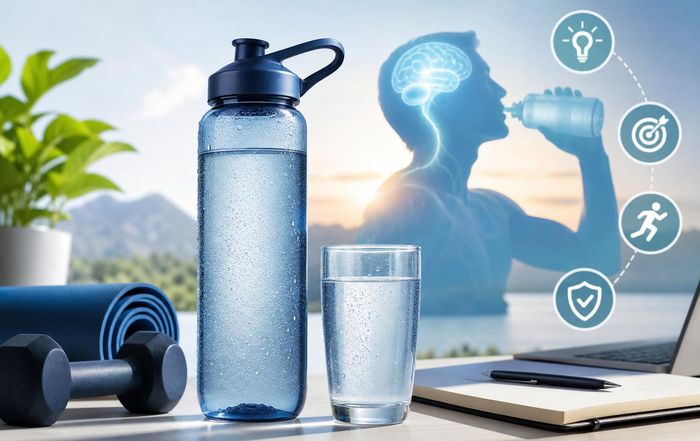
Hydration's role in cognitive performance has become especially relevant in a world where mental workload, digital distraction, and hybrid work environments dominate daily life. Studies summarized by the British Nutrition Foundation and NHS UK have shown that even mild dehydration can lead to increased fatigue, reduced alertness, slower reaction times, and more frequent headaches, all of which erode productivity and decision quality in office settings, trading floors, creative studios, and virtual collaboration environments. For high-stakes professions in finance, healthcare, engineering, and esports, where split-second decisions and sustained attention are critical, the cognitive cost of under-hydration can be substantial, even if it is rarely acknowledged as a formal risk factor.
In the context of performance culture, where the SportyFusion audience closely follows trends in fitness, performance, and technology, hydration is increasingly being integrated into holistic performance stacks that combine sleep optimization, nutrition, movement, and digital tools. Leading institutions such as Stanford Medicine and Massachusetts General Hospital have documented how brain function is sensitive to small fluctuations in plasma osmolality, which influences neuronal activity and subjective feelings of mental clarity. Professionals who rely on deep work blocks, strategic planning, or creative problem-solving are beginning to treat hydration as a controllable variable that can be measured, managed, and deliberately aligned with key cognitive tasks, rather than something addressed only when thirst becomes noticeable. Those seeking to understand the broader implications for brain health can consult resources from the Alzheimer's Association, which explore how vascular and metabolic health, partly influenced by hydration, may relate to long-term cognitive resilience.
Physical Output, Athletic Training, and Daily Movement
Hydration has always been central to athletic performance, but the sophistication with which it is managed in 2026 has reached new levels across professional sports, endurance communities, and recreational fitness. Organizations such as World Athletics, FIFA, NBA, and national Olympic committees now employ sports scientists and performance nutritionists who design individualized hydration protocols based on sweat rate testing, electrolyte loss profiles, environmental conditions, and positional demands. For readers following global sports developments through the sports section here, the shift from generic "drink plenty of water" advice to data-driven hydration strategies is visible in the routines of elite marathoners, footballers, cyclists, and combat athletes who adjust their intake before, during, and after competition.
The American College of Sports Medicine and Gatorade Sports Science Institute have published frameworks that help athletes and coaches estimate fluid needs during training and competition, taking into account factors such as heat, humidity, altitude, and clothing. At the same time, the rise of wearables and smart bottles has brought these principles into everyday life for active professionals and recreational athletes who track their hydration alongside heart rate variability, sleep stages, and training load. SportyFusion's training coverage frequently examines how hydration interacts with periodization, recovery, and injury prevention, especially for audiences in climates as diverse as the United States, Europe, Asia, and Africa. For those seeking more detailed scientific guidance, the American Council on Exercise and Sport and Exercise Nutrition Register in the UK offer practical recommendations tailored to different sports and intensity levels, reinforcing the idea that hydration is a performance tool, not merely a comfort factor.
Global Climate, Heat Stress, and Environmental Realities
The relationship between hydration and performance cannot be separated from the accelerating reality of climate change, particularly for outdoor workers, athletes, and populations in regions facing rising temperatures and humidity. Organizations such as the Intergovernmental Panel on Climate Change and World Meteorological Organization have highlighted the increasing frequency of heatwaves across North America, Europe, Asia, and Africa, conditions that elevate the risk of heat stress, heat exhaustion, and heatstroke for athletes, construction workers, delivery personnel, and urban commuters. In this context, hydration becomes not only a performance factor but also a critical element of occupational safety and public health, especially in cities where urban heat island effects intensify thermal load.
Public health agencies including Health Canada, Public Health England, and Australia's Bureau of Meteorology have issued heat-health guidelines that emphasize proactive hydration, shade, and rest breaks, particularly for vulnerable populations and those engaged in physical labor. For individuals who track world and environment developments, the intersection of climate risk, water availability, and human performance is becoming a defining issue of the coming decade. Elite sports events, from marathons in major world capitals to international tournaments in the Middle East and Asia, are now scheduled and managed with sophisticated heat and hydration protocols, informed by research from organizations like World Athletics and Fédération Internationale de l'Automobile, which have both implemented detailed heat stress guidelines. This evolving landscape underscores that hydration strategies must adapt not only to individual physiology, but also to the changing environmental context in which performance takes place.
Workplace Productivity, Corporate Culture, and Business Outcomes
In boardrooms and remote offices alike, hydration has emerged as an underappreciated driver of productivity, safety, and employee well-being. Corporate wellness programs in multinational organizations such as Microsoft, Google, and Unilever increasingly incorporate hydration education into broader health initiatives, recognizing that employees who are even slightly dehydrated may experience reduced concentration, lower mood, and higher error rates. The World Economic Forum has drawn attention to the economic cost of reduced productivity due to heat stress and dehydration, particularly in sectors such as logistics, manufacturing, and agriculture, where physical exertion is combined with environmental exposure. Employers who invest in hydration infrastructure-ranging from accessible water stations and electrolyte options to climate-aware scheduling-are finding that these measures support both well-being and operational resilience.
For business leaders and HR professionals who follow the top business and jobs coverage, hydration represents a low-cost, high-impact intervention that aligns with broader ESG and wellness strategies. Resources from the International Labour Organization and Occupational Safety and Health Administration provide guidance on managing heat and hydration risks in the workplace, including recommended break patterns, fluid availability, and training for supervisors. Knowledge workers in technology, finance, and creative industries, who may underestimate their hydration needs due to predominantly indoor work, can benefit from simple environmental cues, such as placing water within line of sight and integrating micro-hydration breaks into digital calendars. Over time, organizations that normalize hydration as part of a performance culture-rather than treating it as a personal afterthought-are likely to see gains in engagement, cognitive stamina, and overall job satisfaction.
Technology, Data, and the Quantified Hydration Era
The rapid evolution of performance technology has transformed hydration from a vague recommendation into a measurable, trackable, and optimizable aspect of daily life. Wearable devices from companies such as Apple, Garmin, Whoop, and Oura now integrate environmental data, heart rate, and activity levels to provide personalized hydration prompts, while emerging biosensor platforms explore sweat analysis and electrolyte monitoring in real time. Research groups at institutions like MIT Media Lab and ETH Zurich are experimenting with flexible sensors and smart textiles that can estimate fluid loss during exercise or work, pointing toward a future where hydration status may be continuously monitored alongside other biomarkers. Readers interested in how these technologies converge with sport, gaming, and lifestyle trends can explore SportyFusion's technology and gaming sections, which frequently highlight innovations at the edge of human performance.
At the same time, digital health platforms and coaching apps are embedding hydration into broader performance dashboards that combine training load, recovery metrics, nutrition, and mental health indicators. Organizations such as Cleveland Clinic and Johns Hopkins Medicine have begun to educate patients and athletes on how to interpret these data responsibly, emphasizing that while technology can provide useful prompts, it should complement, not replace, internal cues such as thirst, urine color, and perceived exertion. The World Health Organization and OECD have also raised questions about data privacy, equity, and access, ensuring that the benefits of hydration technology are not limited to affluent populations in North America, Europe, and parts of Asia. For a global audience like SportyFusion's, which spans regions from the United States and United Kingdom to Singapore, Brazil, and South Africa, this ongoing dialogue about ethical technology adoption is as important as the performance gains themselves.
Culture, Lifestyle, and Regional Differences in Hydration Habits
Hydration practices are deeply influenced by culture, climate, and lifestyle, and understanding these differences is essential for designing effective strategies that resonate across SportyFusion's diverse readership. In Mediterranean countries such as Italy and Spain, for example, hydration is often embedded in social rituals around meals, coffee, and communal gatherings, while in Nordic nations like Sweden, Norway, and Finland, water consumption is frequently linked to outdoor activities, sauna traditions, and a strong culture of nature immersion. In East Asian countries including Japan, South Korea, and Singapore, ready-to-drink teas, functional beverages, and convenience store culture play a significant role in daily fluid intake, whereas in North America and Australia, large personal water bottles and hydration packs have become symbols of active lifestyles and wellness identity.
Organizations such as UNESCO and Food and Agriculture Organization of the United Nations have documented how water access, beverage preferences, and public health campaigns vary across regions, influencing not only hydration but also sugar intake, dental health, and metabolic risk. SportyFusion's culture and lifestyle coverage often explores how these cultural patterns intersect with sports fandom, urban design, and workplace norms, from hydration strategies at cricket matches in India to cycling commutes in the Netherlands. For migrants, expatriates, and digital nomads who move between climates and cultures, adapting hydration habits to new environments can be an overlooked but critical component of maintaining performance and well-being. Guidance from organizations like UNICEF and WaterAid also reminds readers that safe drinking water remains a daily challenge in parts of Africa, Asia, and Latin America, making hydration not only a performance topic but also a social and ethical concern that aligns with our ethics and social focus.
Brands, Innovation, and the Business of Hydration
The global hydration market has expanded dramatically, encompassing bottled water, electrolyte drinks, functional beverages, filtration systems, and smart hydration devices. Major brands such as Coca-Cola, PepsiCo, Danone, and Nestlé have diversified their portfolios to include low-sugar sports drinks, mineral waters, and performance-oriented products, often marketed through partnerships with elite athletes, esports teams, and fitness influencers. At the same time, challenger brands and startups across the United States, Europe, and Asia are targeting niche audiences with science-backed formulations, sustainable packaging, and personalized subscription models. Those interested in how these dynamics shape consumer choice and performance culture can explore the new brands and news sections, which regularly analyze sponsorship deals, product launches, and regulatory developments.
Regulators and public health authorities, including the U.S. Food and Drug Administration, European Commission, and Health Promotion Board Singapore, have become increasingly vigilant about claims related to performance, electrolytes, and cognitive enhancement, requiring evidence to support marketing messages and encouraging transparent labeling. At the same time, environmental organizations and sustainability-focused investors are scrutinizing the ecological footprint of bottled water and single-use plastics, prompting brands to adopt recycled materials, refill models, and investments in water stewardship. Those who wish to understand these trends through a sustainability lens can review analyses from the Ellen MacArthur Foundation and CDP, which examine how water risk and packaging waste influence corporate strategy. For SportyFusion's performance-oriented readers, the key is to navigate this crowded marketplace with a critical eye, focusing on evidence-based products that align with personal needs, environmental values, and long-term health.
Hydration, Ethics, and Access to Safe Water
As hydration becomes central to discussions of peak performance, it also raises ethical questions about equity, access, and responsibility. While many readers of SportyFusion in regions such as the United States, Western Europe, Japan, and Australia enjoy easy access to clean drinking water and a wide range of performance beverages, hundreds of millions of people worldwide still lack reliable, safe water sources. Organizations like UN-Water, World Bank, and World Resources Institute have documented how water scarcity, pollution, and infrastructure gaps disproportionately affect communities in parts of Africa, South Asia, and Latin America, with significant implications for health, education, and economic opportunity. In these contexts, conversations about peak performance and elite sports must be balanced with recognition of water as a fundamental human right, not merely a performance tool.
Ethical frameworks promoted by groups such as Amnesty International and Human Rights Watch emphasize that governments, corporations, and consumers share responsibility for ensuring that water extraction, beverage production, and sports event hosting do not undermine local communities' access to safe water. Our environment and ethics reporting increasingly highlights cases where large events or industrial operations have strained local water systems, as well as positive examples where sports organizations and brands invest in community water projects and transparent stewardship. For high-performing individuals and businesses that rely on hydration as part of their daily success, aligning personal habits and purchasing decisions with broader social and environmental values is becoming an essential dimension of trustworthiness and long-term reputation.
Integrating Hydration into a Holistic Performance Lifestyle
For the SportyFusion community, the role of hydration in peak daily performance is best understood not as an isolated tactic but as a core component of a holistic lifestyle that integrates physical training, mental health, recovery, nutrition, and ethical awareness. Athletes fine-tuning race strategies, professionals managing demanding hybrid work schedules, and parents balancing careers with family activities all benefit from treating hydration as a deliberate practice that is planned, monitored, and adjusted according to context. By combining insights from scientific institutions, public health agencies, and performance coaches with practical tools such as wearables, environmental cues, and personalized routines, individuals across continents-from North America and Europe to Asia, Africa, and South America-can build hydration habits that support consistent high-level output.
The integrated stories across fitness, health, performance, business, and lifestyle reflects this multidimensional view, positioning hydration as a bridge between sport, work, culture, and global responsibility. As research continues to evolve and technology offers new ways to understand and optimize fluid balance, the fundamental principle remains unchanged: water is a foundational resource for human performance, and those who respect its importance-physiologically, culturally, and ethically-are better placed to thrive in the complex, high-velocity world of 2026 and beyond. For readers seeking to translate this understanding into daily practice, the journey begins not with complex formulas, but with a conscious decision to treat every sip as an investment in clarity, resilience, and sustainable peak performance.