

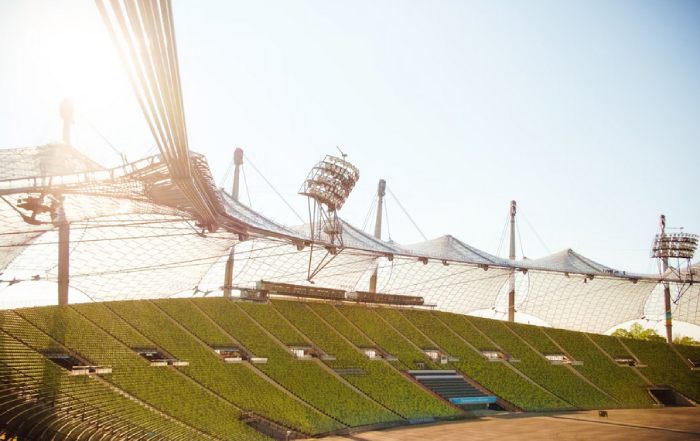
Sustainability in Sports: Eco-Friendly Innovations in Stadium Design
The New Arena of Competition: Sustainability as a Strategic Advantage
By 2026, sustainability has moved from the periphery of sports strategy into the core of how leading organizations design, build, and operate their venues. For the global audience that follows SportyFusion across fitness, culture, health, technology, and business, stadiums are no longer just backdrops for competition; they are increasingly seen as living laboratories where climate ambition, engineering excellence, and fan experience converge. From North America and Europe to Asia, Africa, and South America, owners, leagues, and municipalities are recognizing that eco-friendly stadium design is not only an environmental imperative but also a powerful driver of brand value, operational efficiency, and long-term financial performance.
The shift is being reinforced by regulatory pressure, investor expectations, and fan sentiment. Organizations such as the United Nations Environment Programme highlight the role of sport in accelerating climate action, and many clubs now align their strategies with global frameworks like the UN Sports for Climate Action initiative. For a platform like SportyFusion, which sits at the intersection of performance, lifestyle, and ethics, documenting this transformation is not just editorially relevant, it is part of a broader mission to show how sport can lead systemic change while still delivering unforgettable live experiences.
From Concrete Giants to Climate-Smart Icons
The traditional stadium model, defined by massive concrete structures, energy-hungry lighting, water-intensive turf, and car-centric access, is steadily being replaced by climate-smart venues designed to minimize emissions over their entire life cycle. In the United States and Europe, where many of the world's most visible leagues operate, governing bodies and city authorities increasingly require new stadium projects to meet stringent environmental standards and to demonstrate measurable progress toward net-zero targets. Guidance from organizations such as the World Green Building Council has filtered into the sports sector, influencing how architects, engineers, and club executives frame sustainability from the earliest concept sketches.
In Germany, the United Kingdom, and the Netherlands, stadium projects now routinely incorporate life-cycle assessments, material passports, and adaptive reuse strategies to reduce embodied carbon. In Asia and the Pacific, from Singapore to New Zealand, climate resilience has become a central design criterion as venues must withstand rising temperatures, heavier rainfall, and more frequent extreme weather events. This global momentum is aligning with the editorial focus of SportyFusion on environmental innovation and performance-driven design, giving readers insight into how infrastructure decisions shape the future of their favorite sports.
Energy-Positive Arenas and the Rise of On-Site Generation
Energy is the most visible frontier of sustainable stadium design. Modern arenas are increasingly conceived as micro power plants that can generate, store, and intelligently distribute renewable energy. Iconic examples include venues like Tottenham Hotspur Stadium in London and Allianz Arena in Munich, which integrate advanced building management systems and efficient LED lighting, but the industry is moving further toward energy-positive or near net-zero operations.
Solar photovoltaics are now standard consideration in feasibility studies, with some stadiums installing extensive rooftop arrays or solar carports capable of supplying a significant share of match-day and training energy needs. In countries such as Australia, Spain, and Brazil, where solar irradiation is high, clubs are working with energy companies and research institutions to optimize panel orientation, storage capacity, and grid integration. Organizations like the International Renewable Energy Agency provide data and guidance that help stadium developers in regions from South Africa to Japan model long-term cost and carbon savings, making renewable integration a boardroom discussion rather than a marketing afterthought.
For readers of SportyFusion interested in the intersection of performance and technology, the emergence of smart energy systems is particularly relevant. Advanced building automation platforms, supported by AI-powered analytics, can now predict crowd patterns, adjust ventilation and cooling in real time, and coordinate with local grids to reduce peak demand. Those who follow our coverage of sports technology will recognize that the same data-driven mindset that optimizes athlete workload is now being used to optimize stadium energy intensity and reliability.
Water Stewardship and Climate-Resilient Pitch Management
Water scarcity and climate volatility are reshaping how stadiums are designed and operated, especially in regions such as the western United States, parts of Africa, and southern Europe. Natural grass pitches, training fields, and landscaping have historically required enormous water inputs, but modern venues are turning to integrated water management systems that prioritize conservation and reuse. Rainwater harvesting, greywater recycling, and smart irrigation are increasingly integrated into early design phases rather than retrofitted as an afterthought.
The FIFA and regional football confederations, influenced by research shared through organizations such as the FAO and the World Resources Institute, are promoting turf varieties that can withstand higher temperatures and require less water and fewer chemicals. In Asia and the Middle East, hybrid turf systems and modular pitch technologies allow stadiums to host multiple events without compromising grass health or over-irrigating. For a performance-centric audience, this innovation directly connects to player safety, ball behavior, and injury prevention, themes that SportyFusion explores in depth through its performance-focused coverage.
Beyond the pitch, stadiums in cities like Singapore, Copenhagen, and Vancouver are integrating green roofs, bioswales, and permeable paving to manage stormwater and reduce urban heat island effects. These design choices support municipal climate adaptation strategies and reflect an understanding that large sports venues are key nodes in the urban environment rather than isolated entertainment boxes. To understand how such approaches fit into broader climate strategy, readers can explore frameworks from the Intergovernmental Panel on Climate Change that inform policy and infrastructure decisions worldwide.
Low-Carbon Materials, Circular Design, and Modular Construction
Embodied carbon, the emissions associated with producing and transporting construction materials, has become a central concern for responsible stadium projects. Traditional reliance on cement and steel is giving way to more nuanced material strategies that blend structural innovation with circular economy principles. In Scandinavia, Germany, and the Netherlands, design teams are experimenting with low-carbon concrete, recycled steel, and engineered timber elements, guided by methodologies promoted by the Ellen MacArthur Foundation and national green building councils.
Circular design goes beyond material selection to consider how components can be disassembled, reused, or repurposed at the end of a stadium's life. Modular stands, demountable seating tiers, and flexible hospitality spaces allow clubs and event organizers to scale capacity up or down without committing to oversized permanent structures. This approach has gained prominence in global tournaments, where host cities from Brazil to Qatar and, looking ahead, the United States and Canada, must balance the prestige of hosting with the risk of creating underused "white elephant" venues. Those interested in the business implications of these strategies can explore SportyFusion's coverage of sports business and infrastructure, where capital allocation, risk management, and long-term asset value are recurring themes.
In addition, digital tools such as building information modeling and digital twins are enabling more precise material optimization and life-cycle assessment. Industry standards and best practices, curated by organizations like C40 Cities and the U.S. Green Building Council, are increasingly referenced in stadium tenders and financing agreements, ensuring that sustainability criteria are embedded in contracts rather than left to voluntary interpretation.
Fan Experience, Mobility, and Low-Carbon Travel
Sustainable stadium design is not limited to the building envelope; it extends to how fans travel to and from events, how they circulate within the venue, and how they engage with services on site. Transport emissions often constitute the largest share of a sporting event's carbon footprint, particularly for major tournaments and international competitions. Forward-looking cities and clubs are therefore rethinking location, access, and mobility in tandem with stadium architecture.
In European cities such as London, Munich, and Amsterdam, new and refurbished stadiums are being integrated into existing public transport networks, with dedicated rail, metro, and cycling infrastructure designed to handle peak match-day flows. Urban planners and club executives are drawing on guidance from the International Association of Public Transport to design safe, efficient multimodal access that reduces reliance on private cars. Similar trends can be observed in Asia, where cities like Tokyo, Seoul, and Singapore leverage dense transit systems to serve high-capacity venues with minimal incremental emissions.
Inside the stadium, digital ticketing, wayfinding apps, and crowd analytics help manage queues and reduce unnecessary movement, contributing to both safety and energy efficiency. For fans interested in the cultural and social dimensions of this shift, SportyFusion's coverage of sports culture and society provides insight into how changing travel habits, urban design, and fan expectations are reshaping the match-day ritual from the United States and Canada to South Africa and Brazil.
Smart Operations, Data, and the Internet of Things
The operational layer of stadium sustainability is increasingly defined by data. Sensors embedded throughout venues measure energy use, air quality, occupancy, temperature, and equipment performance, feeding into integrated platforms that allow operators to optimize conditions in real time. This convergence of sport, technology, and sustainability aligns closely with the editorial vision of SportyFusion, where readers follow how digital innovation reshapes both elite performance and fan engagement.
Organizations such as Microsoft, Siemens, and Cisco are working with clubs and venue operators to deploy IoT ecosystems that support predictive maintenance, dynamic lighting, and demand-responsive ventilation. Case studies documented by the Green Sports Alliance show how North American arenas have reduced energy use, improved indoor air quality, and extended equipment lifespans by integrating sensor data with AI-driven control systems. These solutions are now being adapted in markets as diverse as China, the United Kingdom, and the United Arab Emirates, demonstrating that smart operations are not confined to a single geography or sport.
For readers who follow SportyFusion's technology and innovation coverage, the parallels with athlete monitoring and performance analytics are clear. Just as wearables and tracking systems have transformed training methodologies, venue-scale data platforms are transforming how stadiums breathe, light, and function, making sustainability outcomes measurable and transparent rather than aspirational.
Health, Well-Being, and the Human-Centric Stadium
Eco-friendly stadium design is also about human health and well-being, an area where SportyFusion's focus on health and lifestyle resonates strongly. High-performance venues now consider indoor air quality, natural light, acoustic comfort, and material toxicity as core design parameters, recognizing that fans, athletes, and staff all benefit from healthier environments. The World Health Organization and national health agencies have published guidance linking air pollution, noise, and thermal stress to health outcomes, and these insights are increasingly reflected in design briefs and operational protocols.
In hot and humid regions such as Southeast Asia, the Middle East, and parts of Africa, passive design strategies and advanced shading systems reduce reliance on energy-intensive air conditioning while maintaining thermal comfort. In colder climates like Scandinavia and Canada, high-performance envelopes and heat recovery systems keep spectators warm with far less energy than legacy venues. For athletes, improved ventilation, non-toxic finishes, and better pitch microclimates can contribute to reduced respiratory stress and lower injury risk, aligning stadium design with the broader movement toward evidence-based performance environments.
The emphasis on health also extends to food and beverage offerings, where clubs and venue operators are partnering with local suppliers and nutrition experts to provide more sustainable and healthier options. This shift reflects a broader cultural change that SportyFusion explores through its lifestyle and social coverage, where the convergence of wellness, ethics, and environmental awareness is reshaping consumer expectations across global markets.
Governance, Ethics, and Transparent Reporting
Sustainability in stadium design is as much a governance challenge as a technical one. Investors, sponsors, and fans are increasingly demanding transparent reporting on environmental, social, and governance performance, and major leagues in the United States, Europe, and Asia now expect clubs to align with recognized standards. Frameworks such as the Global Reporting Initiative and the recommendations of the Task Force on Climate-related Financial Disclosures are influencing how stadium projects are financed, monitored, and communicated.
For SportyFusion, which places strong emphasis on ethics and responsibility, this governance dimension is critical. Clubs that position themselves as sustainability leaders must back their claims with robust data, third-party verification, and clear long-term targets. This includes disclosing embodied and operational carbon, water use, waste diversion rates, and community impact, as well as articulating how stadium investments align with broader corporate and municipal climate strategies. Organizations like UEFA, NBA, and IOC are gradually tightening their sustainability requirements for host venues, creating a competitive dynamic in which environmental performance becomes part of the bid and branding narrative.
In parallel, ethical questions around land use, community displacement, and labor practices remain central to any discussion of large-scale infrastructure. Civil society organizations and local communities, supported by research from institutions such as Human Rights Watch, are increasingly vocal about ensuring that stadium projects respect human rights, provide fair employment, and deliver tangible benefits to surrounding neighborhoods. This broader ethical lens reinforces the idea that sustainability is not just about carbon metrics but about long-term social license and trust.
Jobs, Skills, and the Emerging Green Sports Economy
The transition to eco-friendly stadium design is creating a new ecosystem of jobs and skills that spans engineering, architecture, data science, facility management, and community engagement. From Germany and the United Kingdom to Singapore and South Africa, universities and vocational institutions are expanding programs in sustainable design, renewable energy, and smart infrastructure, while clubs and venue operators invest in upskilling their workforce. Reports from the International Labour Organization highlight the potential of green jobs in construction and operations, and the sports sector is increasingly recognized as a dynamic part of this emerging economy.
For professionals and students who follow SportyFusion's coverage of careers in sport and performance industries, this shift presents both opportunities and challenges. Project managers must now understand environmental impact assessments; facility operators must be comfortable with analytics platforms; and marketing teams must communicate sustainability achievements credibly without slipping into greenwashing. As clubs and leagues in North America, Europe, and Asia integrate sustainability into their core strategy, they are also redefining the talent profiles they seek, rewarding those who combine technical expertise with a deep understanding of environmental and social responsibility.
This evolution extends to the broader sports business ecosystem, where sponsors, broadcasters, and technology partners increasingly evaluate stadium projects through an ESG lens. As SportyFusion continues to analyze the global sports business landscape, readers can expect deeper reporting on how green stadiums influence sponsorship value, fan loyalty, and long-term asset resilience across markets from Canada and Brazil to Japan and Norway.
The Road Ahead: SportyFusion's Lens on the Next Generation of Sustainable Venues
Looking toward the late 2020s, sustainability in stadium design is poised to become even more integrated, data-driven, and collaborative. Emerging technologies such as advanced energy storage, low-carbon hydrogen, and bio-based materials are moving from pilot projects into commercial viability, while digital twins and AI-enabled forecasting promise to make stadium operations more adaptive and resilient. Urban planners in cities across Europe, Asia, Africa, and the Americas are exploring how multi-use sports districts can serve as hubs for community health, culture, and climate innovation rather than single-purpose event spaces.
For SportyFusion, this evolution reinforces the importance of connecting infrastructure stories with broader themes of sports performance, global news, and social impact. As eco-friendly innovations in stadium design accelerate, the platform will continue to track how clubs, leagues, architects, and technology partners translate climate commitments into built reality, and how these decisions shape the experiences of athletes and fans from the United States and United Kingdom to China, Brazil, and beyond.
Readers who wish to situate these developments within the wider context of sustainable development can explore resources from the United Nations Sustainable Development Goals, which frame sport as both a driver and a beneficiary of climate and social progress. In doing so, they will see that the future of stadiums is not simply about greener buildings, but about a reimagined relationship between sport, cities, and the planet. On that frontier, SportyFusion aims to remain a trusted guide, bringing together expertise from engineering, business, culture, and health to illuminate how the next generation of arenas can be both stages of elite performance and symbols of global responsibility.