

The Benefits of Outdoor Fitness in Every Season
Outdoor fitness has evolved from a niche preference to a strategic pillar of modern performance, health, and lifestyle, and by 2026 it has become central to how athletes, professionals, and everyday movers structure their training and recovery. For the sporty audience online, which often spans competitive sports, corporate wellness, and high-performance culture, understanding the multi-season advantages of exercising outside is no longer simply a matter of personal taste; it is a question of long-term health outcomes, mental resilience, environmental awareness, and even professional competitiveness in an economy that increasingly values energy, clarity, and adaptability.
Why Seasonal Outdoor Fitness Matters
Across North America, Europe, Asia, and emerging performance hubs in Africa and South America, outdoor fitness has been reshaped by better data, smarter wearables, and a deeper understanding of how natural environments influence physiology and cognition. Leading institutions such as Harvard T.H. Chan School of Public Health have highlighted the relationship between physical activity, green spaces, and reduced mortality, and readers can explore how nature exposure supports longevity and disease prevention by reviewing current research on health benefits of nature and physical activity. Similarly, organizations like the World Health Organization now emphasize that outdoor movement is a critical component of meeting global physical activity guidelines, especially in urbanized societies where sedentary time is high; those guidelines are detailed in the WHO framework on global recommendations on physical activity for health.
For SportyFusion.com, which connects performance-driven individuals across the United States, the United Kingdom, Germany, Canada, Australia, and beyond, the key question is not whether to train outdoors, but how to leverage changing seasons strategically. Different temperatures, light levels, and environmental conditions challenge the body and mind in unique ways, creating a natural periodization that can complement structured training plans, whether readers are following advanced programs via the SportyFusion training hub or integrating outdoor sessions into a broader health and fitness lifestyle.
Physical Performance Gains Across the Seasons
Outdoor fitness delivers distinct physiological advantages that shift with the calendar, and athletes who understand this seasonal rhythm can use it to drive measurable gains in strength, endurance, and metabolic efficiency. In spring and autumn, moderate temperatures and variable terrain offer ideal conditions for building aerobic capacity and muscular endurance without the extreme thermal stress of summer or winter. Endurance research from bodies such as World Athletics has underscored the importance of consistent, submaximal training volumes in these shoulder seasons, and readers can see how elite runners structure their year by exploring training and competition insights from World Athletics.
Summer introduces a powerful, if demanding, performance stimulus: heat. Training in warmer conditions, when managed safely and progressively, can improve plasma volume, sweat rate, and thermoregulatory efficiency, adaptations that translate into better performance in both temperate and hot environments. The American College of Sports Medicine has documented how heat acclimation can enhance cardiovascular function and perceived exertion thresholds, and athletes can review evidence-based guidelines on exercising in the heat and staying safe. For readers of SportyFusion.com, this means that a carefully planned series of outdoor runs, rides, or conditioning circuits during summer can function as a natural performance booster, provided hydration, recovery, and sun exposure are managed intelligently.
Winter, too often dismissed as an off-season, offers another set of advantages. Cold-weather training can increase brown adipose tissue activity, improve mitochondrial efficiency, and enhance mental toughness by exposing athletes to discomfort in controlled ways. Organizations like UK Sport and Nordic high-performance centers have long integrated cold-weather sessions into their conditioning plans, showing that winter is an opportunity to build strength, stability, and resilience rather than a time to retreat indoors. Those interested in how elite programs integrate climate and environment into performance planning can explore high-performance strategies and resources.
For readers engaging with the SportyFusion performance section, the seasonal lens on outdoor fitness is ultimately about strategic periodization: spring and autumn for volume and technique, summer for heat adaptation and speed, and winter for strength, stability, and psychological resilience.
Cardiovascular and Metabolic Health Benefits
From a health and longevity perspective, outdoor fitness across the year is a powerful tool for preventing cardiovascular disease, managing weight, and improving metabolic markers that are central to long-term wellbeing. The American Heart Association has consistently emphasized that regular moderate-to-vigorous activity significantly lowers the risk of heart disease, stroke, and hypertension, and those recommendations are detailed in their guidance on physical activity and heart health. Exercising outdoors, whether in urban parks, coastal paths, or mountain trails, adds an extra layer of benefit by integrating variable terrain, natural intervals (such as hills and wind resistance), and psychological engagement with the environment, all of which encourage longer and more consistent sessions.
In 2026, metabolic health is a priority not only for individuals but for businesses and policymakers, as rising rates of obesity, type 2 diabetes, and metabolic syndrome strain healthcare systems in the United States, Europe, and Asia. The Centers for Disease Control and Prevention has outlined the role of physical activity in diabetes prevention and weight management, and readers can deepen their understanding through resources on physical activity and chronic disease prevention. Outdoor fitness, practiced in every season, supports improved insulin sensitivity, healthier lipid profiles, and better blood pressure control, particularly when combined with evidence-based nutrition and recovery strategies that many SportyFusion readers follow through the platform's health coverage.
For corporate leaders and HR professionals who follow SportyFusion.com for performance and business insights, the implications are direct: teams that build seasonal outdoor activity into their culture, from walking meetings to outdoor boot camps and cycling groups, are likely to see lower absenteeism, higher energy levels, and improved cognitive performance, translating into tangible business outcomes.
Mental Health, Focus, and Cognitive Performance
In a decade defined by digital overload, hybrid work, and constant connectivity, outdoor fitness functions as both a mental health intervention and a cognitive performance enhancer. Studies summarized by organizations such as the National Institutes of Health show that exposure to natural light, green or blue spaces, and moderate physical exertion can reduce symptoms of anxiety and depression, improve sleep quality, and enhance executive function; those interested can explore more on exercise, mental health, and brain function.
Seasonal variation plays a crucial role here. In spring and summer, longer daylight hours and higher light intensity can help regulate circadian rhythms, increasing alertness during the day and supporting deeper sleep at night, especially when exercise is scheduled earlier. In autumn and winter, when many regions in Europe, North America, and Asia experience reduced sunlight, outdoor activity becomes a protective factor against seasonal affective disorder and mood decline, particularly in high-latitude countries such as Sweden, Norway, Finland, and Canada. The National Health Service in the United Kingdom has noted the role of physical activity and daylight exposure in managing low mood and seasonal affective symptoms, and readers can learn more about staying active for mental wellbeing.
For the SportyFusion.com audience, which includes gamers, entrepreneurs, and knowledge workers alongside athletes, the cognitive benefits of regular outdoor sessions are especially relevant. Short, brisk walks in natural environments between meetings, outdoor interval sessions on weekends, or lunchtime runs in city parks can increase creativity, working memory, and problem-solving capacity. This cognitive edge is particularly valuable in sectors such as technology and finance, where sustained concentration and rapid decision-making are competitive differentiators, themes that often intersect with the platform's business coverage and its analysis of performance-driven work cultures.
Immune Function and Seasonal Resilience
By 2026, public awareness of immune health has become more sophisticated, shaped by global health events and ongoing research into how lifestyle influences susceptibility to infections and chronic inflammatory conditions. Outdoor fitness, practiced consistently throughout the year, contributes to a more resilient immune system by modulating stress hormones, supporting healthy circulation of immune cells, and improving sleep and metabolic health, all of which influence the body's capacity to respond to pathogens.
The Mayo Clinic and other leading medical institutions have highlighted how moderate, regular exercise strengthens immune surveillance while warning that extreme overtraining can have the opposite effect; those interested can review medical perspectives on exercise and immune function. Outdoor activity adds further benefits through exposure to fresh air, natural microbiomes in soil and plant life, and, in many regions, reduced indoor crowding during peak infection seasons, which can help lower transmission risk.
Seasonal changes shape immune demands. In winter, especially across North America and Europe, outdoor fitness supports respiratory health and circulation at a time when many people retreat indoors and become more sedentary. In spring and autumn, when allergens such as pollen can be high, progressive outdoor exposure combined with appropriate medical guidance can help some individuals manage symptoms while maintaining activity levels. In summer, the combination of vitamin D synthesis from sunlight and regular movement contributes to immune regulation, although sun protection and hydration remain essential.
For readers of SportyFusion.com, especially those following global health and world developments through the platform's world section, the message is clear: outdoor fitness is not only about performance and aesthetics; it is a year-round strategy for immune resilience and health security.
Environmental Connection and Sustainable Culture
Outdoor fitness in every season also reshapes how individuals and communities relate to their environments, with implications for sustainability, urban planning, and corporate responsibility. As more people run, cycle, hike, and train in parks, coastal areas, and mountain regions, awareness of air quality, green space access, and climate impacts becomes more immediate and personal. Organizations like the United Nations Environment Programme have documented how urban green spaces contribute to both climate resilience and public health, and readers can explore these connections in more depth by reviewing resources on nature, health, and sustainable cities.
For a platform like SportyFusion.com, which increasingly covers the intersection of sport, environment, and ethics through its dedicated environment and ethics sections, the rise of outdoor fitness is also a story about responsibility. Athletes and active citizens who rely on clean air, safe trails, and accessible public spaces have a direct stake in environmental policy, from emissions reduction to urban design. Brands and employers that support outdoor fitness-by sponsoring local trail maintenance, investing in bike-to-work infrastructure, or backing community sports programs-are not only enhancing performance but also strengthening their environmental and social credentials in a marketplace that increasingly rewards authenticity and impact.
Seasonality further sharpens this connection. In summer, heatwaves and air quality alerts in cities like Los Angeles, London, and Beijing make climate change tangible for runners and cyclists, driving demand for policy action and smarter urban design. In winter, changing snowfall patterns in regions such as the Alps, Scandinavia, and North America affect skiing, snowboarding, and winter trail access, impacting both athletes and local economies. These shifts are closely followed by international sport and environmental bodies, including the International Olympic Committee, which has published analyses on climate change and the future of winter sports.
Technology, Data, and Safety Outdoors
By 2026, outdoor fitness is deeply integrated with technology, from GPS wearables and heart-rate monitors to environmental sensors and safety apps. For high-performance readers of SportyFusion.com, this technological layer turns parks, streets, and trails into dynamic training environments where pace, heart rate variability, and recovery can be tracked in real time, and where seasonal conditions such as temperature, humidity, and air quality can be factored into session design.
Leading technology companies and sports science organizations have collaborated to develop standards for safe outdoor training in varying conditions. The National Weather Service in the United States, for example, provides detailed heat index and wind chill information that athletes can use to calibrate intensity and clothing choices, and those data-driven tools are accessible through resources on weather safety and outdoor activity. In Europe and Asia, similar services guide athletes in countries such as Germany, Japan, and Singapore, where humidity and temperature can fluctuate sharply.
At the same time, platforms such as SportyFusion.com have become hubs for integrating this knowledge with practical training advice, equipment reviews, and cultural insights, particularly in its technology section. For outdoor fitness enthusiasts, this means that a run in Berlin in January or a cycling session in Sydney in July can be planned with precision, combining local weather forecasts, daylight hours, terrain data, and personal performance metrics to create sessions that are challenging, safe, and aligned with long-term goals.
Outdoor Fitness, Work, and the Evolving Job Market
The benefits of outdoor fitness now extend beyond individual health and performance into the structure of work and the evolving job market. Employers in the United States, Canada, the United Kingdom, Germany, and across Asia-Pacific have recognized that physically active employees are more productive, more resilient to stress, and less likely to experience burnout. As a result, outdoor wellness initiatives-such as walking meetings, outdoor stand-up briefings, and company-sponsored run or ride clubs-have become part of competitive employer branding.
Research collated by organizations such as the World Economic Forum has linked wellbeing programs to improved engagement and talent retention, and readers can explore broader perspectives on workplace wellbeing and productivity. For the SportyFusion.com community, this intersects directly with the platform's jobs section, where the future of work is increasingly framed through the lens of performance, health, and flexible lifestyles.
Outdoor fitness also fuels new career pathways in coaching, outdoor event management, adventure tourism, and digital fitness content creation, opening opportunities in markets from the United States and Europe to South Africa, Brazil, and Southeast Asia. Professionals with expertise in sports science, environmental stewardship, and digital media are finding new roles that blend these domains, reflecting a broader shift toward integrated, purpose-driven careers where health, sustainability, and technology converge.
Cultural Shifts: From Gyms to Global Outdoor Communities
Culturally, outdoor fitness has redefined what it means to be active, social, and connected in a globalized world. In cities from New York and London to Tokyo, Singapore, and Cape Town, informal outdoor communities have formed around running groups, cycling clubs, calisthenics parks, and open-water swimming spots, creating cross-cultural networks that transcend age, profession, and background. These communities, often organized through digital platforms but rooted in physical spaces, play a significant role in shaping local fitness culture and identity.
Organizations such as Parkrun, which coordinates free, weekly timed runs in countries across Europe, Africa, Asia-Pacific, and the Americas, have demonstrated how accessible outdoor events can democratize fitness and foster social cohesion; those interested can learn more about community-based outdoor running events. For SportyFusion.com, which covers global sports and culture through its sports and culture sections, these movements illustrate how outdoor fitness is no longer a solitary pursuit but a core element of modern social life, influencing fashion, media, and even urban policy.
Seasonality adds depth to these cultural patterns. Summer may bring large-scale outdoor festivals, marathons, triathlons, and cycling tours in Europe and North America, while winter fosters traditions such as cross-country skiing in Scandinavia, ice skating in Canada, and cold-water immersion communities in the United Kingdom and the Netherlands. In Asia and the Middle East, early-morning and evening outdoor sessions help communities navigate high daytime temperatures, reflecting local adaptation to climate and culture. This seasonal diversity enriches the global narrative of outdoor fitness and offers SportyFusion readers a broad palette of practices to explore, emulate, or adapt to their own contexts.
Integrating Outdoor Fitness into a Year-Round Lifestyle
For the performance-focused yet time-pressed audience of SportyFusion.com, the central challenge is not understanding the benefits of outdoor fitness but integrating them sustainably into daily life across all four seasons. This requires intentional planning, realistic goal-setting, and a willingness to adapt routines to changing conditions.
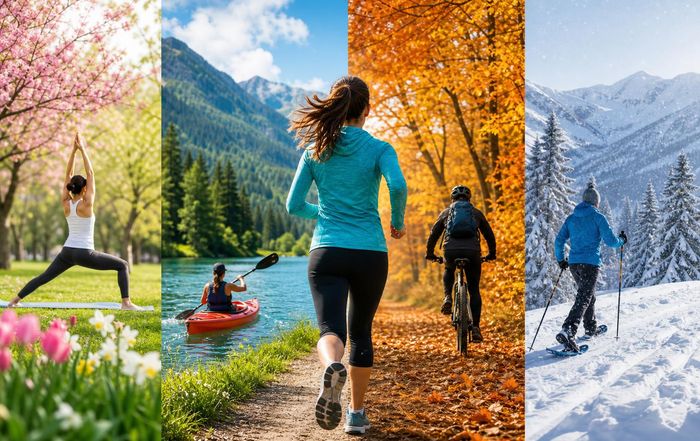
In spring, individuals can prioritize rebuilding volume after winter, focusing on progressive outdoor runs, rides, or walks that take advantage of improving weather and increasing daylight. Summer calls for strategic scheduling, often shifting sessions to early morning or late evening to avoid peak heat, while also leveraging opportunities for water-based activities such as open-water swimming or paddle sports. Autumn is an ideal season for performance testing, races, and events, with cooler temperatures supporting higher intensities and longer distances. Winter, finally, invites a shift toward strength, mobility, and technique work, whether through trail running, cross-country skiing, or outdoor calisthenics, complemented by indoor sessions when conditions are extreme.
Throughout the year, readers can draw on the diverse content across SportyFusion, from its fitness and lifestyle sections to broader news and global daily perspectives on sport and health. By combining credible external guidance from trusted organizations such as WHO, ACSM, AHA, and NIH with the platform's own analysis and community insights, individuals in the United States, Europe, Asia, Africa, and the Americas can design outdoor fitness routines that align with their goals, climates, and cultural contexts.
An Asset for the Next Decade
Outdoor fitness in every season is more than a trend; it is a strategic asset for individuals, businesses, and societies navigating an era defined by health challenges, climate pressures, and rapid technological change. For athletes, it offers a natural framework for periodized training and performance gains. For professionals and companies, it supports sharper cognition, stronger teams, and sustainable productivity. For cities and nations, it encourages healthier populations and deeper engagement with environmental stewardship.
We will continue to position this site at the intersection of sport, health, technology, and culture, providing the analysis, context, and practical insights that enable its global readership to turn seasonal outdoor movement into a foundation for long-term performance and wellbeing. Whether readers are lacing up for a winter run in Berlin, a summer ride in Melbourne, a spring hike in Vancouver, or an autumn workout in Tokyo, the evidence is clear: embracing outdoor fitness in every season is one of the most effective, accessible, and future-ready investments they can make in their bodies, minds, and communities.