

The Future of Wearable Fitness Technology
A New Performance Frontier for the SportyFusion Generation
Well then, wearable fitness technology has finally moved from a little considered accessory to a central pillar of how active people worldwide understand their bodies, optimize performance and make informed lifestyle decisions. For the active sports fan hub that gathers around SportyFusion.com, the evolution of wearables is not just a story about gadgets; it is a story about how data, design and human ambition are converging to redefine what it means to be fit, healthy and high-performing in an increasingly digital world. From elite athletes in the United States and Europe to everyday fitness enthusiasts in Asia, Africa and South America, the expectations placed on wearable devices have expanded dramatically, and the companies and experts leading this transformation are reshaping the entire performance ecosystem.
From Step Counters to Intelligent Performance Systems
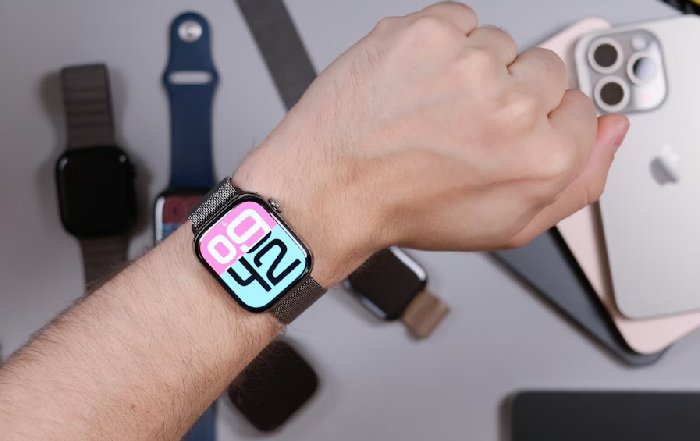
The earliest generations of consumer wearables were essentially digital pedometers, counting steps and estimating calories burned, but the devices shaping 2026 are sophisticated, multi-sensor platforms integrating optical heart-rate monitoring, electrocardiogram capabilities, advanced motion tracking and, in some cases, continuous glucose monitoring. Organizations such as Apple, Garmin, Samsung, Fitbit (now part of Google), Whoop and Oura have invested heavily in sensor miniaturization, signal processing and machine learning, turning wristbands and rings into powerful health and performance companions. Readers who follow the performance insights at SportyFusion Performance recognize that the focus has shifted from counting activity to understanding adaptation, recovery and long-term health trajectories.
As these devices have evolved, they have become more deeply integrated into the broader digital health ecosystem. Platforms from Apple Health and Google Fit to regional health systems in Europe and Asia increasingly accept wearable data as a meaningful component of personal health records, enabling more informed clinical decision-making. Those interested in how this intersects with broader health trends can explore the perspectives shared at SportyFusion Health, where the connection between everyday training and long-term well-being is a recurring theme.
Hyper-Personalization: Training Plans That Learn the Athlete
The defining characteristic of the latest wave of wearable fitness technology is hyper-personalization. Instead of generic workout recommendations, leading platforms now use machine learning models trained on millions of user sessions to deliver adaptive training plans that modify intensity, volume and recovery based on individual response. Continuous analysis of heart-rate variability, sleep quality, resting heart rate and even mood self-reports allows these systems to infer readiness to train and to suggest when to push and when to back off.
Elite athletes and high-performance coaches increasingly rely on data-driven platforms that integrate metrics from GPS wearables, power meters, smart insoles and connected gym equipment. The approach that was once reserved for Olympic programs and professional clubs is now accessible to serious amateurs across the United Kingdom, Germany, Canada, Australia and beyond. Those who follow SportyFusion Training have seen how structured, data-informed plans can transform outcomes for runners, cyclists, triathletes and strength athletes who previously trained by feel alone.
Major research institutions, including organizations featured by the National Institutes of Health and the UK National Health Service, are publishing work showing that personalized exercise prescriptions, when guided by physiological data, can significantly improve adherence and outcomes, particularly for people managing chronic conditions such as cardiovascular disease or type 2 diabetes. Learn more about the emerging science of precision health through resources from the World Health Organization, which has increasingly acknowledged the role of digital tools in preventive care.
Beyond the Wrist: Smart Apparel, Footwear and Implants
While the smartwatch remains the most visible symbol of wearable fitness technology, the future extends far beyond the wrist. Smart apparel companies are embedding textile-based sensors into shirts, shorts and leggings to capture muscle activation patterns, breathing rate and posture in real time, while connected footwear from brands such as Nike, Adidas and Under Armour integrates pressure sensors and inertial measurement units to analyze gait, impact forces and running efficiency. Readers who follow brand innovation on SportyFusion Brands are already familiar with how these developments are reshaping product design and athlete expectations.
In parallel, medical-grade wearables and minimally invasive implants are emerging as powerful tools for individuals who want continuous monitoring of specific biomarkers. Continuous glucose monitors, once primarily used by people with diabetes, are now being adopted by endurance athletes and high-performance professionals to optimize fueling strategies and avoid energy crashes during long events or demanding workdays. Organizations like the American Diabetes Association and the European Association for the Study of Diabetes provide deeper context on how metabolic data is influencing both clinical practice and performance science.
The convergence of smart textiles, footwear and implants raises complex questions about data integration and interpretation. It is one thing to collect millions of data points per day; it is another to translate those signals into clear, actionable insights that athletes, coaches and health professionals can trust. This is where the expertise and editorial rigor of platforms like SportyFusion become crucial, helping readers navigate a crowded marketplace and evaluate which technologies meaningfully improve fitness and performance rather than simply adding more numbers to an already overwhelming dashboard.
Health, Recovery and the 24/7 Athlete
One of the most profound changes driven by wearable fitness technology is the recognition that performance is built not only in the gym or on the track, but across the entire 24-hour cycle. Sleep tracking, stress monitoring and recovery scoring have become central features of leading devices, and many users now report that their primary reason for wearing a device is not to track workouts, but to better understand their sleep and overall health. Those exploring holistic well-being on SportyFusion Lifestyle and SportyFusion Fitness will recognize this shift toward viewing the body as an integrated system rather than a machine to be pushed to its limits every session.
Scientific organizations such as the American College of Sports Medicine and the National Sleep Foundation have emphasized the critical role of sleep duration and quality in supporting adaptation, immune function and mental health. Wearables that can accurately detect sleep stages, nighttime heart-rate variability and nighttime respiratory rate provide early warning signs of overtraining, illness or excessive stress, allowing athletes and active professionals to adjust workloads before problems escalate. Learn more about evidence-based sleep and recovery recommendations from the Centers for Disease Control and Prevention, which has published extensive guidelines underscoring the importance of restorative rest.
In markets such as Japan, South Korea and Singapore, where long working hours and high performance cultures are common, wearable devices are increasingly positioned as tools for sustainable productivity rather than just fitness trackers. This aligns closely with the editorial stance at SportyFusion, which emphasizes long-term performance and resilience over short-term extremes, encouraging readers to build routines that support both their athletic goals and their overall quality of life.
The Business of Wearables: Platforms, Ecosystems and New Revenue Models
From a business perspective, the wearable fitness industry has transitioned from a hardware-centric model to a platform-driven ecosystem in which recurring software and service revenues play a central role. Companies like Apple, Garmin, Whoop and Peloton have built subscription offerings that provide guided training plans, advanced analytics, community challenges and exclusive content layered on top of the hardware experience. Readers tracking industry shifts at SportyFusion Business will recognize that the most successful players are those that combine robust devices with compelling digital services and strong brand communities.
The global market for wearable devices continues to expand, with projections from sources such as the International Data Corporation and Statista suggesting sustained growth across North America, Europe and Asia-Pacific. In emerging markets such as Brazil, South Africa, Malaysia and Thailand, lower-cost devices from Chinese manufacturers including Xiaomi and Huawei are broadening access to basic fitness tracking, while premium ecosystems retain strong footholds in the United States, Canada, Western Europe and parts of East Asia. Learn more about macroeconomic and technology adoption trends from the World Economic Forum, which regularly analyzes digital transformation in health and fitness sectors.
The rise of corporate wellness programs has also created new opportunities for wearable integration. Employers in the United States, United Kingdom, Germany and Australia increasingly subsidize devices and offer incentives for employees who meet activity or recovery targets, often working with insurers who see long-term benefits in encouraging healthier lifestyles. For readers following global developments at SportyFusion World, this intersection of technology, business and public health represents a significant shift in how organizations think about human capital, productivity and well-being.
Data, Privacy and Ethics: Building Trust in a Connected World
As wearables collect ever more sensitive health and performance data, questions of privacy, data ownership and ethical use have moved to the forefront. Athletes, employees and everyday users are right to ask who has access to their information, how it is being used and what safeguards are in place to prevent misuse. Regulations such as the European Union's General Data Protection Regulation (GDPR) and health privacy frameworks like HIPAA in the United States create legal frameworks, but the ethical responsibilities of technology companies, employers, teams and coaches go beyond basic compliance.
Organizations such as the Electronic Frontier Foundation and the Future of Privacy Forum have raised concerns about the potential for biometric surveillance, discriminatory insurance practices and intrusive employer monitoring if wearable data is not handled responsibly. Athletes' unions and players' associations in professional leagues across North America and Europe have also begun negotiating explicit clauses regarding wearables and data usage in collective bargaining agreements, underscoring the stakes for performance professionals. Readers interested in the ethical dimension of technology can explore the conversations at SportyFusion Ethics, where the focus is on aligning innovation with respect for individual autonomy and dignity.
For platforms like SportyFusion, building trust with a global audience means scrutinizing not only the accuracy and utility of wearable devices, but also the governance models behind them. Transparent data policies, clear opt-in mechanisms, anonymization standards and meaningful control over data sharing are no longer optional features; they are prerequisites for long-term user confidence. Learn more about digital ethics frameworks from organizations such as the OECD and the World Economic Forum's Centre for the Fourth Industrial Revolution, which are actively shaping global standards for responsible technology deployment.
Wearables, Culture and the Global Fitness Identity
Wearable fitness technology does not exist in a vacuum; it reflects and shapes cultural attitudes toward health, body image, competition and community. In the United States and Canada, social features such as challenges, leaderboards and integrated social feeds have become powerful motivators, turning individual workouts into shared experiences that extend across cities and time zones. In Europe, particularly in countries like the Netherlands, Denmark and Sweden, wearables are often integrated into everyday mobility patterns, supporting cycling, walking and active commuting rather than purely gym-based training. Readers who explore SportyFusion Culture and SportyFusion Social will recognize how these regional differences shape both product design and user expectations.
In Asia, rapid urbanization and the growth of middle-class consumer segments in China, India, Thailand and Malaysia are driving demand for devices that blend fitness tracking with broader lifestyle features such as contactless payments, music streaming and smart home integration. In Africa and South America, where access to advanced medical infrastructure can be uneven, low-cost wearables paired with mobile health services offer a potential avenue for expanding preventive care and basic health monitoring. Organizations like the World Bank and UNESCO have highlighted the role of mobile and wearable technologies in bridging health and education gaps across emerging economies, although challenges related to connectivity, affordability and digital literacy remain significant.
For SportyFusion, with its global readership spanning North America, Europe, Asia-Pacific and beyond, the cultural dimension of wearables is critical. The platform's editorial approach recognizes that a marathon runner in Berlin, a cyclist in Cape Town, a gamer-turned-fitness-enthusiast in Seoul and a yoga practitioner in São Paulo may all use similar devices, but their motivations, constraints and aspirations differ. By contextualizing wearable technology within local cultures and global trends, SportyFusion helps readers see both the shared possibilities and the unique paths that different communities are taking toward healthier, more active lives.
The Convergence of Fitness, Gaming and Immersive Technology
Another defining trend in 2026 is the convergence of wearable fitness technology with gaming, esports and immersive media. Motion-tracking wearables, haptic feedback suits and smart controllers enable highly engaging fitness experiences that blur the line between training and play. Virtual reality and augmented reality platforms, powered by companies such as Meta, Sony and Valve, are increasingly incorporating structured fitness programs, from boxing and dance to cycling and rowing, turning living rooms into interactive training studios. Readers who follow SportyFusion Gaming have seen how this gamification of movement is particularly appealing to younger demographics and to individuals who might otherwise find traditional exercise routines intimidating or monotonous.
Research highlighted by organizations such as the American Heart Association indicates that interactive, game-based exercise can improve adherence and enjoyment, especially when combined with social features and real-time feedback. Learn more about how exergaming and active gaming are being used in schools and rehabilitation settings through resources from the World Health Organization, which has recognized the potential of digital tools to combat sedentary lifestyles. As wearables become more tightly integrated with gaming platforms, they provide precise motion data, heart-rate monitoring and calorie estimates, enabling more accurate training load management even in virtual environments.
For SportyFusion, which covers both high-performance sport and emerging digital cultures, this convergence represents a powerful opportunity to engage a broader audience. It allows the platform to explore how competitive gamers can use wearables to manage stress, posture and eye strain, how casual players can turn screen time into active time and how brands can design experiences that are both entertaining and physiologically meaningful.
Sustainability, Environment and the Lifecycle of Wearable Devices
As the number of wearable devices in circulation continues to grow, so does concern about their environmental impact. Batteries, rare earth metals, plastics and electronic components all contribute to a complex lifecycle that spans mining, manufacturing, distribution, usage and disposal. Environmentally conscious readers who follow SportyFusion Environment are increasingly asking how the industry intends to reconcile rapid innovation with responsible resource use.
Organizations such as the Ellen MacArthur Foundation and the United Nations Environment Programme advocate for circular economy principles that emphasize repairability, recyclability and reduced material intensity. Some manufacturers are beginning to offer trade-in programs, modular designs and extended software support to lengthen device lifespans, while others experiment with bio-based materials and low-energy components. Learn more about sustainable business practices from resources provided by the Global Reporting Initiative, which encourages companies to disclose environmental performance and set ambitious reduction targets.
For performance-focused communities, there is an additional ethical dimension: athletes and fitness enthusiasts often replace devices more frequently than average consumers in pursuit of the latest metrics and features. Platforms like SportyFusion can play a meaningful role by highlighting responsible purchasing decisions, promoting brands that prioritize sustainability and encouraging users to consider the full lifecycle impact of their gear. This aligns with a broader shift in the sports and outdoor industries toward environmental stewardship, which is increasingly seen as integral to brand credibility and long-term success.
Jobs, Skills and the Future Workforce Behind Wearables
The growth of wearable fitness technology is also reshaping the job landscape, creating new roles at the intersection of data science, sports science, design, software engineering and behavioral psychology. Companies building next-generation devices rely on interdisciplinary teams that understand not only hardware and algorithms, but also human motivation, cultural nuance and regulatory requirements. Readers interested in career opportunities and workforce trends can explore SportyFusion Jobs, which frequently highlights roles emerging within the broader sports, health and technology ecosystem.
Universities across the United States, United Kingdom, Germany, Canada, Australia and Asia are launching specialized programs in digital health, human performance analytics and wearable computing, preparing graduates for roles in both established corporations and startups. Organizations such as the IEEE and the ACM provide professional communities and resources for engineers and researchers working on wearable systems, while sports science bodies offer certification pathways for practitioners who want to integrate technology into coaching and rehabilitation. Learn more about the skills required in the digital health sector from resources compiled by the World Health Organization, which has emphasized the need for a workforce capable of leveraging data responsibly to improve population health.
For SportyFusion, chronicling the evolution of this workforce is part of a broader commitment to Experience, Expertise, Authoritativeness and Trustworthiness. By featuring insights from coaches, clinicians, data scientists and product designers, the platform offers readers a multi-dimensional understanding of how wearable technology is conceived, built and applied in real-world contexts.
How To Find A Trusted Guide in a Data-Rich Future
As time unwinds, the future of wearable fitness technology appears both promising and complex. Devices are becoming more accurate, more integrated and more personalized, offering unprecedented opportunities to improve fitness, health and performance across diverse populations and regions. At the same time, questions about data quality, privacy, equity and environmental impact require thoughtful, informed responses from companies, policymakers, professionals and users alike.
For the Sports News community that turns to SportyFusion.com for recent and up-to-date insight across fitness, culture, health, technology, business, environment, performance, gaming, lifestyle, ethics, training and social impact, the challenge is not simply to keep up with the latest product announcements, but to understand what truly matters. By combining rigorous analysis, expert perspectives and a deep appreciation for the lived experience of athletes and active individuals worldwide, SportyFusion is positioned to serve as a trusted simple content guide through this dynamic and rather complicated landscape.
In the coming years, as wearables become ever more embedded in daily life, the most valuable technologies will be those that respect human autonomy, support sustainable habits, enhance rather than replace human judgment and contribute to a more inclusive, healthy and high-performing global society. The incredible readers, passionate contributors and supportive partners of SportyFusion are already part of this story, shaping a future in which data is not an end in itself, but a tool for living stronger, smarter and more connected lives. For those navigating this evolving terrain, the resources across SportyFusion News, SportyFusion Sports and the broader SportyFusion network will remain an essential compass as the next generation of wearable fitness technology continues to unfold.