

Short Workouts With Lasting Health Benefits in 2026
Time-Compressed Fitness in a Demanding World
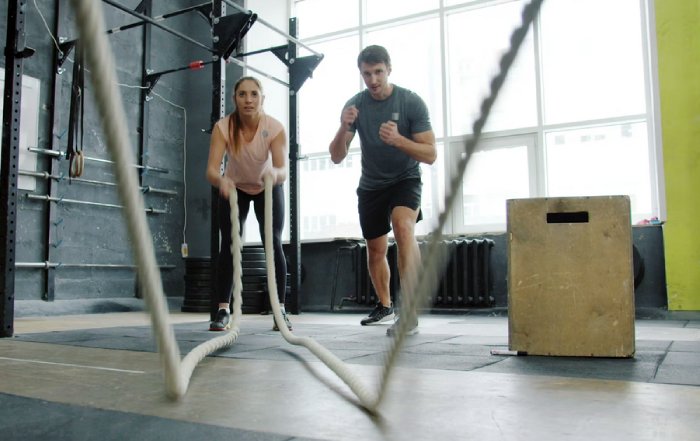
By 2026, professionals across North America, Europe, Asia, Africa, and South America are operating in a work environment defined by hybrid schedules, digital collaboration, and relentless information flow, and amid this complexity, a quiet but profound transformation is reshaping how they think about fitness, health, and performance. Instead of anchoring wellbeing to long, inflexible gym sessions, more people are embracing short, precisely structured workouts that can be woven into demanding days without sacrificing career ambition, family responsibilities, or social commitments. This shift is not a passing trend; it is a structural response to how work and life are now organized, and it aligns closely with the mission of SportyFusion, where readers consistently seek ways to balance high performance with sustainable health across fitness, health, and lifestyle.
The global audience that turns to SportyFusion includes entrepreneurs, engineers, creatives, healthcare workers, and digital professionals, all of whom face similar constraints on time but share a desire to remain physically capable, mentally sharp, and emotionally resilient. For this audience, the central question is no longer whether they should exercise, but how to integrate movement intelligently into a life that rarely offers uninterrupted hours. In that context, time-efficient training has emerged as a strategic asset, and the platform's coverage across sports performance, business and careers, and training methodologies increasingly reflects the reality that short, evidence-based workouts can deliver enduring health benefits when designed and executed with expertise.
Scientific Foundations of Short, Effective Workouts
The credibility of short workouts rests on a robust and expanding scientific foundation that has matured significantly over the past decade, with leading institutions such as Harvard T.H. Chan School of Public Health, the Mayo Clinic, and the University of Copenhagen demonstrating that briefer, more intense or more frequent bouts of activity can meaningfully improve cardiovascular fitness, metabolic health, and functional capacity. Global guidelines from organizations like the World Health Organization and the U.S. Centers for Disease Control and Prevention have evolved accordingly, emphasizing that adults can accumulate recommended moderate-to-vigorous activity in shorter segments throughout the day and still achieve substantial health gains. Readers can explore how these recommendations have been reframed in recent years through the World Health Organization's physical activity overview.
A pivotal driver of this shift has been high-intensity interval training, or HIIT, which involves alternating brief bursts of vigorous effort with short recovery periods and has been extensively studied in journals such as the British Journal of Sports Medicine and the Journal of the American College of Cardiology. These studies consistently show that even 10-20 minutes of well-designed intervals can produce improvements in VOâ max, blood pressure, and insulin sensitivity comparable to, or in some cases greater than, traditional longer sessions of moderate-intensity exercise. For professionals who follow performance-oriented content on SportyFusion, these findings underscore that the quality, structure, and intensity of a session can be more important than its duration, a message echoed in resources from the American College of Sports Medicine that explain the physiological mechanisms behind interval-based adaptations.
Metabolic Health, Cardiovascular Protection, and Longevity
In regions such as the United States, the United Kingdom, Germany, Canada, Australia, and increasingly urbanized parts of Asia, rising rates of obesity, type 2 diabetes, and metabolic syndrome have made efficient exercise not just convenient, but urgent. Short, frequent bouts of activity that elevate heart rate and recruit large muscle groups can significantly improve glucose control, lipid profiles, and body composition, even in individuals who struggle to maintain longer workouts. Research summarized by the National Institutes of Health indicates that "exercise snacks" such as brief stair-climbing intervals, brisk walks between meetings, or short cycling bursts can enhance insulin sensitivity and reduce postprandial blood sugar spikes when performed consistently, contributing to long-term reductions in cardiometabolic risk. Those seeking deeper explanations of these mechanisms can review the accessible overviews on the NIH health information portal.
Cardiovascular protection is another area where short workouts demonstrate outsized impact relative to the time invested. Epidemiological data from the American Heart Association show that adults who accumulate 75-150 minutes of vigorous activity or 150-300 minutes of moderate activity per week, even if performed in segments as short as 10 minutes, experience significantly lower risks of coronary heart disease, stroke, and premature mortality. For executives, founders, and senior leaders who consume business and performance analysis on SportyFusion, these insights translate directly into strategic considerations: a workforce that engages in short, regular bouts of exercise is likely to have lower healthcare costs, fewer sick days, and higher sustained productivity, especially in high-pressure industries across North America, Europe, and Asia-Pacific. The American Heart Association's physical activity information provides an accessible entry point into the evidence base supporting these outcomes.
Mental Health, Cognitive Capacity, and Workday Performance
The mental health implications of short workouts have become particularly salient in the post-pandemic period, as organizations across the United States, United Kingdom, Europe, and Asia grapple with burnout, anxiety, and the cognitive fatigue associated with always-on digital work. Studies compiled by Harvard Medical School and other leading institutions demonstrate that even 10-15 minutes of moderate-to-vigorous physical activity can elevate mood, reduce symptoms of anxiety and mild depression, and enhance sleep quality, largely through the modulation of neurotransmitters such as serotonin, dopamine, and endorphins. Readers interested in the mind-body connection can explore these relationships more fully through Harvard Health Publishing's exercise and mental health resources.
Beyond emotional wellbeing, short aerobic sessions have been shown to sharpen cognitive performance in areas such as executive function, working memory, and creative problem-solving, outcomes that resonate strongly with knowledge workers in technology, finance, consulting, media, and design. Research from universities in Canada, the Netherlands, and Japan suggests that brief walking intervals, cycling bursts, or bodyweight circuits performed before demanding cognitive tasks can improve focus and decision-making, particularly when combined with adequate sleep and nutrition. For readers who follow SportyFusion's coverage of technology, innovation, and performance analytics, this evidence reframes movement as a strategic productivity tool rather than a distraction from work, encouraging organizations in markets such as Germany, Sweden, Singapore, and South Korea to integrate micro-activity into the architecture of the workday.
Micro-Workouts, HIIT, and Habit Integration
Translating scientific insights into daily practice requires frameworks that respect cultural norms, work patterns, and personal preferences, and it is here that concepts such as micro-workouts, structured HIIT, and habit stacking become especially relevant for the SportyFusion community. Micro-workouts involve inserting short, purposeful bouts of movement into natural breaks during the day, such as performing three minutes of squats, lunges, and push-ups between video calls, taking a five-minute brisk walk after lunch, or doing a short mobility sequence before bed. When repeated consistently, these small segments can collectively meet or exceed weekly activity guidelines while remaining compatible with demanding roles in law, medicine, technology, education, and creative industries. For readers seeking structured approaches, SportyFusion regularly explores these strategies in its training and performance coverage, contextualized for different sports, professions, and life stages.
HIIT remains a powerful option for individuals who are medically cleared and comfortable with higher intensities, particularly in countries such as the United States, United Kingdom, Australia, the Nordic nations, and parts of Asia where access to safe outdoor spaces and fitness facilities is relatively strong. Public health organizations including NHS England and Health Canada offer clear guidance on intensity progression, warm-up protocols, and contraindications, helping people reduce the risk of injury or overexertion as they experiment with shorter, sharper sessions. Those interested in structured recommendations can review the NHS physical activity guidelines and Health Canada's physical activity resources. Complementing these frameworks, habit stacking-attaching a small workout to an existing routine such as morning coffee, commuting, or evening screen time-helps embed movement into daily life in a way that feels automatic rather than aspirational, a behavioral insight that is increasingly reflected in SportyFusion's practical guidance across health and lifestyle.
Technology, Wearables, and Data-Driven Coaching
The rise of short, targeted workouts has been accelerated by advances in consumer technology, wearables, and AI-enabled coaching platforms, domains that sit at the heart of SportyFusion's interest in performance technology and analytics. Devices from companies such as Apple, Garmin, Fitbit, and Samsung now track heart rate variability, training load, sleep patterns, and recovery indices, enabling users to calibrate the intensity and frequency of their short sessions to their current physiological state rather than relying on generic prescriptions. Those interested in how these tools are reshaping everyday health behaviors can explore the Apple Health and Fitness resources or the Garmin performance data insights.
Parallel to hardware innovation, digital platforms led by Peloton, Nike, Strava, and a new generation of AI-driven coaching apps are delivering structured 5-20 minute sessions ranging from mobility and strength to cycling intervals and mindfulness-integrated cardio. These offerings are particularly valuable in regions where gym access is limited or commuting times are long, such as parts of Asia, Latin America, and Africa, because they allow users to train effectively in small spaces with minimal equipment. The World Economic Forum has highlighted in its reports how digital health ecosystems are evolving to support population-level wellbeing, and readers can gain a macro-level perspective through the World Economic Forum's health and healthcare insights. At the same time, SportyFusion continues to examine how sportswear and technology brands influence identity and culture in sport through its brands and culture coverage, recognizing that the appeal of short workouts is often amplified by compelling design, storytelling, and community features.
Cultural and Regional Patterns in Time-Efficient Fitness
The global readership of SportyFusion spans continents and cultures, and the adoption of short workouts reflects this diversity. In the United States and Canada, hybrid work, on-demand streaming, and the proliferation of boutique studios have normalized 15-30 minute sessions that fit between meetings, school runs, and social commitments, with many professionals using micro-workouts to offset prolonged sitting. In the United Kingdom, Germany, the Netherlands, Switzerland, and Scandinavian countries, active commuting and walkable urban design mean that short bouts of cycling and walking are often integrated into daily routines rather than treated as separate training blocks, reflecting a broader alignment between health, mobility, and sustainability. Those interested in how active transport and public space planning influence physical activity can explore perspectives from the European Environment Agency, which frequently examines the intersection of environment, health, and urban design.
Across Asia, regional variations are pronounced. In Japan, South Korea, and Singapore, structured workplace wellness programs, community exercise initiatives, and high urban density create opportunities for short, organized sessions before or after work, while in rapidly urbanizing regions of China, Thailand, and Malaysia, smart-city initiatives, public parks, and digital health campaigns are increasingly used to promote brief but regular activity. Macro-level analyses from the World Bank and OECD highlight how economic development, infrastructure, and cultural norms shape physical activity patterns, and readers can delve into these trends through the World Bank's health and nutrition resources and the OECD health statistics portal. For a more human-centered perspective, SportyFusion uses its culture and social sections to explore how sport, movement, and identity intersect in cities from London and Lagos to Mumbai and Madrid, illustrating how short workouts are being adapted to local realities rather than imposed as a uniform global template.
Corporate Wellness, Hybrid Work, and Talent Strategy
By 2026, short workouts have become a central feature of forward-thinking corporate wellness strategies, particularly in competitive labor markets across the United States, United Kingdom, Germany, France, the Netherlands, Singapore, Australia, and the Nordic region. Consulting firms such as McKinsey & Company and Deloitte have documented the financial and organizational benefits of robust wellbeing programs, noting correlations between employee health, engagement, retention, and overall business performance. Many of these programs now prioritize short, accessible exercise options-such as 10-minute guided breaks, micro-strength sessions, or virtual mobility classes-because they are inclusive of diverse fitness levels, age groups, and job functions. Those interested in the economics of wellbeing can explore analyses like the Deloitte insights on health and wellness.
Hybrid and remote work models have further reinforced the relevance of time-efficient exercise, as employees juggle flexible schedules that often blur the boundaries between professional and personal time. Leading organizations are embedding short movement breaks into meeting norms, offering stipends for digital fitness subscriptions, and redesigning office spaces to encourage brief activity, such as standing collaboration zones, walking routes, and small workout areas. For readers who follow SportyFusion's reporting on jobs, careers, and workplace trends, these developments intersect with broader shifts in employer branding, diversity and inclusion, and psychological safety, particularly as younger workers in markets such as Italy, Spain, Brazil, South Africa, and New Zealand increasingly evaluate employers based on their commitment to holistic wellbeing rather than salary alone.
Ethics, Equity, and the Limits of Optimization
Any serious discussion of short workouts in 2026 must also address the ethical and social dimensions of this trend, especially for a platform like SportyFusion that is committed to ethics and responsible sport. One emerging concern is the risk of over-optimization, in which the narrative of efficiency leads individuals to treat every spare moment as a productivity target, potentially intensifying stress rather than alleviating it. Public health organizations such as the World Health Organization and UNICEF emphasize that movement should be framed as a source of joy, autonomy, and connection, particularly for children and adolescents, rather than merely another metric to be tracked and gamified. Those interested in equitable access to activity for younger populations can review UNICEF's health and nutrition initiatives, which highlight the importance of safe spaces, inclusive programs, and culturally sensitive messaging.
Equity is another critical factor, as not all communities in North America, Europe, Asia, Africa, or South America enjoy equal access to safe sidewalks, parks, recreational facilities, or reliable digital infrastructure. In lower-income neighborhoods in the United States and Europe, informal settlements in parts of Africa, or densely populated urban districts in Asia and Latin America, the barriers to even short, regular workouts can be significant, ranging from safety concerns and air quality to time poverty and caregiving responsibilities. SportyFusion addresses these issues through its environment and social reporting, advocating for policies, community programs, and design choices that make time-efficient fitness genuinely accessible rather than a privilege of affluent, well-connected populations. The responsibility extends to employers, policymakers, and brands, who must ensure that short-workout initiatives are inclusive, realistic, and sensitive to local realities, avoiding one-size-fits-all prescriptions that overlook structural constraints.
Building a Holistic Lifestyle Around Short Workouts
For the global, performance-oriented audience of SportyFusion, the most powerful way to think about short workouts is not as isolated hacks but as integral components of a broader lifestyle architecture that supports long-term health, performance, and fulfillment. This architecture includes consistent sleep patterns, balanced nutrition, stress management, and meaningful social connection, recognizing that time-efficient workouts are most effective when embedded in an ecosystem that supports recovery and adaptation. Leading medical institutions such as the Cleveland Clinic and Mayo Clinic emphasize the interdependence of movement, diet, and rest in their holistic frameworks, which can be explored through the Cleveland Clinic health library and the Mayo Clinic healthy lifestyle hub.
In practical terms, a sustainable approach might involve a 10-minute mobility routine upon waking, a brisk walking interval or stair session during the workday, and a short strength or core circuit in the evening, complemented by nutrient-dense meals that align with local culinary traditions, whether Mediterranean in Italy and Spain, plant-forward in parts of the United Kingdom and Germany, seafood-rich in Japan and Norway, or diverse and spice-driven in South Africa, Brazil, and Malaysia. Digital communities, local sports clubs, and workplace groups can provide accountability and social reinforcement, a dynamic that SportyFusion explores regularly in its social and lifestyle sections, where readers see how peers across continents integrate short workouts into gaming, travel, family life, and community engagement. By treating these sessions as recurring rituals rather than sporadic fixes, individuals increase the likelihood that their habits will endure through career transitions, relocations, and shifting personal priorities.
The Future of Time-Efficient Fitness and SportyFusion's Role
Looking ahead from 2026, the trajectory of time-efficient fitness points toward deeper integration with AI-driven coaching, personalized health data, and urban and workplace design that actively encourages brief, meaningful movement. Advances in machine learning are enabling more precise, individualized training prescriptions based on real-time biometrics, while public-private partnerships in regions from North America and Europe to Asia, Africa, and South America are experimenting with infrastructure and policy changes that make it easier for citizens to accumulate activity in short segments throughout the day. For SportyFusion, this evolving landscape offers a rich field for continued coverage across its interconnected verticals-fitness, world and global trends, technology, business, ethics, and more-anchored on the platform's home at sportyfusion.com.
Ultimately, the enduring promise of short workouts lies in their ability to reconcile health and high performance with the realities of contemporary life, whether that life unfolds. When individuals are equipped with trustworthy, science-based information; supported by thoughtful technology and inclusive policy; and encouraged to view movement as a flexible, enjoyable expression of identity rather than a rigid obligation, short workouts can deliver benefits that far exceed the minutes they occupy on a calendar. For the global community that relies on SportyFusion to navigate the intersection of sport, culture, work, and wellbeing, the message in 2026 is clear: strategically designed, consistently practiced short workouts are not a compromise, but a powerful pathway to lasting health, resilience, and human performance in a fast-moving world.