

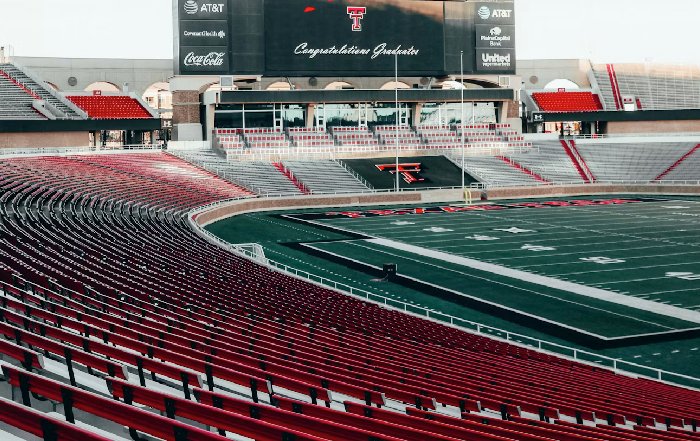
The Legacy of Iconic Stadiums on City Identity - How Will They Be Remembered
Stadiums as Strategic Assets in the Global City Brand
Iconic stadiums have evolved far beyond their original role as venues for sport and entertainment; they now operate as strategic assets in the competitive marketplace of global cities, shaping how places are perceived, how investment flows, and how communities understand themselves. As metropolitan regions from London to Los Angeles, Munich to Melbourne, and Tokyo to Toronto compete for tourism, talent, and capital, the stadium has become a central symbol in the architecture of city identity, blending sport, culture, technology, and business into a single, highly visible structure. For SportyFusion.com, which sits at the intersection of sports, culture, business, and lifestyle, the story of these venues is inseparable from the story of modern urban life and the people who live, work, and play around them.
From Wembley Stadium in London and Camp Nou in Barcelona to Madison Square Garden in New York and the Allianz Arena in Munich, these structures anchor the visual identity of cities in the same way that historic cathedrals or civic monuments once did, but with a distinctly contemporary twist that fuses elite performance, mass entertainment, and digital connectivity. Urban planners and branding experts now recognize that stadiums can be as influential as financial districts or cultural quarters in shaping a city's narrative, a point reinforced by research from organizations such as UNESCO, which has highlighted the role of cultural and sporting infrastructure in shaping urban heritage and social cohesion; readers can explore how this fits into wider urban policy discussions through resources such as the UNESCO culture and urban development hub.
Historical Evolution: From Arenas of Power to Platforms of Participation
The legacy of iconic stadiums is rooted in a long historical arc that stretches back to the Roman Colosseum and Greek amphitheaters, where architecture, power, and public spectacle were already tightly intertwined. Those early arenas expressed imperial authority and civic pride, functioning as both entertainment venues and public forums, and that duality continues to define the modern stadium's role as a space where political, social, and economic narratives are performed in front of global audiences. Over the twentieth century, the rise of mass spectator sports, broadcast media, and international competitions such as the Olympic Games and the FIFA World Cup transformed stadiums into global stages where nations and cities project their aspirations, values, and capabilities; historical overviews from the International Olympic Committee and FIFA show how each era's flagship venues mirror the technological and cultural priorities of their time.
In the post-war decades, stadiums in the United States, the United Kingdom, and Europe were often functional, concrete-heavy structures designed mainly for capacity and basic safety, but from the 1990s onward, the combination of global television rights, premium hospitality, and urban regeneration agendas pushed cities and clubs to invest in more ambitious, design-led arenas. Projects such as Sydney's Stadium Australia for the 2000 Olympics or Beijing's "Bird's Nest" for the 2008 Games demonstrated how an iconic venue could become a national calling card, a magnet for tourism, and a symbol of economic modernization, a pattern echoed in newer developments like SoFi Stadium in Los Angeles and Tottenham Hotspur Stadium in London. For cities across North America, Europe, and Asia, the stadium became a way to signal that they were part of an elite global circuit, a strategy that aligns with the broader competition among "world cities" documented by organizations such as the World Economic Forum.
Place-Making and Urban Regeneration: Stadiums as Catalysts
One of the most profound legacies of iconic stadiums lies in their role as catalysts for urban regeneration and place-making, reshaping neglected districts into new hubs of economic and social activity. When Manchester redeveloped the City of Manchester Stadium (now the Etihad Stadium) in the early 2000s as part of a broader regeneration of East Manchester, the project signaled a shift from isolated sports venues to integrated urban precincts that combine residential, commercial, and cultural functions. Similar patterns can be observed in London's Olympic Park, Munich's Allianz Arena district, and the Hudson Yards - Madison Square Garden corridor in New York, where stadiums are embedded in mixed-use developments that seek to balance event-day surges with everyday livability. Urbanists can trace these dynamics through resources such as the UN-Habitat urban regeneration insights which highlight both the opportunities and challenges of sports-led development.
The impact of such projects on city identity is significant, as they often redefine which neighborhoods are seen as aspirational, which transport routes become iconic, and which public spaces become backdrops for global media coverage. For local residents, this can create new opportunities in jobs, hospitality, and services, but it can also raise concerns about displacement, affordability, and social equity, particularly when property values and living costs rise in the wake of high-profile investment. It is in this tension between opportunity and risk that the true legacy of a stadium is forged, and it is why responsible city leaders now pay close attention to inclusive planning frameworks, impact assessments, and community benefit agreements, themes that align closely with the ethics and governance discussions regularly explored on SportyFusion.com.
Cultural Identity, Ritual, and Community Belonging
Beyond their economic and physical footprint, iconic stadiums shape the cultural identity of cities by serving as ritual spaces where collective memories are formed and shared, connecting generations through the emotional highs and lows of sport and performance. The Maracanã in Rio de Janeiro, Anfield in Liverpool, San Siro in Milan, and Yankee Stadium in New York are not merely buildings; they are repositories of stories, songs, and symbols that define what it means to belong to a particular place and community. These venues host defining moments that become city legends, from championship victories and comeback performances to concerts, civic ceremonies, and even political rallies, embedding the stadium deeply into the narrative of local identity. Sociologists and cultural historians often point to such spaces as modern "civic temples," a view supported by research cataloged in databases like JSTOR's sports and society collections, which show how stadium rituals reinforce shared values and group cohesion.
For cities with diverse populations, especially in global hubs such as London, New York, Toronto, Berlin, and Sydney, stadiums can also act as rare spaces where people from different backgrounds come together under a common banner, whether that is a club, a national team, or a global music act. This shared experience can help bridge cultural divides, particularly when clubs and venue operators actively promote inclusion, anti-discrimination campaigns, and community outreach. The work of organizations like Kick It Out in English football and initiatives supported by UEFA and FIFA against racism and homophobia demonstrate how stadiums can be leveraged as platforms for social messages, amplifying campaigns that reach audiences far beyond the city itself. For readers who follow the intersection of social impact and sport on SportyFusion.com, such initiatives illustrate the broader potential of stadiums to shape not only city identity but also urban values.
Economic Engines and the Business of Stadium Identity
In the twenty-first century, stadiums have become complex business ecosystems that extend well beyond ticket sales, integrating broadcasting rights, naming rights, hospitality, retail, and data-driven fan engagement into multi-layered revenue models. Cities that host globally recognized venues often benefit from increased tourism, conference business, and international profile, particularly when stadiums are associated with high-performing teams or prestigious events. The economic influence of venues like AT&T Stadium in Texas, Allianz Arena in Munich, and Emirates Stadium in London illustrates how naming partnerships with major corporations such as AT&T, Allianz, and Emirates convert stadiums into powerful brand platforms, aligning city identity with global business networks. Analysts can explore the financial dimension of these arrangements through resources such as the Deloitte Annual Review of Football Finance which regularly examines stadium-related revenues and their impact on clubs and cities.
However, the business of stadiums is not without controversy, particularly when public funds are used to finance construction or renovation projects that primarily benefit private franchises or investors. Debates in the United States around venues for NFL and MLB teams, and in Europe around major football stadium redevelopments, often revolve around questions of return on investment, opportunity cost, and long-term maintenance obligations. The Brookings Institution and similar policy think tanks have highlighted cases where projected economic benefits did not fully materialize, prompting a more cautious approach among policymakers and voters. For cities in emerging markets or in parts of Africa, Asia, and South America, where infrastructure needs are pressing, the decision to invest in a flagship stadium can be particularly sensitive, as it must be weighed against competing priorities such as transport, housing, and healthcare. This is where transparent governance, robust feasibility studies, and clear community benefit frameworks become essential to protecting trust, a theme that resonates with the business and governance coverage on SportyFusion.com.
Technology, Data, and the Smart Stadium City
The integration of advanced technology has transformed iconic stadiums into "smart" environments that mirror and sometimes even lead the digital evolution of the cities around them. From high-density 5G connectivity and cashless payment systems to AI-powered security, digital ticketing, and immersive AR/VR experiences, modern venues now function as testbeds for urban innovation. Cities like Seoul, Tokyo, Singapore, and Dallas have used stadium projects to showcase their capabilities in connectivity, cybersecurity, and data analytics, reinforcing their positioning as tech-forward hubs in the global economy. Industry bodies such as IEEE and technology companies like Cisco and IBM have documented how smart stadium solutions can improve crowd management, energy efficiency, and fan engagement, with case studies available through resources like the Cisco Sports & Entertainment solutions hub.
For fans, the digital stadium experience increasingly blends physical attendance with second-screen content, personalized offers, and real-time statistics, aligning with the broader shift toward data-driven performance analysis and interactive entertainment that readers of SportyFusion.com will recognize from both elite sport and gaming. At the city level, the same infrastructure that supports smart stadiums can feed into broader smart city systems, including transport optimization, public safety monitoring, and environmental sensing, creating a feedback loop in which stadium events provide valuable stress tests for urban resilience. Organizations such as the Smart Cities Council and the World Bank's urban development team have highlighted how mega-events and large venues can accelerate the deployment of such technologies, though they also raise important questions about data privacy, surveillance, and digital exclusion that must be addressed transparently to maintain public trust.
Sustainability, Climate Responsibility, and Environmental Legacy
As climate change and environmental responsibility have moved to the center of global business and policy agendas, stadiums have become high-profile test cases for sustainable design and operations, with significant implications for how cities present themselves to the world. New and renovated venues in Germany, Scandinavia, the Netherlands, the United States, and Australia increasingly feature energy-efficient lighting, on-site renewable power generation, advanced water management, and low-carbon materials, aligning with standards from organizations such as the U.S. Green Building Council and its LEED certification framework. Stadiums like Tottenham Hotspur Stadium, Mercedes-Benz Stadium in Atlanta, and Johan Cruyff Arena in Amsterdam have received international recognition for integrating sustainability into their core design, positioning their host cities as leaders in climate-conscious innovation.
For global audiences concerned with environmental impact, these developments signal a shift in how stadium legacies are evaluated, moving beyond economic and cultural metrics to include carbon footprints, resilience to extreme weather, and contributions to broader climate goals. Organizations such as the International Olympic Committee now require host cities to meet stringent sustainability criteria, and international frameworks like the UN Sports for Climate Action initiative encourage clubs, leagues, and venue operators to commit to emissions reductions and transparent reporting. Yet the challenge is substantial, particularly for older stadiums in Europe, North America, and Asia that were built to different standards and now require costly retrofits, as well as for fast-growing cities in Africa, South America, and parts of Asia where infrastructure gaps and resource constraints complicate the implementation of advanced green technologies. The long-term environmental legacy of iconic stadiums will therefore depend not only on new projects but also on how existing venues are adapted, reused, or replaced, a topic that SportyFusion.com continues to explore in its coverage of sustainable sports and lifestyle.
Global Events, Soft Power, and Geopolitical Narratives
Iconic stadiums are often inseparable from the mega-events they host, which in turn play a crucial role in shaping national and city narratives on the global stage. When Berlin's Olympiastadion, Moscow's Luzhniki Stadium, Johannesburg's FNB Stadium, or Beijing's National Stadium appear on television screens worldwide during World Cups and Olympics, they serve as visual shorthand for broader stories about political systems, economic development, and cultural identity. Governments and city authorities understand that such events can function as instruments of soft power, influencing how international audiences perceive their openness, modernity, and reliability as partners, a dynamic that scholars of international relations and cultural diplomacy have analyzed extensively, with accessible overviews available through organizations like the Chatham House international affairs institute.
This geopolitical dimension is particularly visible in debates around human rights, labor conditions, and freedom of expression in host countries, where stadium projects and event preparations can bring underlying issues into sharp focus. The scrutiny directed at venues in Qatar, Russia, and other recent hosts has led to stronger expectations around labor standards, transparency, and legacy planning, with advocacy groups and international bodies pressing for reforms. The International Labour Organization provides detailed resources on decent work in the context of mega-sporting events, illustrating how stadiums and their supply chains intersect with global labor governance. For cities seeking to use stadiums and events as branding tools, this means that the legacy of a venue now extends beyond architecture and sport into the realm of ethics, human rights, and long-term social responsibility, themes that align closely with the ethical perspectives that SportyFusion.com brings to its coverage.
Work, Skills, and the Evolving Stadium Workforce
The legacy of iconic stadiums is also written in the careers and capabilities of the people who design, build, operate, and animate them, from architects and engineers to groundskeepers, security staff, digital marketers, and hospitality teams. As stadiums have grown more technologically sophisticated and more deeply integrated into city economies, the range of skills required has expanded to include data analytics, cybersecurity, sustainability management, and fan experience design, creating new pathways in the global sports and entertainment job market. Educational institutions and professional associations in countries such as the United States, the United Kingdom, Germany, and Australia now offer specialized programs in sports facility management, event operations, and sports business, reflecting the growing professionalism of the sector. Prospective professionals can explore sector-wide insights through organizations like the European Association for Sport Management and the North American Society for Sport Management.
At the same time, the stadium workforce remains heavily reliant on part-time, event-based roles that can be precarious, as highlighted during the COVID-19 pandemic when event cancellations left many workers without income. This has prompted renewed discussion about fair wages, job security, and training opportunities, particularly in cities where stadiums are promoted as engines of inclusive growth. Trade unions, advocacy groups, and forward-looking venue operators are experimenting with new models of employment, apprenticeships, and community hiring commitments designed to ensure that the benefits of stadium-driven development are more evenly shared. For readers of SportyFusion.com, who follow the intersection of business, labor, and sport, the evolution of stadium-related work offers a telling microcosm of broader trends in the global service and experience economy.
The Future of Stadium Identity: Hybrid, Flexible, and Hopefully Still Human-Centered?
Thinking forward ahead, the legacy of iconic stadiums on city identity appears set to deepen and diversify, shaped by converging trends in technology, sustainability, social expectations, and economic strategy. Cities are increasingly exploring hybrid and flexible designs that allow stadiums to host a wider range of events, from esports tournaments and music festivals to community health programs and educational initiatives, ensuring year-round relevance and reducing the risk of underutilization. This aligns with the growing recognition that sport, culture, fitness, and training are interlinked components of urban well-being, and that stadiums can serve as anchors for broader wellness ecosystems that include parks, cycling routes, and public recreation facilities. Health organizations such as the World Health Organization continue to emphasize the importance of accessible physical activity infrastructure, and forward-looking cities are beginning to see stadium precincts as gateways to more active lifestyles rather than isolated islands of elite performance.
At the same time, the digital and remote consumption of sport, accelerated by streaming platforms and interactive technologies, raises questions about how physical stadiums will coexist with virtual arenas and global fan bases. The answer is likely to lie in a more human-centered approach that emphasizes authenticity, local culture, and shared experience, elements that cannot be fully replicated online and that give cities their distinctive flavor. For SportyFusion.com, which connects audiences across North America, Europe, Asia, Africa, and South America through coverage of world sport and culture, the evolving story of iconic stadiums is ultimately a story about how people choose to gather, celebrate, and express who they are, both as citizens of particular cities and as participants in a global sporting community. As new venues rise in the United States, the United Kingdom, Germany, Canada, Australia, France, Italy, Spain, China, the challenge and opportunity for city leaders, clubs, and fans alike will be to ensure that these structures do more than impress the eye or balance the books, but also embody the values of inclusivity, sustainability, and shared purpose that define the most resilient and inspiring urban identities.
In this sense, the true legacy of an iconic stadium is measured not only in trophies lifted or concerts sold out, but in the lasting imprint it leaves on the daily life, global reputation, and collective imagination of its city, an imprint that SportyFusion.com will continue to track across its interconnected Latest Sports News coverage of sports, technology, environment, social impact, and the ever-evolving culture of performance that defines the modern urban world.