

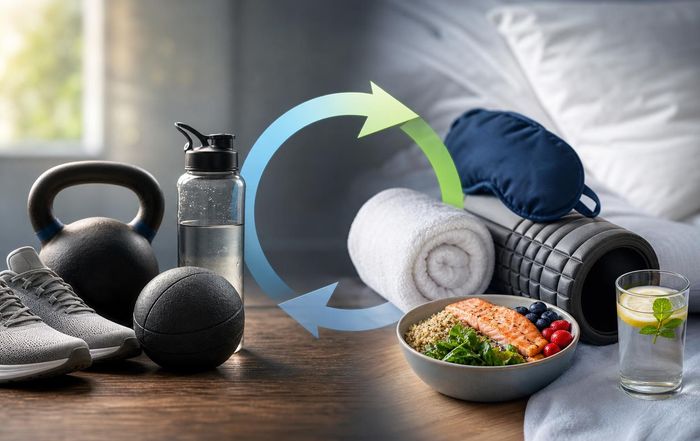
Why Everyday Athletes Need Recovery Strategies
The Rise of the Everyday Athlete
The line between professional athletes and committed amateurs has become increasingly blurred, as fitness technology, remote coaching, and global sports culture have transformed how people in the United States, Europe, Asia, Africa, and beyond approach movement, competition, and wellbeing. The everyday athlete is no longer simply someone who jogs on weekends or occasionally visits the gym; rather, this group now includes the marathon-running software engineer in Berlin, the CrossFit enthusiast in São Paulo, the indoor cycling devotee in New York, the padel player in Madrid, the trail runner in Cape Town, and the hybrid lifter-runner in Singapore who tracks every metric from heart rate variability to sleep efficiency. For the activity loving demographic of people coming to visit SportyFusion, which lives at the intersection of sports and performance, this shift has elevated recovery from an afterthought to a strategic pillar of sustainable athletic and professional success.
The modern training environment is shaped by constant access to on-demand workouts, gamified fitness platforms, and social comparison through leaderboards and wearable data sharing, all of which encourage more frequent and more intense efforts. Platforms like Strava and Zwift have normalized back-to-back high-intensity sessions, while connected devices from companies such as Garmin, Apple, and WHOOP have made it easier than ever to quantify strain, but not always to respect the body's need for rest. As a result, the concept of the everyday athlete now carries not only the aspiration to perform but also the responsibility to manage stress, recovery, and long-term health with the same seriousness that professional teams demonstrate on the world stage. Understanding why structured recovery strategies are essential is no longer optional; it is a prerequisite for sustaining performance, reducing injury risk, and protecting overall quality of life.
The Physiology of Recovery: What the Body Actually Needs
Behind every workout, whether it is a 5K run in London's parks, a HIIT class in Sydney, or a strength session in Toronto, lies a complex cascade of physiological stressors that affect muscles, connective tissues, the nervous system, and the endocrine system. During training, micro-tears form in muscle fibers, glycogen stores are depleted, and systemic inflammation increases as part of the body's adaptive response. Without adequate recovery, these micro-injuries accumulate, turning productive training stress into chronic overload, which can manifest as persistent fatigue, plateaued performance, or overuse injuries. Resources such as the American College of Sports Medicine and the National Strength and Conditioning Association have consistently highlighted that adaptation occurs not during the workout itself but in the recovery period that follows, when the body repairs tissue, replenishes energy stores, and recalibrates the nervous system.
In 2026, everyday athletes have unprecedented access to information about recovery physiology, yet many still underestimate the time required for full restoration of neuromuscular function and hormonal balance after intense efforts. Studies summarized by the National Institutes of Health and the UK National Health Service underscore that high-intensity intervals, heavy resistance training, and long endurance sessions can require 24 to 72 hours of structured recovery, depending on training status, age, and nutrition. For the global SportyFusion community, which often balances demanding careers with ambitious fitness goals, the key insight is that recovery is not a passive pause but an active phase of the training cycle, during which the body supercompensates, becoming stronger, faster, or more resilient if given the right conditions. Neglect this phase, and even the most sophisticated training plan will underperform.
Recovery as a Performance Strategy, Not a Luxury
The world's leading sports organizations and professional teams have long recognized that recovery is a performance multiplier, not a luxury or a sign of weakness. Elite squads in football, basketball, rugby, and athletics, from FC Barcelona to Manchester City, have built entire departments dedicated to load management, sleep optimization, and nutrition periodization, guided by sports scientists and performance analysts. As media coverage from outlets like ESPN and BBC Sport makes clear, decisions about who plays, how long they train, and how they travel are shaped by recovery data as much as by tactical considerations. Everyday athletes may not have access to full-time performance staff, but the principles that underpin professional recovery programs are directly transferable to recreational runners, cyclists, lifters, and team-sport participants in cities from New York to Tokyo.
For the readers of SportyFusion Performance, the strategic value of recovery can be seen in three dimensions: physical performance, mental focus, and career sustainability. Physically, well-planned recovery allows higher-quality training sessions with better technique and lower injury risk, which in turn accelerates progress. Mentally, adequate rest supports concentration, motivation, and emotional stability, all of which are essential for balancing competitive goals with work and family responsibilities. Professionally, avoiding chronic fatigue and stress-related illness helps preserve productivity and reduces absenteeism, aligning athletic ambitions with long-term career growth. This integrated perspective, where recovery serves both sporting and business outcomes, is central to the ethos of SportyFusion, which consistently explores the crossover between fitness, health, and professional life.
Sleep: The Cornerstone of Everyday Recovery
Among all recovery strategies, sleep remains the most powerful and accessible tool for everyday athletes across North America, Europe, Asia, and beyond. Organizations such as the National Sleep Foundation and the World Health Organization emphasize that adults generally require seven to nine hours of high-quality sleep per night to support optimal cognitive and physical function, with athletes often benefiting from the higher end of this range or from strategic naps. During deep and REM sleep, the body releases growth hormone, consolidates motor learning, and performs essential immune functions, making this period critical for muscle repair, glycogen restoration, and neural recovery after demanding training.
In 2026, the widespread use of sleep-tracking wearables and smart home devices has made sleep data more visible, but visibility alone does not guarantee behavior change. Many SportyFusion readers still navigate late-night work emails, global time zones, and device-driven distractions that erode sleep quantity and quality. The most effective everyday strategies involve aligning training intensity with realistic sleep windows, minimizing caffeine late in the day, and creating consistent pre-sleep routines that reduce cognitive arousal. Resources such as the Sleep Foundation's guidance on sleep and exercise help everyday athletes understand how to time workouts relative to bedtime and how to interpret sleep metrics without becoming obsessive. When sleep is treated as a non-negotiable performance variable rather than a flexible leftover, the benefits extend beyond faster recovery to improved decision-making, emotional regulation, and resilience under pressure.
Nutrition and Hydration: Fueling the Recovery Equation
Recovery is not only about rest; it is also about providing the body with the raw materials it needs to repair and adapt. Post-exercise nutrition strategies, long promoted by organizations like the Academy of Nutrition and Dietetics and the International Olympic Committee, emphasize the importance of replenishing glycogen through carbohydrates, supporting muscle protein synthesis through adequate protein intake, and restoring fluids and electrolytes lost through sweat. For everyday athletes training in hot climates in Australia, Thailand, or Brazil, or in high-intensity indoor environments in Canada or Sweden, hydration strategies become particularly critical, as even mild dehydration can impair performance and prolong recovery.
In practical terms, everyday athletes benefit from planning recovery meals and snacks with the same intention they bring to their workouts, prioritizing whole foods, lean proteins, complex carbohydrates, and healthy fats, while avoiding excessive alcohol and ultra-processed foods that can exacerbate inflammation and disrupt sleep. Guidance from the Harvard T.H. Chan School of Public Health provides evidence-based frameworks for building balanced plates that support both training and long-term health. For SportyFusion's audience, which spans cultures and cuisines from Italy and France to Japan and South Africa, integrating local, nutrient-dense foods into recovery routines can also strengthen cultural connection and enjoyment, reinforcing the idea that recovery is an opportunity to nourish rather than merely to refuel.
Active Recovery and the Role of Movement
While rest days are essential, complete inactivity is not always the most effective recovery approach, especially for everyday athletes who spend much of their non-training time sitting at desks, commuting, or engaging in screen-based work. The concept of active recovery, supported by research shared through platforms like PubMed, involves low-intensity movement that promotes blood flow, supports lymphatic circulation, and reduces muscle stiffness without adding significant training stress. Activities such as easy cycling, gentle swimming, walking, mobility work, and yoga can accelerate the clearance of metabolic byproducts and support joint health, particularly for those engaged in high-impact sports like running or football.
For the SportyFusion community, integrating active recovery into weekly routines can also serve as a psychological reset, providing opportunities to move without performance pressure or data-driven goals. This is particularly relevant in urban environments like London, New York, and Singapore, where stress levels are high and time is fragmented. By reframing recovery days as movement opportunities rather than "off" days, everyday athletes can maintain consistency, support cardiovascular health, and preserve the habit of daily activity, all while allowing muscles and the nervous system to regenerate. This mindset aligns closely with the broader SportyFusion lifestyle philosophy, which views movement as an integral, enjoyable part of life rather than a narrow pursuit of metrics.
Technology, Data, and the New Recovery Ecosystem
The recovery landscape in 2026 is deeply intertwined with technology, as wearables, apps, and connected equipment attempt to quantify fatigue, readiness, and sleep quality for users across continents. Devices from companies such as Apple, Garmin, Polar, and WHOOP now provide metrics like heart rate variability, resting heart rate, sleep stages, strain scores, and recovery indices, while platforms like Garmin Connect and Apple's Fitness ecosystem integrate data across training and daily life. For everyday athletes, these tools can be powerful allies when used thoughtfully, helping to identify patterns, prevent overreaching, and prompt rest when physiological signals indicate heightened stress.
However, as SportyFusion's coverage in technology and performance often highlights, data is only as useful as the decisions it informs. An overreliance on algorithms can lead some athletes to ignore subjective signals such as mood, soreness, and motivation, or to feel pressured to "beat" their own data regardless of life stressors like travel, work deadlines, or family commitments. The most effective everyday recovery strategies combine objective metrics with self-awareness, using technology as a guide rather than a dictator. Educational resources from organizations like the American College of Sports Medicine and the European College of Sport Science can help athletes interpret data in context, while SportyFusion's own training insights emphasize the importance of listening to the body alongside the dashboard.
Mental Recovery, Stress, and the Modern Work-Sport Balance
Recovery is often framed in purely physical terms, yet mental and emotional load can be just as significant for everyday athletes, especially those managing demanding careers in finance, technology, healthcare, or creative industries across the United States, United Kingdom, Germany, Singapore, and beyond. Chronic psychological stress elevates cortisol, disrupts sleep, impairs immune function, and can slow tissue repair, effectively undermining the benefits of physical recovery strategies. Organizations like the American Psychological Association and the Mental Health Foundation in the UK stress the importance of integrating stress-management practices into daily life, including mindfulness, breathing exercises, time management, and boundary setting.
For SportyFusion's audience, which often views sport as both a passion and a coping mechanism, there is a delicate balance between using training as a stress outlet and inadvertently adding to overall load. High-intensity sessions performed in a state of chronic sleep deprivation and work-related anxiety can tip the nervous system further into overdrive, leading to irritability, burnout, or loss of enjoyment. Deliberate mental recovery strategies, such as scheduling low-intensity days after particularly demanding work periods, incorporating short meditation practices, or engaging in social, non-competitive forms of activity, can help align training with mental health. SportyFusion's social and culture coverage frequently highlights how communities, clubs, and informal training groups across cities like Amsterdam, Melbourne, and Seoul provide not only physical benefits but also psychological support, reinforcing the idea that recovery is as much about connection and perspective as it is about physiology.
Injury Prevention and the Cost of Ignoring Recovery
The consequences of neglecting recovery are often invisible at first, but over time they manifest as overuse injuries, recurring niggles, and chronic pain that can derail both athletic and professional ambitions. Tendinopathies, stress fractures, persistent back pain, and joint issues are common among runners, cyclists, lifters, and racquet-sport players who increase volume or intensity without sufficient rest. Organizations such as the Mayo Clinic and Cleveland Clinic provide extensive guidance on recognizing early warning signs and structuring training to avoid overload, yet many everyday athletes only seek this information after injury has already occurred.
For the SportyFusion readership, which frequently spans high-achieving professionals in major cities from Zurich and Stockholm to Tokyo and Vancouver, the cost of injury is not only physical but also economic and psychological. Time away from training can disrupt routines, affect mood, and erode the sense of identity that many derive from their sporting pursuits, while medical treatments, physiotherapy, and missed workdays can carry financial implications. By embedding recovery strategies into training plans from the outset, everyday athletes can view injury prevention as a proactive investment rather than a reactive expense. SportyFusion's business and jobs sections increasingly explore how employers and organizations are beginning to recognize the value of supporting employee wellbeing, including recovery-friendly policies, flexible schedules that accommodate training and rest, and access to wellness resources that reduce long-term health costs.
Cultural and Global Perspectives on Recovery
Across the regions that define SportyFusion's global audience, cultural attitudes toward work, rest, and sport shape how recovery is perceived and practiced. In parts of Asia, including Japan, South Korea, and Singapore, long working hours and high academic and professional expectations can make rest feel like a luxury, leading some everyday athletes to train late at night or early in the morning, compressing sleep into already crowded schedules. In Europe, particularly in Scandinavia, there is often a stronger cultural emphasis on balance, outdoor activity, and vacation time, which can support more sustainable training and recovery rhythms. In North America, the "hustle" mindset sometimes extends from the office to the gym, encouraging maximal effort in every session and glorifying exhaustion as a badge of honor.
SportyFusion's world and news coverage has documented how global sporting events, from the Olympic Games to continental marathons and cycling tours, increasingly highlight athlete wellbeing and mental health, shifting public conversation toward more holistic performance models. Initiatives from organizations like the International Olympic Committee and FIFA around safeguarding, workload management, and post-career support signal that recovery is not just a personal responsibility but also a systemic concern. Everyday athletes can draw inspiration from these shifts, advocating within their own clubs, workplaces, and communities for cultures that respect rest, encourage open dialogue about fatigue and mental health, and celebrate sustainable progress rather than short-term extremes.
Building a Personal Recovery Framework with Us
For everyday athletes navigating the complex interplay of sports, work, and life, the most effective approach to recovery is both structured and flexible, grounded in evidence yet tailored to individual realities. A practical framework begins with clear training goals, honest assessment of available time and energy, and an understanding of personal responses to different types of stress. From there, athletes can allocate specific days or periods for lower-intensity work, sleep prioritization, and mental decompression, adjusting based on feedback from both their bodies and their data. Resources increasingly getting recommendations across SportyFusion's fitness, health, and training sections support this process, offering insights into programming, cross-training, and lifestyle design that align with the principles of recovery-centered performance.
As the everyday athlete movement continues to grow from New York to Nairobi, from London to Lagos, and from Tokyo to Toronto, the platforms that serve this community carry a responsibility to promote not only ambition and achievement but also sustainability and self-care. SportyFusion is committed to that broader vision, connecting readers to positive independent news, global best practices, expert perspectives, and real-world stories that demonstrate how recovery strategies can unlock not only faster times and heavier lifts but also healthier, more resilient lives. By reframing recovery as a core competency rather than a concession, everyday athletes can continue to push boundaries in sport, business, and culture, while protecting the most important asset they possess: their long-term health and wellbeing.