

Global Fitness 2026: How Cross-Border Movement Became a Shared Language of Business, Culture, and Technology
By 2026, fitness has matured from a fragmented collection of national sports traditions into one of the most interconnected, data-driven, and culturally influential movements of the modern era, and nowhere is this transformation more visible than in the global communities that engage with SportyFusion every day. What once existed as isolated practices in gyms, stadiums, and local clubs in cities like New York, Berlin, Tokyo, and Sydney has evolved into a seamless web of international events, virtual competitions, and cross-cultural collaborations that link participants from the United States, Europe, Asia, Africa, and South America in real time. This evolution is not simply about the spread of workout trends or competitive sports; it is a profound redefinition of how societies value health, inclusion, technology, and shared experience, and it is shaping the way individuals, brands, and institutions think about performance, identity, and global citizenship.
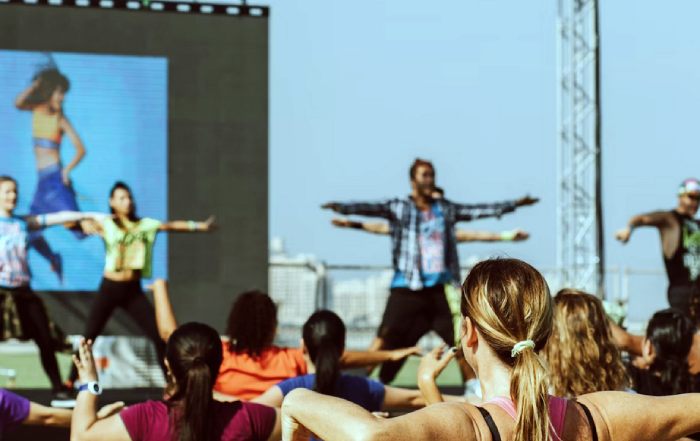
At the center of this shift is a new understanding of fitness as both a personal and collective endeavor. Marathon runners in London, cyclists in Copenhagen, yoga practitioners in Bali, CrossFit athletes in Austin, and wellness enthusiasts in Singapore now participate in events that are as much about cultural exchange and digital connection as they are about physical achievement. This globalized fitness culture has become a living case study in experience, expertise, authoritativeness, and trustworthiness, where credible information, evidence-based training, and transparent governance are essential to sustaining growth. For readers who follow these developments through SportyFusion's coverage of performance, recovery, and training innovation, the evolution of this landscape is not abstract; it is embedded in their daily routines and long-term goals, and can be explored further through dedicated sections such as training and athletic development and fitness-focused analysis.
Cross-Border Events as Cultural and Economic Connectors
International fitness and sports events now operate as powerful engines of cultural diplomacy, business development, and social cohesion. The World Marathon Majors, the CrossFit Games, and the Ironman World Championship have each evolved from elite, geographically bound competitions into global platforms that combine on-site participation with synchronized digital races, educational programming, and community outreach. Cities like Boston, Tokyo, Cape Town, and Barcelona host events that attract thousands of international visitors while simultaneously engaging hundreds of thousands more through virtual entries, live streams, and app-based participation, reinforcing the idea that fitness can be a shared experience irrespective of physical location.
This redefinition of event design mirrors a broader recognition that sport and wellness can serve as informal diplomacy tools. Institutions such as the International Olympic Committee and the authors of the Olympic Charter long argued that sport could foster peace and mutual understanding, but in 2026 that principle is increasingly realized through hybrid formats that blend local culture with global accessibility. Participants no longer perceive themselves solely as competitors or spectators; they see themselves as members of cross-border communities, connected by common goals of health, resilience, and self-improvement. For readers following global developments through world and international coverage, this linkage between sport, culture, and geopolitics is an essential lens for understanding how fitness now influences broader social narratives.
Digital Infrastructure and the Rise of Virtual Participation
The digital infrastructure that underpins today's global fitness ecosystem is the product of rapid innovation accelerated by the disruptions of the early 2020s. The pandemic years compelled event organizers, gyms, and federations to experiment with virtual formats, and by 2026 these experiments have matured into robust, scalable platforms that blend augmented reality, wearable biosensors, and cloud-based analytics. Companies such as Zwift, Peloton, and FitXR have built immersive environments where cyclists in Germany, runners in Canada, and boxers in Brazil can compete, train, and socialize in synchronized virtual arenas that replicate real-world conditions with remarkable fidelity.
These platforms rely on sophisticated data pipelines and real-time performance tracking, integrating metrics captured by devices from Garmin, Apple, and Fitbit with AI-driven coaching engines that adapt intensity, pacing, and strategy to each participant's physiology and environment. The result is a democratization of high-level training that was once accessible only to professional athletes with access to elite facilities and coaching teams. Learn more about how such technologies are reshaping performance and training methodologies by exploring SportyFusion's technology insights as well as the broader discussion of performance analytics and optimization.
Beyond commercial platforms, global institutions have recognized digital fitness as a public health and inclusion tool. Bodies such as the World Health Organization and UNESCO have supported initiatives that leverage mobile apps, remote coaching, and AI-based health tracking to reach communities with limited access to traditional facilities. These programs increasingly rely on open standards and interoperability, reflecting trends in digital health policy visible in frameworks promoted by organizations like the World Economic Forum, where initiatives on global health and digital transformation underscore the importance of equitable access to technology-enabled wellness.
Corporate Ecosystems, Brand Authority, and Community Building
Multinational athletic and lifestyle brands have become central architects of this global fitness network, recognizing that long-term loyalty now depends on authenticity, social responsibility, and credible expertise rather than one-way advertising. Companies such as Nike, Adidas, Lululemon, Under Armour, and Puma have invested heavily in community-based ecosystems that integrate digital platforms, local events, and social impact initiatives. Programs like Adidas Runners, Nike Run Club, and Lululemon's Global Run Collective bring together participants from London, Johannesburg, Seoul, and Los Angeles in coordinated training cycles, virtual challenges, and in-person meetups that emphasize inclusion, mental health, and personal growth alongside physical performance.
These brands increasingly align their campaigns with broader movements around diversity, equity, and mental well-being, partnering with organizations such as Girls on the Run, Special Olympics, and The Trevor Project to ensure that underrepresented communities have access to safe, supportive fitness environments. This shift is reflected in the growing prominence of environmental, social, and governance considerations in annual reports and investor communications, where leading firms highlight wellness initiatives as strategic levers for long-term value creation. Business leaders and professionals can deepen their understanding of this interplay between sports, branding, and corporate responsibility through the dedicated business and market analysis section on SportyFusion, as well as external resources such as McKinsey & Company's research on the global sports industry.
Regional Dynamics: A Global Mosaic of Fitness Cultures
While fitness has become a global language, its expression remains deeply influenced by regional histories, economic conditions, and cultural priorities, creating a mosaic of approaches that together define the 2026 landscape. In North America, particularly in the United States and Canada, the emphasis has shifted toward hybrid community models that blend large-scale events like the Boston Marathon and Chicago Marathon with neighborhood-based wellness programs, corporate step challenges, and university-led health initiatives. Municipal governments and healthcare systems increasingly collaborate on cross-border efforts, often informed by research from institutions such as the U.S. Centers for Disease Control and Prevention, whose guidance on physical activity and public health continues to shape policy and community design.
In Europe, the diversity of languages, cultures, and regulatory environments has made the region a laboratory for inclusive fitness policy and infrastructure. Initiatives led by the European Commission's sports unit and collaborative frameworks such as the European Week of Sport encourage member states to prioritize accessible facilities, active transport, and digital inclusion, while events in cities like Amsterdam, Hamburg, Barcelona, and Lisbon showcase how local identity can be celebrated within global participation models. Insights into these policy directions are frequently discussed by organizations such as EuropeActive, whose reports on the European fitness and health club market provide valuable data for investors, operators, and policymakers.
Across Asia, rapid urbanization, rising middle-class incomes, and strong technology sectors have positioned countries like Japan, South Korea, Singapore, and China at the forefront of tech-enabled fitness innovation. Regional conferences and expos bring together wearable manufacturers, AI startups, and sports science researchers to explore how data-driven training, telehealth integration, and smart-city infrastructure can support healthier populations. National strategies, such as China's "Healthy China 2030" initiative and Singapore's Smart Nation projects, underscore the extent to which fitness and wellness are now viewed as strategic assets in economic and social planning, complementing global perspectives shared by bodies like the OECD on health and well-being as economic drivers.
For readers of SportyFusion tracking these shifts across continents, the world and culture sections provide ongoing analysis of how regional differences enrich, rather than fragment, the emerging global fitness culture.
Technology as an Engine of Trust, Fairness, and Personalization
The technological architecture of global fitness in 2026 is notable not only for its sophistication but also for its role in reinforcing trust, fairness, and inclusivity. Artificial intelligence now underpins personalized training plans, injury prevention models, and mental health support tools, drawing on advances documented by institutions such as Stanford University's Human Performance Alliance and the MIT Media Lab, whose research on sports analytics and human-computer interaction has influenced both consumer products and elite performance programs.
In parallel, blockchain and distributed ledger technologies are increasingly used to authenticate race results, verify age and eligibility criteria, and issue tamper-proof digital certificates that athletes can share with sponsors, employers, or educational institutions. This is particularly transformative for athletes in regions where traditional record-keeping and institutional recognition have been limited, such as parts of Africa and South America, enabling them to build verifiable performance histories without relying on centralized authorities. Industry-focused groups like Sport Integrity Global Alliance and academic centers on sports law and governance have highlighted these developments as critical steps in safeguarding fair competition and combating fraud.
Wearable technology has progressed from basic step counting to continuous, multi-parameter monitoring that includes heart rate variability, oxygen saturation, sleep stages, and even early signs of overtraining or illness. The integration of these devices with cloud platforms and AI analytics engines allows coaches, medical professionals, and participants themselves to make informed, data-driven decisions. Resources such as the American College of Sports Medicine and its guidance on exercise testing and prescription remain cornerstones for translating raw data into safe, effective practice, and SportyFusion's health and technology coverage regularly examines how evidence-based standards are applied within consumer and professional contexts.
Sustainability and Ethical Responsibility in a Global Fitness Economy
As participation in cross-border events has grown, so too has scrutiny of their environmental and ethical impact. Organizers, brands, and host cities now face expectations that they will minimize carbon emissions, reduce waste, and ensure that local communities benefit from, rather than bear the costs of, major events. This has led to the adoption of carbon accounting, renewable energy sourcing, and circular material strategies in event planning, with many organizers drawing on frameworks such as the United Nations Sports for Climate Action Framework and the UN Environment Programme's guidance on sustainable event management.
Leading marathons, triathlons, and multi-sport festivals have implemented measures such as refillable hydration systems, biodegradable race materials, sustainable apparel partnerships, and public transit incentives for participants and spectators. Organizations like WWF and The Nature Conservancy frequently collaborate with events to integrate biodiversity education and conservation fundraising into race experiences, transforming participation into an opportunity for environmental advocacy. For readers interested in how these sustainability efforts intersect with performance, infrastructure, and policy, SportyFusion's environment section offers ongoing coverage of green innovation in sports and fitness.
Ethical responsibility extends beyond environmental considerations to include data privacy, athlete welfare, and equitable access. The proliferation of biometric data has raised legitimate concerns around consent, ownership, and potential misuse by employers, insurers, or third parties. Regulatory frameworks such as the EU's General Data Protection Regulation (GDPR) and evolving guidelines from authorities like the UK Information Commissioner's Office on biometric data are shaping how fitness platforms and event organizers design their data governance models. Within this context, SportyFusion's ethics coverage examines how organizations can balance innovation with robust protections for participants.
Inclusion, Social Equity, and the Human Dimension of Performance
A defining characteristic of the global fitness movement in 2026 is its explicit commitment to inclusion and social equity. Gender parity, disability access, and economic affordability have shifted from peripheral concerns to central design criteria for credible events and platforms. International bodies such as UN Women, the International Paralympic Committee, and the Global Wellness Institute have championed initiatives that aim to remove structural barriers to participation, while national sports councils and NGOs have implemented targeted programs for women, LGBTQ+ communities, refugees, and low-income populations.
Women-led initiatives, including campaigns like Nike's Women in Motion, She Runs the Night, and regional mentorship networks, have expanded leadership opportunities and visibility for female athletes, coaches, and executives. Adaptive fitness programs, supported by advances in prosthetics, exoskeletons, and accessible interface design, have enabled athletes with disabilities to compete on more equal terms in both physical and virtual arenas. Organizations such as ParalympicsGB and US Paralympics provide models for integrating high-performance pathways with community-level access, supported by research from bodies like the International Paralympic Committee on classification, training, and inclusion.
Affordability remains a major challenge, especially in parts of Africa, South Asia, and Latin America, but the expansion of low-bandwidth digital platforms, subsidized event entries, and micro-grant schemes has begun to reduce cost barriers. Many of these initiatives are documented in social innovation and development reports by entities such as the World Bank, which has explored the role of sport and development as a catalyst for social cohesion and youth empowerment. For readers interested in how these efforts intersect with community building and social impact, SportyFusion's social coverage offers ongoing stories from grassroots to global scale.
Media, Storytelling, and the Authority of Lived Experience
The media environment surrounding fitness in 2026 has become both more fragmented and more influential, with traditional broadcasters, streaming platforms, and independent creators all shaping how audiences perceive health, performance, and identity. Networks such as ESPN, BBC Sport, and Sky Sports continue to provide professional coverage of major events, but digital platforms like YouTube, Twitch, and TikTok have enabled athletes, coaches, and everyday participants to share their own narratives directly, building trust through transparency and relatability. This shift aligns closely with the values of the SportyFusion audience, which increasingly seeks nuanced, expert-driven analysis that still recognizes the emotional and personal dimensions of fitness journeys, as reflected in the site's news and trend coverage.
Influential figures such as Eliud Kipchoge, Simone Biles, Naomi Osaka, and Alexia Putellas embody this new hybrid role of athlete, advocate, and educator. Their willingness to discuss mental health, social justice, and ethical issues alongside training and competition has elevated public discourse, encouraging organizations to address topics once considered off-limits. This convergence of expertise, lived experience, and advocacy reinforces the importance of credible, empathetic storytelling in building long-term trust with global audiences.
Looking Ahead: A Converging Future of Fitness, Business, and Society
As the world moves toward 2030, the trajectory of global fitness suggests a future in which movement, health, and technology are ever more deeply embedded in the fabric of daily life, business strategy, and cultural exchange. Artificial intelligence will continue to refine personalization, accounting not only for physiological data but also for cultural context, work schedules, and environmental conditions, thereby making training more relevant and sustainable for individuals in New York, Nairobi, Mumbai, or Melbourne alike. Cross-sector collaborations between healthcare providers, technology firms, sports organizations, and governments are likely to deepen, echoing the integrative models discussed by institutions like the World Health Organization and OECD, where health promotion is framed as both a human right and an economic imperative.
Emerging markets across Africa, South America, and Southeast Asia will increasingly shape the global conversation, not merely as new consumer bases but as sources of innovation in low-cost technology, community-based programming, and climate-resilient event design. Their contributions will challenge established models and encourage more diverse, context-sensitive approaches to global fitness strategies. As these dynamics unfold, platforms like SportyFusion will continue to play a critical role in curating, analyzing, and contextualizing developments across fitness, culture, health, technology, and business, helping readers navigate a complex but opportunity-rich landscape through sections such as lifestyle, sports, and the site's continually updated homepage.
In this converging future, fitness is no longer an isolated hobby or a niche industry; it is a shared global language that influences how people work, connect, travel, and negotiate their identities. It sits at the intersection of personal aspiration and collective responsibility, where performance is measured not only in times, distances, and scores but also in resilience, empathy, sustainability, and inclusion. By grounding innovation in credible science, transparent governance, and respect for human diversity, the global fitness movement of 2026 offers a blueprint for how other sectors might navigate the challenges of an interconnected world-proving that when movement becomes a medium for understanding, the boundaries between nations, disciplines, and cultures begin to dissolve.