

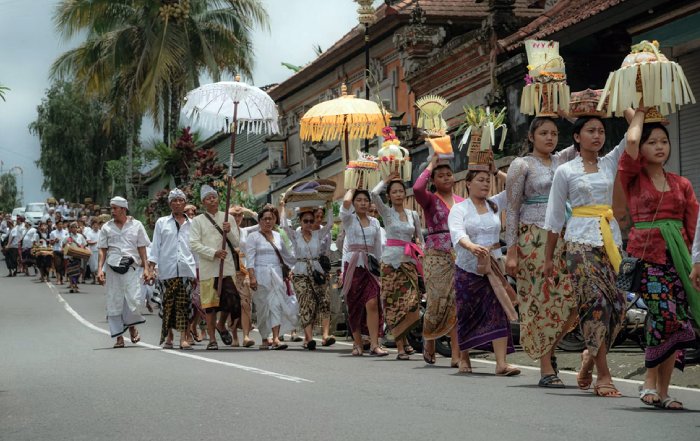
Local Traditions Shaping Global Lifestyle in 2026: How SportyFusion Readers Live the Change
A New Phase of Global Lifestyle: 2026 and the Power of Local Roots
Well the geography of lifestyle has become far more complex and dynamic than the linear flow from a few global capitals to the rest of the world. Trends that once emerged primarily from corporate headquarters, luxury districts, and elite training centers are now just as likely to originate in a Brazilian favela football pitch, a Korean mountain temple, a South African township gym, or a family-owned trattoria in Italy, before being amplified through digital ecosystems and global media. What appears at first as a hyper-local ritual, game, or recipe can now influence how people train, eat, work, and socialize within months. For SportyFusion.com, which serves readers who move seamlessly between fitness, culture, health, technology, business, and performance, this shift is not simply an interesting phenomenon; it is a strategic framework for understanding where innovation, opportunity, and responsibility converge in the global lifestyle economy.
This convergence between local heritage and global distribution has created a powerful, self-reinforcing feedback loop. Digital platforms such as YouTube, TikTok, and Instagram, alongside specialist communities on Reddit and Discord, enable individuals and communities in virtually any country to document their traditions and reinterpret them for contemporary audiences. At the same time, the entrenchment of remote and hybrid work, the growth of cross-border entrepreneurship, and the rise of global talent mobility have made it easier for professionals and creators to immerse themselves physically in different cultures while maintaining global careers. Institutions such as UNESCO, through initiatives like its Intangible Cultural Heritage list, continue to validate these practices as assets to be safeguarded, studied, and shared, rather than curiosities to be consumed and discarded. Against this backdrop, the readers of SportyFusion, whether they access world perspectives or lifestyle features, increasingly view local traditions as blueprints for performance, wellbeing, and sustainable business, not as ornamental additions to an otherwise standardized global lifestyle.
From Street Games to High-Performance Training Systems
Nowhere is the interplay between local heritage and global adoption more visible than in the evolution of fitness and sport. Traditional movement systems, communal games, and regional combat arts have become foundational sources for contemporary training methodologies, sports science, and performance coaching across continents. For a readership that follows fitness coverage and performance analysis on SportyFusion.com, the story of 2026 is not merely about more data or more devices; it is about how centuries-old practices are being reinterpreted through modern science and technology to drive results in elite sport and everyday health.
Disciplines such as yoga, tai chi, and capoeira have long demonstrated how traditional practices can become global wellness pillars, but the current decade has brought a broader and more nuanced wave of integration. Nordic concepts of friluftsliv, emphasizing open-air living and deep connection with nature, have informed the global rise of cold-water immersion, trail-based conditioning, and year-round outdoor training programs, supported by mounting evidence from organizations like the World Health Organization on the mental and physical benefits of green and blue spaces. Japanese shinrin-yoku, or forest bathing, has moved beyond niche retreats to influence corporate wellbeing strategies in the United States, the United Kingdom, Germany, and Singapore, with health experts referencing research from institutions such as Harvard T.H. Chan School of Public Health, whose resources on environment and health are frequently consulted by policymakers and corporate wellness leaders.
Combat sports and martial arts provide another powerful example of local-to-global transformation. Muay Thai in Thailand, Brazilian Jiu-Jitsu in Brazil, and taekwondo in South Korea have evolved from regionally embedded systems into global performance ecosystems that shape both professional mixed martial arts and mainstream group fitness. Data-driven platforms such as Strava and Garmin Connect now track training loads from these disciplines alongside running, cycling, and strength work, while bodies such as the American College of Sports Medicine continue to publish research on injury prevention, metabolic demands, and long-term health outcomes associated with these practices. For SportyFusion readers, who often combine local gym memberships with global digital coaching, the key insight is that cultural context is becoming a performance variable: understanding the rituals, values, and community structures around a movement tradition can be as important as understanding sets, reps, and heart-rate zones.
Culinary Heritage as Health Strategy and Climate Response
The global search for healthier, more sustainable diets has accelerated the elevation of local food traditions into international reference models. The Mediterranean diet, grounded in the culinary cultures of Italy, Spain, Greece, and surrounding regions, remains a widely recognized gold standard for cardiovascular health and longevity, with organizations such as the Mayo Clinic continuing to validate its benefits. Yet in 2026, the conversation has expanded to embrace a much wider spectrum of regional food systems, from Japanese washoku and Korean temple cuisine to West African grain-based dishes and Latin American agroecological farming practices, all of which resonate strongly with readers who follow health and nutrition coverage on SportyFusion.com.
The Japanese tradition of washoku, recognized by UNESCO as an intangible cultural heritage, emphasizes seasonality, balance, and aesthetic simplicity, and has influenced global interest in fermented foods, moderate portion sizes, and umami-rich plant-based meals. Simultaneously, the resurgence of indigenous grains such as fonio in West Africa, teff in Ethiopia, and quinoa in the Andean region has gained support from development bodies and research institutions like the Food and Agriculture Organization of the United Nations, which highlight their nutritional density, resilience to climate stress, and lower environmental footprints compared with some industrial monocultures. Chefs in cities from London and Paris to Toronto and Melbourne now integrate these ingredients into menus that appeal to performance-focused consumers and environmentally conscious diners alike, while sports dietitians and endurance coaches explore their potential in fueling strategies for athletes.
Beyond ingredients, traditional food systems often embody principles that modern sustainability frameworks attempt to codify. Nose-to-tail and root-to-stem cooking in European and Asian cuisines, preservation techniques from Nordic and Alpine regions, and community-based food sharing in parts of Africa, Latin America, and Southeast Asia demonstrate how to reduce waste, maintain biodiversity, and reinforce social cohesion through everyday eating habits. Organizations such as the Ellen MacArthur Foundation have drawn attention to these models as practical expressions of the circular economy, inspiring entrepreneurs and established companies in the food, hospitality, and consumer goods sectors to rethink product lifecycles and supply chains. For the business-focused audience of SportyFusion, which regularly consults the platform's business section, these developments illustrate how culinary heritage can underpin new ventures in functional foods, performance nutrition, and sustainable dining concepts, provided that origin communities are recognized, respected, and fairly compensated.
Local Culture as Strategic Capital for Global Brands
In parallel with shifts in individual behavior, local traditions are reshaping how global brands in sport, technology, hospitality, and entertainment design products, craft narratives, and build trust. Authenticity has become a hard business metric rather than a soft marketing claim, and cultural fluency is increasingly recognized as a source of competitive advantage. For the SportyFusion.com audience that tracks brand innovation through the brands section, the most successful global players are those that treat local culture as strategic capital, not as a decorative afterthought.
Sportswear leaders such as Nike, Adidas, and Puma, along with emerging regional brands in markets like China, South Africa, and Brazil, have deepened their collaborations with local designers, athletes, and creative communities. Collections inspired by Lagos street art, Seoul's tech-driven youth culture, or Rio de Janeiro's beach and favela aesthetics now influence mainstream design language in Europe, North America, and Asia, while also funding community courts, training facilities, and youth mentorship programs. These initiatives increasingly align with global frameworks like the UN Global Compact, which encourage companies to integrate human rights, labor, environmental, and anti-corruption principles into their operations and partnerships.
The hospitality and tourism sectors have followed a similar trajectory. Boutique hotels, eco-lodges, and experience platforms have moved beyond superficial décor to embed local rituals, craftsmanship, and social structures into guest experiences. Japanese ryokan hospitality, Moroccan riad architecture, South African township tours curated by local entrepreneurs, and indigenous-guided trekking in New Zealand and Canada are now seen as models for immersive, responsible tourism. Organizations such as the World Travel & Tourism Council emphasize that when community-based tourism is designed with strong governance and benefit-sharing mechanisms, it can distribute economic gains more equitably and help preserve cultural heritage in the face of global pressure. For SportyFusion readers who view travel as an extension of their lifestyle and performance choices, these models demonstrate how brands can deliver memorable experiences while still honoring the communities that inspire them.
Technology as Cultural Amplifier and Preservation Tool
The technological layer that sits atop this cultural renaissance is critical. High-speed connectivity, cloud infrastructure, and accessible content creation tools have allowed local traditions to be documented, shared, and monetized at unprecedented speed, while also raising new questions about ownership and representation. For a readership that follows technology coverage and gaming insights on SportyFusion.com, the interplay between digital innovation and cultural heritage is now central to understanding how lifestyle trends form and evolve.
Short-form video platforms and streaming services have transformed local festivals, dance traditions, and informal sports into global spectacles. West African dance forms, Brazilian funk steps, and Latin American street workouts routinely anchor viral challenges that influence music production, apparel trends, and fitness choreography across continents. Esports and gaming companies increasingly integrate local myths, histories, and aesthetics into game design, character development, and tournament storytelling, with analytics and market intelligence from firms such as Newzoo, whose global games market trends reports illustrate how culturally specific content can enhance engagement from Seoul and Tokyo to Berlin and Los Angeles.
Immersive technologies are extending this dynamic into new domains. Virtual reality and augmented reality projects, often developed in collaboration with museums, universities, and cultural organizations, allow users in Canada, the Netherlands, or South Korea to explore historical sites, rituals, and performances from distant regions in highly interactive formats. Initiatives supported by UNESCO and policy programs within the European Commission are experimenting with digitizing intangible heritage, from dance and music to craftsmanship techniques, as a way to both preserve and disseminate cultural knowledge. These efforts, however, also underline the need for robust governance frameworks around data ownership, community consent, and revenue distribution, issues that the SportyFusion audience encounters regularly in the platform's coverage of ethics, technology, and social impact.
Work, Careers, and the Localization of Global Talent
Lifestyle in 2026 is inseparable from work, and local traditions are increasingly shaping global norms in careers, workplace culture, and talent development. The normalization of hybrid and remote models has allowed professionals in technology, creative industries, consulting, and sport-related businesses to choose living environments based on cultural fit, natural surroundings, and community values, not solely on proximity to corporate headquarters. Cities such as Lisbon, Berlin, Barcelona, Cape Town, Bangkok, and Seoul have become hubs where global talent interacts with deeply rooted local cultures, creating new blends of workstyle and lifestyle that SportyFusion examines through its jobs and careers coverage.
Research from the International Labour Organization and OECD has underscored how cultural context influences productivity, engagement, and wellbeing. Scandinavian ideas of hygge and friluftsliv inform approaches to workplace design and flexible scheduling in Northern Europe and beyond, while Japanese concepts of ikigai and kaizen influence leadership training and continuous improvement programs across North America and Asia. In parts of Southern Europe, the reinterpretation of siesta culture through the lens of modern chronobiology has sparked experiments with split shifts and rest-centric productivity models, while in many African and Asian communities, extended family and community obligations are prompting multinationals to rethink rigid working hours and relocation policies.
Local apprenticeship and mentorship traditions are also being reimagined for the digital economy. Coding schools in India, esports academies in South Korea, creative incubators in Brazil, and social entrepreneurship hubs in Kenya are blending global technical standards with local languages, role models, and problem sets. The World Economic Forum has highlighted these localized education models as critical for inclusive growth in high-demand sectors such as artificial intelligence, green technologies, and digital entertainment. For SportyFusion readers who track both performance and career trajectories, these developments suggest that the most resilient and innovative professionals of the next decade will be those who can integrate global skills with local cultural intelligence.
Ethics, Inclusion, and the Challenge of Avoiding Cultural Extraction
As local traditions gain global visibility and commercial value, ethical considerations become more urgent. The risk of cultural appropriation, misrepresentation, and economic extraction is particularly acute when practices originate from communities that have historically faced marginalization, colonization, or unequal bargaining power. For a readership that engages deeply with fairness and responsibility through the ethics section and social impact coverage on SportyFusion.com, the question is no longer whether local traditions should influence global trends, but how this can happen in a way that is just and sustainable.
Guidance from organizations such as the UN Human Rights Office and policy debates within the World Intellectual Property Organization stress the importance of free, prior, and informed consent when commercializing cultural expressions, as well as fair benefit-sharing mechanisms and community governance structures. These principles are increasingly relevant not only in fashion and entertainment but also in fitness programming, wellness retreats, esports content, and sustainable product design. When a traditional dance becomes the foundation of a global fitness program, when indigenous land management practices inform a climate-tech startup, or when a local healing ritual inspires a wellness brand, the question of who benefits financially and reputationally is central to long-term legitimacy.
Media platforms and influencers play a critical role in shaping outcomes. When SportyFusion features local sports, cuisines, or wellness practices from countries such as South Africa, Brazil, Japan, or Norway, the editorial approach emphasizes attribution, historical context, and the inclusion of voices from within those communities. This aligns with broader expectations around environmental, social, and governance performance, articulated by frameworks such as the Global Reporting Initiative, and with the growing preference among consumers and athletes for brands and platforms that demonstrate transparency and accountability. In this environment, trust is not built merely through high production values or compelling narratives; it is earned through consistent, evidence-based reporting and visible respect for origin communities.
Environmental Wisdom Embedded in Local Traditions
Climate change, biodiversity loss, and resource scarcity have made the environmental dimensions of local traditions more salient than ever. Many of the practices that now capture global attention through social media or wellness retreats are, in their original contexts, part of sophisticated systems for managing land, water, and community resilience. For readers who follow environment coverage and performance-oriented sustainability content on SportyFusion.com, the realization that ancestral knowledge can inform cutting-edge climate solutions is reshaping how they evaluate lifestyle choices and business strategies.
Indigenous land stewardship, from controlled burning in Australia and North America to community forestry in parts of Africa and Latin America, has gained recognition from scientists and policymakers, including those contributing to the Intergovernmental Panel on Climate Change. These practices demonstrate how local communities have long balanced productivity and conservation, reducing wildfire risks, enhancing soil health, and preserving biodiversity without relying solely on high-input technologies. Similarly, traditional fishing regulations, rotational grazing, and seed-saving rituals in regions such as Scandinavia, Southeast Asia, and the Andes offer practical models for adaptive resource use under changing climatic conditions.
Urban planners and architects are also turning to vernacular building traditions to inform low-energy, climate-resilient design. Courtyard houses in the Mediterranean and Middle East, stilt houses in Southeast Asia, and compact, walkable neighborhoods in historic European cities all provide lessons in passive cooling, natural ventilation, and community-oriented urbanism. Professional bodies such as the Royal Institute of British Architects have highlighted the importance of integrating this vernacular wisdom into contemporary practice, particularly as cities in Asia, Africa, and South America expand at unprecedented rates. For SportyFusion, which often connects training environments, lifestyle choices, and planetary health, these developments underscore that the future of high performance-whether athletic, cognitive, or organizational-will depend on how effectively global societies learn from and partner with local ecological knowledge.
How SportyFusion Curates, Interprets, and Connects These Trends
Within this rapidly evolving landscape, SportyFusion.com operates as a curated bridge between local authenticity and global insight, designed for readers who want to understand not only what is trending but why it matters and how to act on it. By integrating reporting and analysis across culture, sports, news, and training, the platform presents local traditions as living systems that influence fitness, business, technology, ethics, and lifestyle simultaneously, rather than as isolated curiosities.
The editorial philosophy emphasizes experience and expertise by foregrounding the voices of practitioners-athletes, coaches, chefs, artisans, technologists, and entrepreneurs-from the communities where these traditions originate. Their perspectives are then contextualized with insights from researchers, policymakers, and industry leaders, drawing on reputable institutions such as the World Health Organization, UNESCO, OECD, and others, while maintaining an independent stance that prioritizes evidence over hype. This approach strengthens authoritativeness and allows readers in the United States, the United Kingdom, Germany, Canada, Australia, France, Italy, Spain, the Netherlands, Switzerland, China, Sweden, Norway, Singapore, Denmark, South Korea, Japan, Thailand, Finland, South Africa, Brazil, Malaysia, and New Zealand to recognize themselves in the coverage, regardless of whether they engage as athletes, executives, creators, or enthusiasts.
Trustworthiness, in this context, is not a static label but an ongoing commitment. SportyFusion continues to refine its editorial standards, expand its geographic reach, and deepen its coverage of interconnected themes such as performance, ethics, and environment, accessible from its main homepage at SportyFusion.com. By doing so, the platform aims to help readers evaluate new fitness disciplines rooted in centuries-old practices, adopt nutrition strategies inspired by regional food cultures, assess the cultural claims of global brands, and navigate the ethical complexities of participating in global trends that originate in specific local contexts.
Looking Beyond 2026: Local Roots, Global Responsibility
As 2026 unfolds and the world continues to navigate geopolitical uncertainty, technological disruption, and climate instability, the influence of local traditions on global lifestyle is likely to deepen rather than recede. Demographic shifts, the maturation of digital-native generations, and the search for meaning, resilience, and connection in a fragmented world all point toward a future in which people draw more consciously from diverse cultural reservoirs to shape how they move, eat, work, play, and build communities. This evolution offers immense potential for creativity, wellbeing, and inclusive economic growth, but it also demands a heightened sense of responsibility from individuals, organizations, and media platforms.
For individuals, responsibility means approaching global trends with curiosity and humility, taking the time to understand their origins, cultural significance, and potential impacts before adopting them. For businesses, it requires embedding ethical frameworks-covering consent, attribution, compensation, and long-term partnership-into every stage of product development, branding, and market expansion. For platforms like SportyFusion.com, it means sustaining an editorial model that integrates local voices, rigorous analysis, and transparent sourcing, while continuously interrogating the power dynamics behind the trends being covered.
Local traditions will continue to inspire global lifestyles, but the quality of that inspiration will depend on the choices made now. If local knowledge is treated as a living partnership rather than a resource to be mined, and if technology, investment, and cultural curiosity are deployed in service of shared progress, the emerging global lifestyle culture can become more diverse, more high-performing, and more just. In that future, readers of SportyFusion will not only consume global trends; they will participate in shaping a world where the best ideas from every street, village, and city can contribute to healthier bodies, stronger communities, and a more sustainable planet.