

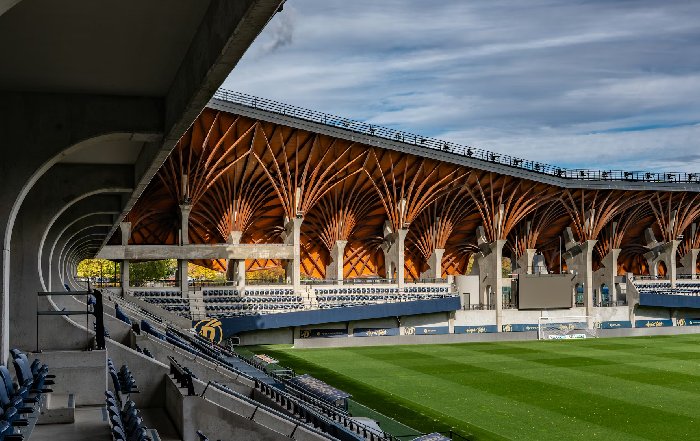
Conservation Efforts Linked to Sporting Venues in 2026: How SportyFusion.com's World is Being Redrawn by Sustainability
The New Arena: Sport, Sustainability, and Global Expectations
By 2026, the global sports industry has evolved into one of the most visible stages for environmental action, with major leagues, local clubs, and emerging esports platforms all being judged not only by their performance metrics but also by their ecological footprint. As audiences from the United States, Europe, Asia, Africa, and South America increasingly expect their favorite teams and events to reflect modern values, the intersection of conservation and sport has become a defining theme for venues, sponsors, and governing bodies. For a platform like SportyFusion.com, which lives at the crossroads of sports, environment, business, and lifestyle, this shift is not a niche story but a structural change in how athletic performance, fan engagement, and planetary health are understood.
The global sports ecosystem, according to organizations such as the International Olympic Committee (IOC), has recognized that stadiums, arenas, and training facilities are no longer neutral backdrops; they are active levers for climate resilience, biodiversity protection, and community well-being. As fans learn more about climate science through trusted sources such as the Intergovernmental Panel on Climate Change, expectations are rising for sport to demonstrate credible leadership rather than symbolic gestures. This environment is reshaping how venues are designed, financed, managed, and experienced, creating a new benchmark for Experience, Expertise, Authoritativeness, and Trustworthiness across the entire sector.
From Carbon Footprint to Habitat Footprint: Redefining Venue Impact
Traditional discussions about sustainable stadiums focused almost exclusively on energy efficiency and carbon emissions, yet by 2026 the conversation has expanded to include the broader ecological footprint of sporting venues, from water consumption and waste generation to land-use change and biodiversity loss. Institutions like the United Nations Environment Programme (UNEP) have underscored that large-scale venues can either accelerate ecosystem degradation or become anchors for urban and regional conservation strategies, and this perspective is increasingly guiding investment decisions by owners, cities, and sponsors who are under pressure to align with global frameworks such as the UN Sustainable Development Goals.
In practice, this means that new and renovated sporting venues in countries like Germany, the United Kingdom, Australia, and Japan are being assessed not only on their energy performance but also on their capacity to protect or restore local habitats, integrate green corridors, and manage water in a way that reduces stress on regional ecosystems. Certification systems such as LEED and BREEAM have become common benchmarks for stadium design, but forward-looking clubs and federations are going further, collaborating with conservation NGOs and academic researchers to evaluate their "habitat footprint" and actively contribute to nature-positive outcomes rather than simply minimizing harm.
European Leadership: Stadiums as Urban Ecological Engines
Across Europe, where dense urban environments and ambitious climate policies converge, sporting venues have become test beds for integrated conservation approaches that combine energy innovation, biodiversity enhancement, and social value. In the United Kingdom and Germany especially, the conversation has shifted from isolated green features to systemic design, with clubs, municipalities, and infrastructure investors partnering to ensure that stadiums act as ecological engines within their neighborhoods. Cities that host major football clubs, cycling events, and athletics championships increasingly look to guidance from the European Commission's environment directorate when shaping long-term venue strategies.
Some of the most advanced projects integrate green roofs and living walls that support pollinators, bird species, and native plants, while also improving urban microclimates and reducing heat island effects that disproportionately affect low-income communities. Municipal planners in Amsterdam, Copenhagen, and Stockholm, for example, have linked sports infrastructure to wider green-blue networks, using venues as nodes in larger corridors that connect parks, rivers, and coastal zones. For readers of SportyFusion.com who follow both culture and world trends, this European experience demonstrates how sport can be embedded within a broader civic vision that ties together health, mobility, and environmental resilience.
North American Innovation: Technology-Driven Conservation at Scale
In North America, particularly in the United States and Canada, the link between conservation and sporting venues has been shaped by large-scale, technology-driven solutions and a robust ecosystem of public-private partnerships. Major stadiums for American football, baseball, basketball, and hockey have embraced advanced building management systems, water recycling technologies, and renewable energy integration, often working with organizations such as the Natural Resources Defense Council (NRDC) to develop playbooks for sustainable operations that can be replicated across leagues. Those interested in how these strategies intersect with sport business models can explore further through resources like NRDC's sports and sustainability initiatives.
The result has been a generation of venues that function as mini power plants, water treatment hubs, and circular economy demonstrators, with on-site solar arrays, battery storage, and sophisticated waste sorting systems that reduce the environmental burden on surrounding communities. At the same time, colleges and universities in the United States and Canada have turned their athletic facilities into living laboratories for conservation research, working with faculty in environmental science, engineering, and public health to pilot new materials, smart irrigation, and biodiversity monitoring technologies. For a platform like SportyFusion.com, where technology, performance, and training intersect, these venues offer a blueprint for how high-performance sport can coexist with high-performance sustainability in a data-rich, experimentally driven environment.
Asia-Pacific Momentum: Mega-Events and Long-Term Ecological Legacies
Asia-Pacific has become the epicenter of mega-sporting events over the past two decades, with countries such as China, Japan, South Korea, Australia, and Singapore hosting Olympics, World Cups, and multi-sport tournaments that have reshaped urban landscapes. In 2026, the conversation in this region focuses increasingly on legacy, as governments and federations seek to ensure that the billions invested in stadiums and infrastructure generate long-term ecological benefits rather than stranded assets. Organizations like the Asian Football Confederation (AFC) and national Olympic committees are collaborating with environmental experts and urban planners to align new venue developments with regional climate goals and biodiversity strategies, often drawing on guidance from the World Resources Institute for nature-based solutions and climate-smart urban planning.
In cities such as Tokyo, Seoul, and Singapore, sporting venues are now integrated into broader resilience frameworks that address flooding, heat stress, and air quality, with green spaces, wetlands, and permeable surfaces designed to manage stormwater and support urban biodiversity. Australian and New Zealand venues, meanwhile, are increasingly attentive to the protection of unique local ecosystems and Indigenous land rights, recognizing that conservation is inseparable from cultural heritage and social license to operate. For global readers following SportyFusion.com's news and social coverage, these developments highlight how sport can be a diplomatic and cultural bridge for environmental collaboration across Asia-Pacific and beyond.
Water, Turf, and Biodiversity: Rethinking the Playing Surface
One of the most visible and symbolically important aspects of conservation at sporting venues is the playing surface itself, especially in sports like football, rugby, cricket, golf, and tennis where turf management and water use have traditionally been resource-intensive. In water-stressed regions across Africa, South America, and parts of the United States and Australia, the shift toward more sustainable field management has become a necessity rather than an option, with clubs and facility operators under pressure from regulators, communities, and sponsors to justify every liter of water and every application of chemical fertilizer. Organizations such as The R&A, a key governing body in golf, have published detailed sustainability and course management guidance, which can be explored further through resources like The R&A's sustainability hub.
Modern venues now increasingly rely on drought-tolerant grass species, precision irrigation controlled by real-time soil moisture sensors, and organic or reduced-chemical turf care, while some have adopted hybrid or fully synthetic surfaces where lifecycle assessments demonstrate lower overall environmental impact. In parallel, the areas surrounding playing fields are being reimagined as biodiversity zones, with native plants, pollinator gardens, and small wetlands replacing ornamental lawns that provide little ecological value. This rethinking of the field and its surroundings illustrates how conservation can be integrated into the core identity of a venue, influencing brand positioning, fan education, and even the training routines and injury profiles that SportyFusion.com explores in its health and fitness coverage.
Energy, Emissions, and the Race to Net Zero
While biodiversity and water are gaining attention, energy and emissions remain central to the climate agenda for sporting venues, especially as leagues and governing bodies commit to net-zero targets that must be credible under the scrutiny of investors, regulators, and informed fans. In 2026, leading organizations such as FIFA, World Rugby, World Athletics, and the National Basketball Association (NBA) are working with climate experts and standards bodies to develop science-based emissions reduction pathways that cover not only stadium operations but also travel, supply chains, and digital infrastructure. To understand the broader context of these commitments, readers can explore frameworks developed by initiatives like the Science Based Targets initiative.
At the venue level, this has translated into accelerated investment in on-site renewable generation, energy storage, high-efficiency HVAC systems, and advanced building analytics that continuously optimize performance based on occupancy, weather, and event schedules. Some stadiums in Europe and North America are now exporting surplus renewable power to local grids on non-event days, while others in Asia and Africa are exploring microgrid solutions that improve energy security for surrounding neighborhoods. For sponsors and brands that appear on SportyFusion.com's brands pages, association with genuinely low-carbon venues is becoming a differentiator, particularly as consumers and institutional investors turn to sources such as the CDP climate disclosure platform to evaluate corporate climate performance.
Fan Experience, Digital Engagement, and Behavioral Change
Conservation at sporting venues is not only a technical or infrastructural challenge; it is also a question of behavior, culture, and fan experience. In 2026, clubs and event organizers are increasingly aware that their sustainability credentials depend on the actions of millions of spectators, from transport choices and waste disposal to merchandise purchases and digital consumption patterns. Behavioral science, data analytics, and digital engagement tools are being deployed to nudge fans toward lower-impact options, with mobile apps, loyalty programs, and real-time feedback screens making it easier for individuals to understand and reduce their environmental footprint. Those interested in the psychological underpinnings of this shift can explore insights from organizations such as The Behavioural Insights Team, which shares research and case studies on behavioral change and sustainability.
Esports arenas and hybrid physical-digital venues have become particularly influential in shaping new norms, given their younger, tech-savvy audiences and the inherently digital nature of their content. By integrating sustainability narratives into game design, streaming overlays, and community challenges, esports organizations are turning conservation into a participatory, gamified experience rather than a static message on a billboard. For SportyFusion.com, whose readers follow gaming and digital culture alongside traditional sports, this convergence represents a powerful avenue for embedding environmental values into the everyday habits of fans across continents.
Governance, Ethics, and the Risk of Greenwashing
As conservation becomes a central part of the branding and strategic positioning of sporting venues, questions of governance, ethics, and transparency have moved to the forefront. Stakeholders are increasingly wary of superficial or misleading claims, and watchdog organizations, media outlets, and civil society groups are scrutinizing whether stadium sustainability projects genuinely deliver ecological benefits or simply function as greenwashing. The Global Reporting Initiative (GRI) and similar bodies have developed frameworks for environmental reporting that help organizations structure and communicate their impacts more transparently, and those frameworks can be explored in more depth through resources such as the GRI standards.
For venue operators, leagues, and sponsors, this scrutiny means that conservation initiatives must be grounded in robust data, independently verified where possible, and communicated with honesty about trade-offs and limitations. Ethical questions also arise around the source of funding for venue projects, particularly when investments come from entities whose core business models are under pressure for environmental reasons. Platforms like SportyFusion.com, which devotes dedicated space to ethics and business analysis, play an important role in interrogating these dynamics, highlighting best practices while also amplifying critical voices that call for deeper structural change in how sport is financed and governed.
Jobs, Skills, and the Emerging Green Sports Workforce
The transformation of sporting venues into conservation engines is reshaping labor markets and career paths across the sports industry, creating demand for new skills at the intersection of facility management, environmental science, data analytics, and community engagement. From sustainability directors and biodiversity officers to energy analysts and circular economy coordinators, a new generation of professionals is emerging who combine a passion for sport with technical expertise in areas such as climate risk assessment, life-cycle analysis, and regenerative design. For those exploring career opportunities in this evolving landscape, it is increasingly valuable to follow specialized job boards and training programs, and platforms like SportyFusion.com are reflecting this by expanding coverage of jobs and skills development in the green sports sector.
Educational institutions and professional bodies in Europe, North America, and Asia are responding with tailored programs that blend sports management with sustainability curricula, often developed in collaboration with organizations such as UNESCO and UNFCCC under initiatives like the Sports for Climate Action Framework. Apprenticeships with stadium operators, leagues, and technology providers are becoming common entry points, while online learning platforms enable professionals in regions from South Africa and Brazil to Malaysia and Norway to access cutting-edge knowledge regardless of geography. This evolving workforce is essential to ensuring that conservation initiatives at venues are not one-off projects but part of a continuous improvement cycle embedded in institutional culture.
Community, Equity, and the Social Dimension of Conservation
Conservation-linked sporting venues are also becoming focal points for broader conversations about equity, access, and social justice, as communities increasingly demand that environmental investments deliver tangible benefits for local residents rather than merely enhancing the image of elite clubs and sponsors. In many cities across North America, Europe, and Africa, stadium neighborhoods have historically borne the brunt of traffic, noise, and pollution without sharing equally in the economic and recreational benefits of major events. Conservation initiatives that integrate urban greening, air quality improvements, and accessible public spaces can help redress these imbalances, but only if designed with genuine community participation and transparent governance.
Organizations such as C40 Cities and ICLEI - Local Governments for Sustainability have highlighted the importance of inclusive climate action, providing case studies and tools that cities can use to ensure that green infrastructure projects, including sports venues, advance social as well as environmental goals. Those interested in this intersection can explore the broader urban context through resources like C40's work on inclusive climate action. For SportyFusion.com, whose editorial lens spans social, culture, and environment, documenting these stories means foregrounding the voices of local residents, athletes, and community organizers who experience the daily realities behind the headline sustainability claims.
Looking Ahead: SportyFusion.com and the Future of Conservation in Sport
As 2026 unfolds, the link between conservation and sporting venues is no longer a speculative trend but a defining feature of how the global sports ecosystem evolves in the face of climate change, biodiversity loss, and shifting societal expectations. From net-zero stadiums in Europe and North America to biodiversity-focused community fields in Africa and Asia, the spectrum of initiatives reveals both the potential and the complexity of using sport as a platform for environmental transformation. Governing bodies, venue operators, brands, and technology providers are all under pressure to demonstrate Experience, Expertise, Authoritativeness, and Trustworthiness in their sustainability strategies, knowing that fans, regulators, and investors have access to increasingly sophisticated tools and information sources, including those provided by institutions like the International Union for Conservation of Nature.
For SportyFusion.com, this moment represents an opportunity and a responsibility. By connecting coverage of elite and grassroots sports with in-depth analysis of environment, technology, health, and lifestyle, the platform can help audiences understand how decisions made in boardrooms, design studios, and city halls shape the venues where they cheer, train, and compete. As conservation becomes a core metric of sporting excellence, not just an add-on, the stories told on SportyFusion.com will continue to trace how arenas, stadiums, and digital platforms across continents are redefining what it means to win-on the scoreboard, in the marketplace, and in the shared effort to protect the planet that makes sport possible in the first place.