

Community Sports in 2026: Strategic Foundations for Connection, Health, and Sustainable Growth
Community Sport in 2026: From Local Pastime to Global Strategic Asset
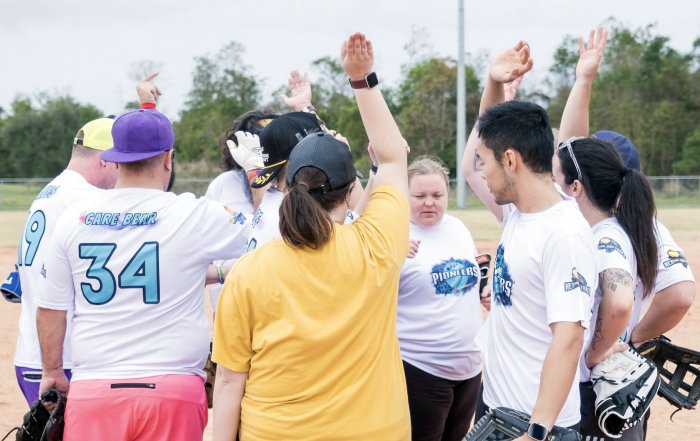
By 2026, community sports have evolved from being seen primarily as informal neighborhood activities into recognized strategic assets at the intersection of public health, social cohesion, urban planning, and responsible business. In an era marked by remote work, digital saturation, geopolitical uncertainty, and widening social divides across North America, Europe, Asia, Africa, and South America, the simple act of gathering for a local football match in Manchester, a basketball run in Chicago, a futsal game, or a running club has taken on renewed importance as a counterweight to isolation and fragmentation. For SportyFusion, which operates at the convergence of fitness, culture, technology, business, ethics, and performance, community sport is not a peripheral topic but a central lens through which broader societal trends become visible and measurable in everyday life, connecting editorial strands that span fitness, health, technology, and social impact.
Across global hubs, local clubs, non-profit organizations, municipal authorities, and private partners are investing in community sports programs that cut across age, gender, ethnicity, and income level. The World Health Organization continues to stress the role of physical activity as a cornerstone of non-communicable disease prevention and mental well-being, and readers can learn more about global physical activity guidelines through its dedicated resources at WHO physical activity guidance. At the same time, the ecosystem around community sport is increasingly shaped by digital platforms, data analytics, and innovative funding models, creating new opportunities for employment, entrepreneurship, and brand engagement that are highly relevant to the business-oriented audience of SportyFusion, particularly those following sports business and innovation.
Social Capital, Belonging, and the Human Need for Local Connection
Community sports continue to demonstrate a unique capacity to build social capital, understood as the networks of trust, reciprocity, and shared norms that enable individuals and groups to cooperate and support one another. In 2026, as hybrid work and digital communication tools redefine daily routines in the United States, United Kingdom, Germany, Canada, Australia, France, Italy, Spain, the Netherlands, Switzerland, and across Asia and Africa, local sports environments offer one of the few remaining spaces where people regularly interact face-to-face in structured yet informal settings. From weekend football leagues in London and Berlin to community cricket in Johannesburg and Mumbai, and from neighborhood basketball in Los Angeles to amateur cycling groups in Copenhagen and Amsterdam, participants find not only exercise but also friendship, informal mentoring, and a sense of shared identity that digital channels struggle to replicate.
Research from institutions such as Harvard University and other leading academic centers has consistently linked strong social connections with improved physical health, mental resilience, and longevity, and readers can explore insights on social relationships and well-being through resources like Harvard Health mental health and social connection. Community sports function as a form of social infrastructure, comparable in importance to libraries, schools, and public parks, by creating predictable, recurring opportunities for people to meet, collaborate, and develop trust across demographic lines. For new residents and migrants in cities from Toronto and Vancouver to Berlin, Paris, Singapore, and Sydney, joining a local club or league often becomes a first step toward integration, language practice, and cultural understanding, while for long-term residents, it reinforces a sense of continuity and neighborhood identity.
For the global readership of SportyFusion, which follows world developments in sport and society, this local dimension offers a critical counterbalance to the spectacle of elite professional sport. While global tournaments and major leagues capture headlines and drive commercial revenues, the day-to-day reality of sport for most people remains rooted in parks, school fields, recreation centers, and improvised urban spaces, where the primary currency is not trophies or media rights but relationships and shared experiences. In that sense, community sports represent a powerful, underutilized lever for rebuilding trust and cohesion in societies that are otherwise experiencing rising polarization and social distance.
Health, Mental Well-Being, and Everyday Performance
The health case for community sports is now stronger and more nuanced than ever. Public health agencies across North America, Europe, Asia, and Oceania have long emphasized that regular physical activity reduces the risk of cardiovascular disease, type 2 diabetes, certain cancers, and musculoskeletal disorders, and the U.S. Centers for Disease Control and Prevention continues to update and refine its recommendations, which can be reviewed at CDC physical activity guidelines. However, by 2026, the discussion has expanded beyond disease prevention to encompass mental health, cognitive performance, and overall quality of life, reflecting a more holistic understanding of well-being that aligns closely with the editorial priorities of SportyFusion in health and wellness and performance.
The mental health dimension has become particularly salient in the wake of prolonged pandemic aftereffects, economic volatility, and geopolitical tensions. Health systems in the United Kingdom, Germany, Canada, Australia, Japan, South Korea, and other countries report persistent challenges related to anxiety, depression, burnout, and loneliness, prompting renewed interest in non-pharmacological interventions that combine physical activity with social engagement. The National Health Service in the UK and similar bodies globally highlight exercise as a key component of mental health strategies, and readers can learn more about the relationship between movement and mood at NHS exercise and mental health. Community sports, with their blend of structured activity, shared goals, and supportive peer networks, are uniquely positioned to deliver these benefits at scale, particularly for adolescents, young adults, and older populations at risk of social isolation.
For performance-oriented readers who follow SportyFusion for insights into training, optimization, and long-term athletic development, community sports also function as a practical laboratory for building foundational skills that extend well beyond elite competition. Local clubs and coaches increasingly integrate evidence-based training methods, periodization principles, and recovery protocols inspired by sports science research, making advanced knowledge accessible to recreational athletes in cities from New York and Chicago to Zurich, Stockholm, Singapore, and Tokyo. This aligns with the platform's focus on training methodologies, where community-level practice is viewed as a critical pathway for cultivating lifelong movement literacy, discipline, teamwork, and resilience. In this sense, community sport is not a diluted version of high-performance sport; it is the broad base on which sustainable, inclusive performance cultures are built.
Culture, Identity, Inclusion, and the Politics of Participation
Community sports are deeply embedded in cultural narratives and identity formation across regions. In Europe and South America, neighborhood football clubs often carry histories that span generations, linking grandparents, parents, and children through shared colors, rituals, and rivalries that express local pride and social memory. In Canada and the northern United States, community hockey and ringette programs serve similar roles, while in Australia and New Zealand, rugby and netball clubs act as focal points for both urban and rural communities. In South Asia, cricket continues to function as a unifying language across class and religious divides, while in African cities such as Lagos, Nairobi, and Johannesburg, football and athletics provide both recreation and aspirational pathways.
International organizations, including UNESCO, underscore the role of sport in fostering intercultural dialogue, gender equality, and social inclusion, and readers can explore these themes in more depth at UNESCO sport and social inclusion. In 2026, many community sports initiatives in the United States, United Kingdom, Germany, France, the Netherlands, Scandinavia, and elsewhere explicitly target inclusion objectives, whether by creating mixed-gender leagues, developing adaptive sports opportunities for people with disabilities, or establishing safe spaces for LGBTQ+ participants. These efforts challenge traditional assumptions about who belongs on the field and who has access to leadership roles in coaching and governance, and they resonate with the SportyFusion audience that follows culture and ethics as central themes rather than peripheral concerns.
At the same time, the politics of participation remain complex. Access to quality facilities and programs still varies widely between affluent and low-income neighborhoods, both within and between countries such as the United States, Brazil, South Africa, India, and China. In some contexts, rising facility fees, privatization of public spaces, and commercial pressures risk excluding exactly those populations that stand to benefit most from community sport. This tension highlights the need for robust policy frameworks, targeted subsidies, and cross-sector collaboration, themes that SportyFusion continues to track through its coverage of social issues and news, where questions of equity and access are treated as fundamental determinants of long-term sector sustainability.
Technology, Data, and the Hybrid Future of Participation
The digital transformation that has reshaped elite sport and fitness has, by 2026, fully permeated the grassroots level. Participants in community sports across the United States, Europe, and Asia now routinely use smartphones, GPS-enabled wearables, and cloud-based platforms to track training loads, monitor heart rate variability, schedule matches, and share achievements with peers. Companies such as Apple, Garmin, Strava, and other technology providers have normalized the integration of data into everyday movement, while local clubs and leagues increasingly rely on digital tools for registration, payment, communication, and performance analysis. Industry research and case studies available from organizations like McKinsey & Company help stakeholders explore how technology is reshaping sport and fitness, and readers can delve deeper at McKinsey sports and entertainment insights.
This digital layer offers significant advantages for community sports organizations seeking to improve efficiency, personalize participant experiences, and demonstrate impact to funders and sponsors. Data on participation rates, demographic reach, health outcomes, and facility usage can inform smarter resource allocation and program design in cities from Los Angeles and Toronto to Berlin, Singapore, and Melbourne. However, it also raises complex questions about equity, privacy, and algorithmic bias. Not all communities have equal access to digital infrastructure, particularly in parts of Africa, South Asia, Latin America, and rural regions of advanced economies, and there is a risk that tech-centric approaches could inadvertently widen participation gaps if affordability and accessibility are not carefully considered.
For the SportyFusion audience that tracks technology, gaming, and the evolving relationship between physical and digital experiences, the rapid growth of esports and active gaming introduces an additional layer of complexity. Rather than viewing gaming purely as a competitor to physical sport, many community organizations and brands now explore hybrid models that combine digital engagement with real-world activity, such as augmented reality running challenges, motion-tracking fitness games, and virtual coaching environments that support remote or underserved participants. These innovations create new touchpoints for younger demographics in markets such as the United States, South Korea, Japan, China, the United Kingdom, and the Nordic countries, while offering fresh formats that can be adapted to different cultural and urban contexts worldwide.
Business Models, Brands, and the Community Sports Economy
The business landscape surrounding community sport has matured significantly by 2026, with local and global actors recognizing its potential as both an economic driver and a reputational asset. Community sports ecosystems generate demand for facilities, equipment, apparel, coaching services, nutrition products, insurance, media, and digital solutions, while also providing brands with authentic environments for engagement, storytelling, and co-creation. Global companies such as Nike, Adidas, Puma, and emerging performance and lifestyle brands increasingly structure their grassroots investments around clear social impact and sustainability objectives, reflecting broader shifts in corporate strategy and stakeholder expectations. Analyses from organizations like the World Economic Forum help decision-makers learn more about sustainable business practices in sport and related sectors, and readers can explore these perspectives at WEF sports and sustainability insights.
For smaller companies and startups in North America, Europe, and Asia-Pacific, community sports offer highly targeted entry points into competitive markets. Health-tech ventures, digital fitness platforms, local apparel labels, and sports nutrition brands partner with clubs, leagues, and schools to pilot new products, gather user feedback, and build loyal communities around shared values. This dynamic is especially relevant to SportyFusion readers who follow brand strategy, business innovation, and career opportunities in sport and wellness, as it illustrates how value creation in sport increasingly depends on long-term relationships and perceived authenticity rather than short-term visibility alone.
Impact investment and public-private partnerships have also become more prominent in the community sports domain. Municipal governments in cities such as London, Berlin, Amsterdam, Copenhagen, Singapore, and Melbourne collaborate with non-profits, foundations, and corporate partners to refurbish facilities, integrate sport into public health strategies, and create inclusive programs for underserved populations. Organizations like Laureus Sport for Good and Right To Play provide high-profile examples of structured initiatives that deliver measurable benefits in education, health, and social cohesion, and readers can explore sport-based social impact models at Laureus Sport for Good. For executives and investors, these developments position community sport not merely as a philanthropic add-on, but as a strategic domain where business objectives, ESG commitments, and societal needs can be aligned in tangible, evidence-based ways.
Environment, Urban Design, and Sustainable Sport Infrastructure
As climate change and resource constraints intensify, the environmental footprint of sport has come under increased scrutiny, and by 2026 this concern extends well beyond mega-events and professional venues to include local pitches, swimming pools, indoor courts, and multi-use recreation centers. Facilities require energy, water, and materials, while participant and spectator travel contributes to emissions. At the same time, well-planned community sports infrastructure can support broader sustainability objectives by encouraging active mobility, enhancing urban green space, and strengthening climate resilience. The United Nations Environment Programme and allied organizations provide guidance on sustainable sport and environmental responsibility, which can be explored at UNEP sports and environment.
European cities such as Copenhagen, Amsterdam, Stockholm, Oslo, and Zurich are frequently cited as leaders in integrating community sport into holistic urban sustainability strategies, with networks of cycling lanes, waterfront running routes, and multi-use fields that are easily accessible by public transport and active modes of travel. In Asia, cities like Singapore, Seoul, and Tokyo are experimenting with vertical and compact facilities that maximize limited land while incorporating green building standards, while in rapidly growing African and South American cities, flexible, low-cost designs aim to increase access without replicating the environmental burdens of traditional stadium-centric models. These themes are closely aligned with SportyFusion coverage of the environment and lifestyle, where sport is analyzed not only as entertainment or exercise but as a component of sustainable urban living.
Sustainable design frameworks such as LEED and other green building standards are increasingly adapted to sports contexts, encouraging the use of renewable energy, efficient lighting, water-saving technologies, permeable and recycled surfaces, and circular material flows. Professionals and policymakers interested in green building and sustainable design can learn more through resources like USGBC LEED overview. For local authorities, clubs, and businesses, aligning community sports infrastructure with environmental objectives is no longer primarily a matter of reputation management; it is a practical necessity in cities facing heat stress, air pollution, flooding, and budgetary constraints. By integrating sport into broader climate adaptation and public health strategies, stakeholders can create environments that support both planetary and human well-being, an approach that SportyFusion continues to highlight across its global reporting.
Jobs, Skills, and Evolving Career Pathways
The professional landscape associated with community sport has diversified substantially by 2026, offering career opportunities that span coaching, program design, facility management, sports medicine, psychology, digital product development, data analytics, marketing, communications, and impact evaluation. Universities, colleges, and vocational institutions in the United States, United Kingdom, Germany, Canada, Australia, Singapore, and other regions offer specialized qualifications that prepare graduates to work at the intersection of sport, health, education, and technology, reflecting the increasingly multidisciplinary nature of the sector. For readers of SportyFusion who closely follow jobs and careers in sport and wellness, this evolution underscores the importance of cross-functional skills and continuous learning.
National agencies such as Sport England, Sport Canada, and their counterparts in Europe, Asia, and Africa invest in workforce development programs that train coaches, administrators, and volunteers in inclusive practice, safeguarding, and evidence-based program delivery. Stakeholders can explore how national agencies support community sport through resources such as Sport England's strategy and guidance. Community sports initiatives in many countries also function as entry points into the labor market for young people, particularly in disadvantaged neighborhoods, offering opportunities to develop leadership, communication, and organizational skills that are transferable across industries. This aligns with broader workforce and social mobility discussions that SportyFusion covers in its business and social sections.
Digitalization adds further complexity and opportunity to the skills landscape. Organizations now require professionals who can design intuitive digital platforms, integrate wearable technology, apply behavioral science principles to engagement strategies, and interpret participation data to improve program effectiveness. These emerging roles sit at the intersection of sport, technology, and analytics, echoing trends seen in other sectors and reinforcing the need for adaptable, tech-literate professionals who understand both human behavior and digital systems.
Ethics, Governance, and Trust in Local Sport
As community sports grow in scale and sophistication, ethical and governance challenges become more visible and more consequential. Issues such as safeguarding children and vulnerable adults, preventing harassment and discrimination, ensuring fair allocation of facilities, and managing conflicts of interest demand robust policies, transparent processes, and accountable leadership structures. High-profile governance failures in professional sport over the past decade have heightened public awareness of these risks, prompting many community organizations to strengthen their own codes of conduct, oversight mechanisms, and reporting procedures. Bodies such as UK Sport and the U.S. Center for SafeSport provide frameworks and resources that can be adapted for local use, and stakeholders can learn more about safeguarding and ethics in sport at U.S. Center for SafeSport.
Trust is a critical asset in community sport, built gradually through consistent behavior, clear communication, and demonstrable commitment to fairness and inclusion. Participants and parents increasingly expect transparency about fee structures, selection criteria, governance roles, and complaint resolution pathways, while sponsors and brands conduct more thorough due diligence to ensure alignment with their own values and ESG commitments. These themes are central to SportyFusion coverage of ethics and news, where governance is analyzed not as an administrative detail but as a core determinant of legitimacy and long-term viability.
The ethical dimension extends to data management and technology use. As community organizations collect and store growing volumes of personal and performance data, they must comply with regulations such as the EU General Data Protection Regulation and comparable frameworks in other jurisdictions, while also respecting participants' expectations regarding privacy, consent, and control over their information. Practitioners and leaders can review guidance on data protection and privacy at GDPR overview. Organizations that adopt rigorous data governance and ethical technology practices position themselves as trustworthy stewards of both people and information, reinforcing their role as essential pillars of local life.
SportyFusion's Role in a Connected Community Sports Ecosystem
Today SportyFusion continues to develop as a global hub for readers who see sport not as an isolated niche but as a powerful connector between fitness, culture, health, technology, business, jobs, brands, environment, performance, gaming, lifestyle, ethics, training, and social impact. By curating in-depth analysis, expert commentary, and on-the-ground stories from cities and regions across the world, the platform helps its audience understand how seemingly local initiatives reflect and shape global trends. Through dedicated sections on sports and competition, health and well-being, social and cultural change, technology and innovation, and environmental responsibility, SportyFusion offers a comprehensive, interconnected perspective that is tailored to the needs of decision-makers, practitioners, and engaged participants alike.
For executives, policymakers, club leaders, and entrepreneurs, this integrated view is crucial. Decisions about investment in facilities, the design of inclusive programs, sponsorship strategies, technology adoption, workforce development, and ethical frameworks cannot be made in isolation from broader developments in public health, cultural dynamics, climate policy, and digital transformation. By providing content grounded in experience, expertise, authoritativeness, and trustworthiness, SportyFusion supports more informed, forward-looking decisions that recognize the strategic significance of community sport in a rapidly changing world. Readers who wish to explore this ecosystem in greater depth can navigate the platform's broader coverage at SportyFusion's main site, where cross-cutting themes are woven together to reflect the complexity of contemporary sport and society.
As societies across North America, Europe, Asia, Africa, and South America confront demographic shifts, technological disruption, and environmental pressures, community sports will remain a vital arena where people come together in person, test themselves physically, and build the relationships and resilience that digital networks alone cannot provide. From a neighborhood football pitch in Manchester to a basketball court in Los Angeles, a cricket ground in Cape Town, a running trail in Helsinki, a futsal court in Bangkok, or a multi-sport complex in Singapore, the everyday act of playing together continues to shape healthier individuals, stronger communities, and more connected societies. For the global audience of SportyFusion, understanding, supporting, and innovating within this community sports landscape is both a strategic opportunity and a shared responsibility that spans borders, sectors, and generations.