

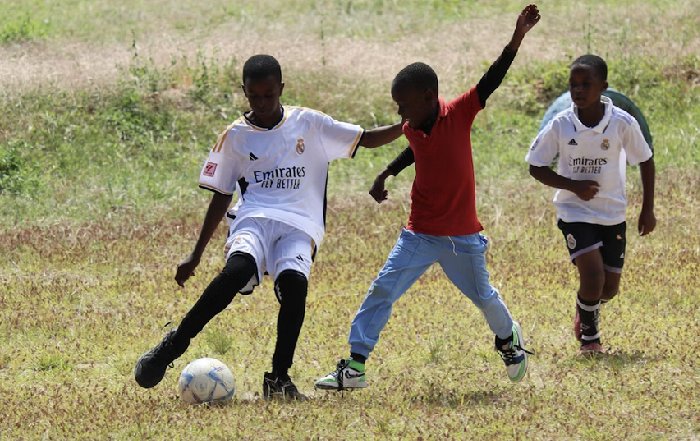
Grassroots Sports: How Community Competition Is Reshaping Global Life and Business
A Connected World of Local Sport
Now grassroots sports have evolved from a loosely organized network of local games into a powerful, interconnected ecosystem that influences health, culture, business, technology, employment, and ethics across every major region of the world. From five-a-side football in Manchester and Madrid to basketball in Chicago and Johannesburg, from running collectives in Berlin and Singapore to cricket communities in Mumbai and Cape Town, community sport has become a strategic asset for societies seeking healthier populations, stronger communities, and more resilient economies. For SportyFusion, which positions itself at the intersection of sport, lifestyle, and innovation, this is not a distant trend but the core reality shaping the platform's coverage across fitness, health, culture, business, and beyond.
The post-pandemic years have reinforced a global consensus that physical activity is not a luxury but a public necessity. The World Health Organization continues to emphasize that regular movement reduces the risk of noncommunicable diseases and improves mental health, and those interested can explore the latest guidance on global health and physical activity. Governments in the United States, the United Kingdom, Germany, Canada, Australia, Singapore, and an increasing number of emerging markets are embedding community sport into urban planning, education, and public health strategies, viewing local clubs and informal leagues as cost-effective tools for prevention, social cohesion, and youth engagement. In this context, grassroots sport is no longer a peripheral pastime; it has become a frontline mechanism through which cities and nations respond to demographic change, digital disruption, and rising expectations around well-being and inclusion.
Grassroots Participation as the New Gateway to Fitness and Health
In 2026, the typical fitness journey for many people in North America, Europe, Asia, Africa, and South America no longer begins with a solitary gym membership but with an invitation to a local running group, a workplace football team, a community cycling ride, or a mixed-ability fitness class in a neighborhood park. The growth of these collective experiences is evident in the stories and analysis featured on SportyFusion's fitness hub, where readers follow how amateur athletes in cities from New York and Los Angeles to London, Berlin, Sydney, and Tokyo are using grassroots sport as a sustainable, socially anchored way to stay active.
Health agencies and research institutions have strengthened the evidence base that social engagement is one of the most powerful drivers of long-term adherence to physical activity. The Centers for Disease Control and Prevention provides detailed resources on how regular movement reduces the risk of heart disease, diabetes, and depression, and readers can explore the latest insights on physical activity and health. In parallel, public health bodies in Europe and Asia have encouraged municipalities to design cities where participation in sport is almost frictionless, building extensive cycling networks in Amsterdam and Copenhagen, multi-use courts in Singapore and Seoul, and safe running routes in Toronto, Melbourne, and Stockholm, so that community members encounter opportunities for sport as part of their daily routines rather than as special events.
For SportyFusion's audience, these developments are not merely about disease prevention but about optimizing everyday performance, energy, and mental resilience in demanding professional and personal environments. The platform's health section increasingly profiles how weekend footballers in Canada and Spain, masters swimmers in Italy and France, and recreational runners in South Korea and New Zealand use structured community programs to manage weight, improve cardiovascular fitness, and support mental health in line with evidence-based guidance from organizations such as the NHS in the United Kingdom, where readers can learn more about recommended activity levels and benefits in the NHS overview of exercise and health recommendations. This convergence of science, policy, and community practice reinforces grassroots sport as a primary engine of public health in 2026.
Culture, Identity, and Belonging on Local Fields and Courts
Beyond measurable health outcomes, the deepest influence of grassroots sport in 2026 lies in its cultural and social impact. Community competitions have become spaces where identity is expressed, redefined, and negotiated, particularly in increasingly diverse cities across the United States, the United Kingdom, Germany, Canada, Australia, France, the Netherlands, South Africa, and Brazil. On SportyFusion's culture channel, coverage of neighborhood futsal, Gaelic games in Dublin, parkour collectives in Paris, and street basketball in New York and Johannesburg reveals how local sport operates as a cultural language that transcends formal barriers of class, ethnicity, or nationality.
In many European and Asian cities, grassroots clubs are among the first institutions to welcome migrants and refugees, offering affordable or free membership, volunteer coaching, and informal language practice alongside training. The UNESCO framework on sport and social inclusion highlights how community programs reduce prejudice and foster mutual understanding, and readers can learn more about these initiatives through UNESCO's work on sport and social inclusion. Municipal governments in cities such as Berlin, Rotterdam, Oslo, and Singapore increasingly co-fund clubs that demonstrate clear inclusion strategies, recognizing that shared participation in sport can defuse tensions, build local pride, and provide young people with positive role models and structured activities.
For a global platform like SportyFusion, which serves readers from the United States and United Kingdom to China, Japan, Thailand, South Korea, and South Africa, the cultural narratives emerging from grassroots sport are central to its identity. Coverage increasingly highlights how women's and girls' participation challenges long-standing norms in parts of Asia, the Middle East, and Africa, and how adaptive sports programs for people with disabilities redefine community expectations of inclusion and capability. The International Paralympic Committee offers guidance and inspiration for inclusive sport at every level, and interested readers can explore more about para sport development and community initiatives through the IPC's resources on para sport development. These stories reinforce a broader understanding that local sport is not just about competition; it is a living expression of who belongs in a community and how shared rules and mutual respect can bridge profound differences.
The Business of Community Sport: Jobs, Brands, and Local Economies
The economic footprint of grassroots sport has expanded significantly by 2026, turning local clubs and leagues into meaningful actors within national and regional economies. On SportyFusion's business page, analysis increasingly focuses on how community organizations interact with global brands, technology providers, municipalities, and small enterprises to create jobs, generate revenue, and build pathways into professional sport and adjacent industries.
Global sportswear leaders such as Nike, Adidas, and Puma, along with regional brands across China, India, Brazil, and South Africa, now view grassroots investment as a strategic priority rather than a purely philanthropic exercise. They sponsor local tournaments, provide equipment to youth academies, and co-create digital platforms that connect amateur athletes with training content, performance analytics, and tailored product offerings. Industry research from Deloitte illustrates the rising importance of participation-driven segments within the wider sports market, and business leaders can learn more about these dynamics by exploring Deloitte's analysis of sports industry trends. For brands, supporting community sport offers authentic engagement, valuable data, and opportunities to test new products and services in real-world conditions.
At the same time, grassroots sport generates a diverse array of employment opportunities, both full-time and part-time, across coaching, officiating, facility management, sports marketing, content creation, data analysis, and events. On SportyFusion's jobs section, readers find increasing coverage of how young professionals in markets such as the United States, the United Kingdom, Germany, Canada, Singapore, and New Zealand are building careers around community sport, sometimes combining traditional roles with entrepreneurial ventures in digital training, apparel, or local media. Organizations such as Sport England have quantified the contribution of sport and physical activity to GDP and employment, and those interested can explore the scale of this impact through Sport England's reports on the sport economy and participation. Similar analyses in Australia, the Nordic countries, and parts of Asia demonstrate that investments in community facilities and programs can yield substantial returns through both direct economic activity and long-term health cost savings.
Technology, Data, and the New Infrastructure of Community Competition
Technology has become a defining feature of grassroots sport in 2026, transforming how communities organize, train, and connect. What was once the preserve of elite athletes-wearable sensors, performance dashboards, video analysis, and AI-driven coaching-is now embedded in the routines of recreational runners, amateur cyclists, and local football teams across continents. SportyFusion's technology channel tracks this evolution, examining how platforms, devices, and data are reshaping the expectations and experiences of community participants.
Wearable devices from Garmin, Apple, Fitbit, and emerging Asian and European manufacturers provide real-time insights into heart rate, training load, sleep quality, and recovery, enabling amateur athletes to personalize their training with a level of precision that would have been unthinkable a decade ago. Those interested can learn more about the integration of health tracking into consumer devices through Apple's overview of healthcare and wearable technology. Local coaches increasingly use these tools to manage group sessions, identify overtraining risks, and tailor programs to age, ability, and lifestyle constraints, while club administrators rely on digital platforms to schedule fixtures, collect fees, and share live updates with supporters and families.
The intersection of gaming and physical sport has also deepened, particularly among younger demographics in South Korea, Japan, the United States, and Europe. On SportyFusion's gaming section, readers see how esports tournaments, sports simulation games, and hybrid events that blend physical challenges with digital scoring systems are creating new pathways into sport participation. The International Olympic Committee has recognized the potential of virtual and hybrid formats to engage new audiences, and those interested can explore the IOC's initiatives in virtual sport and esports. As virtual reality training tools, connected fitness platforms, and AI-driven coaching applications become more accessible, the boundary between "online" and "offline" sport continues to blur, offering fresh opportunities but also raising questions about data privacy, commercialization, and equitable access that platforms like SportyFusion are increasingly called upon to interrogate.
Sustainability, Climate, and the Future of Community Facilities
Climate change and environmental sustainability have moved from background concerns to central strategic issues for grassroots sport in 2026. Extreme heat, flooding, and air pollution increasingly disrupt training and competition schedules in regions as diverse as North America, Europe, Asia, and Africa, forcing local clubs, municipalities, and national federations to rethink facility design, surface materials, and operational practices. On SportyFusion's environment page, the conversation around grassroots sport now includes energy efficiency, water management, and circular economy principles alongside traditional topics such as participation and talent development.
International frameworks developed by the United Nations Environment Programme provide guidance on how sports organizations can align with broader sustainability goals, and readers can learn more about these approaches in UNEP's work on sport and the environment. In Germany, Denmark, and the Netherlands, local authorities are experimenting with low-carbon community facilities that use solar power, green roofs, and rainwater harvesting, while clubs in Australia, South Africa, and Brazil are adjusting training times, installing shade structures, and revising heat policies to protect athletes from more frequent and intense heatwaves. These measures not only reduce environmental impact but also improve long-term financial resilience by lowering operating costs and attracting sustainability-minded sponsors.
For the SportyFusion audience, sustainability has become a key dimension of consumer and lifestyle decision-making, influencing choices about apparel, equipment, travel, and event participation. Organizations such as the Sustainable Apparel Coalition and initiatives like the UNFCCC Sports for Climate Action framework are pushing the industry toward more responsible practices, and business leaders can learn more about these expectations and commitments through UNFCCC's overview of sustainable business practices in sport. Community clubs, even with limited resources, are increasingly involved in this shift, introducing recycling schemes, encouraging active travel to training, and partnering with local authorities on green infrastructure that serves both sport and broader urban resilience objectives. These developments align closely with SportyFusion's editorial focus on the intersection of performance, ethics, and planetary health.
Governance, Ethics, and Trust at the Community Level
As community sport grows in scale, commercial significance, and media visibility, questions of governance and ethics have become unavoidable. In 2026, stakeholders across the sports ecosystem recognize that trust is as important as performance in sustaining participation and investment. SportyFusion's ethics section now dedicates substantial space to issues such as safeguarding, financial transparency, inclusion, anti-doping, and the responsible use of data at the grassroots level, reflecting the platform's commitment to Experience, Expertise, Authoritativeness, and Trustworthiness.
High-profile cases of abuse and misconduct in professional sport have led to stronger expectations for safeguarding in youth and community settings. Organizations such as Safe Sport in the United States, alongside similar bodies in Canada, the United Kingdom, and Australia, have developed frameworks for reporting, education, and accountability that are increasingly being adopted by local clubs. Those seeking to understand these models can learn more through the U.S. Center for SafeSport's resources on safeguarding in sport. At the grassroots level, this translates into background checks for coaches and volunteers, clear codes of conduct, mandatory training on appropriate behavior, and accessible channels for raising concerns, all of which are essential to maintaining parental trust and participant safety.
Financial governance and equitable access are equally critical. As sponsorship and commercial partnerships with brands, media platforms, and betting companies expand, community organizations face pressure to ensure that revenue is managed transparently and that rising costs do not exclude lower-income participants. Transparency International has called for stronger standards of integrity and accountability in sport, and readers can explore guidance on governance and integrity through its work on sport integrity and anti-corruption. For a platform like SportyFusion, examining these issues is central to its role as a trusted intermediary between fans, participants, organizations, and brands, ensuring that the growth of grassroots sport is not achieved at the expense of fairness, safety, or inclusion.
Training, Performance, and the Narrowing Gap with Elite Sport
One of the most striking dynamics in 2026 is the degree to which training methods at the grassroots level now mirror those used by elite athletes, adapted to the time, health, and resource constraints of everyday life. Community coaches in the United States, the United Kingdom, Germany, Japan, South Korea, South Africa, and Brazil increasingly draw on sports science research to design periodized training plans, manage load, and implement evidence-based recovery strategies for youth and adult participants. On SportyFusion's training hub, readers find in-depth explorations of how these methods are implemented in local clubs, from structured strength and conditioning for amateur rugby players in New Zealand to injury-prevention programs for recreational footballers in Italy and Spain.
Institutions such as the American College of Sports Medicine continue to publish research and guidelines on optimal training, injury prevention, and long-term athlete development, and coaches can learn more about these principles through ACSM's resources on evidence-based training and exercise science. Online education platforms, national federation courses, and open-access scientific summaries have lowered the barrier for community coaches to access and apply this knowledge, raising the standard of programming across a wide range of sports, including football, basketball, athletics, swimming, cricket, hockey, and volleyball. As a result, local leagues in cities from Chicago and Toronto to Munich, Zurich, Tokyo, and Singapore have become more competitive and professionally organized, with higher expectations around preparation, officiating, and athlete welfare.
For SportyFusion, this evolution connects directly to its performance coverage, which examines how ambitious but non-professional athletes apply elite concepts to goals such as completing an ultra-marathon, achieving a personal best in a triathlon, or maintaining peak performance while balancing demanding careers in finance, technology, healthcare, or creative industries. At the same time, the platform emphasizes ethical boundaries, highlighting the importance of avoiding unsafe supplements, performance-enhancing drugs, and training regimes that compromise long-term health. This balanced perspective reflects a broader shift in global sport culture toward valuing sustainable performance, informed decision-making, and holistic well-being.
Lifestyle, Social Impact, and the Role of SportyFusion in a Grassroots-First Era
By 2026, grassroots sport has become deeply embedded in how people around the world structure their lives, form relationships, and define success. For many adults in the United States, the United Kingdom, Germany, Canada, Australia, France, Italy, Spain, the Netherlands, Switzerland, China, Sweden, Norway, Singapore, Denmark, South Korea, Japan, Thailand, Finland, South Africa, Brazil, Malaysia, and New Zealand, the local club or community team serves as a primary social anchor, offering a sense of belonging that complements or replaces traditional institutions. On SportyFusion's lifestyle section and social channel, readers encounter stories of individuals who have found new careers, support networks, or even business partners through grassroots sport, as well as analyses of how participation intersects with remote work, digital communities, nutrition, and mental health.
Global institutions such as the World Economic Forum have highlighted the broader societal benefits of sport, from reducing healthcare costs to strengthening community resilience and social capital, and those interested can explore this perspective through WEF's coverage of sport and societal resilience. In many cities, local running clubs and community leagues now act as informal mentoring networks, connecting young professionals with experienced peers, fostering cross-sector collaboration, and providing a counterbalance to the isolation that can accompany digital-first work environments. This social dimension is especially significant for younger generations in rapidly urbanizing regions of Asia, Africa, and South America, where grassroots sport offers both a sense of identity and practical opportunities for education, employment, and entrepreneurship.
Within this landscape, SportyFusion occupies a distinctive position as a platform that connects the many threads of grassroots sport into a coherent, trustworthy narrative. The homepage at sportyfusion.com functions as an integrated gateway, guiding readers toward in-depth coverage of sports, world developments, news, brands, and the ethical and technological questions that shape the future of participation. By combining on-the-ground stories with expert analysis and a clear commitment to Experience, Expertise, Authoritativeness, and Trustworthiness, the platform helps decision-makers, practitioners, and participants understand how local games connect to global trends.
As grassroots sports continue to thrive across continents, their trajectory will be determined by the choices of communities, policymakers, brands, and individuals who recognize that local pitches, courts, tracks, and digital platforms are more than recreational spaces; they are arenas where health, identity, opportunity, and values are negotiated every day. In this evolving landscape, platforms like SportyFusion will remain essential, documenting and interpreting developments, amplifying the voices of community athletes and organizers, and ensuring that the grassroots perspective sits at the center of the global sports conversation in 2026 and the years to come.