

Fitness Metrics That Actually Matter!
Why Smarter Metrics Define Modern Fitness
Well well, so the global fitness landscape has become saturated with numbers, dashboards and notifications, yet for many athletes and everyday enthusiasts, genuine clarity about what truly matters has never been more elusive. Between the rise of consumer wearables, the mainstreaming of sports science and the relentless marketing of new performance indicators, it is increasingly difficult to distinguish between metrics that drive meaningful progress and those that simply create noise. For the sporty fans here and its readers across North America, Europe, Asia and beyond, the central question is no longer whether data can improve performance, but which specific data points deserve sustained attention and how they should be integrated into training, recovery and lifestyle decisions. This is not just a question of technology; it is a question of experience, expertise, authoritativeness and trustworthiness in an industry where evidence-based practice must prevail over hype.
As the fitness sector has matured, leading institutions such as the World Health Organization and organizations like American College of Sports Medicine have increasingly emphasized that effective training is grounded in a small set of well-validated indicators that correlate with health outcomes, performance and longevity. People who follow the performance-focused coverage on SportyFusion Performance and the broader health insights on SportyFusion Health are already aware that the most successful athletes and high-performing professionals are those who can interpret their data in context, balancing objective measurement with subjective experience and long-term consistency. The evolution of fitness in 2026 is, therefore, less about collecting more information and more about curating the right information with disciplined focus.
From Data Overload to Decision-Ready Insight
The last decade has seen an explosion in consumer fitness technology, with companies such as Apple, Garmin, Polar, Whoop and Oura driving mass adoption of heart rate monitors, sleep trackers and advanced analytics platforms. According to recent reports from Statista, the global fitness tracker market continues to expand across the United States, Europe and Asia, with growth particularly strong in Germany, the United Kingdom, China and Japan as athletes at every level seek granular insight into their training loads and recovery status. At the same time, leading research hubs such as Harvard Medical School and Mayo Clinic have published extensive guidance on interpreting health and performance data, underscoring the importance of clinically relevant metrics such as resting heart rate, blood pressure, body composition and sleep quality rather than superficial indicators like step counts alone. Readers can explore broader health perspectives through SportyFusion World, which frequently highlights how regional trends in Europe, North America and Asia intersect with global health priorities.
However, the proliferation of new metrics has created a paradoxical challenge: many athletes and fitness enthusiasts now report higher levels of confusion and anxiety about their performance than before they began tracking. Research summarized by The Lancet and BMJ has shown that while data can support behavior change, poorly interpreted metrics may also foster obsession, misalignment of goals and even overtraining. For the audience here, like serious competitors, recreational athletes and health-conscious professionals, the imperative is to prioritize metrics that are both evidence-based and actionable, and to integrate them into coherent training and lifestyle strategies. Thoughtful coverage on SportyFusion Fitness has consistently returned to this theme, emphasizing that meaningful metrics must support clear decisions about training intensity, recovery and long-term planning rather than simply offering entertainment.
The Foundational Metric: Consistency Over Time
Among the wide range of indicators available in 2026, the most underrated yet decisive metric remains training consistency, typically measured in terms of weekly and monthly adherence to planned sessions. Studies from Stanford University and University College London have repeatedly demonstrated that the frequency and regularity of exercise sessions are more predictive of long-term health outcomes than short bursts of high-intensity effort or sporadic extremes in training load. While consistency is less glamorous than advanced physiological markers, it is the foundation on which all other metrics rest, because without sustained effort, even the most precise data offers little value. Athletes and professionals in the United States, Canada, Australia and across Europe who have built sustained routines anchored in realistic schedules tend to outperform those who chase short-term perfection, a pattern that is frequently highlighted in the lifestyle and performance features on SportyFusion Lifestyle.
Digital training platforms and coaching tools have become increasingly sophisticated in helping users monitor consistency. Services linked with Strava, TrainingPeaks and Garmin Connect now visualize training streaks, weekly volume and periodization in ways that allow athletes to quickly identify whether they are maintaining appropriate workloads for their goals. Learn more about behavior change and habit formation through resources compiled by American Psychological Association, which emphasize that consistency is less about willpower and more about designing environments and routines that minimize friction. For SportyFusion's global readership, who often balance demanding careers in business, technology and creative industries with their training, the most consequential metric is often not maximum heart rate or VO₂ max but the number of quality sessions completed each month, aligned with a realistic and sustainable plan.
Internal Load: Heart Rate, RPE and Training Intensity Distribution
While consistency defines the macro-level structure of effective training, internal load metrics reveal how the body is responding to that training on a day-to-day basis. In 2026, heart rate monitoring remains the cornerstone of internal load measurement, with chest straps offering gold-standard accuracy and high-end optical sensors in smartwatches approaching similar reliability in many conditions. Organizations such as European Society of Cardiology and American Heart Association have highlighted the value of resting heart rate, heart rate variability and exercise heart rate zones as indicators of cardiovascular fitness and recovery status. For SportyFusion readers focused on performance, understanding how heart rate behaves across different sessions is essential for managing training intensity distribution, ensuring that sufficient time is spent in lower-intensity zones to build aerobic capacity while reserving targeted high-intensity efforts for specific adaptations.
Complementing heart rate, the Rating of Perceived Exertion (RPE) remains a simple yet powerful subjective metric that reflects how hard a session feels, integrating factors such as sleep, stress, hydration and environmental conditions that may not be fully captured by devices. Elite coaches across Europe, North America and Asia, including those working with national federations and professional clubs, routinely use RPE in combination with heart rate to calibrate training loads and to detect early signs of overreaching. Learn more about evidence-based training intensity models through resources from World Athletics and Union Cycliste Internationale, which detail how top endurance athletes structure their training around polarized or pyramidal intensity distributions. On SportyFusion Training, in-depth features have explored how amateur athletes can adapt these frameworks to their own lives, using a combination of heart rate data and perceived exertion to balance ambition with sustainability.
Aerobic Capacity and Performance: VO₂ Max and Functional Thresholds
For readers who follow competitive sport coverage on SportyFusion Sports, metrics such as VO₂ max and functional threshold power or pace are familiar indicators of aerobic capacity and race readiness. VO₂ max, the maximal rate at which the body can utilize oxygen during intense exercise, has long been recognized by organizations like National Institutes of Health and UK National Health Service as a robust predictor of cardiovascular fitness and overall mortality risk. In 2026, consumer wearables from Garmin, Apple and Polar estimate VO₂ max using sophisticated algorithms based on heart rate, speed and variability, offering accessible approximations for runners, cyclists and multisport athletes. While these estimates are not as precise as laboratory tests conducted by sports performance centers or universities, they provide valuable trend information when interpreted over weeks and months rather than fixated on single readings.
Functional threshold metrics, such as Functional Threshold Power (FTP) in cycling or threshold pace in running, offer practical performance markers that can guide training zones and race strategy. Organizations like USA Cycling and British Cycling have published detailed frameworks on how to test and apply FTP in structured training, while platforms such as Zwift and TrainerRoad have normalized threshold-based training for cyclists and triathletes worldwide. For SportyFusion's audience, including those in Germany, the Netherlands, Scandinavia and across Asia-Pacific, threshold metrics are particularly useful for aligning training intensity with specific race goals, from 10K road races to Ironman triathlons. The key is to treat VO₂ max and threshold figures as working tools rather than identity-defining labels, focusing on gradual, sustainable improvements supported by consistent training, adequate recovery and sound nutrition, themes regularly explored on SportyFusion Fitness.
Strength, Power and Functional Capacity
Beyond cardiovascular fitness, strength and power metrics have become central to well-rounded performance, reflecting a growing recognition that muscular capacity supports not only athletic output but injury prevention, metabolic health and healthy aging. Leading organizations such as World Health Organization and Centers for Disease Control and Prevention now explicitly recommend regular strength training for adults of all ages, emphasizing its role in maintaining bone density, functional mobility and metabolic resilience. In 2026, strength metrics are increasingly tracked through connected equipment and smart gym platforms, with barbell velocity trackers, force plates and app-based logging systems allowing athletes to monitor one-repetition maximums, power outputs and fatigue patterns across sessions.
For smart fit readers involved in team sports, combat disciplines, CrossFit-style training or general athletic development, key metrics include relative strength (such as squat or deadlift strength per kilogram of body weight), power outputs in movements like jumps or sprints and functional tests such as single-leg stability or change-of-direction drills. Organizations like FIFA and World Rugby have integrated these metrics into their high-performance programs to reduce injury risk and optimize on-field performance. Learn more about evidence-based strength and conditioning principles through resources from National Strength and Conditioning Association, which provide detailed guidance on testing protocols, periodization and load management. Coverage on SportyFusion Performance often illustrates how athletes in different sports integrate strength and power metrics into their annual plans, demonstrating that even endurance-focused individuals benefit from targeted resistance training.
Recovery, Sleep and Readiness: The Invisible Half of Training
If training load and performance metrics represent the visible side of fitness, recovery and sleep metrics capture the invisible half that often determines whether progress is sustainable. Over the past few years, research from institutions such as Cleveland Clinic and Karolinska Institute has underscored the profound impact of sleep duration and quality on hormonal balance, cognitive function, immune health and injury risk. In 2026, advanced wearables and dedicated sleep trackers provide increasingly detailed analyses of sleep stages, heart rate variability and nighttime disturbances, enabling athletes to monitor how well they are recovering between sessions. While not all consumer devices are equally accurate, trend data over time can reveal valuable patterns, particularly when cross-referenced with subjective reports of energy, mood and performance.
Heart rate variability (HRV), a measure of the variation in time between heartbeats, has emerged as a widely used proxy for autonomic nervous system balance and recovery status. Organizations such as Australian Institute of Sport and Norwegian School of Sport Sciences have incorporated HRV monitoring into their elite programs, using it alongside subjective wellness questionnaires to adjust training loads in real time. Learn more about the science of sleep and recovery through resources from National Sleep Foundation, which provide practical guidelines on sleep hygiene, circadian rhythms and the impact of technology use before bedtime. For SportyFusion's global community, where many readers juggle demanding careers and family responsibilities, the most actionable recovery metrics are often simple: nightly sleep duration, perceived freshness on waking and the ability to complete planned sessions without excessive fatigue, themes that regularly surface in SportyFusion Health coverage.
Body Composition, Metabolic Health and Long-Term Resilience
While body weight remains a commonly tracked metric, leading health authorities now emphasize that body composition and metabolic markers provide a far more nuanced and meaningful picture of health and performance. Organizations such as World Obesity Federation and Public Health England have highlighted the limitations of body mass index (BMI) as a sole indicator, especially in athletic populations, advocating for more comprehensive assessments that include fat mass, lean mass distribution and waist circumference. In 2026, access to body composition analysis has expanded through bioelectrical impedance devices, DEXA scans and smart scales, although interpretation still requires caution and context. For SportyFusion's readership across the United States, Europe, Asia and Africa, the most valuable approach is to treat body composition as one component of a broader health profile rather than an isolated objective.
Metabolic health metrics such as fasting glucose, HbA1c, lipid profiles and blood pressure remain critical indicators of long-term resilience, particularly for individuals in sedentary or high-stress professions. Learn more about cardiometabolic risk factors through resources from American Diabetes Association and World Heart Federation, which provide detailed explanations of how lifestyle, diet and exercise interact with genetic predispositions. On SportyFusion Business, coverage of corporate wellness and executive performance increasingly emphasizes that sustainable success in demanding roles depends on robust metabolic health, not just short-term productivity. By integrating regular medical check-ups with fitness tracking, readers can ensure that their training strategies not only enhance performance but also support long-term health outcomes across midlife and beyond.
Mental Health, Stress and the Human Side of Metrics
As the conversation around fitness has matured, mental health and psychological resilience have moved from the margins to the center of performance discussions. Organizations such as World Health Organization and Mind in the United Kingdom have emphasized that anxiety, depression and chronic stress are now among the leading global health challenges, affecting athletes and non-athletes alike. In 2026, mental health metrics are more difficult to quantify than heart rate or wattage, yet they are no less critical to sustainable performance. Subjective measures such as mood tracking, perceived stress scales and simple daily check-ins have become widely used tools, supported by digital platforms and mental health apps that offer guided reflection and resilience training.
Elite sports organizations, including International Olympic Committee and national federations across Europe, North America and Asia, have integrated psychological support and mental skills training into their high-performance programs, recognizing that emotional well-being underpins consistent training and competitive success. Learn more about evidence-based approaches to mental health in sport through resources from American Psychiatric Association, which highlight the importance of early intervention, stigma reduction and integrated care. For SportyFusion's audience, many of whom operate in high-pressure professional environments, the most powerful metric may be the ability to recognize when training is supporting mental health and when it is becoming another source of stress. Coverage on SportyFusion Culture and SportyFusion Social often explores how community, identity and shared experiences in sport can reinforce psychological resilience, offering a human counterbalance to the numerical focus of modern tracking.
Environmental and Contextual Metrics in a Changing World
In a decade defined by climate concerns and rapid technological change, environmental and contextual metrics have also become more important for athletes and fitness enthusiasts. Heat, humidity, air quality and altitude all influence training load and recovery, and in regions such as Southern Europe, Southeast Asia and parts of Africa and South America, rising temperatures and pollution levels are reshaping training strategies. Organizations like World Meteorological Organization and European Environment Agency provide data on climate trends and air quality that can inform training decisions, particularly for endurance athletes and individuals with respiratory conditions. Learn more about sustainable business practices and environmental responsibility through resources from United Nations Environment Programme, which highlight how sports organizations and brands are adapting to climate realities.
On SportyFusion Environment, coverage increasingly highlights how athletes, coaches and brands are responding to these challenges, from scheduling early-morning sessions in hot climates to investing in indoor facilities with controlled conditions. Contextual metrics such as wet-bulb temperature, particulate matter levels and UV index are becoming part of the planning toolkit for serious athletes, alongside traditional performance indicators. For SportyFusion's global readership, this environmental awareness is not only a matter of performance optimization but also of ethics and responsibility, as training choices intersect with broader conversations about sustainability, travel and resource use in sport.
Building a Personal Metric Framework with Us
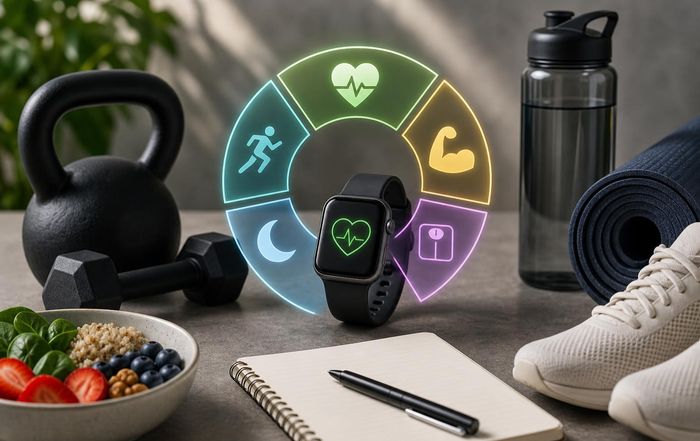
In an era of abundant data and rapid technological innovation, the athletes and professionals who thrive are those who build a personal metric framework aligned with their goals, values and life context. For the community around SportyFusion, this means selecting a small set of core metrics that reflect health, performance and well-being, and then using them to guide decisions rather than to fuel comparison or anxiety. A practical framework might include consistency and weekly training volume as structural anchors, heart rate and RPE for internal load management, one or two key performance indicators such as VO₂ max or threshold pace, recovery markers like sleep duration and HRV, and periodic assessments of body composition and mental well-being. Folks can find ongoing guidance and analysis across SportyFusion Fitness, SportyFusion Health and SportyFusion Performance, where expert contributors translate evolving science into actionable strategies for everyday training.
As the fitness industry continues to evolve through 2026 and beyond, the role of trusted, evidence-based platforms becomes ever more important. With its focus on sports, fitness, health, culture, technology and business, SportyFusion is positioned to help readers navigate this complex landscape, connecting cutting-edge research from leading institutions with the lived realities of athletes and enthusiasts across the United States, Europe, Asia, Africa and South America. By prioritizing metrics that truly matter and interpreting them through the lens of experience, expertise, authoritativeness and trustworthiness, the SportyFusion community can move beyond data overload to build training and lifestyle systems that are not only high-performing but also sustainable, resilient and deeply human.