

The Rise of Data-Driven Fitness Coaching
A New Era for Performance, Health and Business
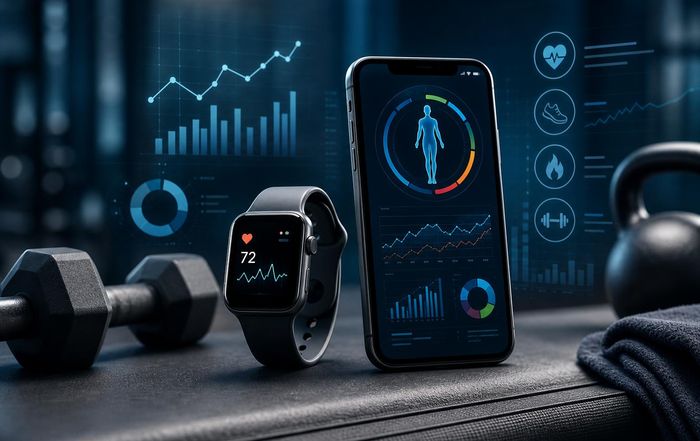
By 2026, data-driven fitness coaching has moved from a niche offering for elite athletes to a mainstream expectation across gyms, apps, and corporate wellness programs worldwide, and for the global audience of SportyFusion.com, this shift is reshaping how sport, health, technology and business converge into a single performance-focused ecosystem. What began as simple step counters and heart-rate monitors has evolved into an interconnected landscape of wearables, smart equipment, AI-powered coaching platforms, and cloud-based analytics that can translate an individual's physiology, behavior and environment into actionable guidance, with organizations from Apple and Google to Nike, Adidas and emerging sports-tech startups competing to define the standards of this new era. As the fitness industry aligns more closely with the data practices of sectors such as finance and healthcare, the emphasis on evidence-based decision-making, measurable outcomes and trustworthy digital infrastructure is becoming central to how consumers choose their training partners, employers design wellness strategies, and brands position themselves in a crowded marketplace.
For SportyFusion.com, which sits at the intersection of sports, fitness, health and technology, this transformation is not just a story about gadgets or apps but about how data is redefining expertise, reshaping cultural attitudes to performance, and creating new opportunities and risks for athletes, professionals and businesses across continents.
From Heart Rate Straps to Intelligent Ecosystems
The journey toward data-driven coaching can be traced back to the widespread adoption of heart-rate monitors in endurance sports and the early sports science work of institutions such as NASA and the U.S. Olympic & Paralympic Committee, which demonstrated that systematic measurement could dramatically improve performance and recovery. Over time, these tools moved from laboratories and elite training centers into consumer wearables like the Garmin Forerunner series and later into multi-sensor devices such as the Apple Watch and Fitbit trackers, which leveraged advances in miniaturized sensors and cloud computing to deliver real-time feedback to everyday users. As machine learning matured, platforms began to interpret patterns in heart-rate variability, sleep cycles, and movement quality, enabling more personalized training recommendations than traditional one-size-fits-all workout plans.
Today, this evolution has produced integrated ecosystems in which a user's wearable, connected home gym equipment, nutrition apps and smartphone-based coaching services are synchronized through cloud platforms and health data frameworks such as Apple Health and Google Fit, allowing coaches and AI systems to see a holistic, longitudinal view of performance and wellbeing. Readers can explore how digital health infrastructure is being standardized through resources from the World Health Organization and learn how these frameworks influence both consumer products and clinical-grade fitness solutions that bridge the gap between wellness and medicine.
The Science Behind Data-Driven Coaching
At the core of data-driven coaching lies the application of exercise science, physiology, and behavioral analytics to individualized training decisions, with leading sports science organizations and research centers around the world providing the evidence base that informs the algorithms and methodologies used by modern coaching platforms. Institutions such as the American College of Sports Medicine and the National Strength and Conditioning Association have long published position stands and guidelines on topics including aerobic conditioning, resistance training, and youth athletic development, and these frameworks now underpin the logic of many digital coaching tools, even when users are unaware of the underlying science. By integrating metrics such as VO2 max estimates, lactate threshold approximations, heart-rate variability, sleep stage analysis and movement efficiency scores, data-driven coaches can tailor workloads to a user's current readiness, reducing the risk of overtraining while maximizing adaptation.
At the same time, behavioral and psychological research, including work referenced by organizations like the American Psychological Association, has emphasized that sustainable fitness outcomes depend not only on physiology but also on motivation, habit formation, and social support, prompting data-driven platforms to incorporate nudging, gamification, and community features into their designs. For the audience of SportyFusion.com, this scientific foundation is critical, because it distinguishes serious, evidence-based coaching solutions from superficial trend-driven apps, and underlines why understanding the provenance and validation of an algorithm is as important as appreciating its user interface or marketing.
Wearables, Smart Equipment and the Quantified Athlete
The contemporary fitness landscape is dominated by multi-sensor wearables, smart gym equipment and connected recovery tools that together create a detailed portrait of an athlete's internal and external load, and this quantification has become central not only for elite competitors but also for recreational athletes in markets from the United States and Europe to Asia-Pacific. Devices from organizations such as Garmin, Polar, Whoop, Oura and Samsung now routinely track metrics including heart rate, oxygen saturation, skin temperature, sleep stages, and even proxies for stress, while smart bikes, treadmills and strength systems capture power output, cadence, range of motion and tempo, feeding this data into cloud platforms that can adjust training plans in real time.
Readers interested in the broader technology trends behind these devices can explore resources from the Consumer Technology Association or follow developments in sensor innovation through the MIT Technology Review, which regularly covers advances in wearable and health tech. For SportyFusion.com, which covers performance and training as core themes, the quantified athlete is no longer a futuristic concept but a daily reality, as runners in Berlin, cyclists in Melbourne, skiers in Switzerland and footballers in São Paulo all rely on dashboards and readiness scores to shape their sessions, compare their efforts with global peers, and share performance data with coaches, clubs and sponsors.
Artificial Intelligence as the New Assistant Coach
Artificial intelligence has become the engine that translates raw data streams into meaningful coaching decisions, with AI models now capable of analyzing thousands of data points per second to detect patterns that would be invisible to the human eye, and then converting these insights into personalized training prescriptions, recovery recommendations and injury risk alerts. Companies such as WHOOP, Peloton, Zwift and Nike have embedded AI-driven recommendation engines into their platforms, using supervised and reinforcement learning techniques to adjust intensity, volume and exercise selection based on each user's historical responses and real-time feedback, while major technology players like Microsoft and Google provide cloud AI infrastructure that underpins many of these services.
To understand the broader AI landscape and its implications for sport and health, readers can refer to the OECD's work on AI policy or explore the European Commission's AI initiatives, which influence how AI is regulated and deployed across fitness and wellness platforms in Europe and beyond. Importantly, however, the most credible data-driven coaching solutions frame AI not as a replacement for human expertise but as an assistant coach that augments the judgment of certified trainers, physiologists and medical professionals, with SportyFusion.com frequently highlighting hybrid models where human coaches interpret AI-generated insights within the context of an athlete's goals, constraints and personal history.
Health, Longevity and the Convergence with Digital Medicine
Data-driven fitness is increasingly intertwined with digital health and longevity science, as consumers, employers and healthcare systems recognize that optimized physical activity, sleep and recovery can materially influence long-term health outcomes and healthcare costs. Organizations such as the World Health Organization and the Centers for Disease Control and Prevention have underscored the role of regular exercise in reducing the risk of cardiovascular disease, diabetes, certain cancers and mental health disorders, and data-driven coaching tools are now being designed to help users meet or exceed these evidence-based guidelines in a personalized and sustainable way. In parallel, the rise of digital therapeutics and remote patient monitoring, supported by regulatory bodies like the U.S. Food and Drug Administration, is leading to hybrid programs where supervised exercise and lifestyle interventions are prescribed and monitored via connected platforms that share data between patients, clinicians and coaches.
For readers of SportyFusion.com, this convergence is particularly relevant in regions with aging populations such as Japan, Germany and Italy, where longevity-focused training is becoming a major theme in both consumer fitness and corporate wellness, and where data-driven programs are being used to maintain mobility, cognitive function and independence. Through its coverage of health and world trends, the platform has documented how large employers, insurers and national health systems are experimenting with incentive structures, gamified challenges and AI-driven coaching to promote movement and resilience across diverse demographics.
Culture, Motivation and the Globalization of Digital Coaching
The rise of data-driven coaching is not merely a technological or scientific phenomenon; it is also a cultural shift in how people in different countries conceptualize performance, self-improvement and community, with digital platforms enabling cross-border training cultures that transcend traditional club or national boundaries. In North America and Europe, for example, online cycling and running platforms such as Zwift have created global virtual training groups in which athletes from the United States, the United Kingdom, Spain, the Netherlands and South Africa can ride or run together in real time, while in Asia, mobile-first fitness apps and super-app integrations in markets like China, Singapore and South Korea are blending e-commerce, social media and coaching into a single digital environment.
Researchers and strategists interested in these cultural dynamics can explore analyses from organizations such as the Pew Research Center or the World Economic Forum, which track how digital behaviors and wellness priorities vary across regions. For SportyFusion.com, which dedicates coverage to culture and social dynamics in sport, the key story is how data-driven coaching is reshaping motivation: leaderboards, streaks and performance badges can drive adherence, but there is also a growing counter-movement emphasizing mindful training, intrinsic motivation and sustainable progress, with many experts warning against over-quantification and the psychological pressure that can arise when every workout and recovery metric is constantly scrutinized.
Business Models, Brands and New Career Paths
The commercialization of data-driven coaching has created new business models, revenue streams and career opportunities across the global sports and wellness industry, with established fitness brands and emerging startups competing to own the customer relationship and the underlying data. Subscription-based coaching platforms, connected hardware ecosystems, corporate wellness programs and digital marketplaces for trainers are now central pillars of the sector, and organizations from Peloton and Lululemon Studio to Nike Training Club and Adidas Running are experimenting with hybrid digital-physical offerings that combine app-based guidance with in-person experiences, events and branded environments.
For a deeper understanding of how these business models are evolving, readers can consult analyses from the International Health, Racquet & Sportsclub Association or review market research from McKinsey & Company on the global wellness economy, which has highlighted the rapid growth of connected fitness and personalized health services. At the same time, the rise of data-driven coaching is creating new job categories that blend sport science, data analytics and digital product management, with roles such as performance data analyst, AI coaching architect and digital training strategist emerging across clubs, technology companies and consultancies. Through its business and jobs coverage, SportyFusion.com has been documenting how professionals with backgrounds in physiology, computer science and behavioral psychology are collaborating to build platforms that are both scientifically robust and commercially viable.
Ethics, Privacy and Trust in a Data-Heavy World
As fitness coaching becomes more data-driven, questions of ethics, privacy, algorithmic fairness and data governance have moved from the margins to the center of strategic decision-making for organizations and regulators, since the same datasets that enable personalized training also reveal intimate details about an individual's health, habits and daily routines. In regions such as the European Union, frameworks like the General Data Protection Regulation, discussed extensively on the European Data Protection Supervisor website, impose stringent requirements on how biometric and health-related data can be collected, processed and shared, while in other jurisdictions, sector-specific guidelines and industry codes of conduct are emerging to fill regulatory gaps. For users, the key questions are who controls their data, how transparently algorithms are explained, and whether consent mechanisms and opt-out options are meaningful rather than perfunctory.
Ethical debates also extend to the potential for algorithmic bias, particularly when AI-driven coaching models are trained primarily on datasets from specific populations and may not generalize well across diverse ethnic, gender or age groups, leading to suboptimal or even harmful recommendations. Organizations such as the Partnership on AI and the Future of Privacy Forum are actively exploring these issues and proposing best practices, while SportyFusion.com, through its ethics and news sections, has highlighted the importance of independent validation, transparent reporting and multi-disciplinary oversight for fitness platforms that aspire to long-term trustworthiness. For business leaders and coaches, investing in robust privacy-by-design practices and ethical review processes is increasingly seen not just as a compliance obligation but as a differentiator in a crowded market.
Sustainability, Environment and the Lifecycle of Fitness Technology
The expansion of data-driven fitness has environmental implications that are becoming more visible as consumers and regulators scrutinize the lifecycle of electronic devices, cloud infrastructure and associated supply chains, from resource extraction and manufacturing to energy consumption and e-waste. Wearables, smart equipment and connected recovery tools rely on components such as rare earth metals and lithium-ion batteries, whose extraction and disposal can have significant ecological impacts, and as upgrade cycles accelerate, the volume of discarded devices poses a growing challenge for waste management systems worldwide. Organizations such as the United Nations Environment Programme and the Ellen MacArthur Foundation provide resources on circular economy principles and sustainable product design, which are increasingly relevant for sports-tech companies aiming to align high-performance products with environmental responsibility.
For the environmentally conscious audience of SportyFusion.com, which regularly explores environment and sustainability themes, the critical question is how brands will integrate eco-design, repairability, modularity and responsible recycling into their hardware and packaging strategies, while also addressing the carbon footprint of the cloud services and data centers that power their coaching algorithms. Forward-looking companies are beginning to publish sustainability reports, invest in renewable energy for their digital infrastructure, and experiment with trade-in or refurbishment programs for devices, recognizing that performance-oriented consumers increasingly expect their training tools to align with broader values related to climate and social responsibility.
Gaming, Immersive Experiences and the Future of Engagement
Another defining trend in data-driven fitness coaching is the convergence with gaming, extended reality and interactive entertainment, as platforms seek to make training sessions more engaging, social and emotionally rewarding by borrowing design principles from the gaming industry. Virtual cycling and running environments, mixed-reality boxing and dance workouts, and AI-driven story-based training sessions are turning exercise into an interactive narrative in which performance metrics drive in-game progress, rewards and competitive dynamics. Companies such as Zwift, VRChat partners and fitness-focused game developers are leveraging advances in graphics, haptics and motion tracking to create immersive experiences that can motivate users who might otherwise struggle to maintain traditional training routines.
Readers interested in the broader implications of this gamification can consult analyses from the Entertainment Software Association or explore research on exergaming and digital engagement published by academic and industry groups, many of which highlight both the adherence benefits and the potential risk of over-reliance on external rewards. For SportyFusion.com, with its dedicated gaming and lifestyle coverage, the key narrative is how immersive, data-driven experiences are broadening the definition of sport and fitness, creating new communities that span traditional boundaries between athletes and gamers, and offering innovative pathways to physical activity for younger demographics and digital natives across continents.
The Road Ahead: Human-Centered, Evidence-Based and Globally Connected
As data-driven fitness coaching continues to mature through 2026 and beyond, the most credible and enduring models are likely to be those that combine technological sophistication with human-centered design, ethical rigor and a commitment to robust scientific validation, recognizing that performance data is a powerful tool but not a complete representation of human experience. For athletes, professionals and organizations across the United States, Europe, Asia, Africa and South America, the challenge will be to harness the predictive power of AI, the precision of advanced sensors and the scalability of cloud platforms without losing sight of individuality, context and the joy of movement that originally drew people to sport and exercise.
In this evolving landscape, SportyFusion.com positions itself as a guide and curator, connecting its global community to insights on fitness, sports, technology, business and ethics, while highlighting the voices of coaches, scientists, entrepreneurs and athletes who are shaping the next generation of data-informed performance. As data-driven coaching moves from novelty to norm, the organizations and individuals who succeed will be those who treat data not as an end in itself but as a means to build healthier, more resilient and more connected communities, grounded in trust, expertise and a shared commitment to excellence.