

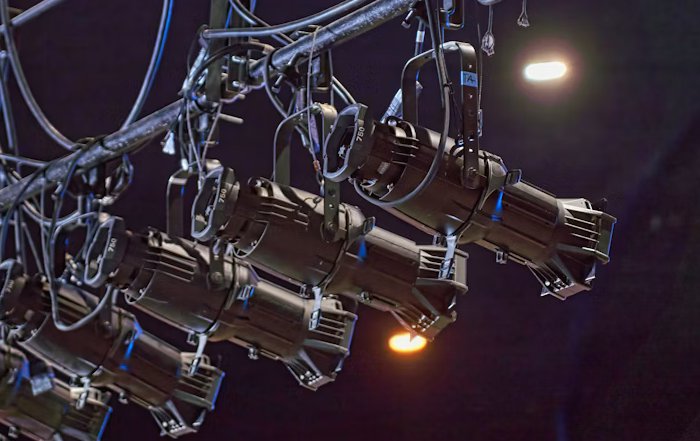
Lighting Technology Enhancements in Smart Stadiums: The New Arena of Performance and Experience
Smart Stadiums at the Intersection of Sport, Technology, and Business
Lghting technology in smart stadiums has evolved from a functional necessity into a strategic asset that shapes fan experience, athlete performance, broadcast quality, sustainability outcomes, and commercial returns. Around the world, from the United States and the United Kingdom to Germany, Singapore, and Brazil, venue owners and operators are rethinking how light is designed, controlled, and monetized, turning stadiums into dynamic, data-driven environments that respond in real time to the needs of fans, teams, broadcasters, and sponsors. For SportyFusion.com, whose audience spans fitness, culture, health, technology, business, and performance, this transformation represents a powerful convergence of sport, innovation, and global trends that is redefining what it means to attend or participate in a live event.
Smart stadium lighting is no longer just about visibility; it is about orchestrating immersive experiences, supporting athlete wellbeing, enabling ultra-high-definition broadcasting, and aligning with stricter environmental and ethical expectations. As venues compete with at-home streaming and gaming experiences, and as younger audiences demand richer, more interactive entertainment, lighting systems have become a central pillar of smart venue strategies, tightly integrated with digital signage, connectivity, data analytics, and even wearable technologies. Readers who follow the broader evolution of sports ecosystems on SportyFusion's technology coverage will recognize lighting as one of the most visible and influential frontiers of this shift.
From Metal Halide to Intelligent LED: A Global Technology Pivot
The most fundamental change in stadium lighting over the past decade has been the near-universal shift from legacy metal halide or high-pressure sodium fixtures to advanced LED systems. Organizations such as Signify (Philips Lighting), MUSCO Lighting, Zumtobel Group, and Eaton have driven this transition, offering solutions that combine energy efficiency, fine-grained control, and long service life. According to ongoing analyses by bodies like the International Energy Agency, solid-state lighting has become a critical lever for reducing global electricity consumption, and stadiums-historically high-intensity energy users-are prominent beneficiaries of this evolution.
Modern LED systems in smart stadiums deliver high lumen output with significantly lower wattage, drastically reducing operating costs while supporting higher broadcast standards such as 4K, 8K, and high-frame-rate slow-motion replays. They also enable instant on/off and dimming, eliminating the warm-up times associated with older technologies and allowing venues to choreograph complex lighting sequences synchronized with music, graphics, and in-bowl entertainment. For readers following the intersection of sports and sustainability on SportyFusion's environment section, this pivot to LED represents a clear example of how performance demands and environmental responsibility can converge.
Precision Illumination and the Athlete Performance Edge
Beyond efficiency, the new generation of lighting is increasingly designed with athlete performance, safety, and health in mind. Elite stadiums across Europe, North America, and Asia are implementing highly uniform lighting schemes that minimize glare, shadows, and contrast imbalances, enabling players to track fast-moving balls or pucks with greater accuracy and reducing visual fatigue during intense competition. Guidance from organizations such as FIFA, UEFA, the NBA, and the International Olympic Committee has helped standardize illumination levels and uniformity ratios, while research shared by institutions like the U.S. National Institutes of Health continues to explore how light exposure affects circadian rhythms, reaction times, and cognitive performance.
In many cutting-edge venues, tunable white LED systems allow operators to adjust color temperature before, during, and after events, supporting pre-game focus, in-game alertness, and post-game recovery. This approach echoes broader trends in workplace and wellness lighting and aligns with the health-focused content that SportyFusion covers in its dedicated health reporting. For athletes, especially those competing across time zones in global leagues or tournaments, lighting that supports circadian alignment can be a subtle but meaningful factor in maintaining peak performance.
Immersive Fan Experiences: Lighting as Live Storytelling
For fans in the stands, lighting has become a form of live storytelling, transforming stadiums into programmable canvases where color, intensity, and movement are used to amplify emotion and narrative. Smart stadiums in the United States, Germany, the United Kingdom, South Korea, and the Middle East now routinely deploy dynamic LED systems that can wash the bowl in team colors, pulse in sync with crowd chants, or respond instantly to goals, touchdowns, or game-winning shots. Venues like Allianz Arena in Munich, Tottenham Hotspur Stadium in London, and SoFi Stadium in Los Angeles have become global reference points for this kind of immersive design, demonstrating how lighting can create a signature identity that extends beyond the pitch or field.
These experiences are often tied to broader digital ecosystems that include giant LED videoboards, perimeter displays, and even interactive mobile apps, enabling fans to become co-creators of the atmosphere. As organizations such as World Rugby and LaLiga explore new ways to engage younger, digitally native audiences, lighting is increasingly integrated with augmented reality overlays, second-screen content, and social media activations, ensuring that the in-venue experience feels as rich and interactive as the best streaming or gaming platforms. Those who follow fan-culture narratives on SportyFusion's culture pages will recognize how lighting now plays a role in shaping the rituals, identities, and shared memories that define modern sports fandom.
Broadcast, Streaming, and the Demands of Ultra-High Definition
The rapid adoption of 4K and 8K broadcasting, high-dynamic-range (HDR) imaging, and advanced replay technologies has placed new demands on stadium lighting. Broadcasters such as ESPN, Sky Sports, DAZN, and Amazon Prime Video require consistent, flicker-free, high-intensity illumination that can capture every detail-from the spin of a tennis ball in Melbourne to the texture of a football pitch in Manchester-without artifacts or exposure issues. Organizations like the Society of Motion Picture and Television Engineers and the European Broadcasting Union have issued evolving guidelines on lighting for ultra-high-definition production, encouraging venues to adopt systems that meet stringent standards for color rendering, uniformity, and temporal stability.
Modern LED drivers and control systems are now engineered to eliminate flicker even at very high frame rates, enabling crisp slow-motion replays and advanced analytics overlays. This has become especially critical for global events such as the FIFA World Cup, the Olympic Games, and major esports tournaments, where global audiences expect cinematic quality on any device. For a platform like SportyFusion, which covers both sports and gaming, the convergence of live sports production and interactive digital entertainment underscores how lighting is bridging multiple content domains.
Sustainability, Carbon Reduction, and Regulatory Pressure
Sustainability has emerged as one of the most powerful drivers of lighting innovation in smart stadiums. Governments in the European Union, the United States, Canada, Australia, and across Asia are tightening energy-efficiency regulations and emissions targets, while investors and sponsors increasingly evaluate venues through the lens of environmental, social, and governance (ESG) performance. Reports from organizations such as the United Nations Environment Programme and the World Economic Forum emphasize the importance of energy-efficient infrastructure in meeting climate goals, and stadium lighting is a highly visible, measurable component of that agenda.
By replacing legacy systems with high-efficiency LEDs and advanced controls, stadiums can reduce lighting energy consumption by 50-70 percent or more, often achieving rapid payback periods through lower utility bills and reduced maintenance. Many venues are also integrating lighting with on-site renewable energy generation, battery storage, and building management systems, creating smart microgrids that optimize power use across events, training sessions, and non-sporting activities such as concerts. For readers following sustainable business and venue strategies on SportyFusion's business channel, these developments illustrate how environmental responsibility can align with financial performance and brand positioning in the global sports industry.
Data-Driven Control: The Brain Behind the Beams
The intelligence of smart stadium lighting lies not only in the fixtures themselves but in the sophisticated control platforms that manage them. Modern venues deploy centralized, IP-based lighting control systems that integrate with building management platforms, security systems, audio-visual networks, and fan engagement applications. These systems allow operators to create and store complex lighting scenes, automate responses to specific triggers, and monitor performance and energy consumption in real time. Companies like Cisco, Siemens, and Schneider Electric are increasingly involved in these integrations, positioning lighting as part of a broader Internet of Things (IoT) infrastructure.
Through data analytics, operators can identify patterns in usage, fine-tune schedules to reduce waste, and predict maintenance needs before failures occur, improving reliability during high-profile events. Integration with occupancy sensors, ticketing data, and even weather forecasts enables dynamic adjustment of lighting in concourses, hospitality areas, and exterior façades, aligning illumination levels with actual demand. This kind of data-driven optimization resonates with the performance-focused ethos that SportyFusion explores in its performance reporting, extending the concept of performance from athletes to the venues that host them.
Human-Centric and Health-Conscious Lighting in Venues
As awareness of the impact of light on human health has grown, stadium designers and operators have begun to apply principles of human-centric lighting not only for athletes but also for staff, media teams, and spectators. Research aggregated by organizations such as the World Health Organization and the Illuminating Engineering Society highlights how light affects sleep patterns, mood, and cognitive function, and these insights are now influencing design decisions in player tunnels, locker rooms, press areas, hospitality suites, and training spaces.
In many state-of-the-art venues, tunable lighting is used in training facilities and recovery zones to simulate natural daylight cycles, supporting the health and wellbeing of athletes who travel frequently across time zones. Similarly, staff working long or late shifts in control rooms, concessions, and security posts benefit from lighting that supports alertness without being harsh or disruptive. For fans, especially families and older spectators, well-designed circulation and concourse lighting can improve comfort, safety, and wayfinding, reducing stress and enhancing the overall experience. These developments align closely with the holistic view of sport, health, and lifestyle that SportyFusion brings together across its lifestyle and fitness coverage.
Ethics, Inclusivity, and Accessibility in Lighting Design
As lighting systems become more powerful and more programmable, ethical and inclusive design considerations are gaining prominence. Excessively intense or rapidly flashing light shows can pose risks for individuals with photosensitive epilepsy or sensory sensitivities, and there is growing recognition that smart stadiums must balance spectacle with responsibility. Guidelines from organizations such as the Epilepsy Foundation and accessibility standards in regions like the European Union, the United States, and Australia are influencing how clubs and venue operators design pre-game and in-game lighting sequences, ensuring that celebrations do not inadvertently exclude vulnerable fans.
Inclusivity also extends to considerations such as adequate and consistent lighting for accessible seating areas, clear and legible illumination for signage and emergency egress routes, and sensitive design in family zones and quiet spaces within the stadium. For SportyFusion, which engages with ethical questions across sport and business in its ethics section, the evolution of lighting standards illustrates how technological capability must be accompanied by thoughtful governance and stakeholder engagement.
Esports, Gaming Arenas, and the Convergence with Traditional Stadiums
The rise of esports and gaming arenas has introduced new paradigms in lighting design that are now influencing traditional sports venues. Dedicated esports arenas in South Korea, China, the United States, and Europe rely on highly dynamic, theatrical lighting that emphasizes players, casters, and digital content on massive LED walls, while carefully controlling ambient light to optimize visibility of screens and devices. Organizations such as Riot Games, Blizzard Entertainment, and Tencent have pioneered sophisticated show lighting that blends stagecraft with real-time data from gameplay.
Traditional stadiums hosting hybrid events-combining live sports, concerts, and esports tournaments-are increasingly adopting these techniques, creating flexible lighting rigs that can support multiple event formats in rapid succession. This convergence aligns with the interests of SportyFusion's audience, many of whom follow both traditional sports and gaming, and illustrates how lighting technology can serve as a common platform for diverse forms of competition and entertainment. As fan expectations are shaped by immersive digital experiences, stadiums that successfully integrate gaming-style lighting effects may gain an edge in attracting younger demographics.
Regional Trends: Global Innovation with Local Priorities
While the overarching trends in smart stadium lighting are global, regional variations reflect different regulatory environments, climate conditions, cultural preferences, and economic structures. In Europe, stringent energy-efficiency standards and strong public support for climate action have accelerated the adoption of cutting-edge LED systems and integration with renewable energy sources, with countries such as Germany, Denmark, Sweden, and the Netherlands often at the forefront. In North America, large multipurpose venues in the United States and Canada emphasize flexibility and revenue generation, using lighting as a key differentiator for premium experiences and naming-rights partnerships.
In Asia, rapid urbanization and government-backed smart city initiatives in countries such as China, Singapore, South Korea, and Japan are driving the development of highly connected, technology-rich stadiums where lighting is tightly integrated with transportation, security, and urban infrastructure. In regions like South America and Africa, including Brazil and South Africa, investments often focus on balancing modernization with cost-effectiveness, leveraging international partnerships and guidelines from bodies like FIFA to upgrade venues for global events. For a worldwide readership engaging with SportyFusion's world coverage, these regional nuances highlight how lighting enhancements intersect with broader economic and social trajectories.
Commercial Models, Sponsorship, and Job Creation
Lighting technology enhancements are not only a technical or experiential story; they are also reshaping business models and labor markets around stadiums. Sponsors increasingly seek integration into lighting experiences, from branded goal celebrations to color-themed halftime shows, creating new inventory for rights holders and agencies. Companies such as Coca-Cola, Visa, and Adidas have experimented with lighting-driven activations at major events, aligning their brands with memorable visual moments that are shared across social media and broadcast platforms.
At the same time, the complexity of modern lighting systems is creating new roles and career paths in design, engineering, operations, and data analytics. Lighting designers, control system specialists, and sustainability consultants are becoming integral members of stadium project teams, and ongoing operations require skilled technicians capable of managing integrated digital platforms. For professionals and jobseekers following opportunities in the sports and entertainment ecosystem on SportyFusion's jobs section, the growth of smart stadium lighting represents a tangible expansion of the talent landscape, spanning architecture, IT, broadcast, and event production.
The Road Ahead: Integration, Standards, and Continuous Innovation
Looking toward the late 2020s, the trajectory of lighting technology in smart stadiums points toward deeper integration, higher levels of automation, and more sophisticated personalization. Emerging developments include the application of artificial intelligence to optimize lighting scenes based on real-time crowd sentiment, biometric data from players, and predictive models of energy pricing; the use of digital twins to simulate and refine lighting designs before construction or renovation; and the integration of lighting with augmented reality glasses or mobile applications to create individualized in-seat experiences.
Industry standards bodies and organizations such as the International Organization for Standardization and the International Association of Lighting Designers are likely to play an increasing role in harmonizing technical and safety requirements across regions, while leagues and federations continue to refine competition and broadcast criteria. For venues, clubs, and cities, the challenge will be to invest in platforms that are resilient and adaptable, capable of evolving as technologies and fan expectations change. For a platform like SportyFusion, which covers breaking developments in sport and technology and connects them to broader social and cultural dynamics, lighting will remain a vivid indicator of how deeply digital transformation is reshaping the live sports experience.
How SportyFusion Sees the Future of Stadium Light
From the vantage point of SportyFusion.com, lighting technology enhancements in smart stadiums exemplify the fusion of sport, technology, business, and culture that defines the modern athletic landscape. Light has become a strategic tool that touches nearly every dimension of the venue ecosystem: it influences athlete performance and health, shapes fan emotions and memories, underpins the visual language of global broadcasts and gaming streams, drives sustainability and ethical considerations, and opens new avenues for commercial innovation and job creation. As stadiums across the United States, Europe, Asia, Africa, and South America continue to evolve, the venues that treat lighting not as an afterthought but as a core component of their identity and strategy will be best positioned to thrive in an increasingly competitive and experience-driven marketplace.
For readers who follow SportyFusion's integrated coverage across sport, technology, business, culture, and social impact, the story of smart stadium lighting is a reminder that the future of sport is not only about what happens on the field but also about the invisible systems and design choices that shape how that action is seen, felt, and remembered around the world.