

Local Adaptation in Global Branding Strategies: How SportyFusion Sees the Next Play in 2026
Global Brands, Local Realities in a Changed World
By 2026, global brands are operating in an environment that is simultaneously more interconnected and more demanding than at any point in the past decade. Cross-border e-commerce, streaming platforms and always-on social media have removed many geographic barriers, allowing campaigns, sports highlights and product drops to reach audiences from Los Angeles to Lagos in seconds. At the same time, those audiences now insist that brands understand and respect local culture, social priorities, economic pressures and everyday realities rather than treating the world as a single homogeneous market. For SportyFusion, which positions itself at the intersection of sport, performance, lifestyle, culture and technology, this tension between global scale and local nuance is not an abstract marketing theory but the central strategic question that shapes how modern brands earn attention, loyalty and long-term trust.
Local adaptation in global branding has evolved far beyond the superficial translation of slogans or the cosmetic adjustment of color palettes. It has become a multidimensional, data-informed and ethically grounded discipline that influences product design, pricing, distribution, partnerships, sustainability commitments and community engagement. As global sporting events, from the FIFA World Cup to the Olympic and Paralympic Games, become arenas not only for athletic excellence but for debates about national identity, social justice and environmental responsibility, a single misjudged campaign can damage reputation worldwide, while a carefully localized initiative can generate enduring goodwill. Within this context, SportyFusion approaches the subject through the same lenses that define its editorial DNA across fitness, culture, health, technology, business and ethics, with a focus on how brands can translate global ambition into locally credible action.
From Global Consistency to Deep Local Relevance
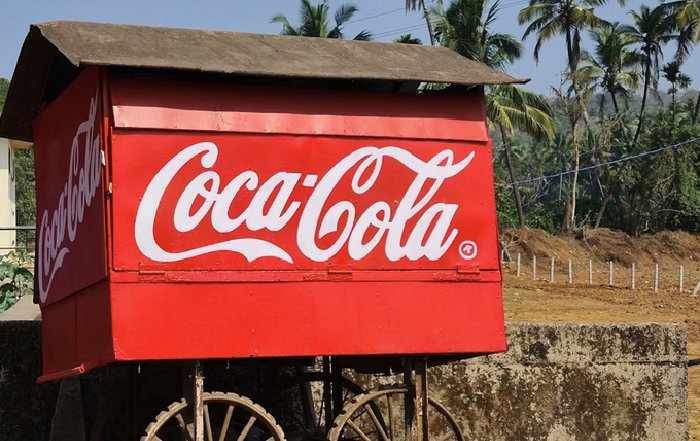
The classic playbook of global branding was built around the principle of consistency: unified logos, standardized advertising and centrally controlled narratives that projected a single identity across continents. Iconic organizations such as Coca-Cola, McDonald's and Nike built immense equity by making their visual and verbal identity instantly recognizable in almost any city in the world. However, the shift in consumer expectations over the last decade, accelerated by social media and regional sports ecosystems, has exposed the limits of a one-message-fits-all approach. Consumers in the United States, the United Kingdom, Germany, South Africa, Japan or Brazil may all recognize the same brand, but they expect it to speak to them in ways that reflect local language, values, humor, sporting passions and social realities.
Strategic analysis from firms like McKinsey & Company has underscored that personalization, cultural fluency and micro-segmentation are now central drivers of growth in lifestyle, fitness and entertainment categories. At the same time, editorial and academic perspectives from platforms such as Harvard Business Review have emphasized that global brands must preserve a clear strategic core while devolving meaningful decision-making power to local teams. For the SportyFusion audience, which tracks the evolving dynamics of training and performance, urban lifestyle and sports culture, the key lesson is that lasting brand equity arises when a global narrative is strong enough to remain recognizable, yet flexible enough to be reinterpreted in local idioms without losing its integrity.
In 2026, leading brands are moving away from rigid global campaigns toward modular frameworks: a shared brand purpose, visual language and product architecture that can be adapted to local storytelling, pricing and partnerships. This shift requires not only marketing agility but organizational humility, as global headquarters accept that the most effective ideas for Germany, Singapore or South Africa may originate from local teams, local creators or local communities rather than from a central creative hub.
Culture, Sport and the Power of Local Identity
Sport remains one of the most visible and emotionally charged arenas in which the tension between global reach and local identity plays out. Football in Brazil, rugby in New Zealand, cricket in India, baseball in Japan, cycling in France and ice hockey in Canada represent far more than entertainment; they are deeply embedded cultural rituals that shape community identity, political symbolism and intergenerational memory. When a global brand aligns itself with a local club, national team or regional league, it is stepping into a space where history, pride and sometimes trauma coexist, and where misreading local sentiment can trigger backlash far beyond the stadium.
Organizations such as Adidas, Puma and Under Armour have refined region-specific portfolios that recognize how different codes of sport carry different meanings in markets as varied as Italy, Spain, South Korea or South Africa. Reports and competition frameworks from bodies like FIFA and UEFA illustrate how global tournaments are now accompanied by complex layers of localized activation, from fan festivals in host cities to legacy programs that aim to improve community facilities in surrounding regions. For SportyFusion, whose readers follow global sports developments with an eye on culture and performance, the standout examples are those in which brands co-create experiences with local fan groups, supporters' trusts, women's leagues or grassroots academies, instead of simply exporting a pre-packaged narrative.
The need for cultural sensitivity extends into the way brands address social issues through sport. In North America and parts of Europe, athlete activism, racial justice, gender equity and mental health have become central to how sports properties and sponsors are judged. In other regions, including parts of Asia and the Middle East, political and regulatory environments impose different boundaries on public discourse, and brands must navigate these constraints without abandoning their stated values. This requires deep local listening, long-term relationships with community stakeholders and a willingness to invest in understanding local histories rather than relying on global assumptions. Sport-focused readers on SportyFusion see that the brands earning respect are those that approach local fan cultures with humility, consult local voices before launching campaigns and accept that authenticity cannot be reverse-engineered at the last minute.
Health, Wellness and Local Lifestyle Expectations
The global pivot toward health, wellness and performance has continued to accelerate into 2026, but the way it manifests is highly differentiated across regions. In North America, Western Europe and parts of Australasia, there is a strong emphasis on longevity, mental health, personalized training and preventive care, informed by guidelines and research from organizations such as the World Health Organization and the Centers for Disease Control and Prevention. In rapidly urbanizing markets across Asia and Latin America, from China and Thailand to Brazil and Mexico, consumers often blend modern, tech-enabled wellness solutions with traditional practices, local dietary patterns and family-based approaches to health.
For brands in nutrition, connected fitness, wearables and athleisure, these differences require more than cosmetic localization. Product formulations, portion sizes, flavor profiles, imagery and even definitions of an "ideal" or "healthy" body must be tailored to local norms and regulations. A performance supplement that succeeds in the United States may need reformulation to comply with European Food Safety Authority standards, while marketing that resonates in the United Kingdom might need adjustment for markets where discussions of mental health or body image remain more sensitive. Readers who engage with SportyFusion's health coverage understand that trust in wellness brands is built on a combination of scientific credibility, regulatory compliance and cultural empathy, whether the issue is air quality and respiratory health in India, aging populations in Japan and Italy, or youth inactivity in Canada and the United Kingdom.
In this landscape, knowledge hubs such as Mayo Clinic and public health systems like the NHS serve as reference points for evidence-based guidance that many consumers and professionals consult. Global brands that align their messaging with such institutions, communicate transparently about research and adapt responsibly to local health regulations demonstrate a level of expertise and authoritativeness that audiences increasingly demand. For SportyFusion, which covers everything from elite performance protocols to everyday fitness habits, credible local adaptation in health is not optional; it is a prerequisite for any brand seeking to be taken seriously by informed consumers in 2026.
Technology, Data and Hyper-Localized Engagement
Digital technology has transformed local adaptation from a periodic campaign exercise into a continuous, real-time capability. Advances in artificial intelligence, machine learning and cloud infrastructure enable brands to analyze user behavior, content engagement, purchasing patterns and location data at granular levels, making it possible to design and deliver locally tailored experiences at global scale. For SportyFusion, which reports on technology's impact on sport and performance, this convergence of sports tech, wearables, streaming and gaming has become one of the defining themes of the mid-2020s.
Global organizations are using platforms such as Google Cloud and Microsoft Azure to build data lakes that integrate retail transactions, app usage, loyalty programs and social listening, allowing them to test multiple localized creative variants and optimize media investments in real time. In gaming and esports, where local cultures around specific titles, tournament structures and streaming platforms differ sharply between regions such as South Korea, Germany, Brazil or the United States, brands collaborate with local creators on platforms like Twitch and YouTube to develop content that feels native to the community rather than imported. Readers who follow SportyFusion's gaming section see that successful sponsorships in esports, VR fitness or mobile gaming must align with local payment systems, regulatory regimes and parental expectations around screen time and youth protection.
Yet this technological power comes with heightened responsibility. Regulatory frameworks such as the EU General Data Protection Regulation and evolving privacy laws in jurisdictions including Brazil, South Africa, Thailand, Canada and several U.S. states impose strict requirements on data collection, consent, storage and cross-border transfer. For global brands, the challenge is to balance the desire for granular local insight with robust governance, ethical data practices and transparent communication. In 2026, consumers in Europe, North America and parts of Asia are increasingly aware of their digital rights and are more likely to reward brands that demonstrate restraint and clarity in their use of data. Within this environment, SportyFusion observes that local adaptation strategies built on opaque data harvesting are unlikely to withstand scrutiny from regulators, journalists or the public.
Business Strategy: Glocalization as a Core Competitive Advantage
From a business perspective, local adaptation has matured into a core strategic discipline often summarized as "glocalization": thinking globally while acting locally in a structured and deliberate way. In sectors closely followed by SportyFusion, including sportswear, performance nutrition, connected fitness, gaming and lifestyle brands, the most successful companies are those that design modular strategies that combine a strong global platform with locally configurable components. These components can range from region-specific product lines and localized pricing to partnerships with local retailers, digital marketplaces, federations and community organizations.
Economic analysis from bodies such as the World Economic Forum and the OECD continues to highlight that much of the incremental consumer growth over the coming decade will come from markets across Asia, Africa and South America. However, these regions are anything but uniform, with significant variations in income distribution, infrastructure, regulatory systems, digital penetration and cultural norms. For readers following SportyFusion's business coverage, the pattern is clear: brands that invest early in understanding these differences, building local leadership teams and cultivating long-term partnerships consistently outperform those that rely on models designed for North America or Western Europe and then lightly adapted elsewhere.
In practice, glocalization might mean that a global fitness brand operates flagship experiential stores in New York, London, Tokyo and Paris while relying on mobile-first commerce and local trainers in markets such as India, Indonesia, Nigeria or Brazil, where younger demographics and different income profiles demand a more flexible approach. It may involve adjusting sponsorship portfolios to include not only global mega-events but also local women's leagues, adaptive sports programs, university competitions and neighborhood tournaments that carry disproportionate cultural meaning in specific markets. For SportyFusion, which also covers world sport and cultural trends, the most compelling case studies are those where commercial objectives are integrated with genuine contributions to local sporting ecosystems, whether through facility upgrades, coach education, youth development or inclusive participation initiatives.
Ethics, Inclusion and the Social License to Operate
As global brands expand their footprint, they are increasingly judged not only on what they sell but on how they behave. Local adaptation is therefore inseparable from questions of ethics, human rights, labor standards and environmental responsibility. A brand that tailors its marketing to local tastes but ignores exploitative working conditions in its supply chain, or that sponsors a local league while remaining silent on discrimination in that context, risks losing what many commentators describe as its "social license to operate."
Investigations and reports from organizations such as Human Rights Watch and Amnesty International have repeatedly drawn attention to labor abuses, unsafe conditions and wage disparities in global supply chains, including those linked to sportswear, equipment and event infrastructure. In parallel, initiatives like the UN Global Compact encourage companies to align their operations with principles related to human rights, labor, environment and anti-corruption. Readers who follow ethics-oriented analysis on SportyFusion recognize that credible local adaptation must be built on a consistent ethical foundation across markets, even when local regulations are weaker or enforcement is inconsistent.
Inclusion has emerged as a particularly visible dimension of this ethical landscape. The rapid growth of women's sport in the United States, the United Kingdom, Australia, parts of Europe and increasingly in Latin America and Africa has forced brands to reconsider how they allocate sponsorship budgets, design products and represent athletes. Issues related to LGBTQ+ inclusion, disability sport, indigenous representation and socio-economic access to sport and fitness vary significantly by region, but they are increasingly part of global conversations that no brand can ignore. Effective local adaptation means understanding where each market stands on these issues, taking principled positions and preparing for the reality that alignment with core values may generate controversy in the short term while strengthening trust in the long run. For SportyFusion, this intersection of ethics, performance and branding is not a niche concern; it is a defining characteristic of credible modern sport and lifestyle businesses.
Sustainability and Environmentally Conscious Localization
Environmental sustainability has moved from the margins of brand strategy to its center, particularly for younger and more urban consumers across Europe, North America, Asia-Pacific and parts of Africa and South America. However, the specific environmental issues that dominate public debate vary widely: air pollution in major Asian and European cities, water scarcity in Australia and parts of Africa, deforestation in South America, energy transition in North America and Europe, and waste management in rapidly growing urban centers worldwide. For a platform like SportyFusion, which covers environmental dimensions of sport and business, the question is how brands can maintain credible global climate commitments while tailoring their environmental messaging and initiatives to local realities.
Scientific assessments from the Intergovernmental Panel on Climate Change (IPCC) and policy guidance from the UN Environment Programme underline the urgency of reducing greenhouse gas emissions, transitioning to circular material flows and protecting biodiversity. In the sporting world, organizations such as the International Olympic Committee and various professional leagues have introduced sustainability frameworks for events, venues and supply chains, which in turn shape expectations for sponsors and suppliers. Global brands must therefore navigate a complex matrix of international commitments, regional regulations and local environmental concerns.
Local adaptation in sustainability can involve sourcing materials from regional suppliers to reduce transportation-related emissions, supporting community recycling or upcycling initiatives, investing in green infrastructure around stadiums and training centers, or backing local climate resilience projects that address specific vulnerabilities, such as coastal flooding or heat stress. For SportyFusion, these initiatives are not peripheral public relations exercises but central to how performance, lifestyle and brand trust intersect in a climate-constrained era. Readers increasingly evaluate whether sustainability claims are matched by concrete, locally visible actions that demonstrate long-term commitment rather than short-lived campaigns.
Talent, Jobs and the Value of Local Expertise
None of these sophisticated local adaptation strategies can be executed without the right people on the ground. Global brands depend on local teams who understand cultural nuance, regulatory environments, media ecosystems and consumer behavior in markets as diverse as the United States, Germany, Singapore, South Korea, South Africa, Brazil and beyond. For companies operating in sport, fitness, gaming and lifestyle, this includes expertise in marketing, product development, sports science, data analytics, community engagement and sustainability.
Platforms such as LinkedIn and Indeed have made it easier to identify and recruit talent across borders, but competition for skilled professionals in growth markets remains intense. Readers who follow SportyFusion's jobs and careers content see that leading brands are rethinking their talent strategies to combine global mobility with local leadership development, remote collaboration models and flexible work arrangements that respect local norms. Crucially, genuine local adaptation requires granting local leaders real authority over strategy and budgets, rather than positioning them as mere executors of centrally designed plans.
Beyond internal teams, collaboration with external local experts-sports scientists, nutritionists, cultural historians, technologists, community organizers and sustainability specialists-enhances a brand's ability to design products and experiences that are both globally competitive and locally grounded. This might involve co-developing performance programs with regional training institutes, partnering with universities on sports technology research, or working with community-based organizations to expand access to sport in underserved neighborhoods. For readers interested in performance-driven innovation on SportyFusion, such collaborations illustrate how expertise, local knowledge and shared purpose can produce initiatives that resonate far more strongly than top-down campaigns.
Storytelling, Media Platforms and the Local Narrative
In a fragmented and fast-moving media environment, storytelling remains the mechanism through which global brands connect their overarching purpose with the specific realities of local audiences. Digital publishers, broadcasters, streaming platforms and social media channels determine how stories about sport, health, culture, technology and business travel across borders and are reinterpreted in different contexts. SportyFusion, with its blend of news and analysis across sport, health, culture, technology and business, operates as both observer and participant in this evolving ecosystem.
Brands that excel in local adaptation use storytelling to highlight not only global icons but also local heroes, community initiatives and culturally resonant themes. A global campaign might feature internationally recognized athletes, while region-specific content introduces emerging talents from domestic leagues, adaptive sports, women's competitions or community clubs that reflect local aspirations and challenges. Established media outlets like The Guardian and BBC Sport demonstrate how it is possible to combine global coverage with deep local reporting, offering a template for brands that seek to communicate with similar sophistication and nuance.
For SportyFusion, which connects readers across continents through coverage of lifestyle, social impact, technology and performance, the mission is to provide a platform where audiences from the United States, the United Kingdom, Germany, Canada, Australia, France, Italy, Spain, the Netherlands, Switzerland, China, Sweden, Norway, Singapore, Denmark, South Korea, Japan, Thailand, Finland, South Africa, Brazil, Malaysia, New Zealand and beyond can see how brands, athletes, entrepreneurs and communities navigate the interplay of global forces and local realities. This perspective allows readers to assess which organizations demonstrate genuine experience, expertise, authoritativeness and trustworthiness in their global-local strategies, and which remain trapped in an outdated, one-directional model of communication.
Looking Ahead from 2026: Local Adaptation as a Core Competence
By 2026, local adaptation in global branding is no longer a specialist capability reserved for the most advanced marketing organizations; it has become a baseline expectation for any brand that aspires to operate credibly across borders. The convergence of heightened health consciousness, digital connectivity, environmental urgency and social activism has produced consumers in Europe, Asia, Africa, North America and South America who are more informed, more vocal and less tolerant of superficial engagement than ever before. They reward brands that respect their cultures, invest in their communities, act consistently with declared values and demonstrate expertise in their chosen fields, while exposing those whose local efforts feel opportunistic or inauthentic.
For global brands operating in sport, fitness, gaming, lifestyle and performance, the path forward involves embedding local adaptation into every layer of strategy and execution: from product design and supply chain decisions to sponsorship portfolios, digital experiences, talent development and sustainability initiatives. It requires balancing global coherence with local flexibility, data-driven optimization with human-centered understanding, and commercial ambition with ethical responsibility. As SportyFusion continues to evolve as a global platform for sport, culture, technology and business at sportyfusion.com, it will remain focused on tracking how organizations navigate this balance, highlighting examples of excellence, scrutinizing missteps and surfacing the questions that business leaders, athletes, technologists and communities must ask as they shape the next era of global sport and lifestyle branding.
In this evolving landscape, the brands that thrive will be those that treat local adaptation not as a final tweak to campaigns developed elsewhere, but as a foundational principle that guides how they listen, learn and act in every market they enter. For the SportyFusion audience, that principle is likely to be one of the most important differentiators between brands that merely appear global and those that truly belong to the diverse communities they serve.