

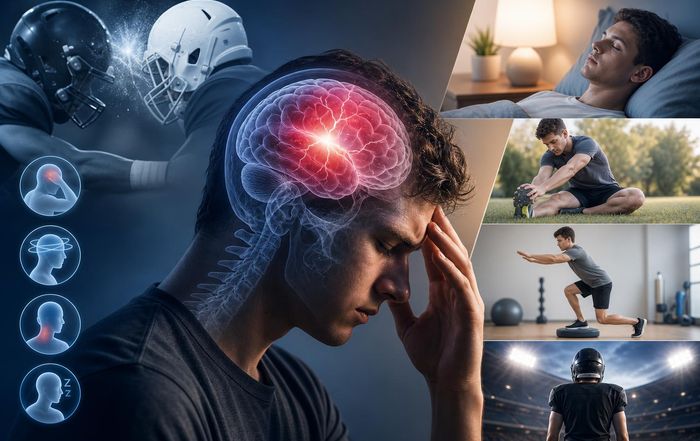
Sports Concussions: Symptoms, Recovery, and Safe Return to Play
Concussions have shifted from a niche medical concern to a mainstream sports issue. From youth leagues to professional arenas, awareness has grown that "getting your bell rung" is not a minor inconvenience but a brain injury that needs careful management. For athletes, parents, and coaches, the key questions are consistent: how do you recognize a concussion, what does recovery really involve, and when is it safe to return to play? This sporting news document brings together current medical guidance, sport-specific context, and practical strategies to help active people navigate concussions more safely.
What a Sports Concussion Actually Is
A concussion is a form of mild traumatic brain injury (mTBI) caused by a blow to the head, neck, or body that transmits force to the brain. The impact does not need to be dramatic or cause loss of consciousness. The injury is functional rather than structural: brain cells are temporarily disrupted in how they communicate and use energy, even though standard imaging like CT or MRI usually looks normal.
Leading organizations such as the Centers for Disease Control and Prevention (CDC) and the World Health Organization (WHO) describe concussion as a short-lived disturbance in brain function that typically resolves spontaneously, but can have serious short- and long-term consequences if mismanaged. In sports, concussions most commonly occur in contact and collision disciplines such as American football, rugby, ice hockey, soccer, combat sports, and basketball, but they can also result from falls in cycling, skiing, gymnastics, and everyday fitness activities.
Importantly, concussion is a clinical diagnosis. There is no single blood test or scan that confirms it. Instead, medical professionals rely on a combination of symptom reports, physical examination, and cognitive and balance testing. This is one reason why education for coaches, athletes, and parents is so crucial: recognizing the signs promptly and removing the athlete from play is often the most important step in preventing further harm.
Common Symptoms: What Athletes, Coaches, and Parents Should Watch For
Concussion symptoms can appear immediately or evolve over minutes to hours after impact. They also vary widely between individuals and may change over the first few days. Medical groups such as the American Academy of Neurology (AAN) and NHS (NHS) typically categorize symptoms into physical, cognitive, emotional, and sleep-related changes.
Physical symptoms often include headache, dizziness, nausea, vomiting, sensitivity to light or noise, blurred or double vision, balance problems, and feeling "dazed" or "foggy." Some athletes report neck pain or pressure in the head rather than a sharp headache. Cognitive symptoms can involve difficulty concentrating, slowed thinking, feeling mentally foggy, trouble remembering plays or instructions, or confusion about time, score, or opponent. Emotionally, people may experience irritability, sadness, anxiety, or feeling more emotional than usual, sometimes surprising teammates and coaches who know their baseline personality. Sleep changes-sleeping more or less than usual, trouble falling asleep, or unusual fatigue-are also common and can prolong recovery if not recognized.
Red-flag signs that require urgent emergency evaluation include worsening headache, repeated vomiting, seizure, weakness or numbness, significant drowsiness or inability to wake, slurred speech, one pupil larger than the other, increasing confusion, or loss of consciousness that is prolonged. These may indicate a more serious brain injury such as bleeding and should be treated as a medical emergency. For athletes and active individuals, a simple rule endorsed by the CDC HEADS UP program is: when in doubt, sit them out and seek medical assessment.
For those wanting to understand how symptoms overlap with broader health and performance, our pages on health and performance explore additional factors that can influence recovery and wellbeing.
Why Immediate Removal from Play Matters
The first decision after a suspected concussion-whether to keep playing or stop-can have outsized consequences. Consensus statements from international sports concussion experts and organizations like World Rugby (World Rugby) and the National Football League (NFL) now stress that any athlete with a suspected concussion should be removed from play immediately and not allowed to return the same day, even if symptoms seem to improve.
There are several reasons for this conservative approach. First, concussion symptoms can be delayed; an athlete who "feels fine" on the sideline may deteriorate 20-30 minutes later. Second, reaction time, balance, and judgment can be impaired even when athletes insist they are okay, increasing the risk of another impact. Third, sustaining another blow before the brain has recovered can worsen symptoms, prolong recovery, and in rare cases contribute to catastrophic brain swelling, sometimes referred to as "second impact syndrome," particularly in younger athletes.
Many leagues and schools now follow structured sideline assessment tools, such as the Sport Concussion Assessment Tool (SCAT) developed by international expert groups. While these tools are designed for healthcare professionals, basic elements-asking orientation questions, checking memory of recent plays, evaluating balance-have filtered into coach and trainer education. Still, sideline tools do not replace clinical judgment. If there is any suspicion of concussion, the safest course is to remove the athlete and arrange prompt evaluation by a clinician experienced in concussion management.
From a cultural standpoint, this is a significant shift away from the old norm of "playing through it." Athletes at all levels increasingly recognize that protecting brain health is compatible with competitiveness and long careers. Our sports and culture sections frequently highlight how teams and leagues are renegotiating that balance.
The First 48 Hours: Rest, But Not Total Isolation
For years, conventional wisdom recommended strict "cocoon therapy" after concussion: dark room, no screens, no activity until symptoms fully resolved. Recent research, including guidance from the Concussion in Sport Group and professional bodies such as the American Medical Society for Sports Medicine (AMSSM), has refined this approach. The current consensus is that a short period of relative rest-typically 24-48 hours-is helpful, but prolonged complete inactivity can actually delay recovery.
Relative rest means avoiding activities that significantly worsen symptoms, heavy physical exertion, and cognitively demanding tasks like long periods of studying, gaming, or multitasking. Light daily activities around the home, brief social interactions, and calm screen use in moderation may be acceptable if they do not exacerbate symptoms. Sleep hygiene is important: regular sleep and wake times, limiting caffeine late in the day, and avoiding long daytime naps can support the brain's recovery process.
In the first two days, many athletes benefit from simple strategies: staying well hydrated, eating balanced meals, pacing any mental tasks, and taking breaks as soon as symptoms build. Over-the-counter pain relief may be used under medical guidance, but masking symptoms with medication should not be used as a shortcut back to training or competition. Athletes should also avoid alcohol and recreational drugs, which can interfere with brain recovery and make it harder to interpret symptoms.
Because concussion can affect mood and anxiety, early reassurance and clear explanations from clinicians, coaches, and family members can reduce stress, which in turn may improve recovery. For those whose sport is closely tied to identity or livelihood, brief early conversations about a realistic timeline back to training and competition can make the process feel more manageable.
Graduated Return-to-Play: Stepwise Progress Back to Sport
After the initial 24-48 hours, if symptoms are improving and under control, most consensus guidelines recommend a structured, stepwise return-to-play (RTP) protocol. This approach, endorsed by organizations like FIFA (FIFA) and many national sport governing bodies, is designed to reintroduce physical and sport-specific stress gradually, monitoring for any symptom recurrence.
While specific protocols may vary slightly, they typically include stages such as:
Light aerobic activity (e.g., walking, stationary cycling) at low intensity, with no resistance training.
Moderate aerobic exercise and simple movement drills that raise heart rate but avoid head impact or high risk of falls.
Non-contact training drills involving more complex movement, change of direction, and sport-specific skills, often including light resistance training.
Full-contact practice after medical clearance, allowing coaches to assess readiness in a controlled environment.
Return to full competition.
Each stage usually lasts at least 24 hours. If symptoms worsen or reappear at any stage, the athlete should drop back to the previous level for another 24 hours and only advance again once symptom-free at that level. For many adults, the overall process-from injury to full return-may take around 1-2 weeks, though this can be longer. Youth athletes, whose brains are still developing, often need a more conservative timeline; some pediatric guidelines suggest at least 7-10 days symptom-free before full contact, and sometimes more.
It is critical that medical professionals-not athletes, parents, or coaches alone-oversee RTP progression and provide final clearance for contact and competition. Objective tools such as balance tests, reaction time assessments, and computerized cognitive testing can support decision-making, but they do not replace clinical judgment. On our training page, readers can explore how conditioning and skill work can be adapted around medical constraints, including concussion protocols.
Academic and Work Return: "Return-to-Learn" and "Return-to-Work"
For student-athletes, concussion affects not only sport but also academic performance. Schools, universities, and governing bodies increasingly use the term "return-to-learn" to emphasize that cognitive demands should be managed as carefully as physical ones. The CDC and educational organizations recommend a gradual ramp-up: starting with short periods of reading or screen time at home, then partial school days, and finally full days with normal workloads, all while monitoring for symptom flare-ups like headache or difficulty concentrating.
Temporary accommodations may include reduced homework, extra time for tests, breaks during class, avoiding noisy environments, or postponing major exams. Communication between healthcare providers, school staff, and families is key to avoiding both under-challenging and overloading the student. For working adults, similar principles apply: starting with shorter shifts, reduced screen time, quieter tasks, and flexible breaks can facilitate a smoother return.
In some cases, especially where symptoms persist beyond a few weeks, referral to specialists such as neuropsychologists, vestibular therapists, or vision therapists may be appropriate. They can help address specific issues like balance problems, eye movement difficulties, or cognitive fatigue that interfere with learning or work performance. This intersection of brain health, productivity, and lifestyle is closely tied to topics we cover in lifestyle and business, especially where employers and institutions are adapting policies to better support recovery.
Persistent Symptoms and When to Worry About Long-Term Effects
Most athletes recover from concussion within 10-14 days (adults) or up to four weeks (children and adolescents), according to expert consensus and organizations like Brain Injury Association of America (BIAA). However, a significant minority experience persistent symptoms-headache, dizziness, cognitive issues, mood changes, sleep problems-beyond this typical window, sometimes called "post-concussion symptoms" or "persistent post-concussive symptoms."
Risk factors for prolonged recovery can include a history of previous concussions, migraine, anxiety or depression, learning difficulties, female sex (in some studies), and sustaining particularly severe or repeated impacts. Persistent symptoms do not necessarily mean permanent damage, but they do warrant thorough evaluation. A multidisciplinary approach often works best: neurologists, sports medicine physicians, psychologists, physiotherapists, and vestibular or vision specialists may all play a role.
Long-term concerns about repetitive head impacts-both concussive and sub-concussive-have been highlighted by research into chronic traumatic encephalopathy (CTE), a neurodegenerative condition identified in some former athletes in contact sports. Institutions such as Boston University's CTE Center (BU) and the National Institutes of Health (NIH) are actively studying how factors like total exposure to head impacts, genetics, and age at first exposure relate to later-life brain health. While there is still uncertainty and ongoing debate, the precautionary message is consistent: minimizing unnecessary head impacts across a sporting career is a sensible protective strategy.
This does not mean avoiding sport altogether; physical activity remains one of the strongest protective factors for overall brain and cardiovascular health. Instead, it points toward smarter training, improved technique, and rule changes where justified-topics that often intersect with our coverage of world sport policy and news.
Prevention: Equipment, Rules, Technique, and Culture
No equipment can fully prevent concussion. Even the best helmet cannot stop the brain from moving within the skull during rapid acceleration or deceleration. That said, appropriate, well-fitted protective gear can reduce the risk of skull fractures and some severe head injuries, which is why sports bodies and safety organizations like USA Hockey (USA Hockey) and World Rugby mandate specific equipment standards.
Meaningful concussion prevention in sport tends to come from a combination of factors. Rule changes have been central in many sports: targeting penalties and kickoff rule modifications in American football; stricter sanctions for high tackles in rugby; heading restrictions for younger soccer players in some countries; and checking rules in ice hockey are all examples of efforts to reduce high-risk impacts. Coaching technique also matters-teaching safer tackling form, fall techniques, and spatial awareness can help athletes protect themselves and others.
Training load and fatigue management play a subtler role. Tired athletes may have slower reactions and poorer technique, increasing the likelihood of awkward collisions. Strength and conditioning programs that emphasize neck strength, balance, and body control may offer some protective benefit, though evidence is still evolving. Readers interested in integrating these ideas into their own routines can explore our fitness and training sections for broader context on building resilient, well-rounded athleticism.
Perhaps the most powerful preventive factor is cultural. When players, coaches, and parents prioritize short-term wins over long-term health, athletes may feel pressure to hide symptoms or rush back. When teams normalize reporting symptoms, celebrate smart decisions to sit out, and treat brain health as part of overall performance, athletes are more likely to act early and honestly. Increasingly, professional leagues and player unions are collaborating on education campaigns, and high-profile athletes speaking openly about their experiences are helping shift norms at the grassroots level.
Youth, Amateur, and Professional: Different Contexts, Shared Principles
While the core principles of concussion management are similar across levels of sport, the context and stakes differ. Youth and school sports often rely heavily on volunteer coaches and limited medical coverage on the sidelines. In these settings, clear, simple guidelines and parent education are crucial. Many national federations and health agencies provide coach certification and online resources; for example, the CDC HEADS UP initiative offers tools for community programs, and similar efforts exist in the UK, Canada, Australia, and across Europe.
Amateur adult athletes-whether in local football leagues, weekend cycling groups, or recreational combat sports-may have more autonomy but less formal structure. They often need to self-advocate for medical evaluation and may not have immediate access to team doctors or athletic trainers. Understanding basic concussion signs, knowing local healthcare options, and being willing to pause training or competition are particularly important here.
At the professional level, leagues such as the NFL, NHL, and top-tier rugby and soccer competitions have developed increasingly detailed concussion protocols, often with independent neurotrauma consultants on-site. These frameworks can be more comprehensive but are also scrutinized for conflicts of interest, given the commercial and competitive pressures at stake. Independent medical decision-making and transparent reporting are widely seen as key safeguards, though implementation varies by sport and country.
Despite these differences, the underlying message is consistent: the brain does not distinguish between a school field and a world championship. The same biological processes are at play, and the same need for timely recognition, appropriate rest, and graded return applies.
Practical Takeaways for Athletes and Active People
For athletes, coaches, and families trying to navigate concussions in real time, a few practical principles emerge from current evidence and expert consensus:
Recognize and respect symptoms. Headache, dizziness, confusion, or "not feeling right" after a hit should never be ignored, even if they seem mild. Loss of consciousness is not required for concussion and occurs in a minority of cases.
Remove from play immediately. If concussion is suspected, the athlete should stop playing or training right away and not return the same day. This is one of the few areas where guidelines are nearly unanimous.
Seek medical evaluation. A healthcare professional experienced in concussion should assess the athlete as soon as reasonably possible, especially if symptoms are severe, worsening, or unusual. Emergency care is essential if red-flag signs appear.
Rest briefly, then re-engage gradually. A short period of relative rest followed by a structured, symptom-limited increase in activity-both cognitive and physical-is now considered best practice, rather than extended total isolation.
Follow a stepwise return-to-play. Advancing through a graded RTP protocol, with at least 24 hours at each stage and stepping back if symptoms return, offers a safer path back to competition.
Consider the bigger picture. For athletes with multiple concussions, prolonged symptoms, or other risk factors, long-term strategies-including sport selection, position changes, or training modifications-may need to be discussed with medical professionals and top advisors.
For those interested in the implications-how technology, and ethics intersect in the evolving science of brain injury-our new and original news of technology, ethics, and environment often explores how sports adapt to new evidence and societal expectations.
Ultimately, concussion management is about more than checking boxes on a protocol. It is about aligning the drive to compete with a commitment to long-term brain health. As science advances and sports cultures continue to evolve, the goal is not to eliminate all risk-an impossible task in any dynamic physical activity-but to make those risks transparent, manageable, and compatible with a healthy, active life.