

Sports Fitness Wearables: How Data, Design, and Trust are Redefining Performance
A Decade of Transformation in Sports Technology
Game on! the global sports fitness wearables market has firmly moved from novelty to necessity, reshaping how athletes, fitness enthusiasts, and health-conscious consumers around the world train, recover, and live. What began as simple step counters and calorie trackers has matured into a sophisticated ecosystem of AI-driven, cloud-connected, and medically informed devices that are deeply embedded in everyday routines and high-performance environments alike. For the global audience of sportyfusion.com, which spans interests from fitness and performance to technology, business, and ethics, the evolution of wearables is not only a technology story but a cultural and economic shift that touches nearly every dimension of sport and lifestyle.
The market's transformation has been driven by the convergence of advances in sensor technology, artificial intelligence, mobile connectivity, and digital health infrastructure, alongside powerful social trends toward preventive healthcare, data-driven coaching, and hybrid physical-digital experiences. In 2026, sports fitness wearables do far more than log workouts; they interpret complex biometrics in real time, integrate with healthcare systems, sync with smart gyms and virtual platforms, and increasingly act as intelligent, personalized performance and wellness companions. This new reality is underpinned by a growing expectation among consumers that devices should not merely report numbers, but translate them into practical insights, risk alerts, and coaching that genuinely improve outcomes.
As sportyfusion.com continues to track this market across regions from the United States, United Kingdom, and Germany to China, Japan, Brazil, and South Africa, the central question has shifted from whether wearables will endure to how deeply they will shape the future of sports, health, and work. The answer lies in a complex interplay of experience, expertise, authoritativeness, and trustworthiness that defines which brands and platforms will lead the next phase of growth.
From Step Counters to Intelligent Performance Platforms
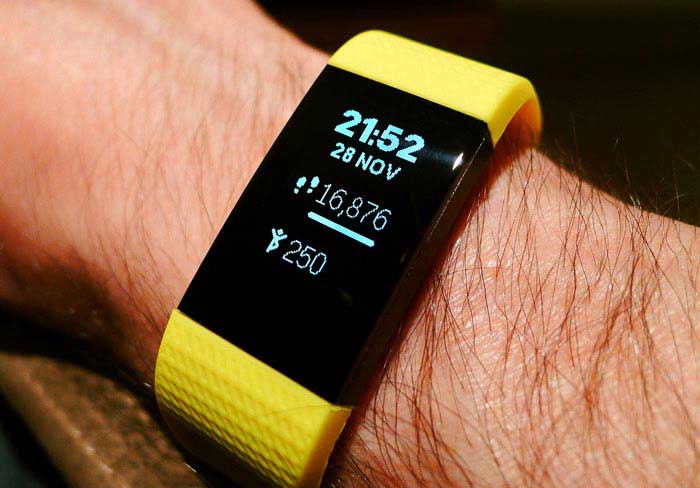
The early years of sports fitness wearables were dominated by pioneers such as Fitbit and Garmin, whose wrist-based trackers introduced mainstream consumers to the concept of quantifying daily activity. As smartphones became ubiquitous and cloud infrastructure matured, these devices evolved from isolated gadgets into connected nodes in a broader digital ecosystem, syncing effortlessly with apps and web dashboards and allowing users to track long-term trends in activity, sleep, and weight.
By the early 2020s, the category had shifted decisively from basic activity tracking to multi-sensor monitoring. Optical heart rate, heart rate variability, pulse oximetry, skin temperature, accelerometers, gyroscopes, and GPS were combined in increasingly compact form factors. Devices such as the Apple Watch, WHOOP bands, and the Oura Ring introduced consumers and athletes to continuous insights into recovery, readiness, and stress, while the COVID-19 pandemic accelerated demand for continuous health monitoring and remote care. Public health agencies around the world highlighted the value of early detection and preventive behavior, and wearables became a practical bridge between individuals and digital health platforms. Readers interested in how these shifts intersect with broader health narratives can explore global health perspectives.
By 2026, the most advanced wearables have effectively become personalized performance and health operating systems. Devices like the Apple Watch Ultra line, the latest WHOOP generations, and next-wave smart rings and clothing integrate AI models trained on billions of anonymized data points. These models can infer training load tolerance, detect subtle signs of overtraining, flag possible cardiovascular irregularities, and suggest individualized recovery protocols. For the audience of sportyfusion.com, this marks a profound change in how athletes at every level-from youth sports in Europe to endurance communities in Australia and New Zealand-relate to their own bodies, with technology acting as an always-on, data-literate advisor.
Market Scale and Momentum in 2026
The global sports fitness wearables market in 2026 is widely estimated to exceed the $90-100 billion range in annual value, almost doubling from the early 2020s, with robust compound annual growth driven by both hardware and recurring software and service revenue. Subscription models, premium analytics tiers, and integrated coaching services have shifted the business focus from one-time device sales to long-term engagement.
Growth remains strongest in markets with high digital infrastructure maturity and strong sports and wellness cultures. North America and Western Europe continue to lead in revenue, while Asia-Pacific, led by China, South Korea, Japan, and Singapore, drives much of the volume and innovation in form factors and price points. Rapid urbanization, government-supported health initiatives, and tech-savvy populations have created fertile ground for adoption across segments, from students and office workers to older adults seeking to age actively. For readers tracking these macro trends, SportyFusion's world coverage provides ongoing analysis of how regional dynamics shape sports and health behaviors.
The demographic base has also broadened significantly. Wearables are no longer the preserve of early adopters or elite athletes. Children's fitness trackers, senior-focused health bands, and specialized devices for women's health and pregnancy wellness have expanded the addressable market. In parallel, corporate wellness programs, university athletics, and community sports initiatives have institutionalized the use of wearable data, making it a standard part of performance and health management.
Leading Companies and the New Competitive Landscape
The competitive landscape in 2026 is characterized by a mix of global technology platforms, specialized performance brands, healthcare-oriented players, and emerging innovators. Apple remains a central force, leveraging tight integration across hardware, software, and services, and building strong ties with healthcare providers and insurers. The Apple Watch ecosystem, with features such as ECG, fall detection, and advanced training metrics, has positioned the company as both a consumer tech leader and a credible health data partner, with research collaborations visible across leading institutions such as Stanford Medicine.
Garmin continues to dominate endurance and outdoor segments, particularly in markets such as the United States, Germany, France, and Australia, where running, cycling, triathlon, and adventure sports are deeply ingrained. Its devices are valued for robust GPS accuracy, long battery life, and advanced performance analytics, making them a staple among serious athletes and coaches. WHOOP has solidified its reputation in elite sports and high-performance corporate environments, with its subscription model emphasizing recovery, strain, and sleep quality rather than step counts, and its adoption by professional leagues and teams in basketball, football, rugby, and motorsport underscoring its credibility.
Oura has expanded beyond sleep tracking into broader holistic wellness, including menstrual cycle insights and stress monitoring, appealing to professionals, creatives, and wellness-focused consumers across North America, Europe, and Asia. Meanwhile, Samsung, Huawei, and Xiaomi have driven mass adoption in Asia and emerging markets by offering powerful, feature-rich devices at accessible price points, often bundled with broader smartphone ecosystems. Their role has been critical in markets like China, India, Brazil, and South Africa, where affordability and ecosystem integration are decisive factors.
At the same time, a new generation of innovators is reshaping the category. Smart textiles, biometric patches, and sensor-embedded footwear from brands such as Nike and Adidas are blending apparel and hardware into unified performance systems, while startups focus on niche capabilities such as brainwave monitoring for focus training, continuous lactate measurement, or posture correction. For those following the business and brand strategies behind these moves, SportyFusion's business section and brands coverage provide ongoing context for how corporate strategies and partnerships are evolving.
Technology Deep Dive: AI, Biometrics, and Integration
The defining technological trend in 2026 is the deep integration of artificial intelligence into every layer of the wearable experience. Devices now collect high-frequency, multi-dimensional data streams that would be incomprehensible without advanced models to process and interpret them. Edge AI capabilities allow wearables to run on-device algorithms for faster, more private insights, while cloud-based models continue to refine long-term predictions and recommendations.
AI-powered coaching has reached a level where many recreational athletes and fitness enthusiasts rely on their devices for periodized training plans, taper strategies, and race-day pacing guidance. Models incorporate not only heart rate and pace but also sleep debt, psychological stress, environmental conditions, and historical performance to deliver nuanced recommendations. For those interested in the broader implications of AI in healthcare and human performance, resources from organizations like the World Health Organization provide important context on safety, governance, and best practices.
Biometrically, wearables now routinely measure variables once confined to laboratories. Continuous or near-continuous glucose monitoring has entered mainstream fitness and weight management, driven by partnerships between device makers and companies such as Abbott. Blood pressure estimation, respiratory rate, and skin temperature trends contribute to early warning systems for illness, while heart rate variability and electrodermal activity are used as proxies for stress and nervous system balance. The ambition is clear: shift from reactive care to predictive and preventive health, where deviations from an individual's baseline can trigger timely interventions and lifestyle adjustments.
Integration has also expanded horizontally. Wearables connect seamlessly with smart gym equipment, virtual cycling and running platforms, and mixed-reality sports environments. Companies like Peloton and Zwift have built immersive ecosystems where wearable data drives adaptive workouts and gamified experiences, turning training into a blend of entertainment, competition, and community. For readers exploring the intersection of training and technology, SportyFusion's technology section and performance coverage offer detailed insights into how these tools are used in practice.
Regional Patterns: Adoption, Culture, and Regulation
Regional differences remain pronounced in 2026, reflecting variations in culture, infrastructure, and policy. In North America, particularly the United States and Canada, adoption is fueled by a combination of high healthcare costs, strong sports cultures, and corporate wellness investments. Employers increasingly subsidize wearables to encourage physical activity and stress management, while insurers experiment with premium discounts tied to verified activity and biometric markers. Major sports leagues, including the NFL, NBA, and MLB, have formalized frameworks for wearable use in training and, in some cases, in-competition monitoring, subject to collective bargaining and privacy agreements.
In Europe, countries such as the United Kingdom, Germany, France, Italy, Spain, Netherlands, Sweden, Norway, Denmark, and Switzerland have embraced wearables within both consumer and clinical contexts, but with a strong overlay of regulatory scrutiny and privacy protection under frameworks like the GDPR. Precision engineering traditions in Germany and Switzerland have also supported the development of medical-grade devices and validated algorithms, which are increasingly used in cardiac rehabilitation, remote monitoring, and chronic disease management. For those wanting to understand the regulatory backdrop, resources on European data protection highlight the standards that wearable companies must meet to operate credibly in these markets.
The Asia-Pacific region remains the fastest-growing. China leads in volume and domestic innovation, with local brands offering a spectrum of devices from entry-level bands to advanced multi-sensor watches. South Korea and Japan focus on high-end integration with smartphones, smart homes, and automotive systems, often emphasizing mental wellness and stress reduction as much as physical performance. Singapore continues to serve as a testbed for smart city and national health programs where wearables are integrated into public incentives for activity and preventive care, while Thailand and Malaysia see rising adoption among urban professionals and fitness communities.
In Latin America and Africa, including key markets like Brazil and South Africa, adoption is closely tied to mobile-first ecosystems. Affordable wearables paired with smartphones and low-cost data plans are enabling communities to engage in organized fitness challenges, remote coaching, and telehealth for the first time at scale. While price sensitivity remains a barrier, local startups and regional distributors are increasingly offering tailored solutions that align with local sports cultures, such as football-focused performance trackers and community health initiatives.
Trust, Privacy, and Ethical Imperatives
As wearables have become more powerful and pervasive, questions of data privacy, security, and ethics have moved to the center of the conversation. The very features that make wearables valuable-their ability to continuously monitor sensitive biometric data and infer health status-also create risks if that data is misused, inadequately protected, or shared without clear consent. For a platform like sportyfusion.com, which regularly examines the intersection of performance and ethics, these issues are central to any serious analysis of the market's future trajectory.
Regulations such as Europe's GDPR and California's CCPA have established legal baselines for consent, data minimization, and user rights, but practical implementation varies widely across companies and jurisdictions. Many users remain uncertain about who ultimately owns their data, how long it is stored, whether it is sold or shared, and how it is used in research, advertising, or insurance underwriting. Thought leadership from organizations like the World Economic Forum has underscored the need for transparent governance frameworks that balance innovation with individual autonomy and fairness.
Ethical concerns also extend to equity and access. As wearables become integral to health, employment, and even insurance benefits, there is a risk that those who cannot afford or access these devices-whether in lower-income communities in North America, rural regions in Africa, or underserved areas in Asia and South America-will be further disadvantaged. Addressing these gaps will require coordinated action by governments, healthcare systems, NGOs, and industry leaders, with models that subsidize or provide low-cost devices and services to vulnerable populations. For readers interested in how fairness and responsibility intersect with sports technology, SportyFusion's ethics coverage provides ongoing commentary.
Performance, Training, and the New Athlete Journey
In elite sport, wearables have become indispensable tools for marginal gains. Teams across Premier League football, Formula 1, professional cycling, rugby, and Olympic disciplines rely on GPS vests, inertial sensors, and biometric patches to quantify every aspect of training and competition. Coaches in the United States, United Kingdom, Germany, Italy, Spain, Australia, Japan, and beyond routinely examine detailed load metrics, neuromuscular fatigue indicators, and recovery scores to fine-tune training plans and reduce injury risk. Sports governing bodies such as FIFA, UEFA, and the International Olympic Committee continue to refine policies on when and how wearable data can be used, balancing performance optimization with athlete privacy and competitive integrity. Insights into how global sport is adapting to technology can be followed through UEFA's official site and the Olympics platform.
The influence of elite adoption has cascaded to amateur and youth levels. High school programs in the United States, football academies in Europe, and endurance clubs in Canada, New Zealand, and South Africa now routinely use wearable data to structure training, monitor growth and maturation, and educate young athletes about recovery and well-being. The cultural expectation that "serious" athletes should train with data has become mainstream, and this expectation extends to recreational runners, cyclists, and gym-goers who want to apply professional methods to personal goals. For those interested in how training methodologies are evolving, SportyFusion's training section and sports coverage offer detailed case studies and commentary.
Lifestyle, Culture, and the Social Dimension of Data
Beyond performance, wearables have become a central pillar of a broader lifestyle movement that blends physical health, mental well-being, and digital social interaction. Stress tracking, mindfulness prompts, and guided breathing exercises are now standard features, reflecting global recognition that performance and health are inseparable from psychological resilience. In high-pressure environments from London and New York to Singapore and Tokyo, professionals rely on wearables to nudge them toward movement breaks, sleep regularity, and stress management practices that might otherwise be neglected. Readers can explore how these shifts are reshaping everyday culture through SportyFusion's lifestyle section and social coverage.
Community has emerged as another defining theme. Platforms such as Strava have shown how wearables can power global social networks built around physical activity, where shared routes, virtual challenges, and digital badges create a sense of belonging and motivation. In regions like Scandinavia, Canada, and Australia, community challenges tied to outdoor sports have become powerful drivers of engagement, while in dense urban centers across Asia and Europe, step and cycling challenges linked to commuting patterns encourage sustainable mobility.
The crossover with gaming and entertainment continues to deepen. Mixed-reality fitness experiences, exergaming, and esports training platforms now rely on wearable inputs to personalize difficulty, track exertion, and reward consistency. Younger users in markets such as South Korea, Japan, United States, and United Kingdom often encounter serious fitness for the first time through gamified experiences rather than traditional gym environments. For those interested in how gaming and sports technology intersect, SportyFusion's gaming coverage tracks this rapidly evolving space.
Looking Ahead: Integration, Intelligence, and Responsibility
As of 2026, the trajectory of sports fitness wearables points toward even deeper integration into the fabric of daily life, work, and healthcare. Devices are becoming less obtrusive and more embedded-within clothing, footwear, jewelry, and even equipment-while interfaces become more anticipatory and conversational. For a global, multi-interest audience like that of sportyfusion.com, the implications span multiple domains: from how businesses design products and jobs, to how cities encourage active living, to how individuals manage their own health and performance over decades.
Future developments are likely to focus on several fronts. Predictive health capabilities will continue to expand, with wearables acting as early-warning systems for cardiovascular, metabolic, and mental health issues, and integrating more tightly with telemedicine and clinical workflows. AI coaching will grow more context-aware, factoring in work schedules, travel, family commitments, and environmental conditions to deliver realistic, sustainable plans rather than idealized prescriptions. Smart city initiatives in hubs like Singapore, Copenhagen, and Amsterdam will increasingly use anonymized wearable data to inform infrastructure, public health campaigns, and incentives for active transport, as explored in resources such as SmartCitiesWorld.
At the same time, the industry will be judged not only on innovation and growth but on its ability to uphold trust, fairness, and sustainability. The environmental footprint of devices, the transparency of data practices, and the inclusiveness of access will shape public perception and regulatory response. Companies that can combine technological excellence with ethical clarity and genuine user benefit will be best positioned to lead.
For sportyfusion.com, the role in this landscape is to provide clear, authoritative, and nuanced coverage that helps readers make informed decisions-whether they are elite performers evaluating the latest performance tools, executives designing wellness strategies, coaches and trainers adapting to data-rich environments, or everyday consumers seeking healthier, more balanced lives. By connecting insights across fitness, health, technology, performance, and business, the platform aims to illuminate how sports fitness wearables are not just gadgets, but catalysts in a global movement toward more informed, engaged, and resilient living.