

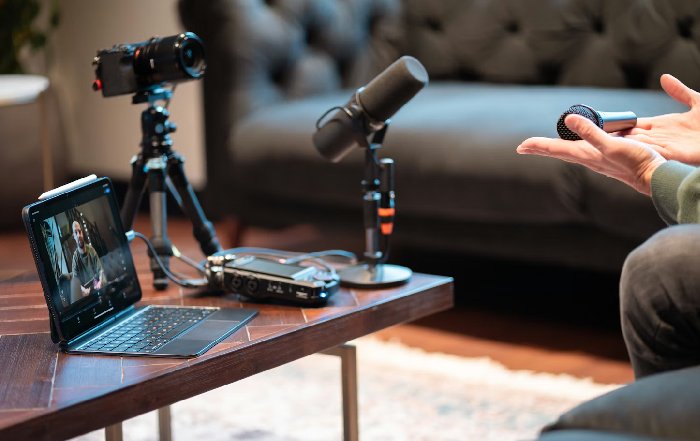
The Business of Podcasting in Modern Media
Podcasting's Evolution from Niche Hobby to Global Media Powerhouse
By 2026, podcasting has completed a remarkable transformation from a niche, tech-driven hobby into a central pillar of the global media economy, reshaping how audiences consume information, entertainment and education across continents and cultures. What began in the early 2000s as downloadable audio files syndicated via RSS feeds has matured into a sophisticated ecosystem of professional studios, independent creators, advertisers, analytics platforms and distribution networks, with major media groups, technology giants and sports brands all competing for listener attention and advertising spend. For a platform like SportyFusion-with its focus on fitness, culture, health, sports, technology, business and lifestyle-the rise of podcasting is not merely a trend to observe; it is a strategic landscape to navigate, influence and help define.
Globally, on-demand audio now sits alongside streaming video and social media as a primary channel for storytelling and brand building, with markets such as the United States, the United Kingdom, Germany, Canada and Australia leading adoption while regions including Europe, Asia, Africa and South America rapidly close the gap. Audience behavior has shifted decisively toward multi-tasking, screen-free content that fits into commutes, workouts and domestic routines, which explains why podcasting is so closely aligned with the interests of readers who follow fitness and training insights or seek performance-driven content that complements an active lifestyle.
Market Size, Revenue Streams and the Economics of Attention
The business case for podcasting today rests on a combination of scale, engagement and diversification of revenue, as advertisers, publishers and brands recognize that audio audiences are both attentive and loyal. Industry research from organizations such as Edison Research and Nielsen has repeatedly shown that podcast listeners are more likely to complete episodes, recall brand messages and act on recommendations than many traditional media audiences, making podcasting particularly attractive for performance marketing and brand storytelling. As digital audio advertising has matured, the market has expanded beyond early direct-response sponsors to include blue-chip brands, financial services, automotive companies and global consumer goods firms that now allocate dedicated budgets to podcast campaigns.
Monetization models have evolved from simple host-read ads to a layered structure that includes dynamic ad insertion, programmatic buying, branded series, subscription-only shows and live events. Platforms like Spotify and Apple have invested heavily in creator monetization tools, while industry bodies such as the Interactive Advertising Bureau (IAB) have developed standards that help advertisers measure performance more consistently and understand the broader digital advertising landscape. For media operators and sports-oriented brands, the opportunity lies not only in selling ad inventory but in using podcasts as a hub for cross-platform engagement, driving listeners toward articles, videos, training programs and community features on their own sites, such as the sports coverage and analysis that underpin SportyFusion's editorial identity.
The Strategic Role of Podcasting in Modern Media Portfolios
In the broader media mix, podcasting now functions as both a standalone business and a powerful extension of existing brands, allowing organizations to deepen relationships with audiences in ways that text or video alone cannot fully achieve. Established outlets like The New York Times and BBC Sounds have demonstrated how daily news podcasts can build habitual listening and extend the reach of their journalism, while sports networks such as ESPN and Sky Sports leverage podcasts to offer behind-the-scenes commentary, athlete interviews and tactical breakdowns that complement live broadcasts and digital coverage. This strategy aligns closely with SportyFusion's own cross-category positioning, where a single podcast episode might weave together themes from health and wellness, global sports business, ethical sponsorship and technological innovation in performance analytics.
For modern media companies, the value of podcasting is amplified by its ability to support multiple strategic goals simultaneously: it strengthens brand recognition, nurtures communities, supports subscription offerings, enhances search visibility and provides a testing ground for new formats and personalities. As more audiences in the United States, Europe, Asia and beyond adopt smart speakers, connected cars and wearable devices, the ubiquity of audio access reinforces the logic of treating podcasting as a core, not peripheral, asset in a media portfolio. Organizations that integrate podcasts tightly with their websites, newsletters, social channels and events are better positioned to capture the full lifetime value of each listener, converting casual consumption into deeper engagement with content across categories such as culture and lifestyle and business insights.
Technology Infrastructure: Platforms, Distribution and Data
The technological foundations of podcasting have matured significantly, enabling a more professional and data-driven business environment while preserving the open architecture that made the medium accessible in the first place. Traditional RSS-based distribution remains critical, allowing creators to publish once and reach multiple apps, but centralized platforms have layered on discovery algorithms, recommendation engines and monetization features that influence how shows are surfaced and monetized. Companies like Spotify, Apple Podcasts, Amazon Music and Google Podcasts (via YouTube Music's audio offerings) compete to become the primary listening destination, each investing in user experience, exclusive content and analytics dashboards.
At the same time, hosting and analytics providers such as Libsyn, Acast and Buzzsprout have expanded their capabilities, offering podcasters detailed metrics on downloads, listener geography, completion rates and device usage, which are increasingly important for advertisers demanding transparency and accountability. Industry standards promoted by organizations like the IAB Tech Lab help ensure that these metrics are comparable across providers, giving brands greater confidence when they evaluate digital advertising performance. For a platform like SportyFusion, which serves audiences from North America to Europe, Asia, Africa and South America, such data is invaluable in tailoring editorial calendars, time-zone targeting and language strategies, particularly when covering global sports events, health trends or emerging fitness technologies.
The rise of artificial intelligence and machine learning has introduced further tools for automated transcription, translation, content tagging and personalized recommendations, enabling more precise audience segmentation and more efficient production workflows. Companies like Descript and Adobe have pioneered AI-assisted editing, while cloud providers such as Microsoft Azure and Google Cloud offer speech-to-text and natural language processing services that facilitate compliance monitoring, accessibility and content repurposing. These capabilities support SportyFusion's ambition to deliver high-quality, inclusive audio experiences that reflect the diversity of its readers' interests, from performance science to gaming culture and ethical debates in sport.
Content Strategies: Niche Depth, Narrative Authority and Brand Voice
The most successful podcast businesses in 2026 are those that combine editorial expertise with a clear understanding of audience needs, building shows that deliver consistent value while reflecting the distinctive voice and authority of the host brand. In a landscape where millions of podcasts exist but only a fraction achieve sustained traction, depth and differentiation matter more than sheer volume. Media organizations and brands that thrive in this environment invest in hosts who embody subject-matter expertise-whether that is a former elite athlete discussing training methodologies, a sports physician explaining injury prevention or a business analyst unpacking the economics of global leagues-and who can translate complex topics into engaging narratives.
For SportyFusion, whose readers span fitness enthusiasts, sports professionals, technology leaders and business decision-makers, podcasting provides a channel to explore intersections that are often under-served in mainstream coverage. Episodes that examine how wearable technologies from companies like Garmin or Apple are transforming performance analytics, or how governing bodies and leagues respond to environmental expectations highlighted by groups such as the United Nations Environment Programme, can reinforce SportyFusion's positioning as a trusted guide at the convergence of sports, health, technology and sustainability. Readers interested in environmental issues and climate-conscious sport can find deeper context in long-form interviews and investigative audio series that go beyond headline news.
Narrative formats also play a crucial role in establishing authority. Documentary-style series, season-based explorations of major events, and serialized investigations into topics such as doping, governance scandals or the economics of mega-events allow media brands to demonstrate rigor, balance and independence. By pairing this with transparent editorial standards and clear disclosures of commercial relationships, platforms like SportyFusion can build trust among listeners in markets as diverse as the United States, Germany, South Africa and Japan, where expectations for ethical reporting and factual accuracy are high.
Advertising, Sponsorship and Branded Content Dynamics
The commercial backbone of many podcast ventures remains advertising and sponsorship, but the sophistication of these arrangements has increased markedly as the medium has matured. Traditional host-read spots, still highly valued for their authenticity and persuasive power, now coexist with dynamically inserted ads that can be tailored to geography, device type or listener behavior, enabling global campaigns to be localized for audiences in the United Kingdom, Brazil, Singapore or New Zealand without requiring separate creative for each market. Ad tech companies and agencies have invested in tools that allow brands to learn more about audio advertising best practices, including frequency capping, contextual targeting and brand safety controls.
Branded podcasts have emerged as a particularly powerful format for organizations that wish to build thought leadership and long-term affinity rather than pursue immediate performance metrics. Companies such as Goldman Sachs, Red Bull and Nike have all experimented with series that align with their values and expertise, producing content that listeners seek out independently of direct product promotion. For SportyFusion's partners-whether they are sportswear brands, technology providers, health organizations or training platforms-co-creating branded series that sit alongside editorial shows can offer a way to reach engaged communities without compromising editorial independence, provided that disclosure and governance frameworks are robust and transparent.
Measurement remains a critical issue in this ecosystem, as advertisers demand evidence that podcast campaigns contribute to brand lift, website traffic or sales. Organizations such as Kantar and Nielsen have expanded their toolkits to include audio-specific brand studies, while attribution providers integrate tracking methodologies that link podcast exposure to digital actions, acknowledging the complexity of multi-device, multi-channel consumer journeys. For a platform like SportyFusion, integrating podcast analytics with website and newsletter data allows for a more holistic understanding of audience behavior, informing both editorial strategy and commercial propositions across categories like lifestyle content and performance-oriented training features.
Subscription Models, Premium Content and Direct Audience Relationships
While advertising remains central, the business of podcasting in 2026 increasingly includes subscription and membership models that prioritize direct relationships with listeners and diversify revenue beyond ad-driven cycles. Platforms such as Apple Podcasts Subscriptions, Spotify Premium offerings and independent membership tools like Patreon or Memberful enable creators and media organizations to offer bonus episodes, early access, ad-free feeds and exclusive Q&A sessions to paying supporters. This approach is particularly effective for niche, high-expertise shows where audiences place a premium on depth, access and continuity, such as elite training science, sports psychology or the business of global sports rights.
For SportyFusion, the potential lies in bundling podcast benefits with broader digital offerings, integrating premium audio with written analysis, data dashboards, training plans and community features that appeal to serious athletes, coaches and executives. A tiered membership structure might, for example, provide general audiences with free weekly shows on sports news and culture, while offering subscribers in markets like the United States, the Netherlands, South Korea or Italy specialized series on performance optimization, sports law or technology investment trends. By aligning premium audio content with the platform's existing strengths in performance and training coverage and career-focused reporting, SportyFusion can deepen its position as a trusted partner in professional and personal development.
Maintaining trust in this context requires clarity about what remains freely accessible and how subscription revenues are reinvested in quality journalism, production standards and community features. Transparent communication, consistent delivery schedules and responsive feedback loops with listeners are essential to sustaining long-term membership relationships, especially in a competitive environment where audiences face subscription fatigue across streaming video, news and productivity tools.
Globalization, Localization and Cultural Nuance
The globalization of podcasting has opened significant opportunities for media brands that understand how to navigate linguistic, cultural and regulatory diversity, tailoring content and business models to the expectations of audiences in different regions. Markets such as the United States and the United Kingdom still command substantial advertising budgets and listener bases, but rapid growth in Germany, France, Spain, Sweden, Norway, Denmark and Finland demonstrates that European audiences are eager for high-quality local language content that reflects their own sports cultures and media traditions. Meanwhile, Asia-Pacific markets-including China, Japan, South Korea, Singapore, Thailand, Malaysia and Australia-are developing distinct podcast ecosystems shaped by local platforms, mobile usage patterns and regulatory frameworks.
For SportyFusion, which positions itself as a globally aware yet locally sensitive platform, podcasting offers a means to bridge international perspectives with regional specificity. Episodes might explore how football academies in Spain and Italy approach youth development compared to programs in Brazil or South Africa, or how esports cultures in South Korea and the United States differ in terms of training regimens, sponsorship structures and fan engagement. By collaborating with local experts, journalists and practitioners, SportyFusion can ensure that its podcasts reflect on-the-ground realities rather than distant commentary, reinforcing its reputation for nuanced, trustworthy coverage across world and social topics.
Localization extends beyond language to encompass music choices, guest selection, advertising relevance and even release schedules aligned with local time zones and event calendars. Successful global podcast brands respect these nuances while maintaining consistent editorial standards and brand identity, balancing central coordination with regional autonomy. This approach is particularly important when addressing sensitive topics such as health policy, gender equity in sport, athlete welfare or ethical controversies, where cultural norms and legal contexts vary widely between regions like North America, Europe, Asia and Africa.
Ethics, Regulation and the Responsibility of Audio Storytelling
As podcasting has grown in influence, questions of ethics, regulation and responsibility have become more prominent, especially in areas such as health advice, financial guidance, political commentary and youth-oriented content. The intimacy of audio, combined with the authority conferred by expert guests or charismatic hosts, can significantly shape listener perceptions and decisions, which places a duty of care on creators and publishers. Organizations like the World Health Organization and national regulators have highlighted the need for accurate information on topics such as mental health, nutrition, public health measures and medical treatments, encouraging media brands to adopt rigorous fact-checking and disclosure practices and to learn more about responsible health communication.
For a platform like SportyFusion, whose coverage intersects with health, training, performance and ethics, establishing clear editorial standards for podcasts is essential to maintaining trust. This includes transparent differentiation between editorial and sponsored content, clear qualifications of expert guests, explicit disclaimers where appropriate and prompt corrections when inaccuracies occur. Ethical considerations also extend to the treatment of athletes and public figures in narrative storytelling, the handling of sensitive personal histories and the avoidance of sensationalism in coverage of injuries, mental health struggles or off-field controversies. By aligning its podcasting practices with the principles articulated in its own ethics and integrity guidelines, SportyFusion can reassure listeners that its pursuit of compelling audio does not come at the expense of fairness, respect or factual rigor.
Regulatory frameworks for podcasting remain uneven across jurisdictions, with some countries applying existing broadcasting or online content rules to audio, while others adopt a more hands-off approach. Media organizations operating across borders must therefore monitor developments in areas such as privacy, advertising disclosure, hate speech and child protection, ensuring compliance while advocating for policies that preserve the open, innovative character of podcasting. Collaboration with industry bodies and civil society organizations can help shape balanced regulations that protect listeners without stifling creativity or independent journalism.
Talent, Production Cultures and the Future of Audio Innovation
At the heart of the business of podcasting lies talent: hosts, producers, editors, sound designers, researchers and marketers who collectively shape the quality and impact of each show. As the medium has professionalized, career paths in podcasting have become more structured, with universities and training providers offering courses in audio storytelling, sound engineering and digital audience development, and with media companies investing in in-house studios and dedicated podcast teams. This shift creates opportunities for professionals with backgrounds in journalism, sports science, data analysis, performance coaching and creative writing to contribute to audio projects that align with their expertise.
SportyFusion, with its cross-disciplinary focus, is well positioned to cultivate such talent, drawing on contributors who understand the nuances of global sports cultures, the science of human performance, the dynamics of sponsorship and branding, and the ethical dimensions of modern sport. By integrating podcast production into broader editorial and business planning, and by supporting continuous skills development through workshops and collaboration with external experts, SportyFusion can ensure that its audio offerings remain innovative, credible and aligned with listener expectations. Readers and listeners who follow the platform's training and performance features will recognize the same commitment to excellence and evidence-based practice in its podcasting output.
Looking ahead, the future of podcasting is likely to be shaped by further integration with emerging technologies such as spatial audio, interactive storytelling, personalized feeds and cross-media experiences that blend audio with augmented reality, gaming and live events. Companies like Meta, Sony and Valve are exploring immersive audio within virtual environments, while sports organizations experiment with live, interactive commentary streams that allow fans to choose between multiple audio perspectives during games. As these innovations mature, media brands that understand both the technical possibilities and the human needs of their audiences will be best placed to create experiences that are not only novel but genuinely valuable.
Conclusion: Podcasting as a Strategic Asset for SportyFusion and Modern Media
By 2026, podcasting has firmly established itself as a strategic asset in modern media, combining global reach, intimate engagement and flexible monetization in ways that complement and enhance traditional formats. The business of podcasting now spans advertising, subscriptions, branded content, live events and data-driven services, underpinned by sophisticated technology infrastructure and a growing professional workforce. For SportyFusion, operating at the intersection of fitness, culture, health, sports, technology, business and lifestyle, podcasting is not merely an additional channel but a core expression of its mission to inform, inspire and connect audiences across continents.
Success in this environment demands a commitment to experience, expertise, authoritativeness and trustworthiness: crafting content that reflects deep knowledge and genuine curiosity; building transparent, ethical relationships with listeners and partners; leveraging technology to enhance, rather than replace, human judgment; and remaining attentive to the diverse cultural contexts in which audiences live, train, work and compete. As SportyFusion continues to expand its coverage and audio offerings, its readers can expect podcasts that mirror the breadth and depth of the platform itself, providing a trusted companion for their journeys through the evolving worlds of sport, performance, business and global culture.