

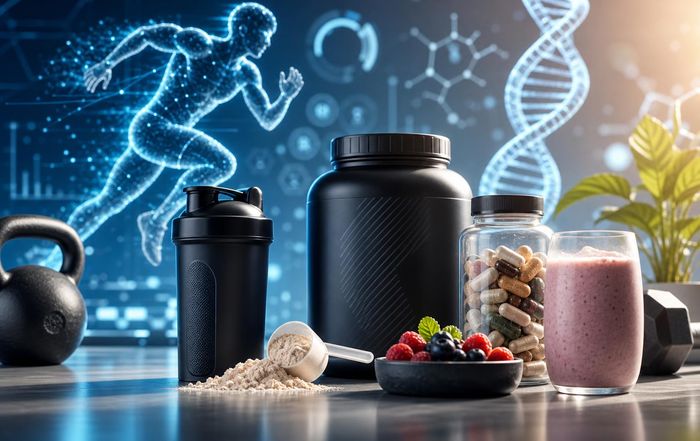
The Future of Sports Nutrition Innovation
A New Era for Performance, Health, and Business
As 2026 unfolds, the global sports and active lifestyle economy is entering a decisive decade in which sports nutrition is no longer a niche category at the edge of performance, but a central pillar shaping how athletes, fitness enthusiasts, and health-conscious consumers train, recover, and live. In this context, SportyFusion.com has positioned itself at the intersection of performance science, consumer culture, and business strategy, examining how the convergence of biotechnology, data analytics, sustainability, and digital platforms is redefining what sports nutrition means for individuals and organizations across continents and competitive levels.
The sports nutrition market, as tracked by organizations such as Grand View Research and Allied Market Research, has expanded from a focus on protein powders and energy drinks to a complex, multi-category ecosystem of functional foods, personalized supplements, recovery solutions, and performance-oriented lifestyle products. This shift is being driven not only by elite athletes and professional clubs in the United States, Europe, and Asia, but also by a rapidly growing base of recreational athletes, gamers, and wellness-focused consumers in markets as diverse as Brazil, South Africa, Singapore, and the Nordic countries, all seeking evidence-based, convenient, and ethically produced products that align with their values and daily routines.
Against this backdrop, forward-looking brands, teams, and investors who follow the evolving coverage on SportyFusion Business and SportyFusion Sports are recognizing that sports nutrition innovation is no longer just about incremental product improvements; it is about building integrated ecosystems of data, services, and experiences that can support performance, resilience, and long-term health in a world of rising physical and mental demands.
From One-Size-Fits-All to Precision Sports Nutrition
One of the most profound shifts shaping the future of sports nutrition is the transition from generalized formulas to highly personalized protocols grounded in biomarker data, genetics, and behavioral insights. Over the past decade, advances in genomics, metabolomics, and wearable technology have enabled researchers and practitioners to move beyond broad population averages and understand how individual differences in metabolism, gut microbiome composition, and hormonal responses influence nutrient needs, training adaptation, and recovery capacity. Resources such as Nature Reviews Endocrinology and Cell Metabolism have documented how these biological variations can significantly alter the optimal balance of carbohydrates, proteins, fats, and micronutrients for athletes in different sports and at different stages of their careers.
In practice, this means that a marathon runner in Japan, a professional footballer in the United Kingdom, and an esports competitor in South Korea may follow fundamentally different nutritional strategies, even if they share similar body weight and training volume, because their genetic profiles, microbiomes, and stress loads create unique metabolic environments. Companies such as InsideTracker, Thorne, and DNAfit have demonstrated the commercial potential of personalized nutrition platforms that integrate blood, DNA, and lifestyle data, while elite organizations like FC Barcelona, Bayern Munich, and Team Sky have invested heavily in performance nutrition departments that design individualized plans based on continuous monitoring and testing.
For readers of SportyFusion Health and SportyFusion Performance, the key implication is that the future of sports nutrition will be increasingly defined by dynamic, adaptive systems rather than static product labels. Athletes and active consumers will expect their nutrition plans to evolve in real time in response to training load, travel schedules, sleep quality, and injury status, with algorithms drawing on data streams from GPS devices, heart rate variability monitors, and smart rings. Organizations such as WHO and NIH are already emphasizing the importance of individualized approaches to physical activity and diet, and the sports nutrition sector is rapidly translating this principle into commercially viable solutions.
The Rise of Data-Driven, Connected Nutrition Ecosystems
The rapid proliferation of connected devices and digital health platforms has created fertile ground for integrated sports nutrition ecosystems in which data flows seamlessly between athletes, coaches, nutritionists, and product providers. In 2026, it is increasingly common for professional teams in North America, Europe, and Asia-Pacific to combine GPS tracking, force-plate analysis, sleep monitoring, and nutritional logging into unified dashboards that inform daily decisions about training intensity, recovery strategies, and supplementation. Technology leaders such as Apple, Google, and Garmin are expanding their health and performance ecosystems to support these integrated workflows, while specialized platforms like Whoop, Oura, and Strava continue to refine their analytics for athletes and serious amateurs.
For sports nutrition, this data-rich environment opens up opportunities for real-time guidance and automated interventions that go far beyond traditional meal plans or static supplement routines. Hydration strategies, for example, can now be adjusted on the fly based on sweat rate, environmental conditions, and electrolyte loss, with smart bottles and patches feeding data into mobile apps that recommend specific fluid and sodium intake during training sessions or competitions. Similarly, carbohydrate periodization can be fine-tuned based on continuous glucose monitoring, enabling endurance athletes to balance performance gains with metabolic flexibility and long-term health. Harvard T.H. Chan School of Public Health and Mayo Clinic provide accessible overviews of the scientific principles underlying these strategies, while SportyFusion.com brings a performance-oriented lens to their practical application.
From a business perspective, as explored on SportyFusion Technology, the convergence of sports nutrition and connected health is driving new models of recurring revenue, subscription services, and outcome-based partnerships. Brands that historically sold products through retail channels are now building direct-to-consumer platforms that combine personalized recommendations, digital coaching, and community features, while also integrating with health insurers and corporate wellness programs. In markets such as Germany, Netherlands, and Canada, where preventive health is gaining policy support, this alignment between performance nutrition and healthcare economics is likely to accelerate, creating opportunities for companies that can demonstrate measurable improvements in health outcomes, productivity, and injury reduction.
Plant-Based, Sustainable, and Ethical Performance Nutrition
Sustainability and ethics have moved from the periphery to the core of consumer decision-making in sports nutrition, particularly among younger demographics in Europe, North America, and Asia-Pacific who are deeply concerned about climate change, biodiversity loss, and animal welfare. Reports from IPCC and UNEP have highlighted the environmental impacts of traditional animal-based protein production, while organizations such as FAO and WWF have documented the potential benefits of shifting toward more plant-based diets. In this context, sports nutrition brands are under increasing pressure to demonstrate that their products not only enhance performance, but also align with the broader sustainability goals of athletes, teams, and sponsors.
The rise of plant-based proteins, led by companies like Beyond Meat, Impossible Foods, and a new generation of sports-focused brands, has transformed the perception of vegan and vegetarian products from fringe options to mainstream performance solutions. Pea, rice, hemp, and fava bean proteins now feature prominently in recovery shakes, bars, and functional snacks, while advances in fermentation and precision biotechnology are enabling the development of high-quality, animal-free whey and casein analogues. For readers following environmental developments on SportyFusion Environment, these innovations represent a significant step toward decoupling performance nutrition from the resource-intensive livestock sector.
At the same time, ethical considerations extend beyond environmental impact to include labor practices, supply chain transparency, and marketing integrity. Organizations such as Fairtrade International and Rainforest Alliance are increasingly relevant to sports nutrition supply chains that rely on cocoa, coffee, and other agricultural commodities, while regulatory bodies like the European Food Safety Authority and the U.S. Food and Drug Administration are tightening oversight of health claims and ingredient safety. For brands featured on SportyFusion Brands and SportyFusion Ethics, demonstrating robust governance, third-party certifications, and transparent communication is becoming a competitive differentiator in a crowded and increasingly scrutinized marketplace.
The Blurring Lines Between Sports, Fitness, Lifestyle, and Gaming
The traditional boundaries between professional sport, recreational fitness, and everyday lifestyle are dissolving, creating a continuum of performance needs that extends from elite competition to workplace productivity and cognitive resilience. This shift is particularly evident in the rise of hybrid identities-office workers who are also endurance athletes, students who are competitive gamers, and parents who integrate high-intensity training into busy schedules-across markets such as the United States, United Kingdom, Australia, and Singapore. For these individuals, sports nutrition is not confined to pre- and post-workout windows, but is woven throughout the day as a means to manage energy, focus, and recovery.
One of the most dynamic frontiers in this convergence is the intersection of sports nutrition and gaming, where cognitive performance, reaction time, and stress resilience are as critical as physical endurance. Esports organizations in South Korea, China, and North America have begun to collaborate with nutrition experts to design protocols that manage blood sugar stability, hydration, and micronutrient status to support long training sessions, while also exploring nootropics and adaptogens that may enhance focus and reduce mental fatigue. Institutions such as Stanford Medicine and Cleveland Clinic provide evidence-based guidance on brain health and nutrition, which is increasingly relevant not only for traditional athletes but also for gamers and knowledge workers who follow content on SportyFusion Gaming and SportyFusion Lifestyle.
This broader, lifestyle-oriented view of performance is also influencing product formats and consumption occasions. Ready-to-drink protein coffees, functional waters with electrolytes and vitamins, and snackable, low-sugar recovery foods are designed to fit seamlessly into daily routines, while subscription models and personalized bundles ensure consistent access and adherence. For brands and retailers, this expansion of use cases creates new touchpoints in supermarkets, convenience stores, and digital platforms, but it also demands a deeper understanding of cultural preferences and regulatory landscapes across regions such as Asia, Europe, Africa, and South America, where tastes, price sensitivities, and health priorities can differ significantly.
Regulatory Evolution and the Demand for Scientific Rigor
As sports nutrition products become more sophisticated and influential in shaping health outcomes, regulators and scientific bodies are intensifying their focus on evidence quality, labeling accuracy, and consumer protection. High-profile cases of contamination, mislabeling, and exaggerated performance claims over the past decade have eroded trust in some segments of the supplement industry, prompting organizations such as the World Anti-Doping Agency and the International Olympic Committee to issue stricter guidance on supplement use and testing. For professional athletes and national federations in countries like France, Italy, Spain, and Norway, adherence to these guidelines is not only a matter of ethics but also of career survival.
In response, leading brands and research-driven organizations have intensified their collaborations with universities, sports institutes, and clinical researchers to validate product efficacy and safety. Peer-reviewed publications in journals indexed by PubMed and guidelines from bodies such as the American College of Sports Medicine and the International Society of Sports Nutrition are increasingly used as benchmarks for evidence-based formulations. This trend is particularly important for emerging ingredients such as exogenous ketones, novel adaptogens, and microbiome-targeted prebiotics and probiotics, where the gap between marketing narratives and scientific consensus can be substantial.
For the business audience of SportyFusion.com, this regulatory and scientific tightening has strategic implications. Companies that invest in robust clinical research, transparent reporting, and third-party testing can position themselves as trusted partners for elite teams, healthcare providers, and corporate wellness programs, while those that rely on unsubstantiated claims risk exclusion from high-value channels and partnerships. Moreover, as cross-border e-commerce continues to expand, understanding the evolving regulatory frameworks in regions such as the European Union, China, and Middle East becomes essential for sustainable growth and risk management.
Jobs, Skills, and New Career Pathways in Sports Nutrition
The rapid evolution of sports nutrition is creating new professional roles and career pathways that span science, technology, business, and culture. Traditionally, sports nutrition was dominated by dietitians and food scientists working with teams, federations, or product manufacturers. In 2026, however, the field is attracting data scientists, behavioral psychologists, sustainability experts, and digital product managers who are needed to design, deliver, and scale next-generation solutions. Universities in the United States, United Kingdom, Germany, and Australia are launching interdisciplinary programs that combine sports science, nutrition, and data analytics, while professional organizations and online platforms offer specialized certifications in performance nutrition, plant-based sports diets, and nutrition for esports.
Readers exploring opportunities on SportyFusion Jobs can observe how employers are increasingly seeking candidates who can bridge the gap between rigorous science and user-centric product design, or between regulatory compliance and compelling brand storytelling. Roles such as performance nutrition data analyst, digital sports nutrition coach, sustainability officer for sports brands, and esports performance dietitian are becoming more common across regions including Canada, Netherlands, Singapore, and New Zealand, reflecting the global nature of this transformation.
For organizations, building high-performing sports nutrition teams requires not only competitive compensation and career development pathways, but also a culture that values cross-functional collaboration and continuous learning. Platforms like SportyFusion Culture and SportyFusion Training highlight how leading clubs, startups, and multinational brands are investing in internal education, partnerships with academic institutions, and knowledge-sharing communities to stay ahead of rapid scientific and technological change.
Globalization, Localization, and Cultural Intelligence
While the sports nutrition market is increasingly global, success in 2026 and beyond depends on the ability to navigate local cultures, regulations, and consumer expectations with nuance and respect. Athletes and active consumers in Japan, Thailand, and Malaysia, for example, may prioritize different flavor profiles, ingredient traditions, and health narratives than their counterparts in Sweden, Denmark, or Finland, even if they share similar performance goals. Cultural staples such as green tea, fermented foods, and herbal tonics in Asia, or dairy-based products and whole grains in parts of Europe, influence how sports nutrition solutions are perceived and integrated into daily life.
For brands and organizations covered on SportyFusion World and SportyFusion News, this means that global strategies must be grounded in local insights, co-created with regional partners, and adapted to fit the culinary, religious, and social norms of diverse markets. In Middle Eastern countries, considerations around halal certification and fasting practices such as Ramadan shape product development and timing recommendations, while in India and parts of Africa, affordability and access remain critical barriers that require innovative distribution models and price architectures.
At the same time, digital platforms and social media have created transnational communities of athletes, influencers, and experts who share best practices, product reviews, and training experiences across borders. Organizations like FIFA, World Athletics, and World Rugby contribute to this global exchange through education programs and performance hubs, while SportyFusion.com curates stories that connect local innovation with global trends, helping readers understand how developments in one region can inspire or challenge assumptions in another.
Building Trust in a Crowded, Fast-Moving Market
In a landscape where product launches are frequent, marketing claims are bold, and information flows at high speed across digital channels, trust has become the most valuable currency in sports nutrition. Athletes at all levels, from youth competitors in South Africa and Brazil to masters athletes in Switzerland and Canada, are confronted with a vast array of powders, drinks, pills, and functional foods promising performance gains, fat loss, or accelerated recovery. Distinguishing credible, science-backed options from unproven or potentially harmful products requires not only regulatory safeguards, but also education, critical thinking, and access to independent expertise.
Trusted voices in this environment include accredited sports dietitians, sports physicians, and performance scientists affiliated with universities, institutes of sport, and professional teams, as well as independent organizations such as Informed Sport that certify products for banned substance testing. Media platforms that prioritize rigorous analysis, transparent sourcing, and balanced perspectives-values at the core of SportyFusion.com-play a crucial role in helping readers navigate complex topics such as ergogenic aids, recovery modalities, and long-term health trade-offs. By connecting performance-driven content on SportyFusion Fitness with ethical and social considerations on SportyFusion Social, the platform supports informed decision-making that respects both individual goals and collective responsibilities.
For brands and organizations, earning and maintaining this trust requires consistent alignment between messaging and behavior, including transparent ingredient lists, clear explanations of scientific evidence, responsible sponsorships, and responsiveness to consumer feedback. In an era where misinformation can spread quickly, but reputational damage can be equally swift, the organizations that thrive will be those that treat trust as a strategic asset, integrating it into product development, marketing, and stakeholder engagement.
Looking Ahead: SportyFusion.com and the Next Decade of Innovation
The future of sports nutrition innovation will be defined by the interplay of science, technology, culture, and ethics, and by the capacity of organizations to translate complex knowledge into practical, inclusive, and sustainable solutions. As precision nutrition, connected ecosystems, plant-based and ethical products, and globalized yet localized strategies continue to reshape the landscape, stakeholders across the value chain-from ingredient suppliers and product formulators to coaches, athletes, and policymakers-will need to collaborate more closely than ever before.
In this evolving environment, SportyFusion.com will continue to serve as a trusted hub for analysis, insight, and dialogue, connecting developments in sports science, health, technology, business, and culture in ways that reflect the real-world needs and ambitions of its global audience. By integrating coverage across SportyFusion Sports, SportyFusion Health, SportyFusion Business, and other verticals, the platform aims to illuminate not only where sports nutrition is heading, but also how athletes, organizations, and communities can shape that future with intention, responsibility, and vision.
As 2026 progresses and new breakthroughs emerge-from microbiome-targeted interventions and AI-driven coaching to climate-positive supply chains and inclusive product design-one constant remains: the pursuit of performance, in sport and in life, is inseparable from the pursuit of health, integrity, and sustainability. The future of sports nutrition belongs to those who recognize this interdependence and act on it, and SportyFusion.com is committed to documenting, analyzing, and inspiring that journey for audiences across North America, Europe, Asia, Africa, South America, and beyond.