

Emerging Trends in Global Sports Retail?
The New Competitive Arena of Global Sports Retail
Ok so global sports retail has evolved into a highly sophisticated, data-driven and culturally nuanced ecosystem that extends far beyond the traditional sale of apparel and equipment, and SportyFusion.com sits at the intersection of this transformation, observing how sport, fitness, health and lifestyle now converge into a single, always-on marketplace. What was once a relatively straightforward value chain dominated by brick-and-mortar stores and seasonal product cycles has become a complex, omnichannel network where digital platforms, connected devices, immersive experiences and global cultural movements shape how consumers in the United States, Europe, Asia, Africa and the rest of the world discover, evaluate and purchase sports products. As global demand for active lifestyles continues to rise, sports retailers are being forced to rethink their strategies, technologies and partnerships to remain credible, trustworthy and competitively differentiated.
The global sportswear and sporting goods market, tracked by organizations such as Statista and the World Federation of the Sporting Goods Industry, has expanded significantly since 2020, with growth driven not only by performance athletes but also by everyday consumers who increasingly view movement, wellness and mental health as non-negotiable pillars of their lives. In this environment, retailers that once relied on brand cachet alone must now demonstrate verifiable expertise in training, health and sustainability, while also delivering frictionless digital experiences that match or surpass those offered by leading e-commerce platforms. For readers and fans of SportyFusion.com, who follow new changes across sports, fitness, health and culture, understanding these emerging trends is essential to anticipating where value will be created in the decade ahead.
Omnichannel, Not Optional: The Fusion of Physical and Digital
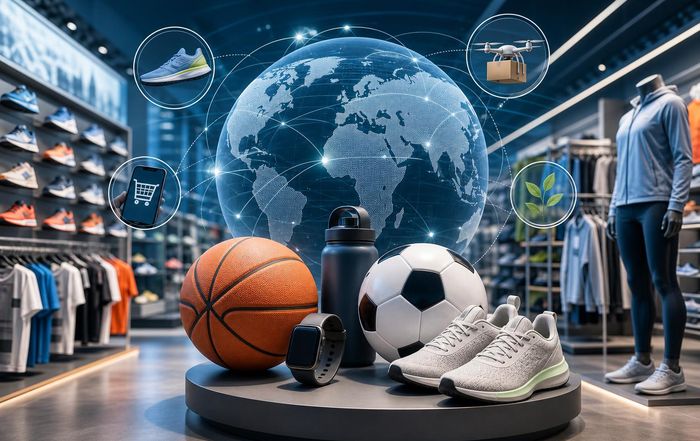
The most visible trend reshaping global sports retail is the maturation of true omnichannel commerce, in which the distinction between online and offline shopping is increasingly irrelevant to consumers in markets such as the United States, United Kingdom, Germany, China and Australia. Retailers inspired by pioneers like Nike, Adidas and Decathlon are building integrated ecosystems where customers can research products on a mobile app, test them in an experiential flagship store, receive personalized training recommendations through connected wearables and complete purchases seamlessly across channels. This integrated approach is supported by real-time inventory visibility, sophisticated order orchestration and advanced last-mile logistics that enable services such as same-day delivery, in-store pickup and easy returns, which have become expectations rather than luxuries.
Industry research from organizations such as McKinsey & Company and Deloitte has shown that consumers now engage with brands across multiple touchpoints before making a purchase, with sports consumers especially likely to consult expert reviews, athlete endorsements and community feedback. For platforms like SportyFusion.com, which cover world and news perspectives on sport, this omnichannel reality underscores the importance of credible, in-depth content that can influence buying decisions at the research and consideration stages. Retailers that integrate editorial content, training guidance and user communities into their digital storefronts are finding that they can drive higher engagement and conversion, particularly among younger consumers in Europe and Asia who value authenticity and peer validation.
Data, Personalization and the Rise of the "Performance Profile"
Another defining shift in 2026 is the use of data to create individualized performance profiles that guide product recommendations, training plans and content experiences. Through a combination of e-commerce behavior, wearable device data, fitness app usage and in-store interactions, leading sports retailers are constructing detailed yet privacy-compliant views of each customer's athletic goals, preferred sports, injury history and style preferences. When executed responsibly and transparently, this data-driven approach allows retailers to move beyond generic marketing and instead deliver genuinely helpful advice, such as recommending running shoes based on gait and mileage patterns or suggesting recovery tools aligned with training volume.
Organizations like Garmin, Whoop and Apple have helped normalize the collection of biometric and performance data through wearables, and their integrations with retail platforms have created new opportunities for personalized merchandising. For example, a consumer in Canada or Singapore who logs a high volume of cycling activity might receive targeted recommendations for advanced helmets, aerodynamic apparel and nutrition products, along with educational resources from trusted institutions such as the Mayo Clinic or Cleveland Clinic on topics like endurance training and cardiovascular health. This convergence of commerce and expertise aligns closely with the mission of SportyFusion.com, where readers increasingly expect that product discussions will be grounded in evidence-based performance and training insights rather than purely aesthetic considerations.
At the same time, the growth of personalization raises complex questions about data ethics, consent and algorithmic bias, particularly in regions with robust regulatory frameworks such as the European Union. Bodies like the European Commission and national data protection authorities in countries including Germany, France and the Netherlands have emphasized the need for transparent data handling, and sports retailers that wish to maintain consumer trust must invest in governance frameworks that prioritize user control, clear communication and robust security.
Health, Wellness and the Medicalization of Sports Retail
Sports retail in 2026 is no longer confined to performance gear and fan merchandise; it increasingly overlaps with the broader health and wellness sector, touching on areas such as injury prevention, rehabilitation, mental health and healthy aging. The global pandemic experience accelerated consumer awareness of the links between physical activity, immune health and mental resilience, and this awareness has persisted, leading to sustained demand for products and services that promise holistic benefits. Retailers in markets as diverse as the United States, Japan, South Africa and Brazil now curate assortments that include recovery tools, sleep aids, compression garments, home fitness equipment and even telehealth-adjacent offerings in collaboration with healthcare providers.
Authoritative organizations such as the World Health Organization and the American College of Sports Medicine have published extensive guidelines on physical activity, and sports retailers are increasingly aligning their messaging and product positioning with these evidence-based recommendations. For example, retailers may highlight footwear that supports safe walking programs for older adults, or promote strength-training equipment as a means to maintain bone density and metabolic health, linking to reputable resources where consumers can learn more about exercise and chronic disease prevention. On SportyFusion.com, this convergence is reflected in cross-category content that connects health, fitness and lifestyle, helping readers navigate a crowded marketplace with clarity and confidence.
The "medicalization" of sports retail also introduces new responsibilities for brands and retailers, who must avoid exaggerated claims and ensure that any health-related statements are supported by credible science. Collaborations with research institutions, sports medicine clinics and governing bodies such as FIFA, World Athletics or World Rugby can lend authority, but they also require rigorous oversight to prevent conflicts of interest and maintain consumer trust.
Sustainability, Circularity and the Ethics of Performance
Environmental sustainability has moved from the periphery to the center of strategic decision-making in global sports retail, particularly in Europe, North America and parts of Asia where consumers and regulators are increasingly vocal about climate impact, resource use and labor practices. Brands and retailers are being evaluated not only on the performance and aesthetics of their products but also on their carbon footprints, material choices, supply chain transparency and end-of-life strategies. Leading players like Patagonia, On, Allbirds and Lululemon have set ambitious climate and circularity targets, influencing industry norms and consumer expectations worldwide.
Organizations such as the Ellen MacArthur Foundation and the United Nations Environment Programme have provided frameworks for circular economy practices and sustainable production, and sports retailers are experimenting with resale platforms, rental models, repair services and take-back programs to extend product lifecycles. In markets like the United Kingdom, Sweden and Denmark, where environmental consciousness is particularly high, retailers that offer credible circular solutions are gaining competitive advantage and deeper customer loyalty. For readers of SportyFusion.com, who follow environment and ethics topics alongside sports, the ability to assess whether a product aligns with their values is becoming as important as understanding its technical specifications.
The ethical dimension of sports retail extends beyond environmental concerns to include labor standards, diversity and inclusion, animal welfare and responsible marketing. Organizations such as the Fair Labor Association and Fairtrade International have become important reference points for consumers seeking assurance that their purchases do not contribute to exploitation or human rights abuses. Retailers that communicate transparently about their sourcing, auditing and remediation efforts are more likely to be perceived as trustworthy, particularly in markets such as Germany, the Netherlands and Norway where regulatory scrutiny and media attention on supply chains are intense.
Technology, Immersion and the Gamification of Shopping
Technological innovation continues to redefine how consumers in regions from North America to Asia engage with sports products, with 2026 seeing widespread adoption of augmented reality (AR), virtual reality (VR), artificial intelligence (AI) and advanced mobile interfaces in retail experiences. AR-enabled try-on tools allow shoppers in the United States, Canada and Singapore to visualize how footwear, apparel or equipment will look and fit without visiting a store, while VR showrooms and immersive brand environments give fans in Japan, South Korea and Brazil the opportunity to explore new product lines and participate in virtual events. These technologies are not merely novelties; they are becoming integral to product discovery, fit confidence and storytelling, particularly for digitally native consumers.
Major technology companies such as Microsoft, Meta and Google are investing heavily in mixed-reality platforms, and sports retailers are leveraging these ecosystems to create interactive training experiences, virtual coaching sessions and gamified challenges that reward engagement with loyalty points or exclusive product access. For example, a retailer might host a global virtual running event, tracked through connected devices and integrated with platforms like Strava, where participants in Europe, Asia and Africa compete on equal footing and unlock digital badges or discounts. This blurring of lines between retail, training and entertainment resonates strongly with the gaming and social interests of SportyFusion.com readers, who increasingly expect that their sports experiences will be interactive, shareable and rewarding.
Artificial intelligence also plays a critical role behind the scenes, powering demand forecasting, dynamic pricing, inventory optimization and customer service chatbots. Research from institutions like the MIT Sloan School of Management and Harvard Business Review has highlighted the productivity and accuracy gains that AI can bring to retail operations, but these technologies must be applied carefully to avoid reinforcing biases or undermining human expertise. In sports retail, where fit, safety and performance are paramount, human oversight and specialist knowledge remain indispensable, even as algorithms handle more routine tasks.
Culture, Identity and the Globalization of Local Stories
Sports retail is increasingly shaped by cultural narratives and identity politics, as consumers seek products that reflect their values, communities and aspirations. In 2026, collaborations between major global brands and local designers, athletes and cultural figures have become a primary vehicle for storytelling, enabling retailers to resonate with diverse audiences in markets as distinct as Italy, South Korea, South Africa and Mexico. Limited-edition collections inspired by regional sports, street cultures or social movements can generate significant buzz and demand, but they also require sensitivity and authenticity to avoid accusations of appropriation or superficiality.
Organizations such as FIFA, the International Olympic Committee and regional federations continue to provide global stages where these cultural dynamics play out, and sports retailers closely monitor major events like the FIFA World Cup, the Olympic Games and continental championships to anticipate surges in demand for national team apparel, fan merchandise and performance gear. However, the most enduring value is often created at the intersection of global and local, where brands honor regional traditions while leveraging their global platforms to amplify underrepresented voices. For SportyFusion.com, which covers culture and world perspectives, this trend underscores the importance of nuanced storytelling that recognizes the diversity of sporting experiences across continents.
The rise of women's sports, para-sports and non-traditional disciplines such as e-sports and adventure racing has also expanded the scope of sports retail, requiring new product categories, sizing systems and marketing approaches. Organizations like UEFA, World Para Athletics and the International Esports Federation have helped legitimize these segments, and retailers that invest early in inclusive design and representation are seeing strong growth in markets from the United Kingdom and France to Thailand and New Zealand.
Direct-to-Consumer, Marketplaces and the New Retail Power Structure
The power dynamics of global sports retail have shifted significantly as brands embrace direct-to-consumer (DTC) strategies and digital marketplaces consolidate their influence. Major brands such as Nike, Adidas, Puma and Under Armour have invested heavily in their own e-commerce platforms, mobile apps and membership programs, often reducing their reliance on traditional wholesale partners in favor of deeper direct relationships with consumers. This shift has put pressure on multi-brand retailers, particularly in mature markets like the United States, United Kingdom and Germany, where competition from global marketplaces such as Amazon, Zalando and JD.com is intense.
In response, many retailers are differentiating through curated assortments, exclusive collaborations, specialized services and expert content that cannot be easily replicated by algorithm-driven marketplaces. For example, specialty running stores in Canada, the Netherlands or Japan may offer advanced gait analysis, community runs and personalized coaching, while also leveraging digital platforms to extend their reach beyond local neighborhoods. Platforms like SportyFusion.com, with its focus on business and jobs in sport, are well positioned to analyze how these structural changes affect employment, entrepreneurship and innovation across the value chain, from design and manufacturing to marketing and retail operations.
At the same time, emerging brands from regions such as China, Brazil and South Africa are using DTC models and social commerce to bypass traditional distribution barriers and reach global audiences directly, often with compelling narratives around local craftsmanship, sustainability or community empowerment. This democratization of access creates a more diverse and dynamic marketplace but also intensifies competition for consumer attention and loyalty.
Talent, Skills and the Future Workforce of Sports Retail
As global sports retail becomes more technologically sophisticated and strategically complex, the skills required to succeed in the industry are evolving rapidly. Retailers now need professionals who can navigate data analytics, digital marketing, supply chain optimization, sustainability reporting, product innovation and community engagement, often within cross-functional teams that span continents and time zones. Traditional retail roles are being augmented by new positions in areas such as e-commerce operations, user experience design, influencer partnerships and ESG (environmental, social and governance) strategy.
Educational institutions and training providers are responding by offering specialized programs in sports business, retail management and digital commerce, often in partnership with industry leaders. Organizations such as Coursera, edX and leading business schools provide online courses that allow professionals in markets from India and Malaysia to Norway and New Zealand to upskill and remain competitive. For the audience of SportyFusion.com, which follows jobs, training and technology trends, understanding these evolving talent requirements is critical, whether they aspire to work for a global brand, launch a start-up or transform a local retailer into a digital contender.
The emphasis on Experience, Expertise, Authoritativeness and Trustworthiness also has implications for how sports retailers recruit and develop their teams. Consumers are more likely to trust advice from staff who demonstrate genuine sporting experience, relevant certifications and ongoing education, whether in fitness training, sports nutrition or injury prevention. Retailers that invest in continuous professional development and encourage staff to share their knowledge through content, events and community initiatives can strengthen their brand credibility and deepen customer relationships.
Regional Nuances and the Global Outlook to 2030
While many of the trends described above are global in nature, their manifestations vary significantly by region, shaped by factors such as infrastructure, income levels, cultural attitudes and regulatory environments. In North America and Western Europe, high digital penetration, established sports cultures and strong consumer spending power support advanced omnichannel experiences, premium products and sophisticated sustainability initiatives. In Asia, particularly in China, South Korea, Japan, Singapore and Thailand, mobile-first behaviors, super-app ecosystems and rapid urbanization drive innovation in social commerce, live-stream shopping and tech-enabled fitness. In Africa and parts of South America, including South Africa and Brazil, sports retail is shaped by a combination of aspirational consumption, growing middle classes and the importance of football and other team sports as vehicles for social cohesion and upward mobility.
Global organizations such as the World Economic Forum and the International Monetary Fund provide macroeconomic and social insights that help retailers plan for these regional nuances, but success ultimately depends on localized execution, partnerships and cultural intelligence. For SportyFusion.com, with its global readership and coverage of world and social issues, the ability to contextualize global trends within specific national and regional realities is a defining aspect of its editorial authority.
Looking ahead to 2030, the trajectory of global sports retail suggests continued convergence between sport, health, technology, culture and sustainability, with retailers acting not only as sellers of products but as orchestrators of holistic active lifestyles. Those organizations that can combine deep expertise, credible partnerships, transparent ethics and innovative experiences will be best positioned to earn the trust and loyalty of consumers across continents.
Conclusion: How We Fit into the Next Chapter?
The emerging trends in global sports retail reveal an industry in transition from transactional commerce to relationship-driven ecosystems that integrate performance, health, culture and environmental responsibility. Retailers and brands no longer compete solely on product features or price; they are judged on the depth of their expertise, the integrity of their practices and the authenticity of their engagement with communities worldwide. For an audience that spans dedicated athletes, fitness enthusiasts, industry professionals and culturally engaged fans, the need for reliable, insightful and globally informed analysis has never been greater.
We’re grateful you chose to spend your time here. Bookmark the site and join us again for long-form stories that connect information with possibility. SportyFusion.com occupies a distinctive position in this landscape by connecting shifts in sports, fitness, health, business and culture within a single, coherent narrative that reflects how people actually live, train and shop today. By tracking innovations in technology, shifts in consumer behavior, advances in performance science and evolving expectations around ethics and sustainability, the platform helps its readers navigate a rapidly changing marketplace with clarity and confidence. As global sports retail continues to evolve toward 2030, the combination of experience-based insight, expert analysis, authoritative sources and a commitment to trustworthiness will remain the decisive factor that separates enduring leaders from fleeting trends, and it is precisely this combination that defines the editorial ambition of SportyFusion.com.