

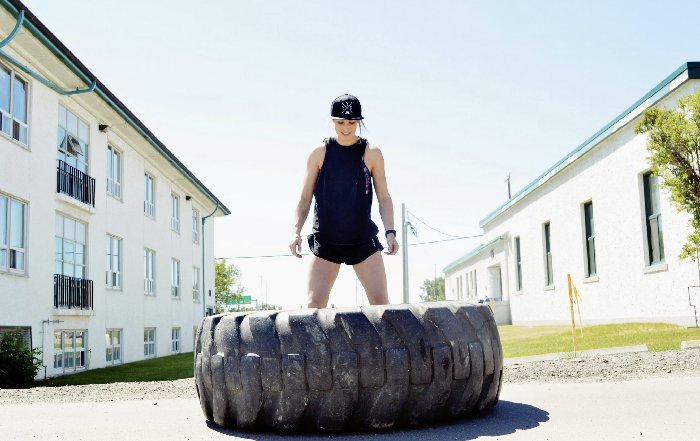
Functional Strength Training in 2026: From Fitness Trend to Global Performance Standard
A New Era of Movement, Health, and Performance
By 2026, functional strength training has moved decisively beyond the status of an emerging trend and established itself as a structural pillar of how individuals, organizations, and societies think about movement, productivity, and long-term health. What was once a concept confined to specialist gyms and rehabilitation clinics is now embedded in mainstream training programs, and SportyFusion has been at the forefront of documenting this evolution across its coverage of fitness, health, performance, and lifestyle. In a world increasingly shaped by aging populations, hybrid work, digital overload, and escalating rates of chronic disease, the question is no longer whether people are strong in a narrow gym-based sense, but whether they are functionally capable: able to move well, adapt to physical demands, and sustain performance in daily life, sport, and work.
This reframing of strength has resonated across regions and cultures. In the United States and Canada, where sedentary work and lifestyle-related disease remain pressing concerns, employers and healthcare providers are turning to functional training as a cost-effective way to reduce musculoskeletal injuries and improve productivity. In Europe, particularly in countries such as Germany, the Netherlands, Sweden, and Denmark, functional strength has been integrated into broader wellness cultures that emphasize active commuting, outdoor recreation, and lifelong movement. Across Asia-Pacific markets including Japan, South Korea, Singapore, Australia, and New Zealand, it is increasingly seen as a counterbalance to high-pressure work environments and urban living, while in emerging economies from Brazil and South Africa to Malaysia and Thailand, functional training is being woven into community sport, youth development, and grassroots health initiatives. For readers who follow world and news trends on SportyFusion, functional strength training is now a lens through which to understand how societies are attempting to extend healthspan, not just lifespan, in the face of complex demographic and economic pressures.
What Functional Strength Means in 2026
In 2026, functional strength training is understood not as a marketing label but as a structured, evidence-informed approach to improving the body's ability to perform meaningful, context-specific tasks with efficiency, resilience, and control. It prioritizes integrated, multi-joint, multi-planar movements-squatting, hinging, pushing, pulling, rotating, carrying, and locomotion-that mirror the physical demands of real life and sport, rather than isolating muscles in artificial patterns. This approach is grounded in biomechanics and neuromuscular science, and it is supported by a growing body of research from institutions such as Harvard T.H. Chan School of Public Health and Mayo Clinic, which continue to highlight the role of strength, balance, and mobility in reducing falls, managing metabolic health, and preserving independence in older age. Learn more about how strength and balance contribute to healthy aging through resources from Harvard Health Publishing.
Crucially, functional strength in 2026 is measured differently from traditional gym metrics. While one-repetition maximums and isolated lift numbers still have their place, coaches, clinicians, and forward-looking organizations now place greater emphasis on movement quality, joint integrity, rate of force development, deceleration control, and the transfer of strength into occupational, sporting, or daily-life tasks. This has driven widespread adoption of movement screening, dynamic warm-ups, and corrective exercises originally developed in physical therapy and high-performance sport. Healthcare providers and performance centers, informed by guidance from organizations such as Cleveland Clinic and Johns Hopkins Medicine, are increasingly integrating functional assessments into routine care, recognizing that how someone moves can be as informative as their blood pressure or lab results. Readers interested in a medical perspective on exercise and long-term health can explore the fitness guidance available through Mayo Clinic's healthy lifestyle section.
Health, Demographics, and the Pressure to Move Better
The global embrace of functional strength training is inseparable from the health and demographic realities that policymakers, employers, and healthcare systems are confronting in 2026. Across North America, Europe, and large parts of Asia, populations are aging rapidly, with a growing share of citizens over 60 and 70, and organizations such as the World Health Organization continue to underscore the social and economic costs of frailty, inactivity, and chronic disease in older adults. Functional strength training, with its focus on balance, coordination, and joint-friendly loading, offers a practical route to keeping older populations active, independent, and engaged, reducing the long-term burden on healthcare and social care budgets. Learn more about the global impact of insufficient physical activity through the WHO's resources on physical activity and health.
At the same time, younger and middle-aged adults in the United States, United Kingdom, Germany, Canada, Australia, and other advanced economies are grappling with the consequences of prolonged sitting, screen time, and hybrid work patterns that blur the boundaries between office and home. Data from organizations such as the U.S. Centers for Disease Control and Prevention and NHS England show persistent challenges related to obesity, type 2 diabetes, back pain, and mental health disorders, often linked to sedentary lifestyles and poor movement habits. In this context, functional strength training is being promoted as an efficient, adaptable, and psychologically beneficial modality that can be integrated into short, focused sessions at home, in the gym, or in workplace wellness facilities. Reports from the OECD on health and economic resilience have reinforced the message that investing in movement and prevention is not only a public health imperative but also a strategic economic decision, and many organizations now see functional training as a core component of that investment.
For readers of SportyFusion who follow business and environment coverage, this convergence of health and economics is reshaping how companies in technology, finance, logistics, and manufacturing think about human performance. Employers increasingly recognize that musculoskeletal disorders and stress-related conditions are major drivers of absenteeism and reduced productivity, and they are partnering with wellness providers to deliver evidence-based functional programs tailored to the specific physical demands of different roles, from warehouse work and construction to coding and customer service.
Elite Sport as a Catalyst for Everyday Training
Elite sport continues to serve as a powerful showcase for functional strength principles, and the visibility of these methods has accelerated their adoption among recreational athletes and the general public. In 2026, high-performance programs in football, rugby, basketball, tennis, cycling, cricket, and mixed martial arts-from the Premier League and Bundesliga to the NBA, UFC, and leading European and South American clubs-are deeply invested in functional strength and conditioning systems that prioritize movement efficiency, power transfer, and injury resilience over traditional bodybuilding-style routines. Sports science departments at institutions such as Loughborough University in the United Kingdom and University of Queensland in Australia have contributed significantly to the evidence base, demonstrating how multi-directional, high-velocity, and deceleration-focused training can reduce injury risk and enhance performance. Readers can explore more about sports performance research through Loughborough Sport.
The behind-the-scenes content shared by professional teams and athletes on social media and streaming platforms has played a critical role in normalizing functional training tools and methods. Sled pushes, kettlebell carries, landmine presses, plyometric drills, and rotational medicine ball work are now familiar images to fans in the United States, Europe, Asia, and South America, and they have influenced how commercial gyms and boutique studios design their spaces. Facilities in cities from Toronto and Los Angeles to Amsterdam, Zurich, Singapore, and Tokyo increasingly dedicate floor space to open turf, rigs, and versatile equipment rather than rows of fixed machines, reflecting a broader shift toward movement-centric environments. For the SportyFusion sports and performance audience, this change is visible not only in facility design but also in the language of commentary and coaching, where concepts such as "force absorption," "change of direction efficiency," and "movement robustness" have become standard.
Grassroots and community sport have also embraced functional strength as a foundation for lifelong participation. Running clubs across London, Dublin, Stockholm, and Copenhagen now routinely incorporate strength and mobility blocks to improve running economy and reduce injury, drawing on the guidance of organizations such as American Council on Exercise and specialist publications like Runner's World. Youth academies in football, rugby, and basketball in Germany, France, Italy, South Africa, and Brazil are implementing age-appropriate functional training frameworks that prioritize coordination, balance, and movement literacy ahead of heavy loading, aligning with long-term athlete development models supported by bodies such as FIFA and World Rugby. Learn more about global player welfare and performance initiatives through FIFA's medical and performance resources.
Technology, Data, and the Intelligent Training Ecosystem
The integration of functional strength training into everyday life in 2026 is closely linked to the maturation of digital technology, wearables, and connected fitness platforms, an area followed closely by SportyFusion's technology and gaming audience. Smartwatches, sensor-embedded clothing, and advanced motion-tracking systems have evolved from basic step counters into sophisticated tools capable of analyzing joint angles, asymmetries, ground reaction forces, and fatigue markers in near real time. Companies such as Apple, Garmin, and Whoop have refined their algorithms to provide actionable insights about training load, recovery, and readiness, often emphasizing the importance of strength, mobility, and low-impact conditioning as foundations for sustainable performance. For a deeper look at how wearables and AI are reshaping health and training, readers can consult analysis from MIT Technology Review.
Virtual and augmented reality are also exerting a growing influence on functional training, particularly in regions with strong gaming cultures such as South Korea, Japan, the United States, and parts of Europe. VR-based fitness experiences now incorporate functional movement patterns into interactive environments, allowing users to squat, lunge, reach, and rotate in response to virtual stimuli while receiving real-time feedback on form and effort. These systems are increasingly informed by research from institutions such as Stanford University's Virtual Human Interaction Lab and University of Southern California, which examine how immersive technologies can promote motor learning, adherence, and rehabilitation outcomes. Readers interested in this intersection of movement and immersion can explore ongoing research through Stanford VHIL.
From a business and service-delivery standpoint, the data generated by connected training ecosystems is transforming how gyms, coaches, and healthcare providers operate. Performance centers in New York, London, Berlin, Singapore, and Melbourne are combining force plates, 3D motion capture, and AI-driven analysis to create individualized functional profiles that guide programming and progression. Hybrid models that blend in-person coaching with remote monitoring and digital content are now commonplace, enabling scalable, personalized support that extends beyond the physical gym. Insurers and corporate wellness providers in North America, Europe, and Asia are experimenting with incentives tied to verified participation in strength and mobility programs, recognizing that preventing back pain, falls, and overuse injuries can deliver substantial cost savings. For a broader strategic perspective on digital health and prevention, readers can review insights from McKinsey & Company on the future of digital health.
Culture, Identity, and the Shift from Appearance to Capability
Culturally, the rise of functional strength training reflects and reinforces a broader shift away from purely appearance-based definitions of fitness toward a more holistic understanding of capability, energy, and mental resilience. On social platforms in the United States, United Kingdom, Canada, Australia, and across Europe, there is still no shortage of physique-focused content, but there is a noticeably stronger presence of physiotherapists, strength coaches, older adults, and adaptive athletes who showcase progress in terms of movement quality, pain reduction, and participation in meaningful activities. This narrative aligns closely with SportyFusion's culture and lifestyle coverage, which has increasingly highlighted stories of individuals using functional training to return to work after injury, manage chronic conditions, or regain confidence in daily movement.
In Scandinavian countries, the Netherlands, and New Zealand, functional training is often framed as preparation for outdoor pursuits such as hiking, skiing, cycling, and paddling, reinforcing cultural values around nature, independence, and work-life balance. In rapidly urbanizing markets such as China, Brazil, Malaysia, and Thailand, it is being adopted by younger professionals seeking practical solutions to posture-related discomfort, back pain, and stress, often in combination with mindfulness and recovery practices. Organizations such as the World Economic Forum and OECD have drawn attention to the mental health implications of modern work and digital life, and functional training-with its emphasis on controlled breathing, proprioception, and progressive challenge-fits naturally within integrated well-being strategies. Readers can learn more about global work and well-being trends through the WEF's insights on the future of work and well-being.
Inclusion and representation are also central themes in the cultural story of functional strength. Adaptive training protocols that modify movement patterns for individuals with disabilities, chronic pain, or limited mobility are becoming more visible, supported by organizations such as Special Olympics, Invictus Games Foundation, and leading rehabilitation centers. This evolution challenges outdated stereotypes about who belongs in performance-oriented spaces and expands the definition of athleticism to include a broader range of bodies, ages, and abilities. For readers who follow SportyFusion's social and ethics coverage, functional strength training provides a practical framework for building more inclusive environments where the metric of success is not how someone looks, but what they are capable of doing. Learn more about inclusive sports initiatives through programs highlighted by Special Olympics.
The Functional Fitness Economy: Brands, Careers, and Innovation
The mainstreaming of functional strength training has reshaped the global fitness and sports business landscape, creating new opportunities and competitive pressures for brands, service providers, and professionals. Traditional equipment manufacturers that once relied heavily on large, fixed machines and cardio devices have diversified into modular rigs, adjustable free weights, suspension systems, and portable tools that support multi-planar movement and space-efficient training. Companies such as Rogue Fitness, Technogym, and Eleiko have positioned themselves as partners in functional performance, combining hardware with education, digital content, and data integration.
In parallel, global apparel and footwear brands including Nike, Adidas, and Under Armour have shifted marketing narratives toward training for life and sport rather than purely aesthetic transformation, featuring athletes, creators, and everyday individuals performing functional movements in realistic environments such as warehouses, playgrounds, and urban parks. Consumers in markets like the United States, United Kingdom, Germany, Japan, and South Korea are increasingly discerning about technical features such as stability, traction, and breathability, as well as the sustainability credentials of products. Learn more about sustainable business practices and circular models in fashion through resources from the Ellen MacArthur Foundation on circular fashion.
The functional training boom has also reshaped the labor market within fitness, sport, and corporate wellness, an area of particular interest for SportyFusion readers exploring jobs, training, and performance careers. There is rising demand for professionals who combine technical expertise in movement assessment and programming with an understanding of behavior change, data literacy, and interdisciplinary collaboration. Accreditation bodies such as National Strength and Conditioning Association (NSCA), American College of Sports Medicine (ACSM), and UK Strength and Conditioning Association (UKSCA) have updated curricula to emphasize functional principles, evidence-based practice, and cooperation with medical professionals. Those interested in professional standards and continuing education in strength and conditioning can explore resources from the NSCA.
Ethics, Safety, and Sustainability in a Rapidly Growing Field
As functional strength training has expanded, so too have questions about ethics, safety, and environmental responsibility, themes that align closely with SportyFusion's ethics and environment reporting. While the potential benefits of functional training are well documented, the complexity of many movements means that poor coaching, inappropriate progressions, or social media-driven "challenge culture" can elevate injury risk, particularly for beginners, older adults, or individuals with pre-existing conditions. Professional organizations such as American Physical Therapy Association and the Chartered Society of Physiotherapy in the UK continue to emphasize the importance of evidence-based programming, thorough screening, and gradual progression. Readers seeking best-practice guidance on safe exercise prescription can refer to resources from American Physical Therapy Association.
Ethical communication is another critical issue. Influencers, brands, and platforms that promote functional training have a responsibility to avoid exaggerated claims, unrealistic timelines, or unsafe demonstrations that may attract attention but mislead or endanger audiences. Regulatory bodies in the United States, European Union, and other regions, including the Federal Trade Commission and European Consumer Organisation, have intensified scrutiny of health and fitness marketing, encouraging transparency, appropriate disclaimers, and alignment with scientific consensus. Learn more about responsible health-related marketing practices through the FTC's guidance on health claims.
Sustainability has also become a core consideration as the functional fitness economy grows. Equipment manufacturing, facility construction, and digital infrastructure all carry environmental footprints, and stakeholders are under increasing pressure to reduce emissions, use recyclable or bio-based materials, and design products and spaces for durability and adaptability. Gyms and performance centers in Europe, North America, and Asia-Pacific are experimenting with energy-efficient lighting and ventilation, low-impact materials, and outdoor functional training areas that leverage existing urban and natural environments. Reporting frameworks from organizations such as Global Reporting Initiative and CDP are helping companies in the sports, fitness, and wellness sectors to measure and communicate their environmental performance. Readers can learn more about sustainability reporting and standards through GRI.
The Road Ahead and SportyFusion's Role in a Function-First Future
Looking forward from 2026, functional strength training appears set to remain a central organizing principle in how individuals, organizations, and governments think about movement, health, and performance. Advances in biomechanics, neuroscience, and data analytics are likely to refine how functional programs are personalized for different populations, from elite athletes in Olympic cycles to knowledge workers seeking to offset long hours at a desk, logistics staff managing repetitive lifting, and older adults striving to maintain independence. Education systems in countries such as the United States, Canada, Germany, Sweden, Singapore, and Japan are beginning to integrate movement literacy and functional training concepts into physical education curricula, while public health campaigns in regions across Europe, Asia, Africa, and South America are exploring how community-based functional programs can support resilience and social connection.
For SportyFusion, which sits at the intersection of fitness, health, sports, technology, business, and social impact, functional strength training is far more than a passing trend. It is a framework for understanding how societies are redefining performance, not only in stadiums and gyms but in offices, factories, schools, and homes around the world. By highlighting exemplary programs, scrutinizing emerging technologies, examining the ethics of commercialization, and amplifying diverse voices from the United States, United Kingdom, Germany, Canada, Australia, France, Italy, Spain, the Netherlands, Switzerland, China, Singapore, South Korea, Japan, South Africa, Brazil, and beyond, SportyFusion aims to help its global audience navigate this evolving landscape with clarity and confidence.
As the platform continues to expand coverage across lifestyle, brands, performance, and the broader SportyFusion ecosystem at sportyfusion.com, its editorial lens will remain anchored in experience, expertise, authoritativeness, and trustworthiness. In a world where functional strength training is rapidly becoming a common language across continents and industries, the enduring challenge will be to ensure that its growth remains grounded in science, inclusivity, and sustainability, so that functional strength is not merely a buzzword of the 2020s but a durable foundation for healthier, more resilient lives across every region and community that SportyFusion serves.