

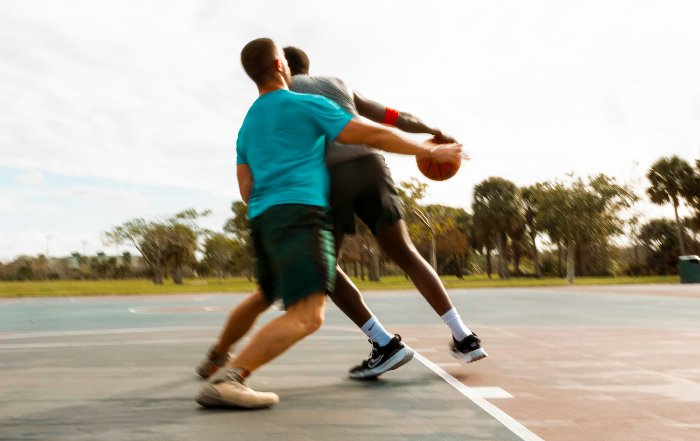
Community Sports as a Tool for Social Cohesion in 2026
The New Social Fabric: Why Community Sports Matter More Than Ever
In 2026, as societies grapple with polarization, digital isolation, and rapid demographic shifts, community sports have re-emerged as one of the most practical and powerful tools for rebuilding social cohesion. From neighborhood football leagues in London and Lagos to basketball courts in Los Angeles and Berlin, structured and informal sports programs are increasingly recognized by policymakers, businesses, and civic leaders as inexpensive, scalable mechanisms for bringing people together across lines of age, income, ethnicity, and ideology. For SportyFusion, whose readers span fitness, culture, health, business, and technology interests, community sports sit precisely at the intersection of physical performance, social connection, and responsible innovation, embodying many of the values highlighted across its sections on fitness, culture, and social impact.
The renewed focus on community-level sport is not simply nostalgic or sentimental; it is backed by a growing body of research from institutions such as the World Health Organization, which outlines how physical activity programs can reduce non-communicable diseases while improving mental well-being, and from organizations like the OECD, which examine how shared public spaces and joint activities strengthen trust and civic participation. As governments from the United States and the United Kingdom to Singapore and Brazil search for cost-effective ways to reinforce social bonds, the local playing field, gym, or multi-sport hub has become a critical part of the conversation, linking health, education, and community safety in ways that traditional top-down policies rarely achieve.
Understanding Social Cohesion Through the Lens of Sport
Social cohesion is often defined by institutions such as the World Bank as the capacity of a society to ensure the well-being of all its members, minimize disparities, and avoid polarization, while maintaining peaceful relationships among diverse groups. Community sports contribute to this vision by creating regular, structured interactions among individuals who might otherwise never meet, providing a shared set of rules and goals that momentarily override social divisions. When a mixed-age futsal team in Madrid or a co-ed cricket league in Melbourne agrees on the same score, respects the same referee, and celebrates the same victory, it is enacting, in miniature, the kind of trust and reciprocity that larger societies struggle to cultivate.
This dynamic is especially evident in multicultural urban environments where demographic diversity is both an asset and a challenge. Researchers at institutions such as Harvard University have long documented how diverse communities can experience lower baseline levels of trust unless deliberate bridging mechanisms are introduced; community sports offer exactly such a mechanism, transforming diversity from a potential fault line into an everyday source of shared experience and informal learning. Readers interested in the cultural dimension of this transformation can explore how sport intersects with identity and belonging in the culture coverage on SportyFusion, where local narratives often illuminate global patterns.
Health, Well-Being, and the Social Dividend of Movement
The health benefits of regular physical activity are well established, with entities like the World Health Organization and the Centers for Disease Control and Prevention emphasizing its role in reducing cardiovascular disease, diabetes, and depression. Yet in the context of social cohesion, the more subtle but equally important benefit is the way shared physical challenges create empathy and mutual respect. When a jogging group in Toronto accommodates a slower runner, or when a community swimming club in Cape Town collectively encourages a newcomer who fears the water, the group is practicing inclusion in a tangible, embodied way that transcends rhetoric.
Mental health, a growing concern across Europe, Asia, and the Americas, is another dimension where community sports prove valuable. Studies highlighted by organizations such as Mental Health Europe and National Alliance on Mental Illness show that group-based physical activity can reduce anxiety and loneliness, particularly among young adults and older populations. For SportyFusion's audience, which frequently engages with content on health and lifestyle, this intersection underscores how local leagues, walking clubs, and recreational tournaments are not merely leisure activities but protective factors in community mental health strategies, especially in cities where social isolation has been exacerbated by hybrid work and digital-first lifestyles.
Youth Development, Safe Spaces, and the Future Workforce
In many countries, from the United States and Canada to South Africa and Brazil, community sports have become central to youth development strategies, particularly in neighborhoods facing socioeconomic challenges. Organizations such as UNICEF and UNESCO underline how sports-based programs can improve school attendance, reduce exposure to crime, and foster life skills such as teamwork, leadership, and conflict resolution. When a teenager in Johannesburg learns to manage frustration after a loss on the football pitch, or a student in Chicago takes responsibility for organizing a local basketball tournament, these experiences translate into competencies that are increasingly valued in the labor market.
The link between community sports and employability is gaining attention among employers and workforce planners. Research from groups like the World Economic Forum emphasizes the rising importance of soft skills such as collaboration, resilience, and adaptability, all of which are routinely developed in team sports environments. For readers of SportyFusion's business and jobs sections, this connection is particularly relevant: community sports programs are not only social projects but also informal talent incubators, helping young people in Germany, India, or Singapore build capabilities that complement formal education and vocational training.
Gender, Inclusion, and Redefining Who Belongs on the Field
Historically, sports have been shaped by gender norms and exclusionary practices, but the last decade has seen a significant transformation in participation, visibility, and leadership. Organizations like UN Women and advocacy groups across Europe and Asia have documented how inclusive sports programs can challenge stereotypes, provide role models, and expand opportunities for women and girls, including those from migrant or minority backgrounds. Community-level initiatives, from women's football collectives in France to mixed-gender cycling clubs in the Netherlands, are redefining what it means to belong in sporting spaces and, by extension, in public life.
The conversation around inclusion also extends to people with disabilities, LGBTQ+ communities, and older adults. Bodies such as the International Paralympic Committee and national sports councils in countries like Australia, Norway, and Japan have promoted inclusive design, adaptive equipment, and flexible rules that open participation to a wider range of abilities and identities. SportyFusion's coverage of ethics and social responsibility frequently highlights these developments, demonstrating how community sports can serve as laboratories for more equitable social norms, where respect and dignity are practiced in real time rather than debated in abstract terms.
Technology, Data, and the Digital Layer of Community Sport
Technology has reshaped the landscape of community sports, introducing new tools for organizing, measuring, and enhancing participation. From mobile apps that coordinate local pick-up games to wearable devices that track performance and health metrics, the digital ecosystem surrounding sport is expanding rapidly. Companies like Strava and Garmin have built platforms that transform solitary runs or rides into shared experiences, where users in Sweden, the United Kingdom, or Singapore can compare routes, celebrate milestones, and join virtual clubs that often translate into real-world meetups. These developments resonate strongly with the innovation-focused readers of SportyFusion's technology section, where the interplay between data, community, and performance is a recurring theme.
However, the integration of technology into community sports also raises questions about privacy, equity, and access. Organizations such as the Electronic Frontier Foundation and European Data Protection Board have drawn attention to the implications of collecting and sharing personal health and location data, particularly when community programs partner with commercial platforms. At the same time, the digital divide remains a barrier in parts of Africa, South America, and rural regions of developed countries, where connectivity and device access are uneven. The challenge for policymakers, community leaders, and technology companies is to design digital tools that enhance inclusivity rather than reinforce existing inequalities, ensuring that the benefits of tech-enabled sport are available to communities worldwide.
Economic Impact, Local Brands, and the Business of Belonging
Community sports also generate significant economic value, both directly and indirectly, by supporting local employment, driving demand for sporting goods, and activating underused public spaces. Analyses by organizations such as Deloitte and PwC have shown that grassroots sports ecosystems contribute to local GDP through facility management, coaching, event hosting, and associated retail, particularly in countries with strong club cultures like Germany, the Netherlands, and Denmark. For local authorities and investors, strategic support for community sports infrastructure can be a form of place-based economic development, attracting families, boosting tourism, and enhancing a city's brand as a healthy and vibrant destination.
The role of brands in this ecosystem is evolving as well. Global companies such as Nike, Adidas, and Decathlon have invested in community initiatives that blend marketing with social impact, sponsoring leagues, refurbishing courts, and providing equipment to underserved groups. At the same time, regional and local brands in markets like Italy, Thailand, and South Africa are leveraging community sports to build authentic relationships with consumers who value purpose-driven business. SportyFusion's brands coverage often explores how these partnerships can either strengthen or undermine trust, depending on whether they prioritize long-term community benefit over short-term visibility, and how they align with broader discussions about sustainable and ethical business practices.
Sustainability, Urban Planning, and the Green Dimension of Play
As climate change intensifies and cities confront the twin challenges of heat and congestion, community sports are increasingly linked to environmental planning and sustainability. Organizations such as the United Nations Environment Programme and C40 Cities promote the integration of green spaces, cycling infrastructure, and multi-use recreational areas into urban design, recognizing that parks, trails, and open fields serve both ecological and social functions. When a city in Finland or Japan invests in tree-lined running paths, energy-efficient lighting for local pitches, and accessible public transportation to sports hubs, it is simultaneously advancing climate goals and creating more inclusive opportunities for physical activity.
Sustainable facility management is another emerging area of focus, with stadiums, arenas, and community centers adopting renewable energy, water conservation, and circular economy principles. Guidance from networks like the Green Sports Alliance helps local clubs and municipalities reduce the environmental footprint of tournaments and events, from waste management to responsible merchandising. For SportyFusion readers who follow the platform's environment and performance content, these developments highlight how high-performance sport and environmental stewardship can reinforce rather than contradict each other, especially when community members are directly involved in designing and maintaining sustainable facilities.
Gaming, Esports, and Hybrid Models of Community Engagement
The rise of gaming and esports has transformed how younger generations experience competition, collaboration, and fandom, prompting a rethinking of what constitutes "community sport." Organizations like Riot Games and ESL FACEIT Group have invested heavily in local and regional tournaments that bring online communities into physical venues, blending digital and in-person interaction. While traditionalists sometimes view gaming as a rival to physical activity, a growing number of educators and coaches are exploring hybrid models that combine esports with fitness training, mindfulness, and social-emotional learning, aiming to harness the motivational power of gaming while mitigating sedentary behavior.
SportyFusion's gaming section frequently examines these convergences, analyzing how esports clubs in South Korea, the United States, and France are experimenting with codes of conduct, inclusive team structures, and community outreach programs. In many cases, the same principles that underpin social cohesion in physical sports-shared rules, mutual respect, collective goals-apply equally in digital arenas, suggesting that community-building through competition is not confined to grass fields or hardwood courts. The key is to ensure that digital platforms complement rather than replace the embodied, face-to-face interactions that are so vital for mental health and neighborhood solidarity.
Ethics, Governance, and the Trust Imperative
For community sports to genuinely foster social cohesion, they must be governed in ways that inspire confidence among participants, parents, sponsors, and local authorities. High-profile scandals in professional sport, including corruption, doping, and abuse, have underscored the importance of robust ethical frameworks at all levels of play. Institutions such as the International Olympic Committee and Sport Integrity Global Alliance have advanced guidelines and monitoring mechanisms, yet implementation at the grassroots level often depends on volunteer administrators and limited resources. This reality makes transparent governance, clear safeguarding policies, and inclusive decision-making processes essential components of any credible community sports program.
Ethical considerations also extend to issues of access and affordability. When membership fees, equipment costs, or facility rentals become prohibitive, community sports risk reinforcing social inequality rather than alleviating it. SportyFusion's ethics and social coverage emphasizes that trust is built not only on fair play within the game but also on fairness in who gets to play, how resources are allocated, and whose voices are heard in planning and evaluation. In cities from New York and London to Nairobi and Bangkok, the most successful community sports initiatives are those that treat participants as partners rather than passive beneficiaries, inviting them into conversations about rules, schedules, and long-term goals.
The Role of Media and Storytelling in Amplifying Impact
Media organizations and digital platforms play a crucial role in shaping how community sports are perceived, funded, and replicated. While elite competitions such as the FIFA World Cup or the NBA command global attention, local stories of resilience, inclusion, and innovation often go unnoticed unless dedicated outlets choose to highlight them. SportyFusion's editorial focus, spanning sports, news, and lifestyle, positions it as a bridge between global trends and neighborhood realities, curating examples from community clubs in Canada, Germany, or Malaysia that demonstrate how sport can mend social fractures and open new pathways for dialogue.
Narratives about community sports also influence public policy and corporate strategy. When case studies from organizations like Laureus Sport for Good or Right To Play are widely disseminated, they provide evidence that investments in grassroots sport yield measurable returns in education, health, and social cohesion. These stories can persuade city councils, ministries, and corporate boards to allocate budgets, sponsor facilities, or integrate sports-based interventions into broader social programs. In this sense, the storytelling function of platforms like SportyFusion is not merely descriptive but catalytic, helping to translate local experiments into scalable models across regions as diverse as Europe, Asia, Africa, and the Americas.
Looking Ahead: Community Sports as Strategic Social Infrastructure
As 2026 unfolds, community sports are increasingly recognized not as optional leisure activities but as strategic social infrastructure, comparable in importance to schools, public transportation, and healthcare facilities. In an era marked by demographic aging in countries like Japan and Italy, youthful populations in parts of Africa and South Asia, and rising migration across continents, the capacity of societies to cultivate shared identities and mutual trust will be tested repeatedly. Community sports, by virtue of their accessibility, adaptability, and emotional resonance, offer a rare combination of scale and intimacy, allowing individuals to experience belonging at the level of the team while contributing to cohesion at the level of the neighborhood, city, and nation.
For SportyFusion and its global readership, the task ahead is both analytical and practical: to continue examining how fitness, technology, business, ethics, and culture converge in the arena of community sport, and to highlight models that demonstrate credible experience, expertise, authoritativeness, and trustworthiness. Whether through in-depth reporting on innovative training programs featured in its training section, or through cross-cutting analysis that links world events to local sports initiatives, the platform can help readers in North America, Europe, Asia, Africa, and South America see community sports not as peripheral entertainment but as a central, evidence-based tool for building more cohesive, resilient societies. In doing so, it reinforces the simple yet profound idea that when people play together, they are also learning, healing, and imagining a shared future-one game, one practice, and one community at a time.