

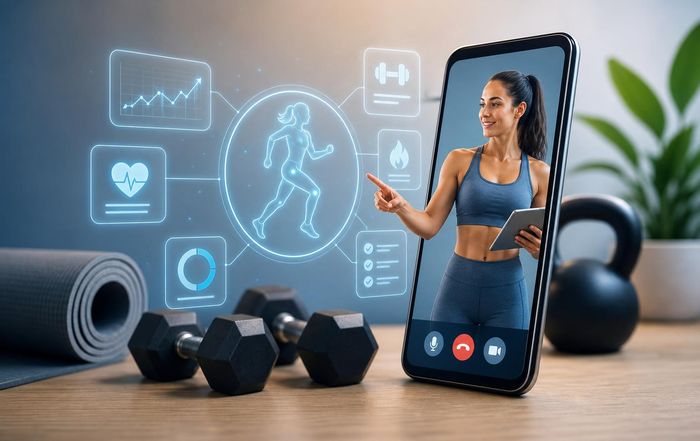
How Digital Coaching Is Transforming Personal Fitness
A New Era of Personalized Performance
Digital coaching has moved from the margins of the fitness industry to its very core, reshaping how individuals train, recover, and measure progress, while simultaneously redefining how brands, employers, and health systems think about performance and wellbeing. What began as simple workout apps and step counters a decade ago has evolved into a sophisticated ecosystem of data-driven, hyper-personalized coaching experiences that operate across devices, platforms, and geographies, and SportyFusion.com sits squarely within this transformation, connecting a global audience of athletes, enthusiasts, and professionals to the most relevant developments in sports, fitness, health, and performance.
The convergence of advanced wearables, artificial intelligence, connected equipment, and behavioral science has created a fitness environment in which every session can be tailored to an individual's physiology, goals, schedule, and even mood. From elite competitors in the United States and United Kingdom to recreational runners in Germany, hybrid workers in Canada and Australia, and emerging fitness communities in Asia, Africa, and South America, digital coaching platforms are expanding access to high-quality guidance that was once reserved for those who could afford in-person trainers or elite sports academies. As organizations like the World Health Organization (WHO) continue to stress the global importance of physical activity to reduce noncommunicable diseases, readers can explore how these trends intersect with broader health priorities and learn more about global physical activity guidelines.
From Static Programs to Adaptive, Data-Driven Coaching
Traditional fitness plans were largely static, relying on generalized templates that assumed similar responses to training loads across broad populations, but digital coaching has replaced this one-size-fits-all model with adaptive systems that continuously adjust based on real-time and historical data. Modern platforms ingest metrics from smartwatches, heart rate straps, sleep trackers, and connected gym equipment, and then apply machine learning models to recalibrate training volume, intensity, and recovery recommendations. Organizations such as Apple, Garmin, Polar, and Whoop have invested heavily in sensor accuracy and analytics, and their ecosystems now feed into third-party coaching services that specialize in particular sports or demographics, while resources like scientific summaries from the American College of Sports Medicine help validate and refine evidence-based approaches.
This evolution has profound implications for the SportyFusion.com community, where readers interested in fitness and training insights increasingly expect guidance that reflects their personal context rather than generic advice. Digital coaching engines can now detect plateaus in strength development, early signs of overtraining, and even subtle declines in sleep quality that may precede injury or illness, and then automatically adjust workloads or suggest alternative sessions, such as low-impact mobility work or active recovery. As research from institutions like Harvard Medical School continues to highlight the importance of individualized exercise prescriptions and recovery strategies, readers can explore evidence on exercise and health outcomes and see how the science underpins these emerging tools.
The AI Coach: Augmenting, Not Replacing, Human Expertise
The most significant shift in digital coaching has been the rise of AI-driven guidance that can respond to user data, preferences, and feedback in near real time, yet the most successful solutions in 2026 are those that blend algorithmic intelligence with human expertise rather than attempting to replace coaches entirely. Leading platforms, including those developed by Peloton, Nike, and Adidas, now offer hybrid models in which AI systems manage day-to-day program adjustments while certified coaches provide periodic video consultations, form checks, and high-level strategic planning. This combination allows for scale and consistency without sacrificing the nuance and empathy that human professionals bring to complex behavior change. For context on how AI is reshaping broader industries beyond fitness, readers can review AI trends and ethics discussions from the World Economic Forum.
For the business-focused readers of SportyFusion.com, this hybrid model is particularly relevant, as it demonstrates how organizations can deploy AI to augment professional services without eroding trust or diminishing the role of qualified experts. Companies in Europe, North America, and Asia-Pacific are now integrating digital coaching into corporate wellness programs, using AI systems to provide daily micro-coaching while partnering with certified trainers and physiotherapists for high-touch interventions. As firms navigate this landscape, they must consider regulatory guidance and data protection frameworks, and resources like the European Commission's AI and data policy pages can help leaders understand the evolving governance environment.
Global Accessibility and Cultural Localization
One of the most transformative aspects of digital coaching has been its ability to democratize access to high-quality fitness guidance across regions and income levels. In countries such as India, Brazil, South Africa, and Thailand, where in-person coaching may be limited or expensive, mobile-first coaching apps are providing structured programs at a fraction of the cost of traditional gym memberships, often leveraging low-bandwidth modes and offline functionality. Global organizations like UNESCO and UNICEF have emphasized the importance of physical activity and digital inclusion as part of broader development goals, and interested readers can explore how digital tools support youth health and education.
However, accessibility is not only a question of price and connectivity; cultural localization plays a critical role in engagement and effectiveness. Successful digital coaching platforms now offer language customization, region-specific content, and culturally relevant motivational frameworks, recognizing that what resonates with users in Japan or South Korea may differ significantly from what motivates users in Italy, Spain, or the Netherlands. On SportyFusion.com, this is reflected in coverage across world sport and cultural narratives, where local stories and regional role models are increasingly integrated into fitness and performance content, helping users see themselves in the experiences and achievements being highlighted.
Integrating Health, Fitness, and Medical Insight
By 2026, the line between fitness coaching and health management has become increasingly blurred, as digital coaching platforms incorporate more clinically relevant data and collaborate with healthcare providers. Wearables now routinely track heart rate variability, resting heart rate, sleep stages, and in some cases, ECG and blood oxygen levels, while some devices approved by regulators such as the U.S. Food and Drug Administration (FDA) can detect atrial fibrillation or other cardiac anomalies. As a result, the most advanced digital coaching systems are beginning to integrate risk stratification and referral pathways, encouraging users to seek medical advice when certain patterns emerge, and readers can learn more about digital health regulation and device clearances through official resources.
For the health-conscious audience online, which frequently engages with in-depth coverage of wellness and prevention, this integration of fitness and healthcare presents both opportunities and responsibilities. On one hand, digital coaching can support the management of conditions such as type 2 diabetes, hypertension, and obesity by embedding clinically informed exercise prescriptions and lifestyle recommendations. On the other hand, platforms must avoid overstepping into areas that require professional medical judgment, maintaining clear boundaries and disclaimers while ensuring that algorithms do not misinterpret or overgeneralize sensitive health data. Guidance from organizations like the Mayo Clinic and Cleveland Clinic continues to shape best practices, and readers can explore medically reviewed insights on exercise and chronic disease to better understand how coaching can complement professional care.
The Business of Digital Coaching: Ecosystems, Partnerships, and Revenue Models
Digital coaching has become a central pillar of the broader sports and fitness economy, influencing how brands design products, structure partnerships, and engage consumers. Hardware manufacturers, from smartwatch producers to connected strength equipment makers, are increasingly positioning their devices as gateways to subscription-based coaching ecosystems, where recurring revenue from digital services often surpasses margins on physical products. Companies such as Apple, Samsung, and Google have expanded their health and fitness offerings, while specialized firms like Tonal and Hydrow rely heavily on recurring subscription income tied to AI-enhanced coaching content. For readers tracking industry dynamics, resources such as McKinsey & Company's sports and wellness analyses provide useful context, and they can review strategic perspectives on the global sports economy.
Within this ecosystem, SportyFusion.com plays a role as both observer and participant, curating stories on sports business trends, brand strategies, and performance innovation while also shaping consumer expectations about transparency, data privacy, and ethical practices. Revenue models now range from freemium coaching tiers supported by advertising, to premium subscriptions, corporate licensing arrangements, and integrated offerings bundled with health insurance or gym memberships. Employers across North America, Europe, and Asia-Pacific have begun to view digital coaching as part of their talent retention and productivity strategies, integrating platforms into employee benefits and performance programs, while competition among providers has intensified around user engagement, measurable outcomes, and integration with broader HR and health systems.
Jobs, Skills, and New Career Paths in a Digitally Coached World
The rise of digital coaching has not eliminated the role of human trainers and coaches; instead, it has diversified the types of roles available and expanded opportunities for professionals who can operate effectively at the intersection of sport science, technology, and content creation. Fitness professionals now work as remote performance coaches, program designers for AI systems, on-camera instructors, community managers, and data-informed consultants for corporate wellness initiatives. For readers exploring career opportunities in this evolving landscape, SportyFusion maintains articles of emerging jobs and skills in sports, health, and technology, highlighting how certifications, digital literacy, and cross-cultural communication are becoming as important as traditional coaching qualifications.
Educational institutions and certification bodies have responded by updating curricula to include modules on digital platforms, data analytics, and remote coaching best practices. Organizations like the National Academy of Sports Medicine (NASM) and UK Coaching have developed specialized training on virtual engagement, online safety, and the interpretation of wearable-derived metrics, while universities in Germany, Canada, and Singapore are launching interdisciplinary programs that blend kinesiology, computer science, and behavioral psychology. As professionals adapt, they must also navigate new ethical considerations, including responsible use of client data, algorithmic transparency, and the risk of overreliance on automated recommendations, themes that align closely with SportyFusion's ongoing coverage of ethics and responsibility in sport and technology.
Brand Storytelling, Culture, and the Athlete Identity
Digital coaching has also transformed how brands communicate with consumers and how individuals construct their identities as athletes, regardless of performance level. With platforms capturing detailed training histories, personal bests, and even video clips of key milestones, users increasingly see their fitness journeys as narratives that can be shared across social channels and within closed communities. Brands like Strava, Under Armour, and Lululemon have built powerful ecosystems around community features and storytelling tools, encouraging users to document their progress, celebrate achievements, and engage in friendly competition. To understand how these cultural dynamics intersect with broader shifts in sport and society, fans can explore analyses of sport and culture within our environment.
This evolution extends beyond marketing into deeper questions of identity, inclusion, and mental health. Digital coaching communities can provide support and accountability for individuals in remote or underserved regions, from runners in Norway and Finland training through long winters, to cyclists in South Africa and Brazil navigating safety and infrastructure challenges. At the same time, there is growing awareness of the potential downsides of constant self-quantification, such as anxiety over metrics, comparison-driven burnout, and distorted body image. Mental health organizations and sports psychologists, including those affiliated with bodies like the International Olympic Committee (IOC), have begun to publish guidelines on healthy digital engagement, and readers can learn more about athlete mental health initiatives that inform how platforms design their feedback and community features.
Technology, Gaming, and the Gamification of Effort
The relationship between digital coaching and gaming has deepened significantly, as platforms adopt game mechanics to sustain engagement and as virtual environments become legitimate performance spaces in their own right. From cycling on platforms like Zwift and Rouvy to rowing, boxing, and functional training games on connected consoles, users can now train in immersive virtual worlds that reward consistency, skill development, and tactical decision-making. These environments often integrate structured coaching plans, AI-driven pacing strategies, and real-time feedback on technique. For readers here who love the intersection of gaming, sport, and performance, this convergence illustrates how digital coaching is not limited to traditional gym or outdoor contexts but extends into virtual arenas where esports and physical performance increasingly overlap.
Gamification techniques-such as streaks, achievements, badges, and leaderboards-have proven effective in encouraging adherence, but they must be deployed thoughtfully to avoid promoting unhealthy behaviors or discouraging beginners. Behavioral scientists and user experience designers collaborate with coaching teams to calibrate difficulty curves, reward structures, and social comparison mechanisms, drawing on research from organizations like the Behavioural Insights Team and academic centers worldwide. Readers interested in the science behind these approaches can explore behavioral insights applied to health and physical activity to better understand why some gamified systems succeed while others falter.
Sustainability, Environment, and the Future of Hybrid Training
Digital coaching is also reshaping the environmental footprint of fitness by influencing how, where, and with what equipment people train. The growth of high-quality home and outdoor training options has reduced dependence on large, resource-intensive gym facilities for many users, particularly in urban centers in France, Italy, Spain, and the Netherlands, where space and energy costs are significant. At the same time, manufacturers face increasing pressure to design durable, repairable, and energy-efficient devices and equipment, as consumers and regulators demand more sustainable practices. Organizations such as the Ellen MacArthur Foundation and the United Nations Environment Programme (UNEP) provide frameworks for circular design and resource efficiency, and readers can learn more about sustainable business practices that are beginning to influence the sports and fitness sector.
For SportyFusion.com, which regularly examines environmental and sustainability issues in sport, the rise of digital coaching raises important questions about device lifecycles, data center energy use, and the environmental impact of constant connectivity. Hybrid training models that combine digital guidance with outdoor activities-running in urban parks, cycling on safer routes, or bodyweight training in community spaces-offer a path toward lower-impact fitness ecosystems that still benefit from personalized coaching. As cities in Sweden, Denmark, Singapore, and New Zealand invest in active transport and green infrastructure, digital platforms can play a role in guiding users to safer, more sustainable training environments, reinforcing the connection between personal performance and planetary health.
Ethics, Data Governance, and Trust in the Coaching Relationship
Underpinning the entire digital coaching revolution is the question of trust: trust in algorithms, in companies, in data protection mechanisms, and in the integrity of the coaching relationship itself. Users are sharing increasingly sensitive information, from detailed biometric data to geolocation and behavioral patterns, and they expect platforms to handle this data responsibly, transparently, and in accordance with evolving regulations such as the EU's General Data Protection Regulation (GDPR) and similar laws in jurisdictions across North America, Asia, and Africa. Organizations like the Electronic Frontier Foundation (EFF) and Future of Privacy Forum have raised important concerns about surveillance, data brokerage, and algorithmic bias, and readers can explore key issues in digital privacy and data ethics to better understand the stakes.
For the audience, which spans athletes, coaches, business leaders, and technologists, these ethical considerations are not abstract; they directly influence which platforms to trust, which partners to engage, and how to design new products and services. Coverage of ethics, technology, and social impact emphasizes that responsible digital coaching requires clear consent mechanisms, robust security practices, options for data portability and deletion, and open communication about how algorithms make decisions. As AI systems become more sophisticated, there is also a growing need for explainability and recourse, ensuring that users can question or override recommendations that do not align with their values, goals, or lived experience.
Moving Ahead: The Next Frontier of Digital Coaching
Digital coaching stands at an inflection point, with enormous potential to enhance human performance, health, and wellbeing, but also significant challenges to address in terms of equity, ethics, and sustainability. For the sporty community connected through the transformation is both technological and deeply personal, touching on how individuals all over define success, manage stress, and pursue long-term health.
The next frontier will likely see deeper integration between digital coaching and other domains-nutrition, sleep science, mental health, workplace productivity, and even skill acquisition in fields outside sport-creating holistic performance ecosystems that accompany individuals throughout their daily lives. Advances in sensor technology, edge computing, and privacy-preserving machine learning may enable more powerful yet less intrusive forms of coaching, while regulatory and industry initiatives strive to standardize quality and protect users. Within this evolving landscape, we will continue to serve as a hub for performance innovation, lifestyle and training insights, and cross-disciplinary perspectives that help readers navigate the opportunities and risks of this new era.
Ultimately, digital coaching is not simply about algorithms or devices; it is about enabling more people, in more places, to access the kind of informed, adaptive, and empathetic support that helps them move better, feel stronger, and live healthier lives. For business leaders, coaches, athletes, and everyday enthusiasts, the challenge in 2026 and beyond is to harness these tools in ways that uphold expertise, reinforce trust, and keep human wellbeing at the center of innovation.