

How Sports Tourism Benefits Local Economies
The Strategic Rise of Sports Tourism
Sports tourism has evolved from a niche travel segment into a central pillar of economic strategy for cities and regions across the globe, with local governments, destination marketing organizations, and private investors increasingly recognizing that the convergence of live sport, travel, and entertainment can generate sustained economic value that extends well beyond the duration of a single event. As the active fit community already understand from the intersection of sports, fitness, and world affairs, sports tourism now encompasses not only mega-events such as the Olympic Games and FIFA World Cup, but also regional marathons, esports tournaments, grassroots competitions, training camps, and wellness-focused travel experiences that attract participants and spectators from diverse markets, particularly in the United States, Europe, and Asia.
Industry analyses from organizations such as the World Tourism Organization (UNWTO) indicate that sports-related travel has outpaced broader tourism growth in the post-pandemic recovery, as fans and participants seek meaningful, health-oriented, and socially engaging experiences that cannot be replicated digitally, and this trend has encouraged cities from Los Angeles to Paris, Tokyo, Singapore, and Cape Town to position sports tourism as a core component of their economic development and destination branding strategies. Learn more about how sport is shaping global tourism trends on the UNWTO sports tourism insights page.
Direct Economic Impact: Spending That Stays Local
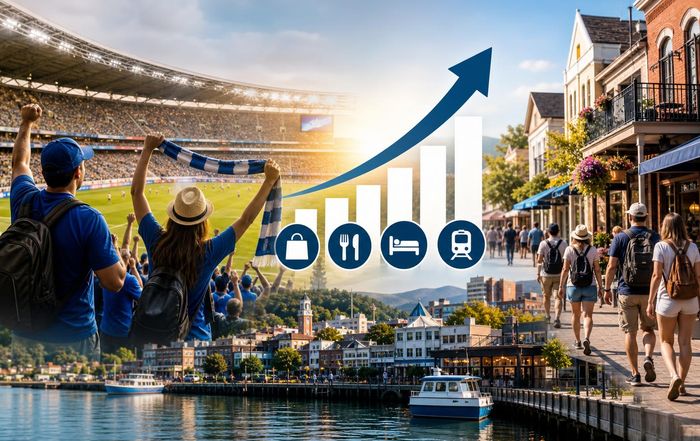
The most visible benefit of sports tourism to local economies is the immediate injection of visitor spending into host communities, as traveling athletes, fans, media, and event staff allocate significant budgets to accommodation, food and beverage, local transport, entertainment, and retail purchases, often at higher per-day rates than average leisure tourists due to compressed event schedules and premium experiences. Research from WTTC (World Travel & Tourism Council) shows that tourism spending has a powerful multiplier effect, with every unit of direct expenditure generating additional indirect and induced economic activity in supply chains and household consumption, and this effect is amplified when events draw visitors from high-spending markets such as North America, Western Europe, Japan, and Australia; further details on this multiplier effect can be found through the WTTC economic impact reports.
In practical terms, a mid-sized international sports event hosted in cities such as Munich, Toronto, or Melbourne can bring tens of thousands of visitors over a short period, resulting in near-full hotel occupancy, increased revenue for short-term rentals, and elevated turnover for restaurants, bars, and local attractions, while destination managers in markets like Spain, France, and Thailand have learned to package sports events with cultural and lifestyle offerings, encouraging visitors to extend their stays and spend more broadly across the local economy. On SportyFusion.com, where readers follow both business and lifestyle trends, this direct spending represents the most tangible and measurable benefit, forming the basis for economic impact assessments used to justify investments in new venues and event bids.
Job Creation and Skills Development Across the Value Chain
Sports tourism supports employment not only in frontline hospitality roles, but across a wide ecosystem that includes event management, marketing, security, transportation, broadcasting, technology, and sports performance services, with jobs ranging from short-term event contracts to long-term careers in venue operations, destination management, and sports administration. According to labor market analyses from the International Labour Organization (ILO), tourism-related sectors are among the most significant employers of young people and women worldwide, and sports tourism has emerged as a dynamic sub-sector that offers relatively accessible entry points along with pathways to higher-skilled roles in digital media, data analytics, and sport science; more information on tourism employment trends can be found through the ILO's work on tourism and jobs.
For local communities, this means that hosting recurring sports events can catalyze the development of specialized skills, from multilingual customer service and crowd management to sports event production and performance analysis, which in turn enhances the competitiveness of the destination in the broader tourism and events market. Platforms such as SportyFusion.com increasingly highlight how sports tourism intersects with jobs and performance, as local workers and entrepreneurs leverage event experience to build careers in coaching, personal training, physiotherapy, sports technology integration, and fan engagement, while universities and vocational institutes in countries like Germany, Canada, and Singapore are expanding programs in sports management and events logistics to meet this growing demand.
Infrastructure Investment and Urban Regeneration
One of the most enduring legacies of sports tourism is the development and upgrading of infrastructure, not only in terms of stadiums and arenas, but also in transportation networks, digital connectivity, public spaces, and community sports facilities that can serve residents long after the final whistle. The experience of host cities like London, Barcelona, and Tokyo has demonstrated that, when planned with long-term community needs in mind, sports-driven infrastructure investment can accelerate urban regeneration, improve mobility, and enhance the overall quality of life, while also elevating the city's profile as a destination for business and leisure travel. Analyses from OECD on how major events influence urban development underscore that careful planning, governance, and legacy strategies are essential to avoid white-elephant facilities and unsustainable debt; interested readers can review these insights via the OECD's work on major events and local development.
For SportyFusion.com, which frequently covers the intersection of technology, environment, and culture, the most compelling examples of infrastructure legacy are those that integrate smart mobility, green building standards, and inclusive design, such as multi-use venues that host sports, concerts, and community events, or urban districts that combine arenas with parks, cycling routes, and mixed-use developments. In markets from South Korea and Japan to Brazil and South Africa, sports tourism has been used as a catalyst to upgrade airports, rail links, and digital infrastructure, thereby improving the competitiveness of the destination for conferences, exhibitions, and global business operations.
Strengthening Local Businesses and Entrepreneurial Ecosystems
Sports tourism acts as a powerful accelerator for local entrepreneurship, offering small and medium-sized enterprises (SMEs) opportunities to supply goods and services ranging from catering and merchandising to transportation, fan experiences, and digital content, while also creating a platform for local brands to gain exposure to international audiences. Research by McKinsey & Company and other consulting firms has shown that major sports events can boost revenues for local SMEs in hospitality, retail, and creative industries, particularly when organizers design inclusive procurement policies and fan engagement programs that highlight local products and culture; for a deeper exploration of how events can support SME growth, readers may refer to McKinsey's insights on tourism and local economies.
In practice, cities that have successfully leveraged sports tourism for local business development, such as Austin, Copenhagen, and Vancouver, have done so by integrating local food, music, and creative industries into the event experience, establishing marketplaces, pop-up venues, and digital platforms that allow visitors to discover and purchase from local vendors. For the SportyFusion.com audience, which follows brands and innovation closely, this environment has encouraged the emergence of niche sportswear labels, performance nutrition companies, and fan-experience startups that can test and scale their offerings in the intense, feedback-rich environment of major events, while also benefiting from partnerships with global organizations like Nike, Adidas, PUMA, and Red Bull, which increasingly seek authentic local collaborations.
Health, Fitness, and the Growth of Active Travel
Beyond the economic metrics, sports tourism is deeply intertwined with rising global interest in health, fitness, and active lifestyles, as travelers increasingly seek experiences that combine physical activity, mental wellbeing, and cultural exploration, from marathons and triathlons to cycling tours, hiking expeditions, and wellness retreats. Data from the World Health Organization (WHO) has consistently highlighted the importance of physical activity in preventing noncommunicable diseases and improving mental health, and destinations that promote active travel and participation-based sports tourism can therefore position themselves not only as leisure hubs but as partners in public health; more on the global benefits of physical activity can be found via the WHO physical activity fact sheets.
For the research and editorial team which covers health, fitness, and training, sports tourism aligns naturally with the platform's mission to highlight performance and wellbeing, as events such as city marathons in Berlin, New York, and Tokyo, or cycling festivals in Italy, France, and Netherlands, not only draw international participants but also inspire local residents to adopt more active lifestyles. This shift can have positive long-term economic implications, as healthier populations tend to be more productive and impose lower burdens on healthcare systems, while sports-oriented travel can encourage repeat visitation and brand loyalty to destinations that successfully combine athletic challenge with cultural richness and environmental stewardship.
Cultural Exchange, City Branding, and Soft Power
Sports tourism also functions as a powerful vehicle for cultural exchange and city branding, allowing destinations to project their identity, values, and creative energy to global audiences through the narratives and images associated with major events, from opening ceremonies and fan festivals to street culture and local hospitality. Organizations such as UNESCO have long emphasized the role of sport and culture in fostering mutual understanding, social cohesion, and peace, and sports tourism amplifies these dynamics by bringing together fans and participants from diverse backgrounds in shared spaces and shared experiences; readers can explore these themes further on the UNESCO sport and physical education portal.
Cities that have strategically used sports tourism to enhance their global image, such as London, Sydney, and Doha, have invested heavily in storytelling, design, and cultural programming that frames sport as an expression of local heritage and contemporary creativity, thereby differentiating themselves in a crowded global tourism market. For SportyFusion.com, which frequently explores culture and social dynamics, this aspect of sports tourism is particularly significant, because it highlights how events can challenge stereotypes, showcase diversity, and build long-term affinity between visitors and host communities, creating intangible but powerful forms of soft power that can support broader diplomatic and economic objectives.
Technology, Data, and the Smart Event Economy
By 2026, digital transformation has become a defining feature of sports tourism, as host cities and organizers deploy advanced technologies to enhance fan experiences, optimize operations, and generate new revenue streams, while also collecting data that informs long-term planning and investment decisions. From mobile ticketing, cashless payments, and augmented reality fan engagement to smart crowd management, 5G-enabled broadcasting, and carbon-tracking tools, the integration of technology allows destinations to deliver seamless, personalized, and secure experiences that meet the expectations of digitally savvy travelers across North America, Europe, and Asia. Industry leaders such as Deloitte have documented how data-driven event strategies can improve profitability and resilience, and those interested can explore these trends in more depth through Deloitte's sports industry outlooks.
For the sports media community, which follows technology, gaming, and performance analytics closely, the rise of smart venues and hybrid physical-digital experiences has opened new possibilities for both traditional sports and esports tourism, with destinations like Seoul, Tokyo, and Los Angeles positioning themselves as global hubs for competitive gaming events. This convergence of sport, entertainment, and technology creates opportunities for local tech startups, content creators, and data specialists, further deepening the economic impact of sports tourism by anchoring it within the broader innovation ecosystem of the city or region.
Sustainability, Ethics, and Community Trust
As sports tourism grows in scale and complexity, questions of sustainability, ethics, and community impact have become central to its long-term legitimacy, with local residents, advocacy groups, and global audiences increasingly scrutinizing the environmental footprint, labor practices, and governance frameworks of major events. Organizations such as the International Olympic Committee (IOC) and FIFA have introduced sustainability and human rights requirements into their bidding and hosting processes, while standards like the ISO 20121 Event Sustainability Management System provide frameworks for organizers and cities to design and deliver events that minimize negative impacts and maximize positive legacies; those interested in sustainable event management can learn more through the ISO 20121 overview.
Our team which dedicates 100% original stories to environment and ethics, the credibility of sports tourism depends on transparent decision-making, community consultation, and responsible use of public funds, as well as serious commitments to reducing carbon emissions, managing waste, and ensuring fair labor conditions in construction and event operations. Destinations that have embraced these principles, such as Copenhagen, Stockholm, and Vancouver, are increasingly favored by rights holders and travelers who prioritize sustainability, while those that ignore community concerns risk reputational damage and social resistance that can undermine the very economic benefits they seek to achieve.
Integrating Sports Tourism into Broader Economic Strategy
To fully realize the benefits of sports tourism, cities and regions are learning that events must be integrated into broader economic, social, and environmental strategies, rather than treated as isolated spectacles, and this requires coordinated planning across tourism boards, sports federations, urban planners, business councils, and community organizations. Reports from the World Bank emphasize that successful event-driven development hinges on good governance, realistic financial modeling, and alignment with local needs, particularly in emerging markets in Africa, Asia, and South America where infrastructure gaps and social inequalities can be both challenges and opportunities; further analysis is available through the World Bank's work on tourism for development.
For the editorial team and readers here, which operates at the intersection of news, business, and global world trends, this integrated approach is where the future of sports tourism will be decided, as stakeholders move from short-term visitor counts to long-term value creation measured in jobs, skills, health outcomes, environmental resilience, and social cohesion. Cities that embed sports tourism within strategies for innovation, creative industries, education, and sustainable urban development are likely to capture the most enduring benefits, while also offering richer, more authentic experiences to visitors who seek more than a ticket to a game.
How we try to Help in Shaping the Future
In this evolving landscape, new independent websites such as SportyFusion play a critical role in shaping how sports tourism is understood, debated, and ultimately delivered, by providing a space where insights from athletes, coaches, economists, urban planners, technologists, and community leaders can converge, and where readers can explore the multifaceted connections between sport, health, culture, business, and the environment. Through in-depth painstaking written daily features of sports, fitness, health, and beyond, the platform helps decision-makers and fans alike appreciate that behind every successful sports event lies a complex ecosystem of local workers, entrepreneurs, public institutions, and global partners whose collaboration determines whether the promised economic benefits are realized.
As the world moves further into 2026, with major events scheduled across North America, Europe, Asia, and emerging hubs in Africa and South America, the conversation is shifting from whether sports tourism benefits local economies to how those benefits can be distributed more fairly, managed more sustainably, and leveraged more strategically, and this is precisely the conversation that SportyFusion is positioned to lead. By continuing to highlight best practices, critical perspectives, and innovative models from cities and regions worldwide, the platform can help ensure that sports tourism remains not only a driver of economic growth, but also a catalyst for healthier, more inclusive, and more resilient communities that see themselves not merely as hosts of events, but as active partners in a global movement where sport, travel, and human potential are inextricably linked.