

The Influence of Colonial History on Sport in Africa
Reframing African Sport: From Colonial Legacy to Global Powerhouse
African sport stands at a pivotal moment, shaped by a century of colonial interference yet increasingly defined by African agency, innovation and global influence. The story that SportyFusion tells its readers is not simply about football stadiums, medal counts or sponsorship deals; it is about how power, identity, economics and culture intersect on playing fields from Lagos to Johannesburg and from Accra to Nairobi. Understanding the influence of colonial history on sport in Africa is essential for grasping why certain games dominate, why particular nations excel, and why sport has become such a powerful arena for debates about justice, representation and development across the continent and the wider world.
For business leaders, policymakers, performance experts and fans who follow the evolving ecosystem through platforms such as the SportyFusion business hub, this historical lens provides a strategic advantage. It reveals why some markets are maturing faster than others, why talent pipelines often flow out of Africa rather than being fully monetised at home, and why ethical questions around labour, migration and governance are now central to the global sports conversation. By tracing the evolution from colonial control to contemporary African leadership, the contours of future opportunity and responsibility become much clearer.
Colonialism as Architect of Sporting Landscapes
Colonial rule in Africa did not merely introduce new sports; it restructured physical culture, leisure and social hierarchy. European colonial administrations and missionary organisations used games as tools of discipline, evangelisation and control, embedding sport within schools, military barracks, church missions and mining compounds. Football, rugby, cricket, athletics and boxing were imported not as neutral pastimes but as instruments of cultural power and social engineering. The historical record preserved by institutions such as the International Olympic Committee and research from universities like SOAS University of London shows how colonial authorities framed sport as a means of "civilising" African populations while simultaneously reinforcing racial segregation and labour hierarchies.
In British-controlled territories, football and cricket were encouraged among African elites and mission-educated youth to cultivate loyalty to imperial values, while rugby often remained the preserve of white settlers and colonial officials, particularly in Southern Africa. In French and Belgian colonies, sport was closely tied to assimilationist policies, with clubs and competitions structured to reward those who embraced European language and culture. Portuguese rule, especially in Angola and Mozambique, used football clubs as both surveillance spaces and limited outlets for urban African expression. Across these varied contexts, colonial governments regulated access to facilities, restricted multi-racial competition and channelled resources toward white or settler clubs, leaving African communities to improvise their own informal pitches, equipment and organisational structures.
The legacy of this unequal infrastructure still shapes contemporary investment patterns. Many of the most prestigious urban stadiums in countries such as South Africa, Kenya and Ghana trace their origins to colonial or early post-colonial eras, and modern refurbishment efforts, often supported by organisations like FIFA and the Confederation of African Football, must contend with spatial layouts and ownership structures inherited from that period. For readers of SportyFusion world coverage, this historical view explains why certain cities emerged as regional sporting capitals and why rural and township facilities still lag behind, despite the continent's extraordinary talent base.
Football: From Colonial Import to Continental Identity
No sport better illustrates the complex influence of colonial history in Africa than football. Introduced in the late nineteenth and early twentieth centuries by British sailors, soldiers, missionaries and traders, the game rapidly took root in port cities such as Lagos, Accra, Cape Town and Alexandria. Colonial schools and mission stations institutionalised football as part of the curriculum, while African workers adapted it in mining compounds, rail camps and urban neighbourhoods. Over time, African players and fans appropriated the sport, infusing it with local styles, rhythms and rivalries that often subverted the very hierarchies colonial authorities sought to maintain.
By the mid-twentieth century, football had become a vehicle for political mobilisation and anti-colonial sentiment. Clubs in North and West Africa, including those that would later feed national teams like Algeria, Ghana and Nigeria, served as semi-clandestine spaces where activists, trade unionists and community leaders could meet and organise. Historical analyses by organisations such as UNESCO highlight how football stadiums hosted nationalist rallies, while victories against colonial or European teams were celebrated as symbolic blows against imperial dominance. In this sense, the sport helped forge a shared sense of African pride long before formal independence was achieved.
In 2026, the legacy of that transformation is visible in the centrality of football to African culture and economy. The Africa Cup of Nations is not only a major sporting event but also a platform for branding, tourism, and diplomatic soft power, drawing the attention of global broadcasters and sponsors. European clubs in leagues documented by UEFA rely heavily on African talent, from the English Premier League to the Bundesliga and Ligue 1, reinforcing transcontinental labour flows that began in the colonial era when African players first crossed to Europe under highly unequal conditions. Today, the ethical and commercial dimensions of this migration are scrutinised more closely, with organisations like FIFPRO raising concerns about exploitation and trafficking of young players, while African federations and clubs seek to capture more value from the development pathways they provide.
For SportyFusion readers following sports industry trends and performance analytics, the challenge is to understand how colonial-era inequalities in infrastructure and bargaining power still shape transfer markets, broadcast rights and grassroots investment. The dominance of European leagues in African viewing habits, a direct echo of colonial cultural influence, continues to divert attention and revenue away from domestic competitions, even as African broadcasters and digital platforms attempt to build more sustainable local ecosystems.
Rugby, Cricket and the Persistence of Colonial Hierarchies
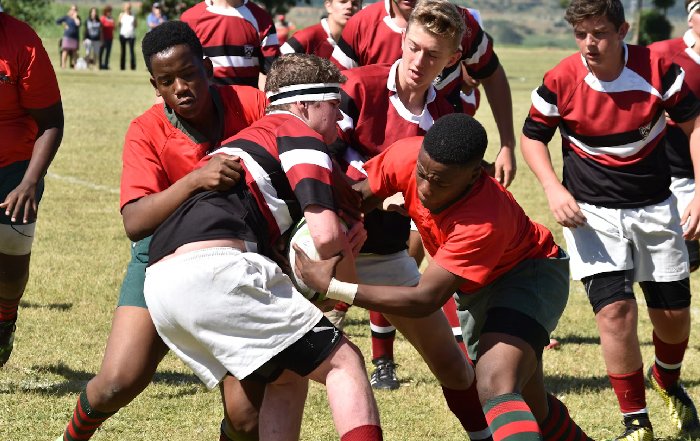
While football has become a pan-African passion, rugby and cricket remain more unevenly distributed, largely reflecting the patterns of British and settler colonialism. In countries such as South Africa, Kenya, Zimbabwe and Namibia, rugby was historically associated with white and, in some cases, elite minority communities, serving as a marker of social status and political allegiance. Under apartheid, South African rugby became a potent symbol of white nationalism, with black and coloured players systematically excluded from top-level competition and facilities. The international sports boycott, supported by bodies such as the United Nations and advocacy groups across the Commonwealth, used rugby and cricket sanctions as tools to pressure the regime, demonstrating how colonial-era sports could be repurposed as instruments of global justice campaigns.
The post-apartheid transformation of rugby in South Africa, culminating in World Cup triumphs and the elevation of black captains and stars, illustrates both the enduring weight of colonial and racial hierarchies and the possibility of reimagining them. Governing bodies like World Rugby and the International Cricket Council have invested in development programmes across Africa, yet the distribution of high-performance facilities, professional leagues and commercial opportunities still tends to favour former settler colonies and Anglophone regions. For African athletes in Francophone or Lusophone countries, access to elite rugby and cricket remains limited, a reminder that colonial language and administrative patterns still shape sporting opportunity in 2026.
Businesses, sponsors and technology partners that engage with African rugby and cricket must therefore navigate a terrain where historical privilege and contemporary transformation coexist. Through the lens of SportyFusion culture analysis, it becomes clear that supporting inclusive pathways, community clubs and school programmes is not simply a matter of corporate social responsibility but a strategic investment in expanding fan bases and diversifying talent pools beyond traditional enclaves.
Colonial Education, Mission Schools and the Making of Athletic Elites
Colonial education systems played a decisive role in structuring who gained access to organised sport and under what conditions. Mission schools and elite colonial colleges, many of which evolved into today's leading African universities, integrated sports such as athletics, football, netball and field hockey into their curricula. However, these institutions were often reserved for a small segment of the African population deemed suitable for clerical, teaching or administrative roles within the colonial apparatus. This selective inclusion created early sporting elites whose social capital, language skills and connections facilitated post-independence leadership positions in national federations, ministries and Olympic committees.
Research from bodies like the African Union and the World Bank underscores how these early advantages translated into uneven national capacities to manage sport as a development tool. Countries with stronger colonial-era school systems and missionary networks, such as Kenya in distance running or Nigeria and Ghana in football, were often better positioned to build structured talent identification and training programmes after independence. Those with weaker or more extractive colonial education systems faced greater challenges in creating sustainable pipelines of coaches, administrators and sports scientists.
In 2026, African governments and private stakeholders increasingly recognise that high-performance success requires integrated systems that connect schools, community clubs and elite academies. Platforms like SportyFusion training insights highlight how modern sports science, data analytics and strength and conditioning programmes can help level the playing field, but these must be layered onto educational and social infrastructures whose foundations were laid in the colonial period. Addressing historical imbalances in access to quality physical education, especially for girls and rural communities, remains a critical task for those committed to inclusive growth.
Sport, Labour and Post-Colonial Migration
The colonial economy treated African bodies as labour resources, and sport was no exception. From the early twentieth century, colonial clubs and companies recruited African athletes to entertain workers, promote discipline and, in some cases, represent colonial territories in competitions that reinforced imperial prestige. Over time, talented individuals began to move across borders within Africa and to Europe, often under contracts that offered limited protection or bargaining power. This pattern intensified after independence, as European clubs sought inexpensive talent from Africa while domestic leagues remained underfunded and poorly regulated.
By the early twenty-first century, the globalisation of sport had transformed this legacy into a complex labour migration system. Studies by organisations such as the International Labour Organization and the International Organization for Migration document how young African footballers, in particular, are recruited by agents and academies that promise pathways to European or Asian leagues but sometimes deliver exploitation or abandonment. The historical asymmetry between African and European sporting institutions, rooted in colonial hierarchies of wealth and governance, continues to shape these dynamics, even as some African clubs and federations gain greater negotiating power.
For readers engaged with SportyFusion jobs and careers coverage, this context is crucial for evaluating emerging opportunities in athlete representation, sports law, data analytics and player welfare services. As African governments tighten regulations around youth academies and cross-border transfers, and as international bodies push for ethical recruitment standards, there is growing demand for professionals who combine legal expertise, cultural understanding and a commitment to athlete rights. Building trustworthy ecosystems that protect young talent while enabling legitimate pathways to global competition is one of the most important ways to transform the colonial legacy of extractive labour into a more balanced and sustainable model.
Media, Technology and the Rewriting of Narrative Power
Colonial powers controlled not only the fields and stadiums of African sport but also the narratives that surrounded them, using newspapers, radio and early film to portray African athletes in stereotypical or paternalistic ways. Post-independence state broadcasters often inherited these structures, replicating centralised control and limited regional representation. However, the digital revolution of the last two decades has dramatically shifted the balance of media power, enabling African journalists, creators and fans to tell their own stories through online platforms, streaming services and social media.
In 2026, technology companies, broadcasters and data analytics firms are deeply embedded in African sport, from live-streaming local leagues to deploying performance-tracking wearables and AI-based scouting tools. Industry analysis by organisations like Deloitte and PwC highlights Africa as a growth frontier for sports media and gaming, with younger demographics and mobile-first consumption patterns driving innovation. This technological shift offers a chance to counteract colonial-era narrative dominance by elevating African voices, languages and perspectives in coverage of global events such as the Olympic Games, the FIFA World Cup and major esports tournaments.
For a platform like SportyFusion technology and gaming verticals and gaming coverage, the opportunity lies in combining rigorous analysis with locally grounded storytelling that respects the historical context of sport in Africa while embracing cutting-edge tools. Advanced data visualisation, interactive fan engagement and cross-border collaborations can all contribute to a media ecosystem in which African athletes and communities are not merely subjects of external observation but active shapers of global sports culture. In doing so, technology becomes a means of redressing, rather than reinforcing, colonial imbalances in representation and influence.
Health, Ethics and the Responsibility to Protect Athletes
Colonial administrations rarely prioritised the long-term health or welfare of African athletes; physical performance was valued primarily for its immediate utility to labour or spectacle. Medical care, nutritional support and injury management were rudimentary and often segregated along racial lines. Although sports medicine has advanced enormously since then, echoes of this neglect persist in under-resourced health systems, inadequate concussion protocols, and limited post-career support for retired players across many African countries.
Global health authorities such as the World Health Organization and regional bodies like the Africa Centres for Disease Control and Prevention increasingly recognise the dual role of sport as both a promoter of public health and a potential source of injury and stress if not properly regulated. Contemporary debates around doping, age fraud, match-fixing and gender eligibility also intersect with historical patterns of exploitation and discrimination. For example, controversies over sex testing and eligibility rules in athletics have disproportionately affected African women, raising serious ethical questions about privacy, consent and cultural bias that echo colonial-era attempts to regulate and categorise African bodies.
Within the SportyFusion health and ethics sections, these issues are not treated as abstract policy questions but as core elements of trustworthiness in the sports ecosystem. Professional clubs, national federations, sponsors and technology providers all share responsibility for ensuring that athlete welfare is not sacrificed for short-term performance or profit. Comprehensive medical screening, mental health support, transparent anti-doping regimes and clear grievance mechanisms are essential pillars of a more ethical sporting landscape, one that explicitly rejects the instrumental view of African bodies that characterised much of the colonial period.
Environment, Infrastructure and Sustainable Development
Colonial infrastructure in Africa was built primarily to extract resources rather than to serve local communities, and early stadiums and sports facilities reflected that logic. Large venues were often sited to serve settler populations or showcase imperial prestige, with little attention to environmental sustainability or inclusive access. In an era of climate change and resource constraints, this legacy poses both challenges and opportunities for African sport. Many facilities require expensive retrofitting to meet modern standards of safety, accessibility and environmental performance, while new projects must balance ambitions for global events with local needs and ecological realities.
International frameworks promoted by organisations such as the United Nations Environment Programme and the International Union for Conservation of Nature emphasise sustainable construction, energy efficiency and climate resilience in sports infrastructure. For African cities aspiring to host major tournaments or to develop year-round training hubs, integrating green design, public transport connectivity and community access is no longer optional but central to long-term viability. This shift aligns with the growing interest among SportyFusion readers in environmental impact and responsible urban development.
Sustainable sport infrastructure can also help correct historical inequities by prioritising multi-purpose community centres, safe public spaces for women and youth, and facilities in underserved regions rather than concentrating investment in elite enclaves. When combined with local manufacturing of equipment, renewable energy solutions and circular economy principles, the sports sector can become a driver of green jobs and innovation rather than a drain on public resources. In this way, the environmental agenda intersects directly with the broader project of decolonising sport in Africa, shifting the focus from extractive mega-projects to inclusive, community-centred design.
Culture, Identity and the Decolonisation of Sporting Values
Colonial authorities promoted European sports as superior to indigenous African games, often dismissing local wrestling, stick-fighting, dance-based competitions and traditional endurance tests as primitive or unproductive. Over time, this hierarchy contributed to the marginalisation of indigenous physical cultures and the internalisation of foreign norms regarding discipline, masculinity, femininity and success. Yet across the continent, communities have maintained and revived traditional sports, integrating them into festivals, schools and even formal competitions, challenging the colonial narrative that equates modernity with foreignness.
Cultural organisations and scholars, including those documented by the British Museum and regional heritage bodies, have highlighted the richness of African sporting traditions and their potential to inspire contemporary approaches to training, wellness and community cohesion. For example, traditional wrestling in Senegal and Nigeria has evolved into professional circuits that attract significant audiences and sponsorship, while indigenous martial arts and dance forms are increasingly incorporated into fitness programmes and performance training. Within SportyFusion lifestyle and culture coverage, these developments are framed not as nostalgic curiosities but as dynamic elements of a broader movement to decolonise sport and reclaim African agency over bodies, narratives and values.
This cultural decolonisation extends to fan behaviour, fashion, music and digital expression. African supporters remix global sports cultures with local languages, chants and aesthetics, creating hybrid identities that reflect both historical entanglements and contemporary creativity. Brands that recognise and respect this complexity, rather than imposing homogenised global campaigns, are better positioned to build authentic connections and long-term loyalty. In this sense, cultural intelligence becomes as critical to success in African sports markets as financial investment or technological capability.
Toward a More Equitable Future: Lessons for Business and Policy
The influence of colonial history on sport in Africa is not a static backdrop but an active force that continues to shape decisions about investment, governance, talent development and fan engagement. For executives, policymakers and innovators who follow the sector through platforms like SportyFusion news and the main SportyFusion portal, several lessons emerge from this long and complex story.
First, historical awareness is a strategic asset. Understanding how colonial infrastructures, education systems and labour practices created enduring inequalities helps explain current market dynamics and points to where targeted interventions-such as supporting grassroots facilities, women's sport or local media production-can generate both social impact and competitive advantage. Second, ethical leadership is non-negotiable. The exploitation of African athletes, whether through opaque contracts, unsafe working conditions or intrusive medical practices, is not only morally indefensible but also unsustainable in an era of heightened scrutiny and digital transparency.
Third, partnership models must move beyond extractive logics. Whether in football academies, broadcasting deals or technology pilots, arrangements that simply channel African talent and audiences toward external benefits replicate colonial-era patterns and invite backlash. Collaborative frameworks that share revenue fairly, build local capacity and prioritise knowledge transfer are better aligned with the aspirations of a young, connected and increasingly assertive African population. Finally, sport should be recognised as a cross-cutting lever for development, intersecting with health, education, jobs, environment and social cohesion in ways that demand integrated policymaking rather than siloed approaches.
In charting this path forward, African athletes, administrators, entrepreneurs and fans are not starting from zero; they are drawing on a deep history of resistance, creativity and adaptation that has already transformed colonial tools into instruments of liberation and pride. The task for 2026 and beyond is to consolidate these gains, address persistent injustices and ensure that the next chapter of African sport is written on terms defined by Africans themselves. As SportyFusion continues to analyse this evolving landscape across its coverage of fitness, business, culture, technology and social change, the commitment is to provide the experience, expertise and trustworthy insight that such a consequential transformation deserves.