

The Strategic Value of Active Recovery After Intense Exercise in 2026
Active Recovery as a Performance and Business Imperative
By 2026, active recovery has moved from being a marginal concept in sports science to a central pillar of performance strategy for athletes, fitness enthusiasts and forward-looking organizations. Across elite training centers in the United States, community clubs in Europe, and rapidly expanding performance hubs in Asia, coaches and executives increasingly recognize that how the body is managed in the hours and days after intense exercise often determines whether gains are consolidated, injuries are avoided and long-term performance is sustained. For a performance-focused platform like SportyFusion-which connects insights across sports, fitness, health and business-active recovery is no longer a niche topic; it is a strategic lens through which training, technology, culture and commercial opportunity are being redefined.
Active recovery refers to low-intensity movement and physiological down-regulation strategies performed after or between demanding sessions, designed to accelerate restoration, support adaptation and protect long-term health. Rather than viewing rest as a passive state, modern performance models treat recovery as an active, data-informed process that can be designed, monitored and optimized. As organizations from Premier League football clubs to NBA franchises and leading Olympic programs integrate recovery science into their competitive models, the implications extend far beyond elite sport, influencing how fitness chains, digital health platforms, apparel brands and corporate wellness leaders build products, services and workplace cultures around sustainable performance.
The Science Behind Active Recovery and Adaptation
The physiological rationale for active recovery is grounded in a deeper understanding of how the body responds to training stress. Intense exercise disrupts homeostasis, creating micro-damage in muscle tissue, depleting glycogen stores, elevating stress hormones and triggering an inflammatory cascade that, when managed effectively, leads to adaptation and improved performance. When mismanaged, however, these same processes can contribute to overtraining, injury and burnout. Institutions such as the American College of Sports Medicine and the National Strength and Conditioning Association have highlighted the importance of structured recovery as a core component of evidence-based training. Learn more about exercise and recovery recommendations.
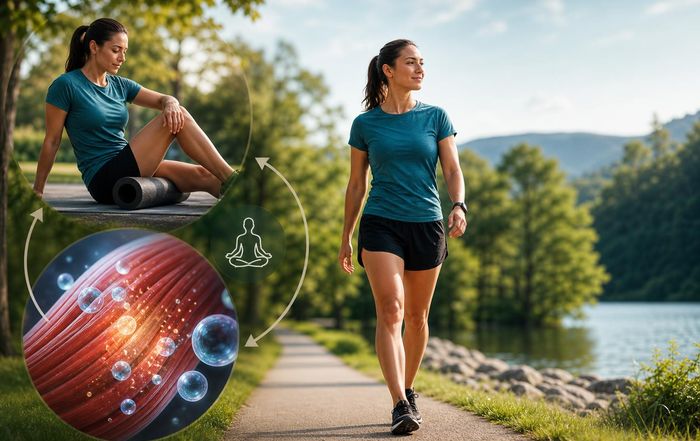
Active recovery, whether in the form of low-intensity cycling, walking, mobility work or water-based movement, supports enhanced blood flow, which can facilitate the removal of metabolic by-products and the delivery of nutrients to damaged tissues. At the same time, controlled movement helps maintain joint range of motion and neuromuscular coordination without adding significant load to stressed systems. Research shared by organizations such as the National Institutes of Health and PubMed has increasingly explored how these mechanisms contribute to improved readiness and reduced delayed-onset muscle soreness, particularly when active recovery is integrated systematically into training microcycles. Readers can explore current findings through resources on exercise-induced muscle damage and recovery.
In 2026, the conversation has moved beyond simple binary debates over whether active or passive recovery is "better," toward a more nuanced understanding of context. Endurance athletes in Germany, Norway and Kenya may benefit from short bouts of low-intensity movement immediately after high-volume sessions, while strength and power athletes in the United States, Canada and Australia might prioritize active recovery on separate days to support connective tissue resilience and neuromuscular recalibration. The key is individualization, informed by data and guided by expertise, a theme that aligns closely with the performance ethos at SportyFusion Performance.
Global Training Cultures and Evolving Recovery Norms
Different sporting cultures around the world have historically framed recovery through their own traditions, but by 2026, a convergence is visible as data and global best practices circulate more rapidly. In Japan and South Korea, long respected for their disciplined training cultures, elite programs are now embedding structured active recovery protocols into daily routines, blending modern sports science with traditional practices such as low-intensity martial arts forms and mindful movement. In the United Kingdom, France and Italy, football academies and rugby clubs have formalized recovery blocks in their weekly schedules, supported by performance departments that monitor training load, sleep and subjective wellbeing with increasing sophistication.
In North America, major professional leagues and collegiate programs have invested heavily in recovery infrastructure, including hydrotherapy zones, mobility studios and integrated sports science units. Organizations such as USA Track & Field and Hockey Canada disseminate guidelines that emphasize periodized recovery, encouraging athletes to treat low-intensity movement days and post-session cool-downs as non-negotiable components of their performance plans. For a global audience that follows world sport and culture through SportyFusion, these shifts illustrate how high-performance environments are redefining what "hard work" looks like, balancing intensity with intelligent restoration.
In emerging sports markets across Asia, Africa and South America, the integration of active recovery is also accelerating as federations and clubs gain access to international expertise and technology. Partnerships between local organizations and global bodies such as the International Olympic Committee and FIFA are helping to standardize best practices. Those interested can explore broader perspectives on global athlete health and safety. The result is a more level playing field in which access to recovery knowledge becomes a competitive differentiator, not just for athletes but for the ecosystems of coaches, therapists, technologists and business leaders that support them.
Technology, Data and the Quantified Recovery Era
The rise of connected devices and advanced analytics has transformed recovery from a subjective art into a quantifiable, trackable process. Wearables from companies such as Garmin, Apple, Polar and WHOOP continuously measure heart rate variability, sleep quality, movement patterns and stress responses, providing real-time indicators of readiness and recovery status. Platforms like Apple Health and Google Fit integrate these data streams into actionable dashboards, allowing athletes and recreational users to visualize how active recovery sessions influence their overall training load. Learn more about heart rate variability and training readiness.
For SportyFusion's technology-minded readers following sports technology trends, the key development in 2026 is not simply the proliferation of sensors, but the sophistication of interpretation. Machine learning models, trained on large datasets from diverse populations across Europe, Asia and North America, now provide personalized recommendations that suggest when to substitute a planned high-intensity workout with an active recovery session, or when to extend low-intensity movement following a particularly demanding competition. Organizations such as MIT Sports Lab and Stanford Human Performance Alliance have contributed to these advances, investigating how multi-modal data can predict injury risk and optimize training decisions. Readers can explore more on sports analytics and human performance research.
In professional environments, integrated athlete management systems aggregate GPS data, internal load metrics and wellness questionnaires, enabling performance staff to prescribe active recovery blocks with precision. In corporate wellness programs, digital platforms encourage employees in Singapore, Denmark and Switzerland to incorporate short walking sessions, mobility breaks and guided breathing into their workdays, reframing active recovery as a productivity-enhancing tool rather than a luxury. Resources from organizations such as the World Health Organization and the Centers for Disease Control and Prevention highlight how regular low-intensity activity supports cardiometabolic health and resilience. Learn more about physical activity and workplace health.
Business Models Built Around Recovery and Regeneration
The commercial landscape around active recovery has expanded rapidly, creating new sectors and reshaping existing ones. In 2026, recovery-focused studios, contrast-therapy centers and mobility clinics operate alongside traditional gyms in cities from New York and London to Berlin, Tokyo and Sydney. Fitness brands, influenced by the same performance logic that guides elite sport, now market memberships and digital subscriptions that integrate structured recovery plans, mobility libraries and guided active sessions alongside high-intensity offerings. This shift resonates strongly with SportyFusion's business readership, who track how consumer expectations around health and performance are evolving.
Major sportswear and equipment companies, including Nike, Adidas, Puma and Under Armour, have extended their product portfolios to include recovery-centric apparel, footwear and devices. Compression garments, recovery sandals, massage tools and smart textiles with temperature-regulating properties are marketed not only to elite athletes but to everyday consumers in Brazil, South Africa, Malaysia and New Zealand seeking structured regeneration after training or long workdays. Learn more about innovation in sportswear and recovery technologies.
At the same time, digital health companies and telemedicine platforms are integrating recovery education into broader musculoskeletal and chronic disease programs. Organizations such as Mayo Clinic and Cleveland Clinic provide guidance on safe exercise progression, emphasizing the role of active recovery in injury rehabilitation and long-term function. For professionals navigating careers in performance, wellness and sports technology, these developments create new job categories in recovery coaching, digital content creation, product design and data science, where expertise in both training and regeneration is increasingly valuable.
Health, Longevity and the Everyday Athlete
While active recovery is often discussed in the context of elite performance, its greatest long-term value may lie in the broader population of recreational athletes and health-conscious individuals who form the core of SportyFusion's global community. In 2026, sedentary lifestyles, long working hours and digital overload remain persistent challenges in many countries, from the United States and United Kingdom to China and India, and sudden engagement in high-intensity exercise without adequate preparation or recovery can exacerbate injury risk and discouragement. Public health organizations, including the World Health Organization and national health services, now emphasize gradual progression and regular low-intensity activity as essential components of sustainable active living. Learn more about global physical activity guidelines.
For the everyday runner in Amsterdam, the office worker in Singapore who trains in the evening, or the weekend cyclist in Cape Town, active recovery can take the form of easy walking, light cycling, yoga, mobility drills or even playful movement with family, all performed at intensities that feel restorative rather than taxing. These practices help maintain consistency, reduce soreness and support mental wellbeing, which is increasingly recognized as a key dimension of performance. Readers exploring SportyFusion's lifestyle and health sections will find that the line between training and daily life is becoming more fluid, as recovery habits extend beyond the gym or track into commuting choices, break structures and evening routines.
The longevity conversation is also reshaping how active recovery is framed. As more people in Japan, Italy, Spain and the Nordic countries prioritize healthy aging, the integration of low-intensity movement, balance work and joint-friendly activities between more strenuous sessions is seen as a long-term investment in functional independence. Institutions such as Harvard Medical School and Johns Hopkins Medicine have highlighted the role of regular movement and moderated intensity in preserving musculoskeletal and cardiovascular health across the lifespan. Learn more about exercise and healthy aging. For SportyFusion, which serves readers across generations, the message is clear: active recovery is not only about tomorrow's performance but also about the capacity to remain active and engaged decades into the future.
Culture, Ethics and the Changing Narrative of Hard Work
Culturally, the rise of active recovery challenges long-standing narratives that equate success solely with relentless intensity and "no days off" mentalities. In locker rooms, online communities and corporate boardrooms, a more nuanced understanding of effort is emerging, one that values intelligent planning, self-awareness and long-term responsibility over short-term heroics. This shift is particularly visible in younger generations across Europe, Asia-Pacific and North America, who are increasingly vocal about mental health, burnout and the need for sustainable performance cultures in both sport and work.
From an ethical perspective, organizations that ignore recovery science risk exposing athletes and employees to avoidable harm. SportyFusion's focus on ethics and social impact intersects directly with this issue, as governing bodies, clubs and companies are held accountable for the training loads and expectations they impose. High-profile cases of overtraining, stress-related breakdowns and premature retirements have prompted leagues and federations to review scheduling, travel demands and minimum rest standards. Institutions such as FIFPro, the international players' union, and organizations advocating for athlete welfare have emphasized that recovery is a fundamental right, not a privilege. Learn more about athlete workload and welfare discussions.
Media narratives are slowly adjusting as well. Coverage on platforms like BBC Sport, ESPN and The Guardian increasingly highlights not only match-day performance but also the recovery strategies and wellness infrastructures that underpin success. For SportyFusion, which blends news, culture and performance analysis, this provides an opportunity to spotlight stories of innovation and responsibility, from clubs implementing evidence-based recovery programs to brands designing products that genuinely support athlete wellbeing rather than merely capitalizing on trends.
Active Recovery in Training Design and Competitive Calendars
From a coaching and programming standpoint, active recovery is now embedded into the architecture of training plans rather than treated as an optional add-on. Periodization models across endurance, strength, team and combat sports increasingly incorporate active recovery days, low-intensity blocks within sessions and structured cool-downs designed to guide the body from high arousal toward a parasympathetic-dominant state. Organizations such as UK Sport, Australian Institute of Sport and German Olympic Sports Confederation publish frameworks that integrate recovery into annual plans, aligning training intensity with competition schedules and travel demands. Learn more about high-performance planning and recovery integration.
At the micro level, coaches in academies and clubs from Spain to South Korea teach young athletes to treat post-session routines as part of training rather than an afterthought. Light technical drills, mobility flows and low-intensity games are used as active recovery tools that maintain engagement while facilitating physiological down-regulation. This approach aligns with the philosophy promoted in SportyFusion's training content, which emphasizes skill quality, movement literacy and long-term development over short-term fatigue.
At the macro level, governing bodies face increasing pressure to structure competition calendars that allow adequate recovery between fixtures and tournaments. In football, basketball, tennis and esports, congested schedules and global travel have pushed human limits, prompting debates about match density, off-season length and mandated rest periods. Organizations such as FIFA, the NBA and the ATP/WTA tours have begun to adjust calendars and introduce load management considerations, though tensions remain between commercial interests and health priorities. Readers can explore broader perspectives on sports scheduling and athlete welfare.
Digital Communities, Education and the Role of SportyFusion
In 2026, digital platforms play a crucial role in shaping how active recovery is understood and practiced by athletes and enthusiasts worldwide. Social media, streaming services and specialized apps disseminate routines, protocols and personal stories that normalize recovery as an integral part of training. However, the quality of information varies widely, and misinformation can lead to ineffective or even counterproductive practices. This is where trusted, expert-driven platforms such as SportyFusion are increasingly important, curating content that aligns with current evidence and practical realities.
Within the SportyFusion ecosystem, active recovery touches multiple verticals: it informs fitness programming, underpins health guidance, shapes sports analysis, influences technology coverage and creates opportunities in business and jobs. By connecting these domains, SportyFusion can help readers in the United States, United Kingdom, Germany, Canada, Australia, Singapore and beyond understand not only what to do in their own training, but also how recovery trends are reshaping industries, workplaces and cultural norms.
Educational partnerships with universities, clinics, clubs and brands that demonstrate genuine commitment to evidence-based recovery can further enhance this role. Institutions such as University of Toronto, Loughborough University and University of Queensland, known for their sports science research, continue to publish work on training load, recovery strategies and performance optimization. Learn more about applied sports science and recovery research. By translating such insights into accessible, actionable content, SportyFusion supports a more informed global community that approaches training with both ambition and responsibility.
Looking Ahead: Active Recovery as a Competitive Advantage
As the global performance landscape evolves, active recovery stands out as a domain where expertise, innovation and ethical responsibility intersect. Organizations that invest in recovery literacy, infrastructure and culture-whether they are professional clubs, fitness brands, technology companies or forward-thinking employers-are better positioned to unlock sustainable performance, reduce costly injuries and retain talent over the long term. For athletes and enthusiasts, those who embrace active recovery as a strategic tool rather than a concession to fatigue are more likely to enjoy consistent progress, resilience and a positive relationship with movement.
For SportyFusion and its international readership, the value of active recovery after intense exercise is not merely a physiological question; it is a lens through which to view the future of sport, fitness, health, technology, business and culture. In a world where performance expectations continue to rise, and where audiences in North America, Europe, Asia, Africa and South America seek both excellence and balance, the ability to recover intelligently may prove to be one of the defining competitive advantages of the coming decade. Those who understand and apply this principle-supported by trustworthy information, high-quality tools and responsible leadership-will shape a performance landscape that is not only faster and stronger, but also healthier, more humane and more sustainable.
Readers can continue exploring this interconnected landscape across the broader SportyFusion platform, where sports, health, culture, technology and business converge around a shared commitment to informed, ethical and high-performance living.